


19th Century Portrait Print
These 19th century portrait print pieces capture likenesses through paper, ink, and glass, offering a direct window into historical identity.
19th Century Portrait Print
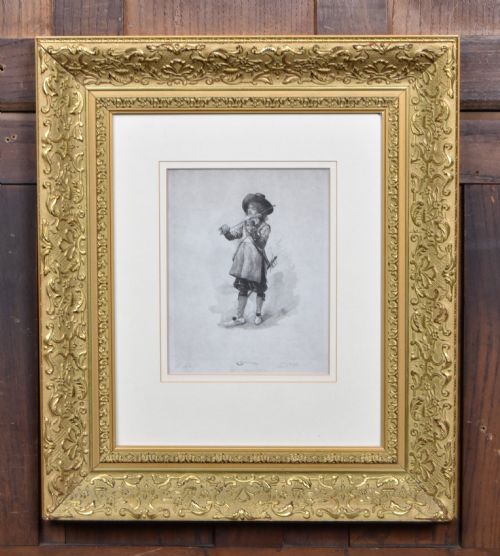
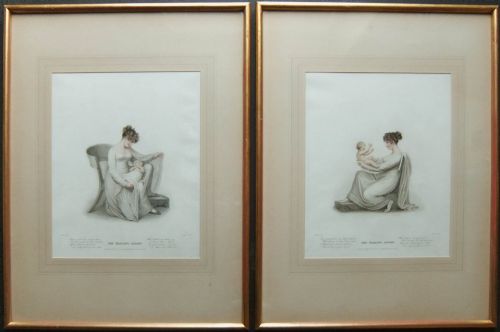
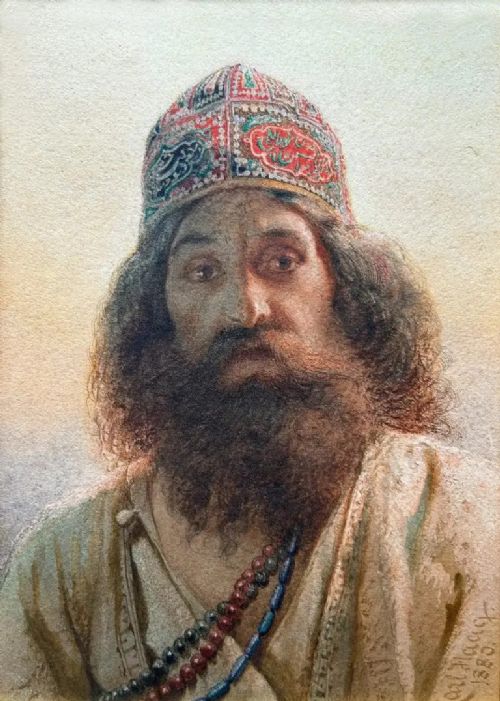
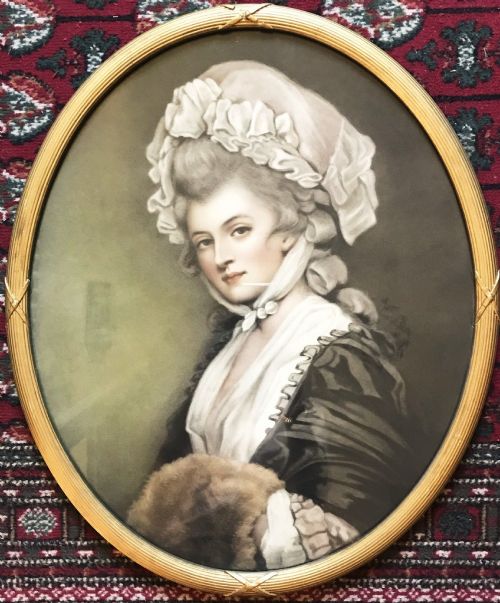
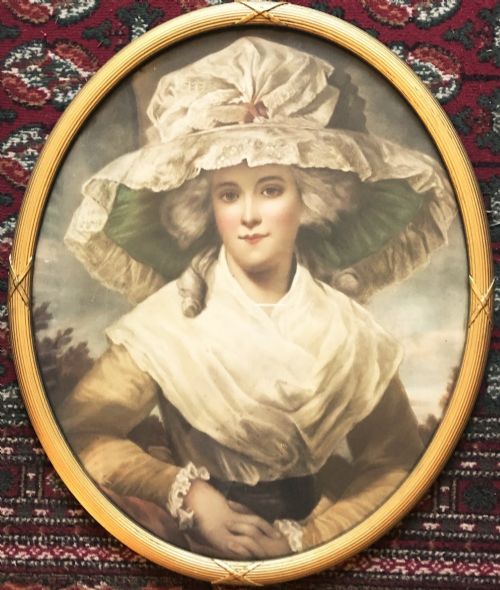
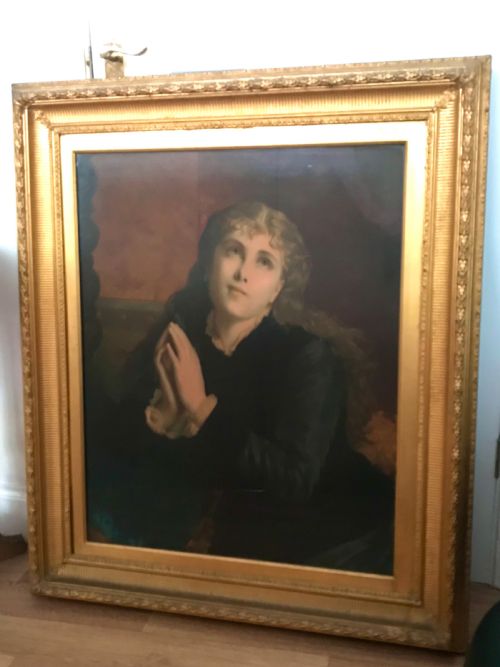
When you search for a 19th century portrait print, you encounter framed works on paper, engravings, etchings, and oleographs originating from Victorian, Georgian, and Regency periods. The forms range from classical political figures and theatrical actresses to children and military officers, housed within wood, rosewood, or giltwood frames.
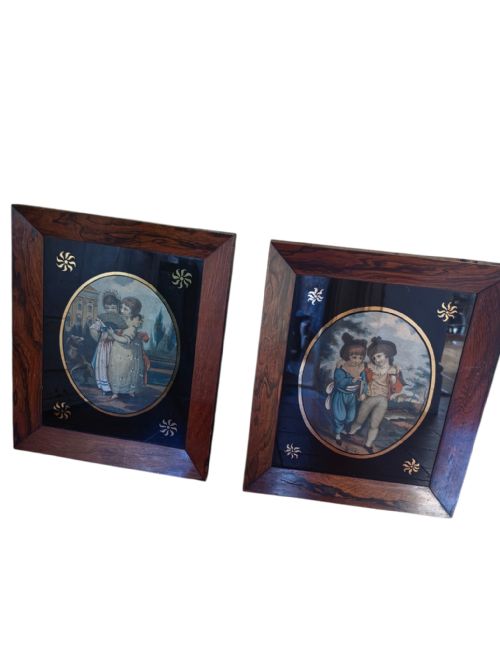
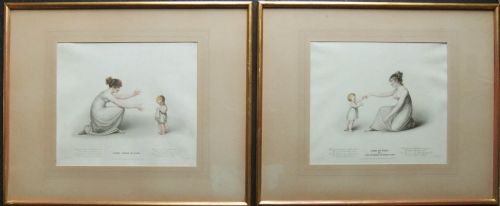
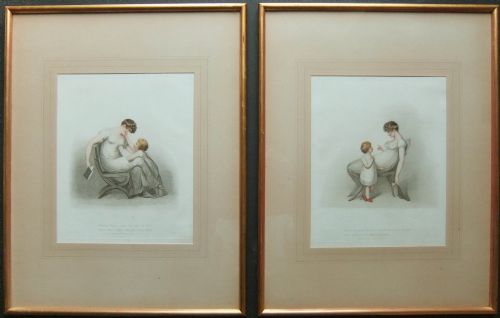
You are most likely to meet engravings and lithographs from the 19th century, frequently glazed and framed for wall display. These encompass both single subjects and paired compositions, often after original paintings by notable artists.
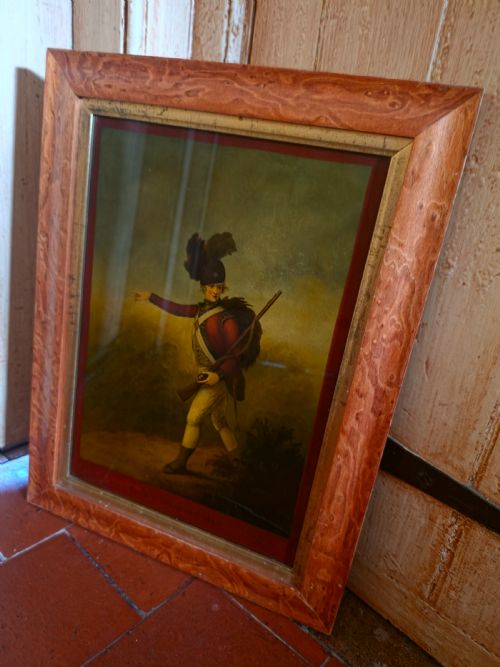
The selection bridges personal likenesses and allegorical studies, capturing subjects through diverse techniques including mezzotint, woodblock, and reverse glass painting.
Materials and Techniques
Makers utilised paper, ink, and occasionally canvas, applying engraving, etching, and lithographic techniques to transfer detailed portraits. Many examples incorporate hand-colouring or oleograph printing beneath protective glass.
The framing materials reflect the aesthetic preferences of the period, employing carved wood, giltwood, and rosewood to house the paper or canvas works securely.
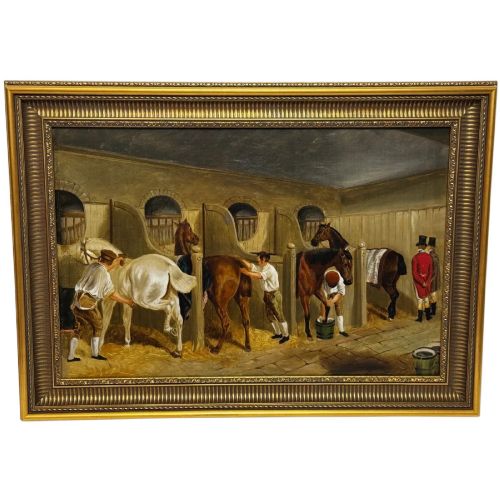
The inventory includes wall art forms such as engravings, etchings, lithographs, silhouettes, and oil paintings.
Distinctions in Quality
The distinction between tiers rests upon the crispness of the ink impression and the depth of the plate mark on the paper. Stronger impressions retain fine facial details and sharp lettering, whereas worn plates yield softer, muddier results.
Original framing adds significant merit, particularly when period giltwood or rosewood frames remain intact and complement the work. The precision of hand-colouring and the preservation of the paper beneath the glass further separate standard examples from finer works.
Adam Buck·Kitagawa Utamaro·Edward Stodart·W. Roffe·J. Brown
The 19th Century Portrait Print Glossary
- Engraving
- A printmaking process where an artist cuts lines into a metal plate with a sharp tool to hold ink. This technique produces fine, precise details suited for formal portraits.
- Oleograph
- A colour lithograph printed on canvas to simulate an oil painting, often finished with varnish. They became popular in the Victorian era for reproducing famous artworks.
- Lithograph
- A planographic printing process based on the antipathy of oil and water, utilising a flat stone or metal plate. It allowed for accurate, mass-produced reproductions of drawings.
- Crystoleum
- A Victorian method of applying a transparent print to the inside of glass, then hand-colouring it from behind. This technique created a luminous, three-dimensional effect for portraits.
19th Century Portrait Print: Frequently Asked Questions
How do I identify a genuine period print?
Examine the paper quality for age-related toning, watermark traces, and plate impressions around the image edges rather than modern dot matrix patterns. True period pieces display ink that sits within the paper fibres rather than resting on the surface.
Inspect the back of the frame for original backing papers, old framer labels, and handmade fixings. Modern replacements often use contemporary staples or tape that differ significantly from historical assembly methods.
What is a reverse glass picture?
A reverse glass picture involves painting or applying a printed image directly to the rear surface of a glass sheet, viewed from the front. This technique protects the pigments from atmospheric damage and imparts a glossy sheen.
Craftsmen often added metallic leaf or hand-colouring behind the glass before sealing the backing. This style appears frequently in Georgian and Victorian decorative works.
How should I care for framed paper art?
Keep framed paper works away from direct sunlight to prevent the fading of inks and the yellowing of the paper support. Stable indoor humidity prevents mould growth and stops the paper from cockling within the frame.
Avoid hanging pieces on damp exterior walls or near heat sources that could dry out the wood frames. Dust the glass gently with a dry microfibre cloth without spraying liquids directly onto the frame edge.
What distinguishes an engraving from a lithograph?
An engraving relies on incised lines cut into a metal plate, resulting in a visible plate mark indented into the paper. The resulting lines possess a sharp, raised quality that you can feel by touch.
A lithograph is drawn onto a flat stone or metal plate using greasy media, producing smooth tonal areas without plate marks. The surface of the paper remains flat where the ink meets it.