




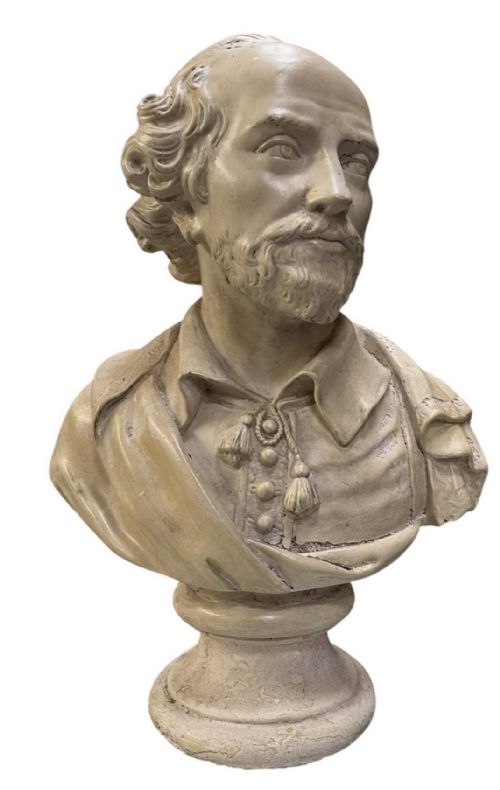
19th Century Plaster
When you search for 19th century plaster, you enter a diverse world of classical casts, portrait busts, and framed intaglio collections designed to bring antiquity into the home.
19th Century Plaster
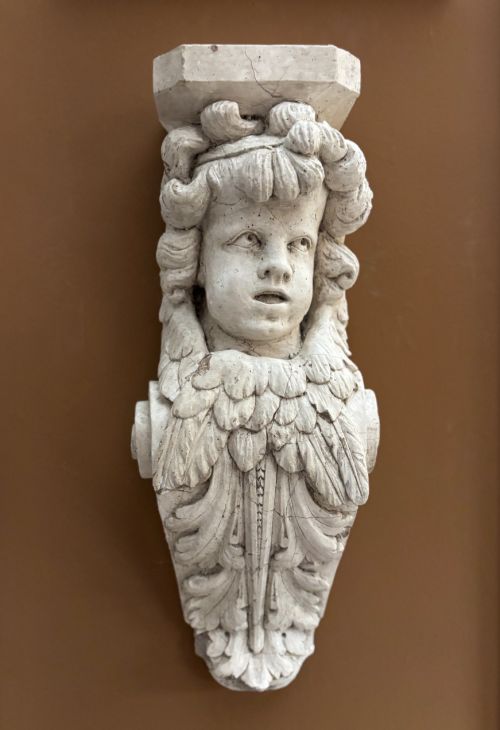
When searching for 19th century plaster, collectors frequently encounter grand tour intaglios, classical portrait busts, and architectural wall corbels originating from periods spanning the eighteen hundreds to the early twentieth century.
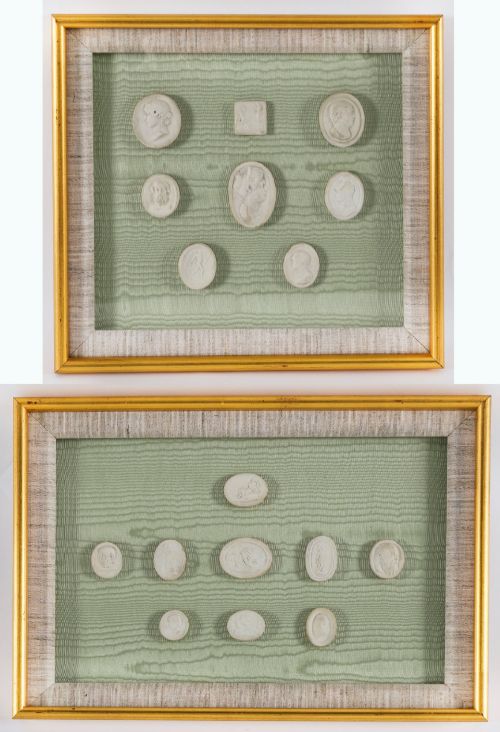
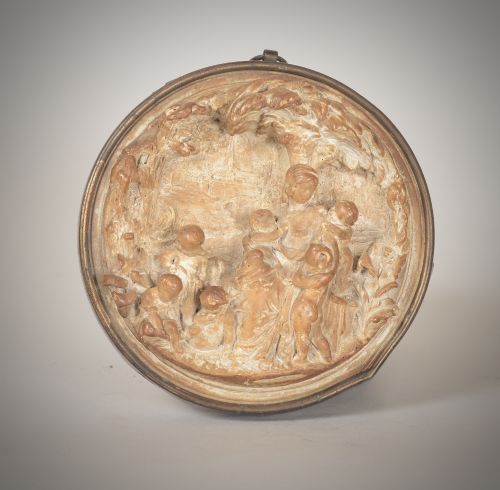
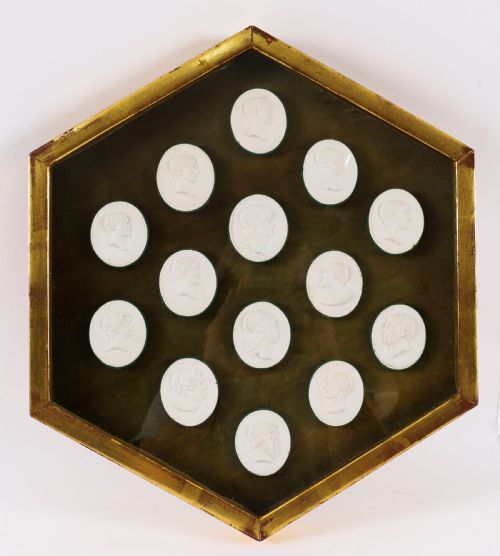
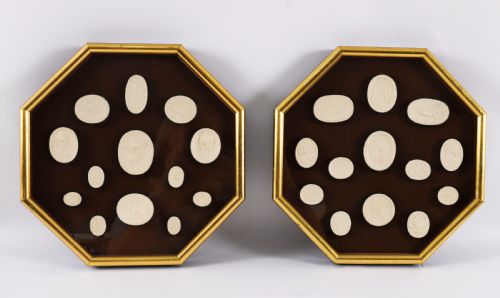
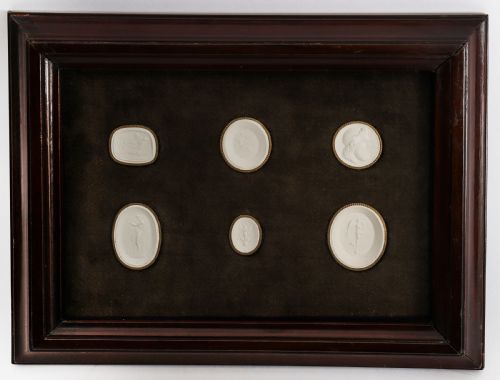
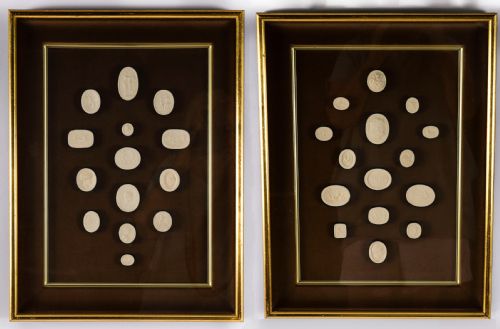
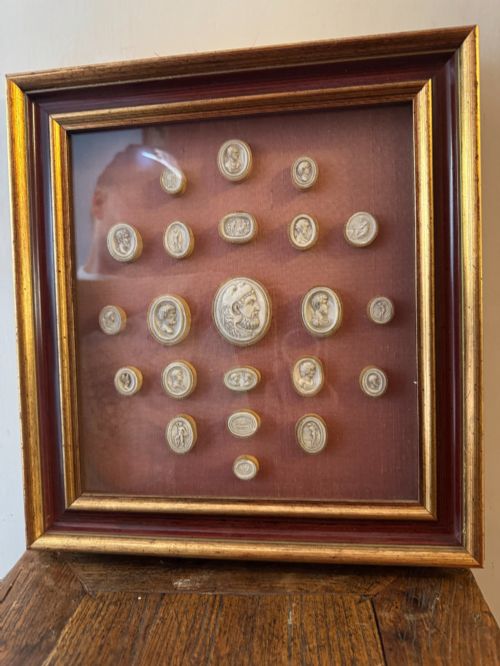
Framed intaglio collections and gypsum cameo panels represent a significant portion of these listings, often housed in velvet-lined boxes or giltwood frames reflecting neoclassical and Victorian tastes.
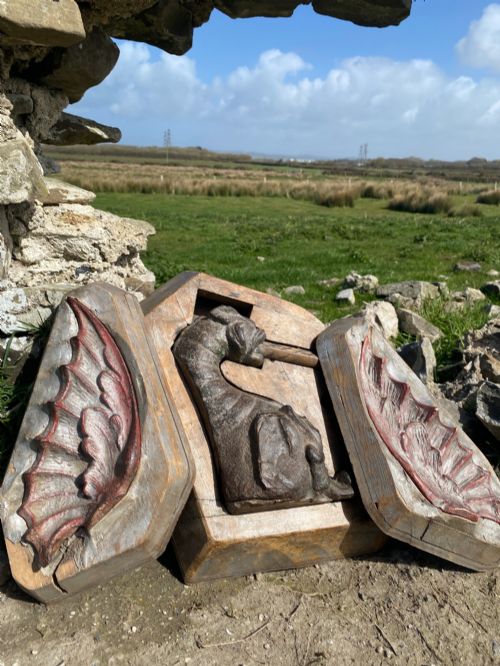
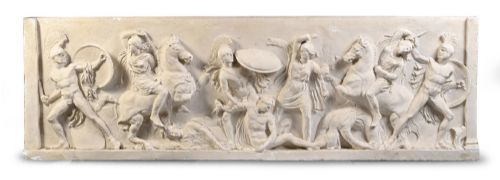
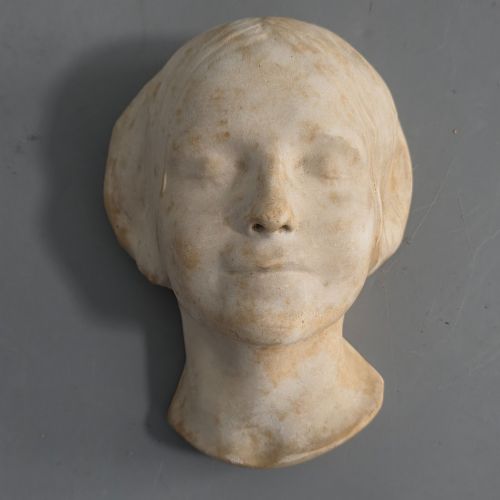
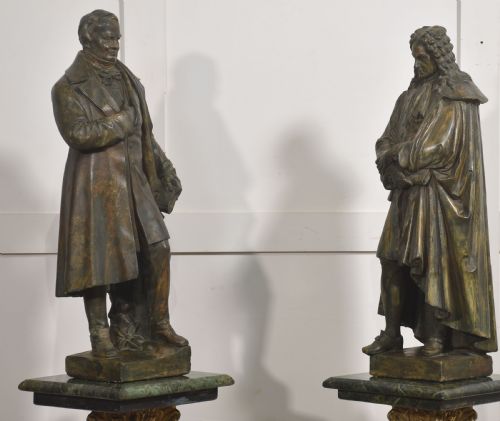
Larger sculptural works appear as figures of animals, mythological subjects, and historical personages modelled after antique prototypes by European workshops.
Materials and construction methods
These pieces utilise plaster, gypsum, and chalk cast from moulds taken of classical antiquities or original sculptures, sometimes combined with paint, patination, and polychrome finishes.
Frames and wall elements incorporate wood, gesso, and giltwood, providing supportive housing for delicate relief panels behind glass.
19th Century Plaster Retail Price Guide 2026
Typical asking prices for 19th century plaster among the pieces listed under this phrase on Sellingantiques today, from the lower quarter to the upper quarter. They describe what is for sale here now, not the wider market.
A nineteenth century model of a cow shares company with Roman emperors, classical dancers, and Shakespeare.
Quality variations in 19th century plaster
Original framing, maker signatures, and the integrity of early paint or gilt surfaces distinguish works produced by established plaster figure makers from standard decorative casts.
Giovanni Liberotti·Raffaelo Monti·Dopmeier·D. Brucciani and Co·Pietro Bracci
The 19th Century Plaster Glossary
- Intaglio
- A design engraved into a material so that the impression sits below the surface, commonly found in grand tour collections. These small-scale casts emulate ancient carved gems.
- Gypsum
- A soft sulphate mineral used to create plaster of Paris for detailed casting. It sets hard when mixed with water and captures fine mould textures.
- Gesso
- A paint mixture consisting of a neutral binder mixed with chalk or plaster, applied to wood frames before gilding. It provides a smooth surface for carving and gold leaf application.
- Corbel
- A structural or decorative bracket projecting from a wall to support a weight. In plaster form, these often depict architectural motifs or figurative subjects.
- Polychrome
- Decorated in a variety of colours. This technique applied paint to plaster figures to resemble natural skin tones or antique bronze.
19th Century Plaster: Frequently Asked Questions
What is a grand tour plaster?
Grand tour plasters are small casts of ancient sculptures and intaglios collected by travellers touring Europe during the nineteenth century. They served as portable studies of classical art.
These pieces were typically arranged in framed sets or custom boxes for display in private libraries and cabinets of curiosity.
How do I clean nineteenth century plaster?
Plaster is porous and water-sensitive, meaning moisture damages the surface and dissolves fine details. Dusting with a soft, dry brush is the safest maintenance method.
Avoid liquid cleaners, damp cloths, and chemical solvents entirely when caring for unsealed plaster sculptures and reliefs.
Where were these pieces displayed originally?
Homeowners in the Victorian era placed portrait busts on pedestals, library tables, and mantelpieces to signal intellectual and classical taste. Wall plaques and corbels integrated directly into domestic interior architecture.
Framed intaglio panels hung on study walls or sat flat on velvet surfaces inside exhibition cabinets.
Are these pieces original nineteenth century casts?
The listings on this page originate primarily from the nineteenth century, utilising period casting techniques and materials contemporary to the makers. Signatures, stamps, and framing styles help establish this chronology.
Comparing the crispness of the relief and the patina of the plaster helps distinguish authentic period pieces from later reproductions.