


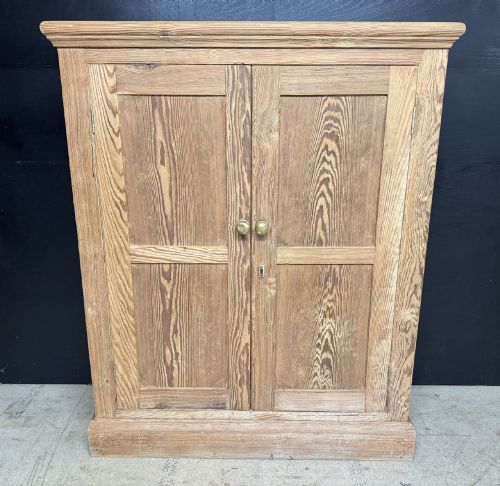
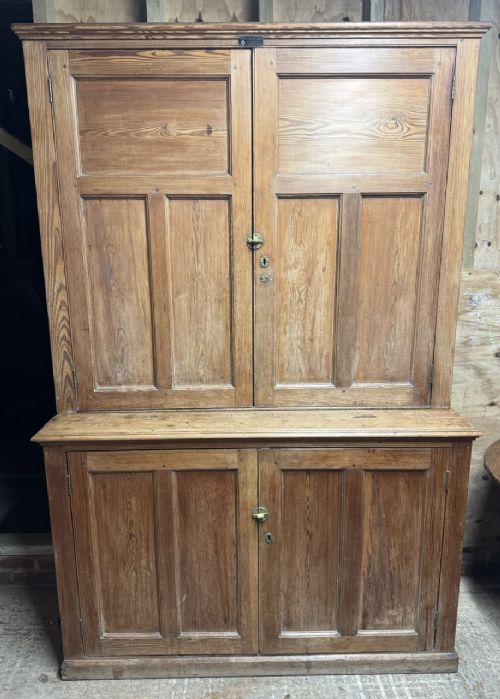
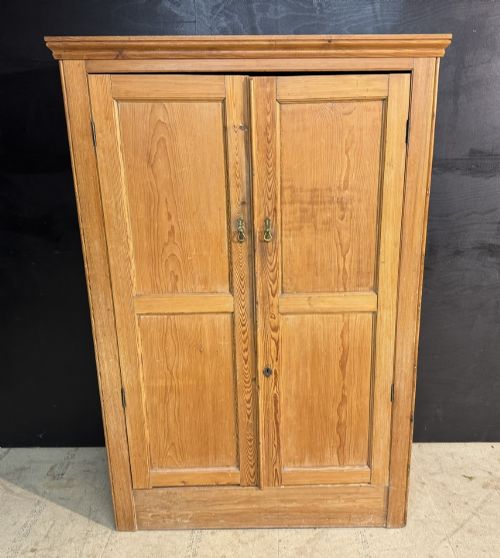
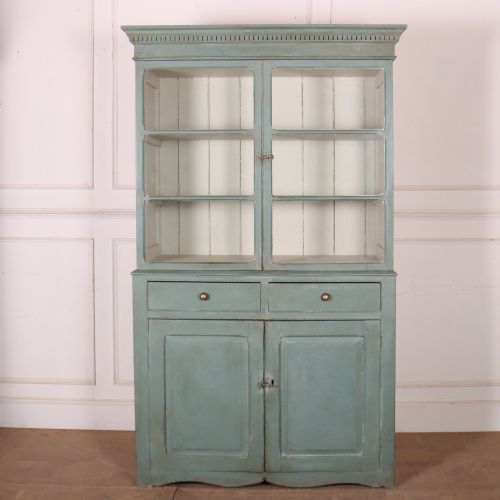



19th Century Pine Larder
A 19th century pine larder is a utilitarian storage chest built to preserve food, offering rustic warmth and generous proportions for modern kitchens.
19th Century Pine Larder
When you search for a 19th century pine larder, you encounter robust kitchen furniture originating from various regions including England, Scotland, France, Scandinavia, and Eastern Europe. These pieces were built for domestic utility, functioning as food stores, linen presses, and housekeepers' cupboards before finding a place in contemporary homes.
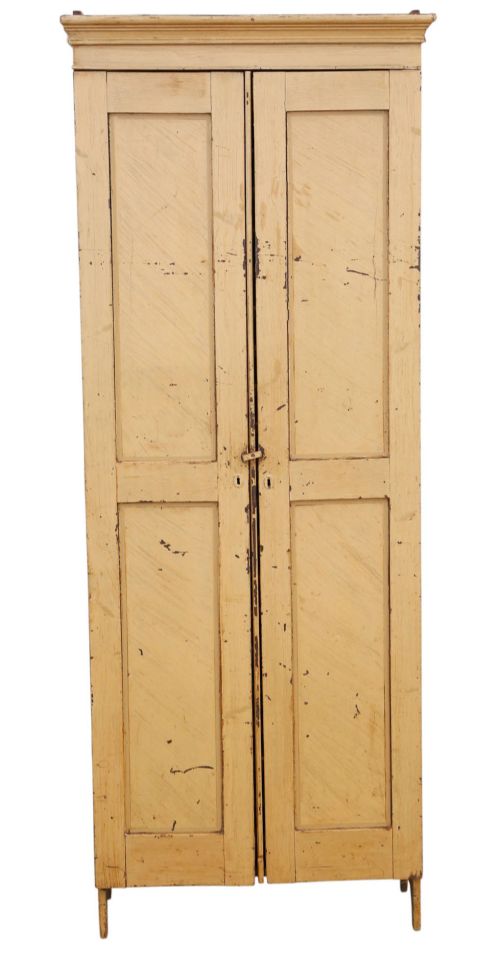
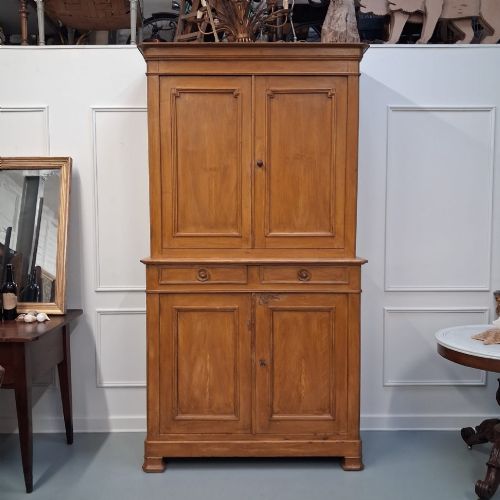
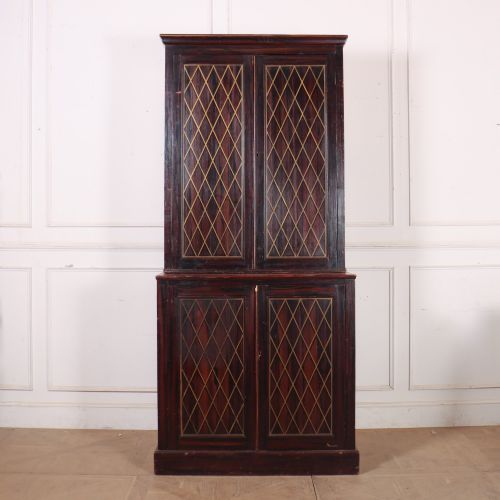
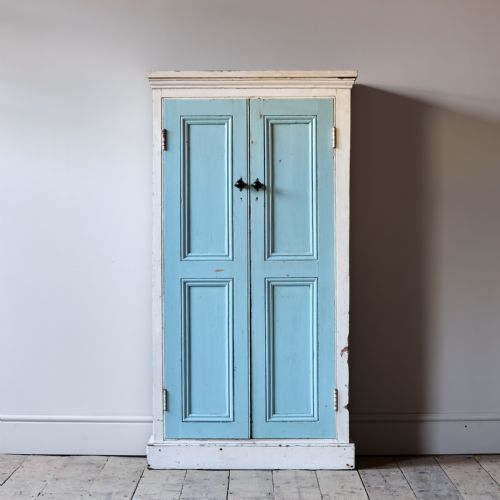
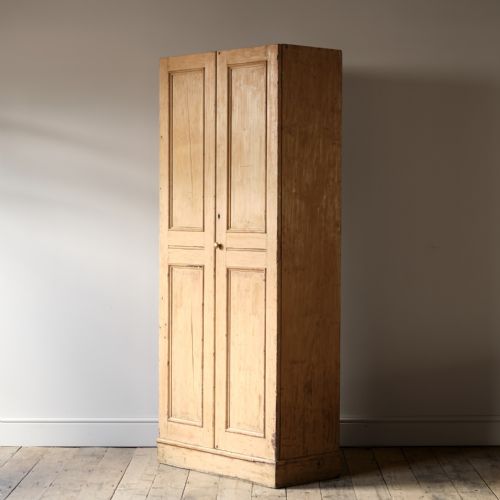
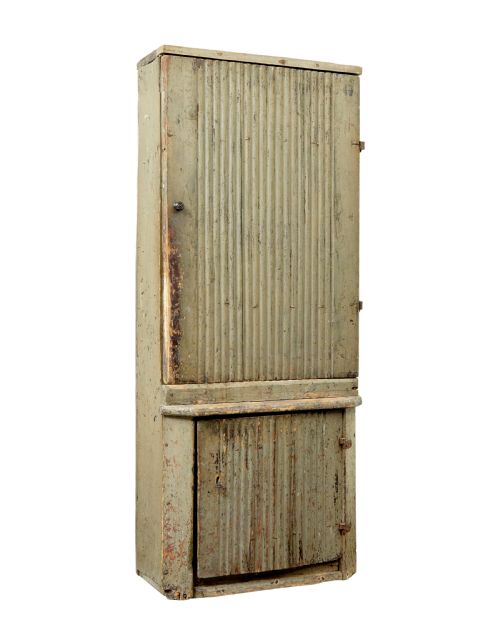
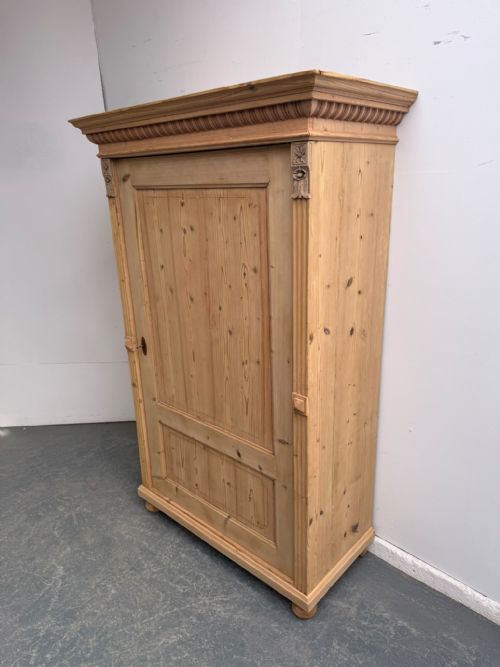
You are most likely to meet tall single or multi-door cupboards, often finished in original paint, cream or neutral tones, or stripped back to raw pine. The forms range from simple farmhouse cupboards to grander glazed kitchen cabinets and four-door storage units dating across the Victorian era and earlier decades.
How they were constructed
Constructed primarily from solid pine, these cabinets utilise traditional joinery suited to heavy daily use in busy domestic settings. Surfaces were frequently treated with paint, sometimes applied in layers over decades, while unpainted examples relied on waxed finishes to protect the softwood.
Metal hardware plays a functional role in their assembly, with iron and brass hinges, latches, and occasional glass panels fitted to doors. Carved details appear on specific regional pieces, adding subtle decorative depth to the otherwise straightforward carpentry.
19th Century Pine Larder Retail Price Guide 2026
Typical asking prices for 19th century pine larder among the pieces listed under this phrase on Sellingantiques today, from the lower quarter to the upper quarter. They describe what is for sale here now, not the wider market.
Many surviving cupboards still carry the faint aroma of stored spices and flour from their decades of rural kitchen service.
What separates the best examples
The distinction between standard utility storage and superior cabinet work rests in the integrity of the original construction and surviving surface finishes. Pieces retaining their early or original paint layers hold a different character compared to those stripped down or repeatedly repainted.
Proportion and scale dictate the appeal of each cabinet, with narrow tall formats or well-balanced multi-door configurations commanding attention. The weight of the timber, the snug fit of panelled doors, and the survival of period brass or iron furniture separate utilitarian boxes from finer regional cabinet making.
The 19th Century Pine Larder Glossary
- Pine
- A softwood commonly used throughout the nineteenth century for domestic furniture, prized for its accessibility and ability to take paint or wax well.
- Housekeeper's cupboard
- A large storage piece traditionally used in grander homes to store linen, dry goods, and household provisions under the charge of the housekeeper.
- Glazed
- Fitted with glass panes in the doors, allowing the contents of the upper cabinet to be seen while protected from dust.
- Painted wood
- A finish applied to softwood furniture, protecting the grain and offering colour variations ranging from cream to regional hues.
19th Century Pine Larder: Frequently Asked Questions
Where were these cupboards used?
These pieces originated in domestic kitchens, larders, and pantries across British and European farmhouses, rectories, and town homes.
They served as the primary storage vessels for perishable food, dry goods, and household linens before fitted kitchens changed domestic architecture.
How do I clean a painted pine larder?
Maintenance requires gentle dusting and occasional cleaning with a damp cloth, avoiding harsh chemical sprays that might strip historic paint layers.
Waxed surfaces benefit from a light application of beeswax to nourish the softwood and maintain a soft sheen over time.
Can these cupboards hold modern kitchen appliances?
The deep internal shelving and tall cavities accommodate everyday kitchenware, dry stores, and tableware with ease.
Buyers often utilise them as freestanding kitchen pantries to introduce character and freestanding storage into contemporary rooms.
How can I tell a French larder from an English one?
Regional origins reveal themselves through proportion, moulding profiles, and the specific style of hardware attached to the doors.
French and Scandinavian examples often display distinct carving patterns and panel arrangements compared to West Country or Scottish workshop traditions.