

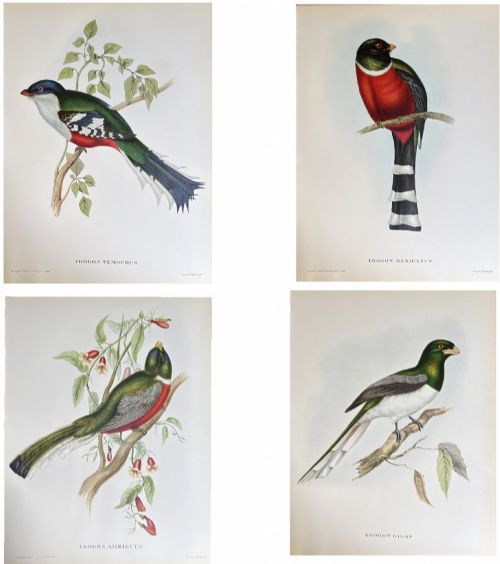


19th Century Paper Prints
These 19th century paper prints capture history through ink and watercolour on paper, offering a direct window into past eras that collectors prize.
19th Century Paper Prints
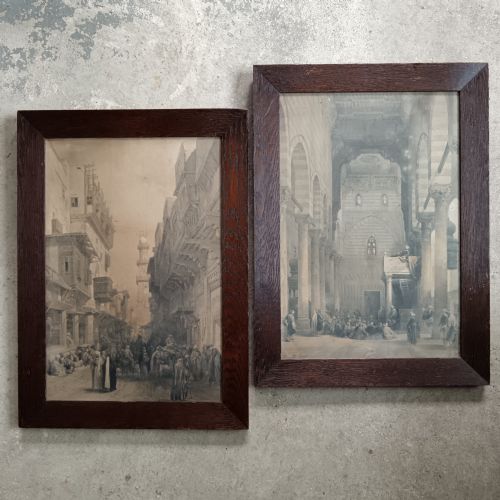
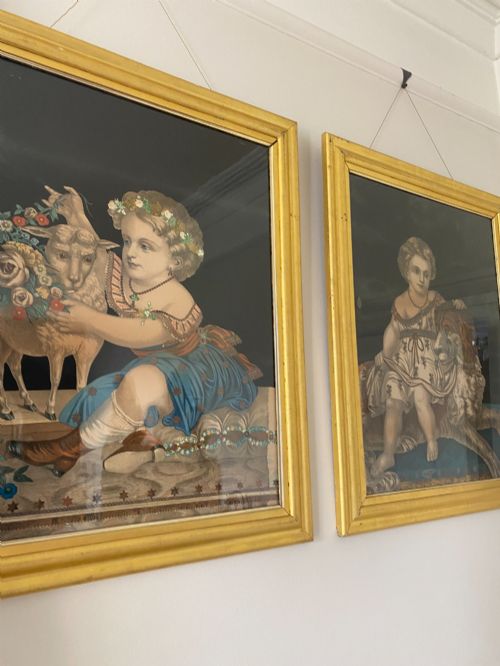
When searching for 19th century paper prints, buyers encounter a diverse range of works spanning topographical views, botanical specimens, and historical scenes. The selection on this page leans heavily toward framed and unframed engravings, lithographs, and watercolours produced during the Georgian and Victorian periods.
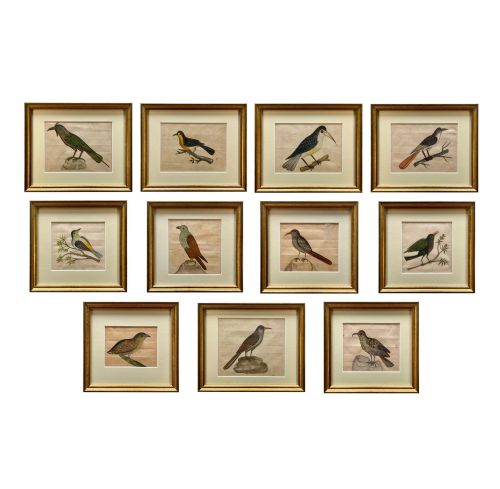
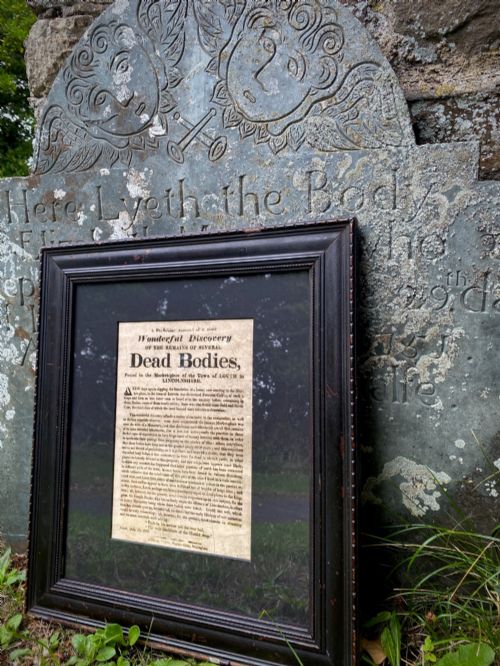
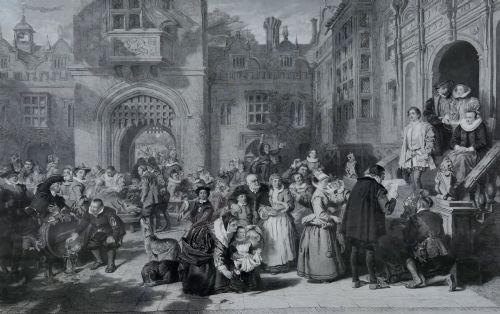
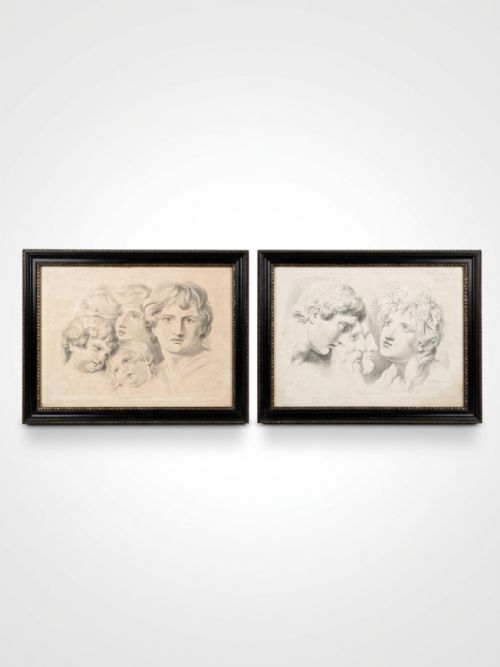
Subjects stretch from detailed architectural studies and maps to sporting scenes and portraits, reflecting the visual culture of the nineteenth century. These pieces appear both as individual sheets and in curated sets, often preserved behind glass within period frames.
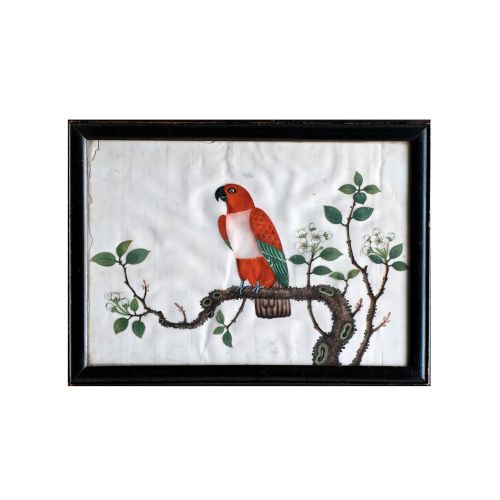
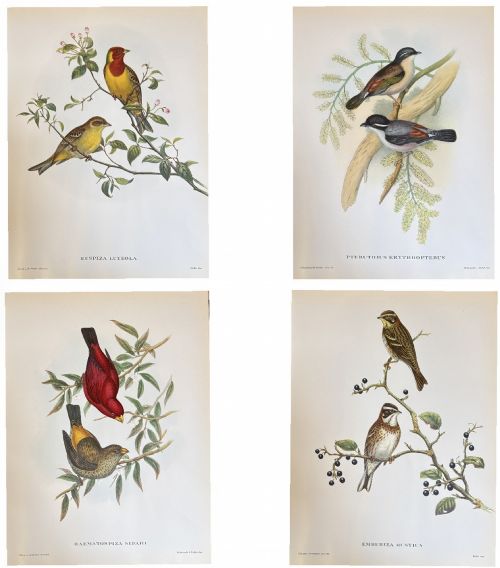
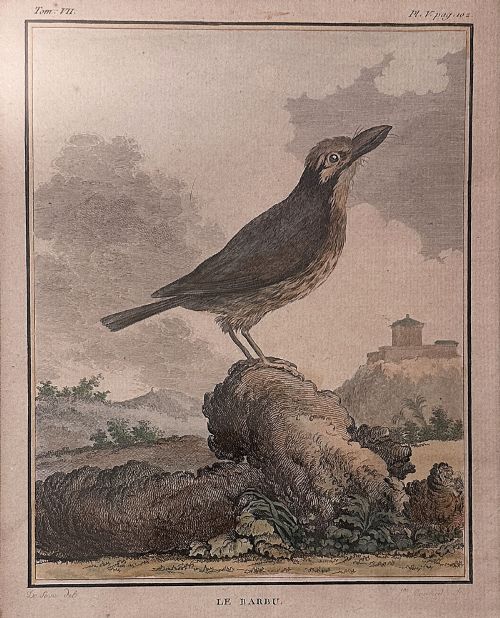
Many examples capture the era's fascination with travel, natural history, and classical art through mediums such as hand-coloured etching and chromolithography. Buyers frequently find prints that served as book illustrations, satirical commentaries, or standalone works of art.
Materials and methods of production
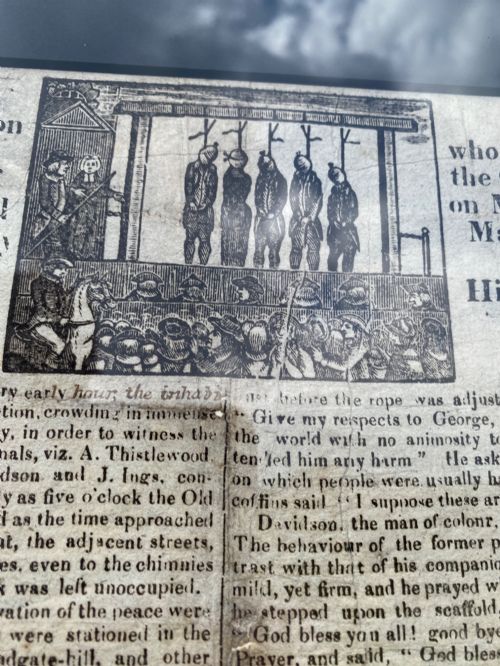
Production relied fundamentally on paper sheets, often combined with ink, watercolour pigment, and occasionally cardboard backing. Printers and artists utilised various intaglio and relief techniques, including engraving, etching, aquatint, and woodblock printing.
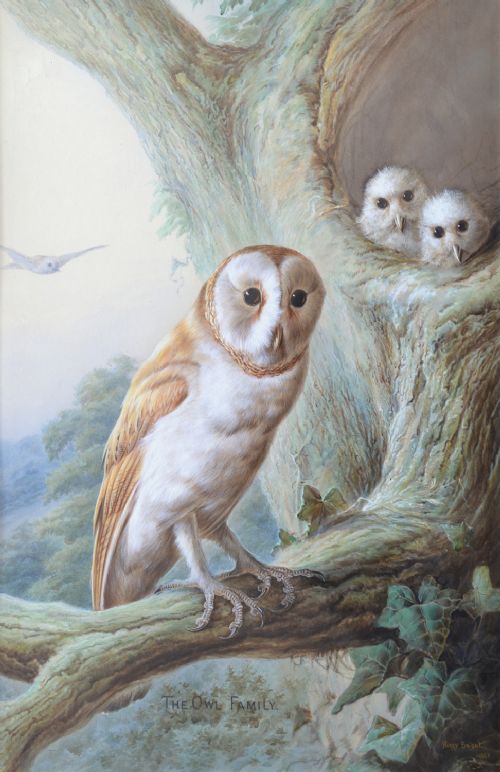
Colour was frequently applied by hand using watercolour washes or built up through multiple lithographic stones, as seen in chromolithographs. Framing typically involved wood, sometimes finished with gilt, protecting the delicate paper surfaces behind glass.
19th Century Paper Prints Retail Price Guide 2026
Typical asking prices for 19th century paper prints among the pieces listed under this phrase on Sellingantiques today, from the lower quarter to the upper quarter. They describe what is for sale here now, not the wider market.
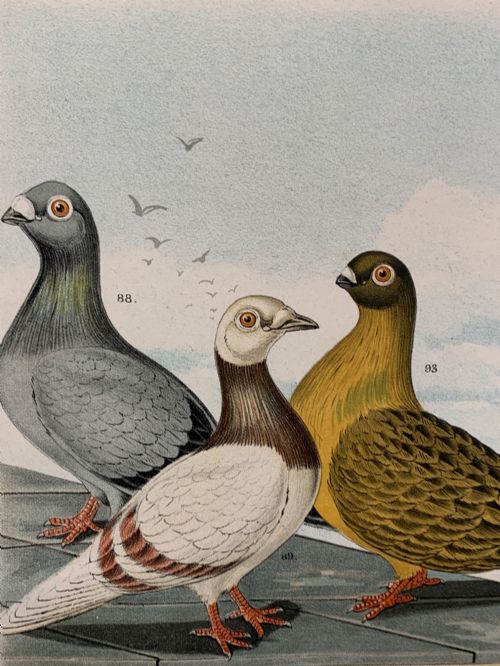
Nineteenth-century pigeon breeders enjoyed lithographs of specific fancy breeds just as much as landowners admired framed horse racing scenes.
Distinctions in quality and execution
Quality rests significantly on the precision of the initial plate work and the clarity of the impression transferred to the paper. Finer impressions display sharp lines and distinct details, whereas worn plates yield blurred or muddy results.
The application of hand-colouring separates standard commercial output from superior artistic examples, with delicate, accurate washes enhancing the overall visual impact. Preservation of the paper sheet, minimal fading, and the presence of original framing elements also elevate a piece.
Alfred Young Nutt·David Roberts·Adam Buck·Anton Ignaz Melling·Carl Haag·Edward Stodart·Kitagawa Utamaro·Jonathan Couch
The 19th Century Paper Prints Glossary
- Engraving
- A printmaking technique where an artist cuts lines directly into a metal plate with a sharp tool to hold ink. The resulting image offers exceptional linear precision and detail.
- Lithography
- A planographic printing process based on the mutual repulsion of oil and water, utilising a flat stone or metal plate. This method allowed for efficient reproduction of tonal drawings and vibrant colour work.
- Aquatint
- An intaglio printmaking variant that produces tonal areas resembling watercolour washes through acid etching on a metal plate. It was widely utilised in landscape and architectural views.
- Chromolithography
- A multicoloured lithographic method using a separate stone for each colour applied to the print. This technique achieved rich, painterly hues without requiring manual watercolouring.
- Etching
- A process where lines are bitten into a metal plate using acid rather than direct physical cutting. It yields fluid, expressive strokes favoured by fine artists.
- Mezzotint
- An intaglio method where the plate surface is roughened uniformly to produce deep darks and subtle gradations of tone. It is particularly effective for translating painted portraits into print.
19th Century Paper Prints: Frequently Asked Questions
How should I frame and display my paper prints?
Protect antique prints by using acid-free mount board and framing them behind glass that blocks ultraviolet light. Keep them away from direct sunlight and damp environments to prevent paper deterioration and fading.
Position them on interior walls where temperature fluctuations remain minimal. Proper framing preserves both the paper substrate and any delicate hand-applied watercolour pigments.
What is the difference between an engraving and a lithograph?
An engraving is produced by cutting lines into a hard metal plate, resulting in crisp, indented lines that hold the ink. A lithograph relies on a chemical process using a flat stone or metal plate, capturing softer tonal variations and painterly marks.
Examining the surface under magnification reveals these mechanical differences clearly. Engravings show distinctive plate marks around the image, while lithographs rest flat on the paper surface.
Were these prints originally published in books?
Many nineteenth-century prints originated as illustrations within folio volumes, travelogues, or periodical publications. Publishers often issued plates unbound or allowed collectors to extract them for framing.
Evidence of a binding edge or centre fold frequently indicates book provenance. These plates offer a glimpse into how visual information circulated before modern photography.
How can I identify hand-coloured prints?
Hand-coloured prints exhibit subtle brushstrokes and slight pooling of pigment under magnification, distinguishing them from mechanically applied colour. Artisans applied watercolour washes by hand to monochrome impressions to enhance visual appeal.
Close inspection reveals variations in tone across different copies of the same print. This individual touch makes each hand-coloured sheet unique.