
19th Century Painted Glass
These pieces of 19th century painted glass bring colour and hand-finished detail to a room, ranging from delicate tablewares to decorative panels.
19th Century Painted Glass
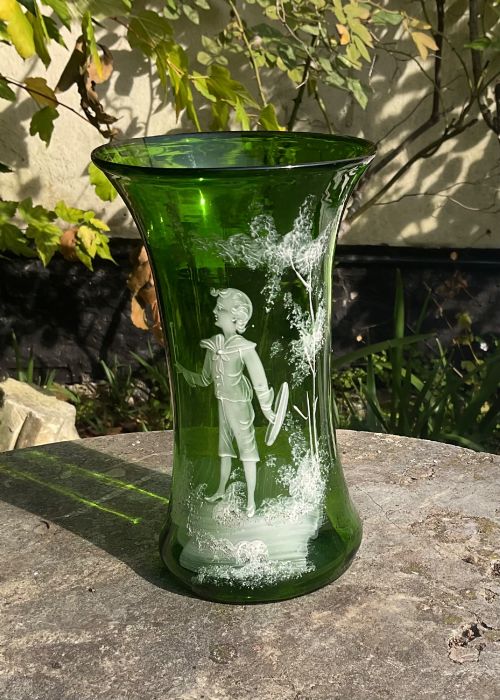
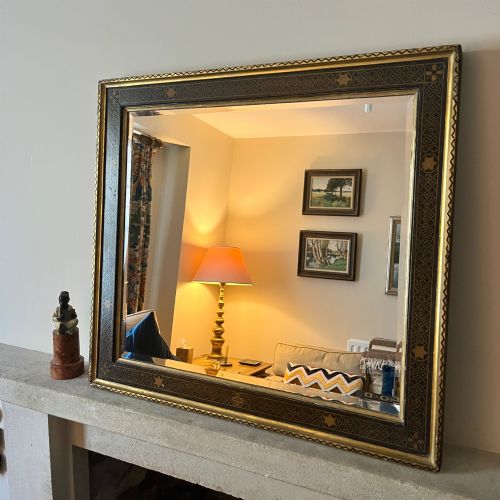
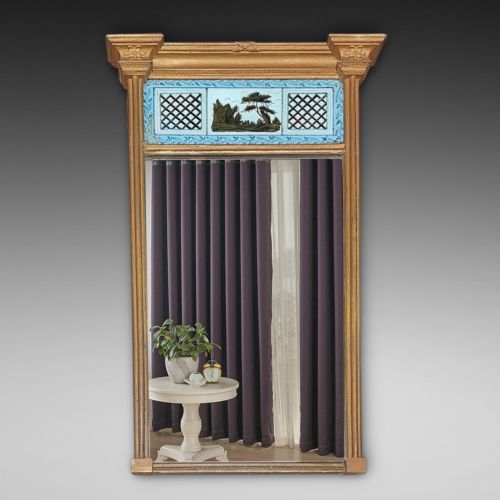
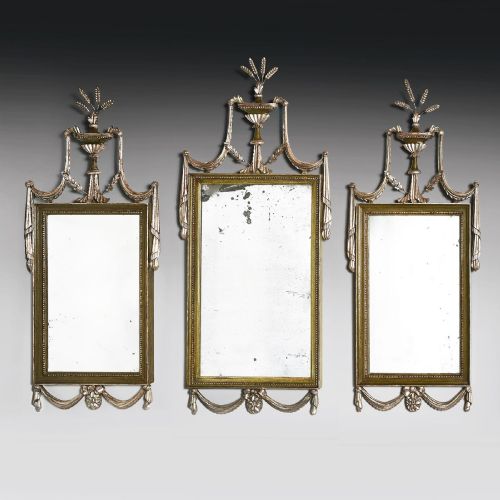
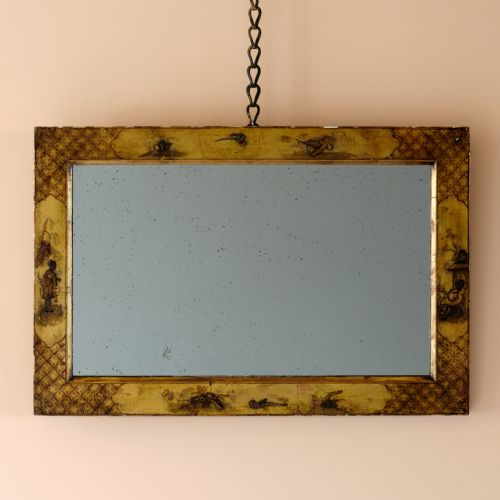
When you search for 19th century painted glass, you encounter a diverse group of objects spanning domestic vessels, wall elements, and decorative items. The selection ranges from small personal trinkets and decanters to large stained glass windows and mirrors incorporating verre eglomise.
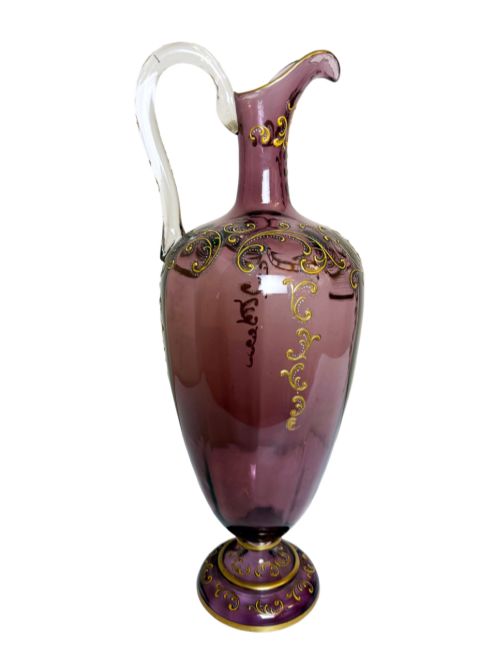
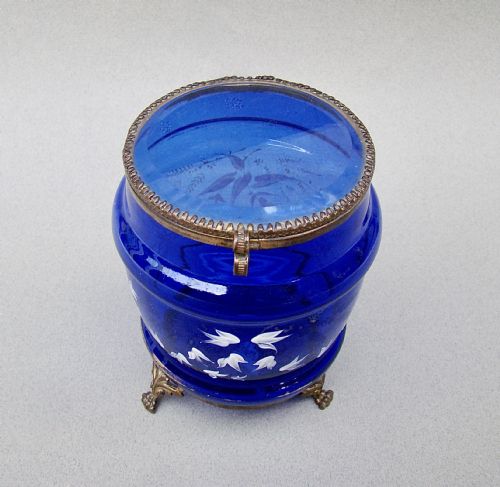
You are most likely to meet Victorian green glass table lustres, enamel painted wine jugs, and blown glass pitchers with hand painted gilt applique. Items such as blue glass jewellery boxes and opaline glass pieces demonstrate the period penchant for applied enamel and metallic decoration.
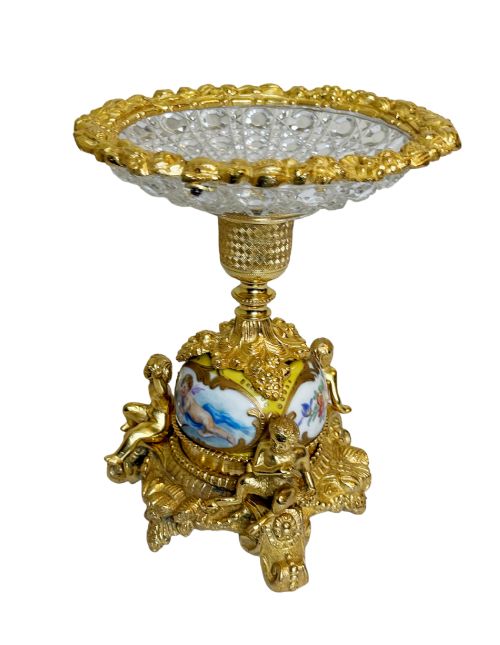
The material vocabulary of these objects often extends beyond pure glass to include brass, ormolu mounts, and carved wood frames with gesso. Many examples originate from French workshops or English makers, reflecting distinct regional tastes for revival styles during the Victorian decades.
Materials and methods
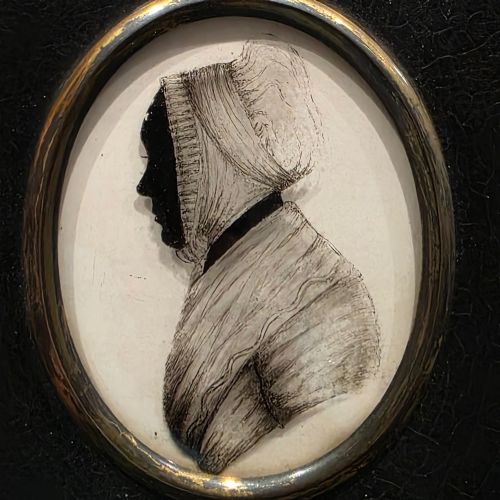
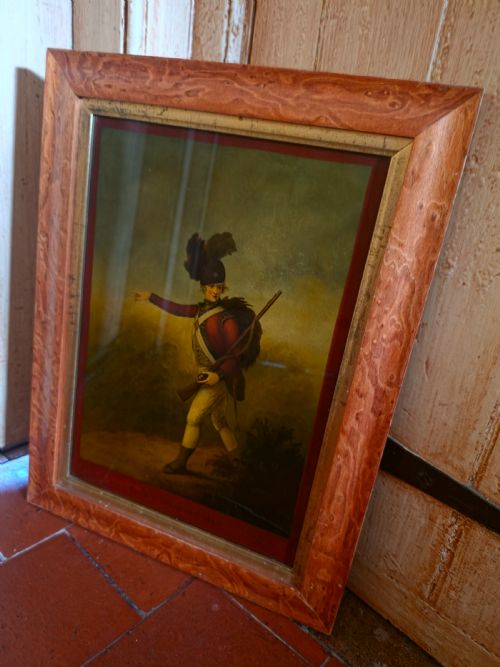
Makers utilised molten glass blown into moulds or shaped freehand, later applying surface pigments, enamels, and gold leaf by hand. These decorative layers were often fired at lower temperatures to bond with the glass body, or sealed behind clear glass in reverse paintings.
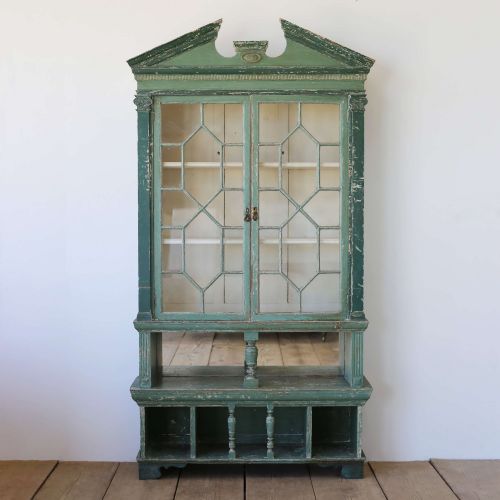
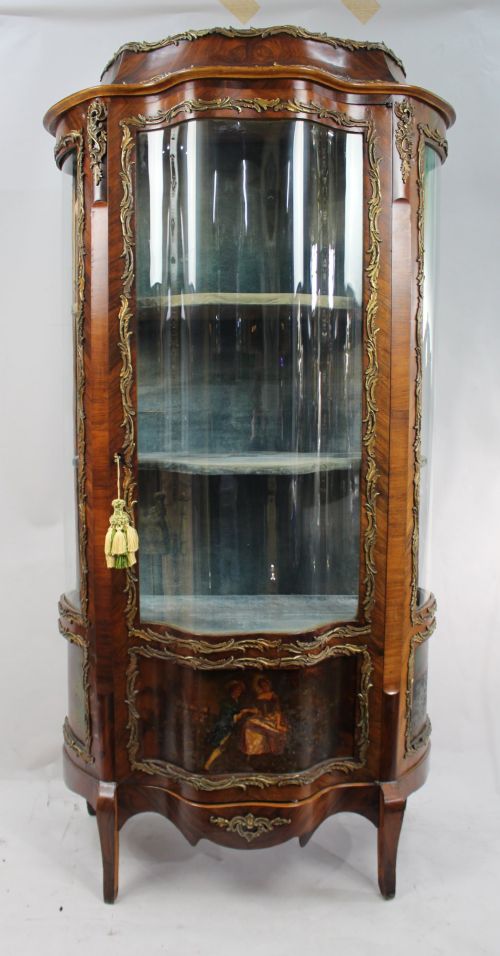
Support elements such as ormolu, brass, and carved wood frames augmented the glass components on larger pieces like mirrors and vitrines. Gilding and gesso were applied to wooden structures to complement the shimmering quality of the decorated glass panels.
Listings feature items from the 1850s through the 1890s, using glass, enamel, ormolu, and carved wood.
Assessing quality
Quality rests in the precision of the hand painting and the clarity of the underlying glass medium. Finer pieces display crisp brushwork, well-defined gilding, and secure integration with any metal mounts or wooden surrounds.
The depth and preservation of the enamel or reverse painted image dictate the visual success of the piece. Superior examples maintain their original colour saturation without extensive flaking or later touch-ups to the painted surface.
Gillows Of Lancaster
The 19th Century Painted Glass Glossary
- Verre eglomise
- A cold decoration technique where a design is painted and gilded on the reverse side of glass. This process creates a mirrored, reflective surface with deep lustre.
- Enamel
- Opaque glass-based pigment fused to the surface of a glass vessel through firing. It adds raised texture and durable colour.
- Opaline glass
- A dense, translucent pale glass popular during the mid-nineteenth century. It frequently served as a blank for gilt and painted ornamentation.
- Table lustre
- A decorative glass candlestick hung with cut glass prisms. They were designed to reflect candlelight from living room surfaces.
19th Century Painted Glass: Frequently Asked Questions
How do I clean painted glass items?
Dust surfaces gently with a soft dry cloth and avoid harsh chemical cleaning agents. Moisture can damage delicate enamel or gold leaf applied to the exterior.
Keep pieces away from direct sunlight to prevent the painted pigments from fading over time.
Are these items safe for daily use?
Most decorative vessels and decanters from this period function best as display items rather than utilitarian tableware. The historic paints and gilt appliques are vulnerable to wear from frequent handling and washing.
Enjoy them on mantels, in display cabinets, or on side tables where their decorative qualities remain secure.
How do I identify the period?
Examine the manufacturing marks, the style of the mounting hardware, and the character of the glass body. Victorian and nineteenth century pieces often show hand-blown irregularities and specific revival decorative motifs.
Comparing the object's form with dated examples helps narrow down the decade of production.
Where should I place them?
Position glass items near light sources to maximise the effect of translucent colours and gilt highlights. Table lustres and vases suit well-lit sideboards or mantelpieces.
Ensure stability on flat surfaces, particularly for pieces that combine heavy glass with brass or ormolu mounts.