


19th Century Oval Framed Art
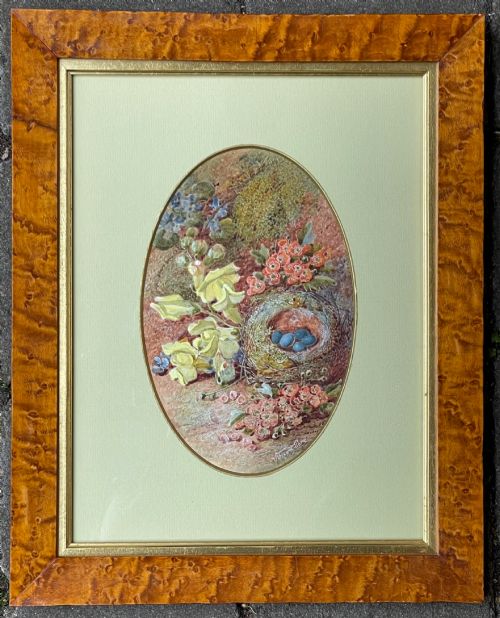
These 19th century oval framed art pieces bring intimate portraiture and delicate still lifes into focus through curved wooden and gilt borders.
19th Century Oval Framed Art
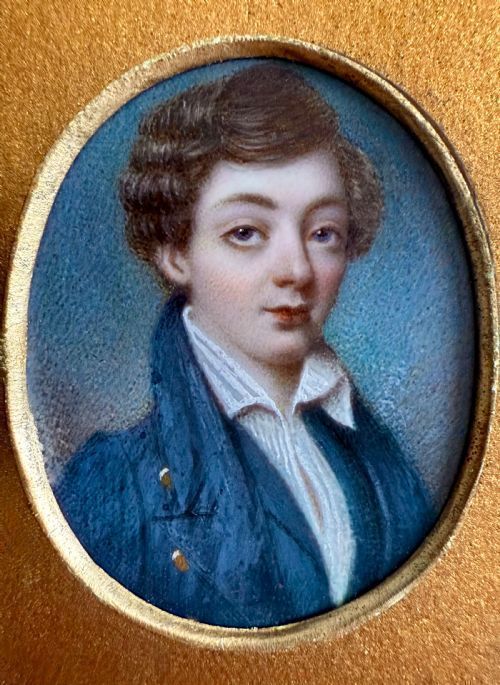
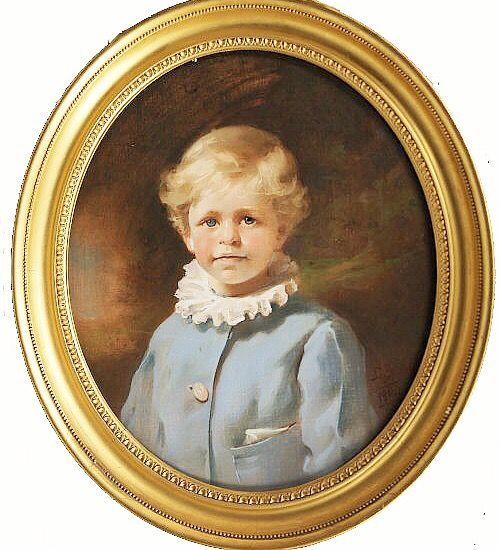
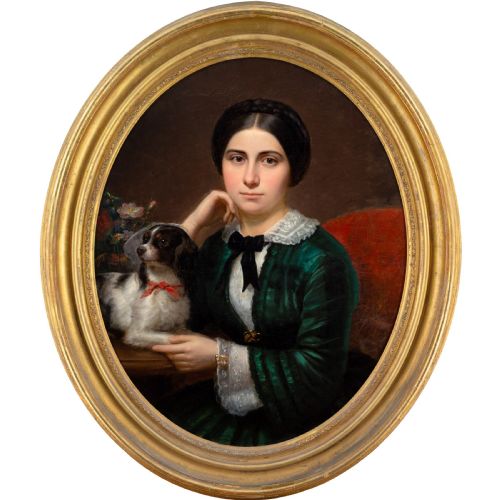
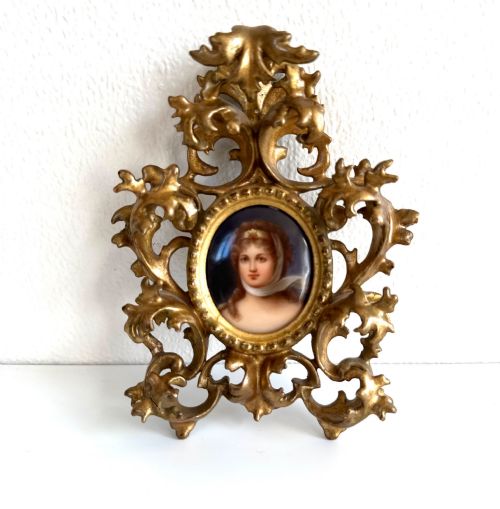
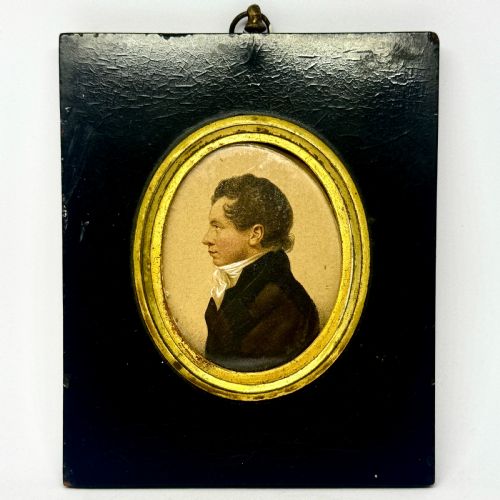
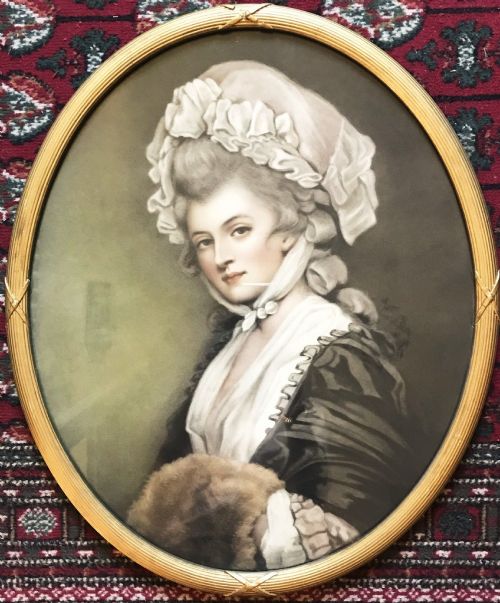
When searching for 19th century oval framed art, buyers encounter a diverse selection of portrait miniatures, oil paintings, and works on paper created during the Georgian, Regency, and Victorian periods. The curvature of the frame dictates the composition, frequently enclosing intimate likenesses of sitters or pastoral landscapes.
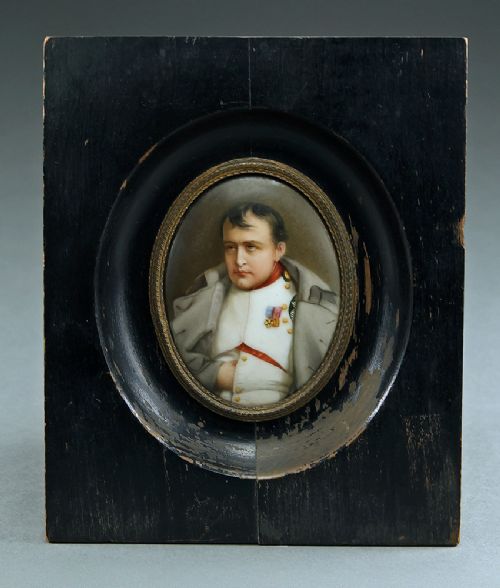
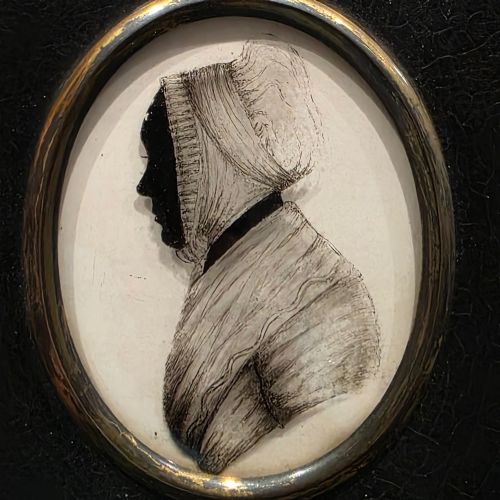
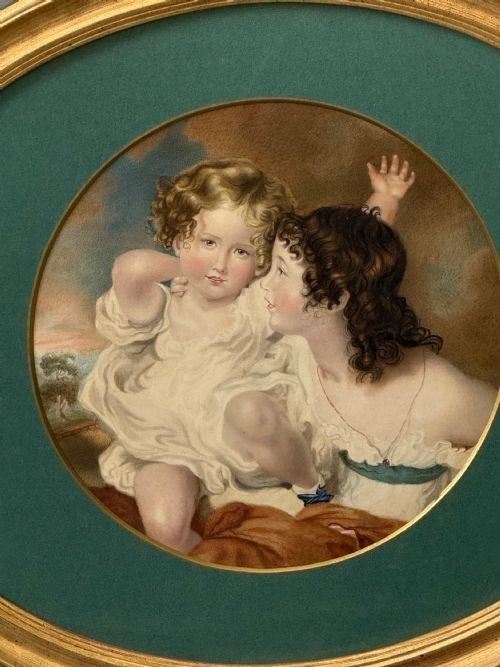
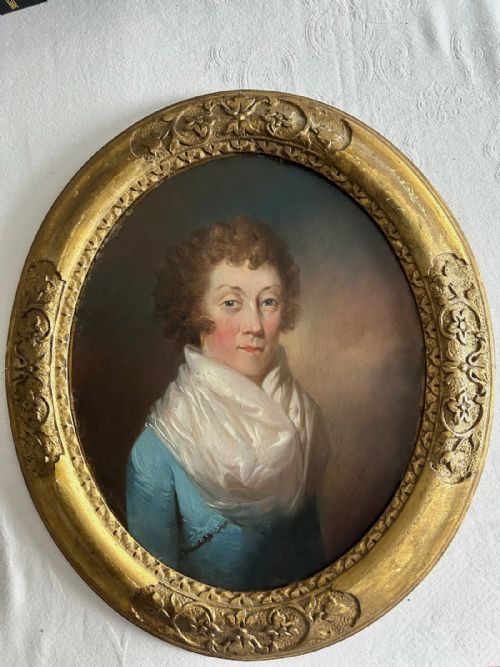
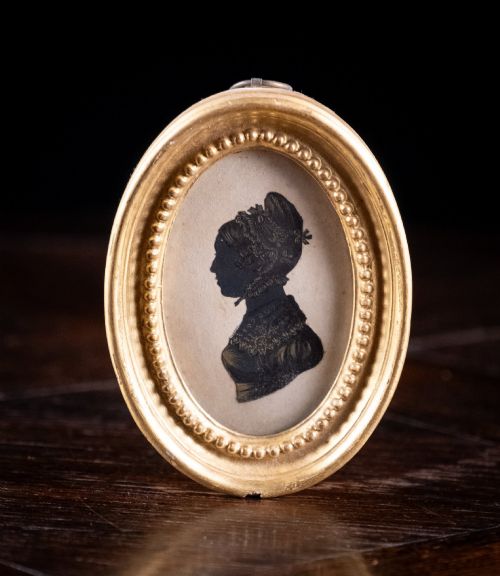
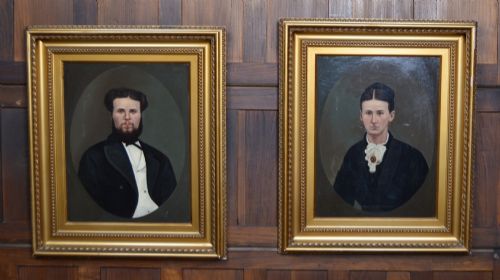
Portraits dominate the offerings, ranging from detailed silhouette miniatures and delicate watercolours to robust oil paintings on canvas and card. These works capture notable individuals, children, and ladies, often executed after prominent artists of the era.
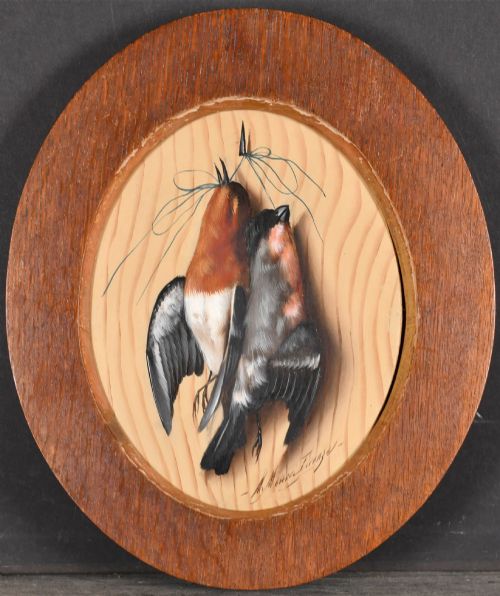
Beyond human subjects, the category extends to still life compositions, botanical needlepoint maps, and trompe l'oeil studies. These varied forms share the characteristic enclosed geometry of the curved boundary.
Most examples originate from British and French schools, reflecting the stylistic shifts from Regency refinement to Victorian academic detail. The pieces bridge the gap between grand salon canvases and private domestic keepsakes.
Materials and construction methods
Artists of the period utilised watercolours, oils, pastels, and pencil on varied grounds including paper, card, glass, and canvas. Watercolour and pastel works often require glass protection within the curved housing to prevent surface degradation.
Frames are constructed from wood, maple, ebonised timber, and giltwood, frequently enhanced with gold leaf and reverse-painted glass panels known as Verre Églomisé. The carpentry required specialised joinery to maintain the continuous tension of an oval shape.
Techniques such as silhouette cutting, reverse painting, and needlepoint sit alongside traditional brushwork. Miniature works demand immense precision, executed on small scales intended for handheld viewing or intimate wall placement.
Current listings feature watercolours, oils, and pastels spanning the Regency, Victorian, and Georgian periods.
Qualities that separate the examples
The standard of execution in the painted or drawn surface establishes the primary distinction between pieces. Superior works demonstrate accomplished handling of light, anatomical precision, and psychological depth in portraiture, whereas lesser items rely on formulaic repetition.
The preservation of the original framing material significantly impacts the overall integrity of the piece. Frames retaining their original gilding, untouched glass, and tight structural joins indicate superior historical survival compared to those with later replacements or modern adaptations.
Attribution to documented artists or established schools elevates the standing of an artwork. Signed pieces or those carrying strong provenance linking them to known makers provide greater historical clarity.
George Atkinson·Richard Cosway·Michelangelo Meucci·James Thomas Linnell
The 19th Century Oval Framed Art Glossary
- Silhouette
- A solid shape of a person's profile, typically filled in with dark colour, popular for miniature portraits before photography.
- Verre Églomisé
- A cold-decoration technique involving the application of gold or silver leaf onto glass, often used for decorative borders on frames.
- Trompe l'Oeil
- An art technique that uses realistic imagery to create the optical illusion that the depicted objects exist in three dimensions.
- Miniature Painting
- A very small painting, highly detailed and traditionally executed on ivory, vellum, card, or copper.
- Giltwood
- Wood that has been treated with a thin layer of gold leaf or gold paint for decorative effect.
19th Century Oval Framed Art: Frequently Asked Questions
What subjects appear in these frames?
Portraits of individuals, children, and military figures form the majority of the surviving pieces. Landscapes, still lifes, and needlepoint maps also occupy these curved boundaries.
Artists frequently recorded family members or created reductions of larger academic works for domestic display. The intimacy of the scale suited personal memorials and likenesses.
How do I hang oval framed art?
These pieces require secure single-point hanging from a robust hook or a dedicated picture rail to maintain alignment. Due to their curved geometry, ensuring the vertical plumb is correct prevents the frame from listing.
Grouping several small oval frames together creates a traditional salon display. Spacing them evenly allows each unique border and subject to remain distinct.
How are these pieces dated?
Stylistic evidence such as costume, hair styling, and framing techniques provides primary clues for dating. Signatures, inscriptions on the reverse, and exhibition labels frequently confirm the exact period.
Materials also help narrow the timeline, as certain pigments and papers correspond to specific decades. Comparing the style to known works by the same school offers further chronological context.
Are these works original?
Most listings represent original period creations, though some include later watercolours or prints executed after earlier paintings. Examining the medium reveals whether a piece is a hand-painted work or a later reproduction print.
Frames sometimes undergo restoration or replacement over the lifespan of the artwork. Checking the joinery and backing boards helps determine whether the frame and internal artwork originated together.