




19th Century Ottoman Chest
A 19th century ottoman chest brings substantial timber construction and period upholstery together to anchor a room.
19th Century Ottoman Chest
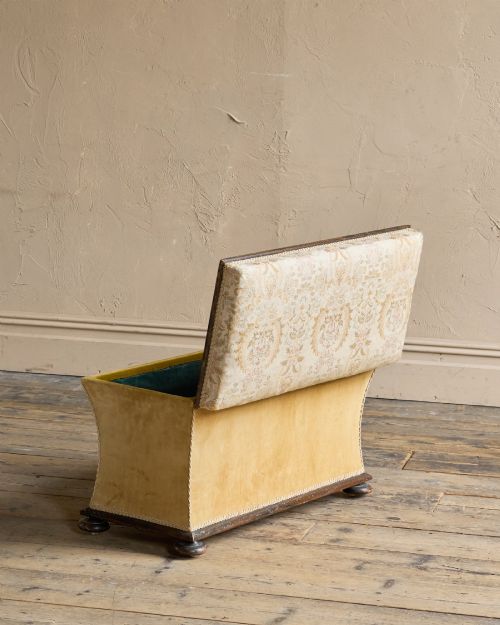
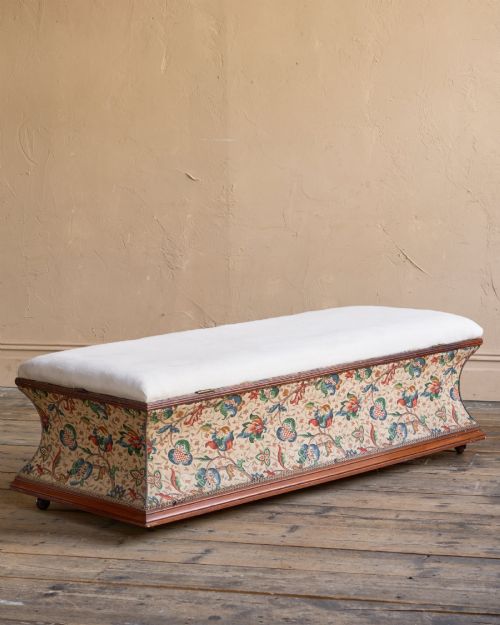
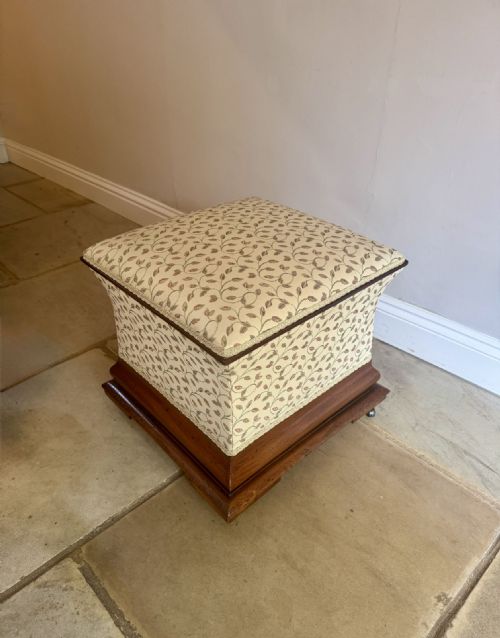
A 19th century ottoman chest combines practical storage capacity with upholstered seating surfaces, taking forms such as the sarcophagus shape, blanket boxes, and long window seats. These pieces originate across the nineteenth century, drawing on Victorian, Regency, and French Neoclassical design influences.
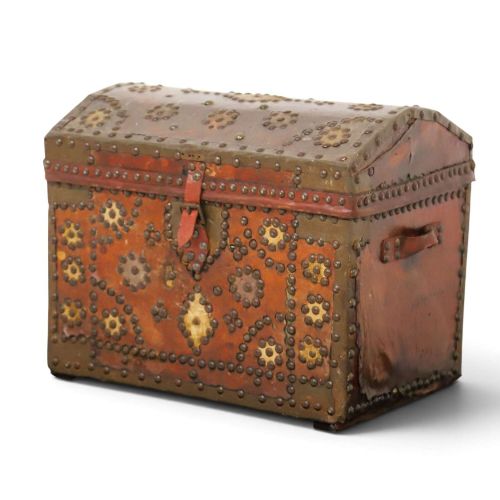
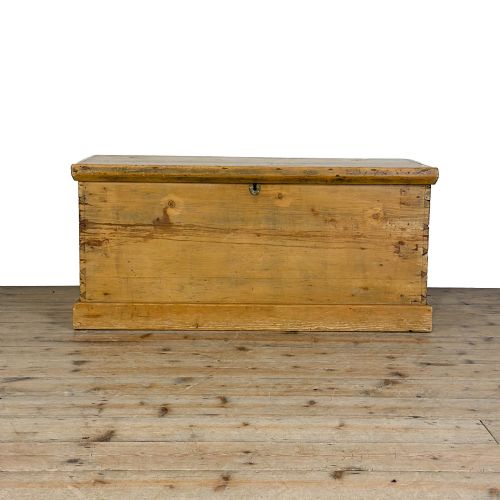
Buyers seeking a 19th century ottoman chest will frequently encounter sturdy pine trunks, mahogany frames, and birch blanket boxes alongside upholstered footstools. Many examples feature hinged lids designed for textile storage, while others present concave shapes or carved lions paw feet.
How they were made
Makers constructed these chests primarily from solid woods including pine, mahogany, birch, and rosewood, often combining painted or stripped finishes with structural iron hardware. Side lifting handles and working locks provided functional utility for heavy timber trunks.
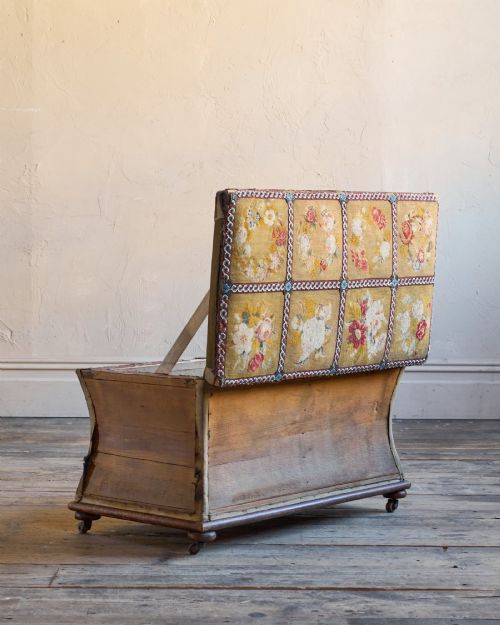
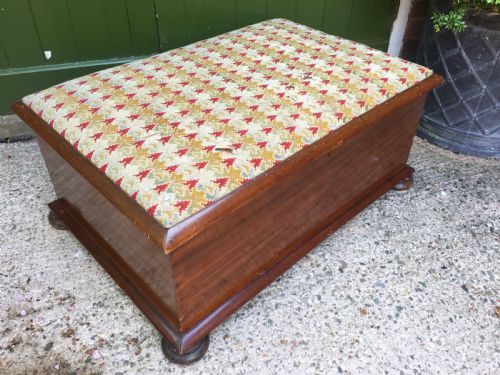
Upholstered lids utilise traditional textiles such as tapestry, velvet, damask fabric, and gros-point needlework or beadwork. Wooden frames frequently support padded seating areas designed for domestic comfort and display.
19th Century Ottoman Chest Retail Price Guide 2026
Typical asking prices for 19th century ottoman chest among the pieces listed under this phrase on Sellingantiques today, from the lower quarter to the upper quarter. They describe what is for sale here now, not the wider market.
Listings span the nineteenth century into the early twentieth century, incorporating pine, mahogany, birch, and rosewood.
What varies in quality
The distinction between standard utility boxes and finer pieces rests on timber selection and decorative detail, moving from plain painted pine to figured mahogany and rosewood. Carved elements such as lions paw feet and shaped concave bodies elevate the architectural presence of individual examples.
Original upholstery survivals, including period gros-point needlework and beadwork lids, distinguish pieces retained in original decorative order from those stripped to bare frames or intended for complete reupholstery.
The 19th Century Ottoman Chest Glossary
- Sarcophagus ottoman
- A chest form featuring a rounded or flared body reminiscent of a classical sarcophagus. This silhouette appeared frequently in larger nineteenth-century reception rooms.
- Gros-point
- A heavy needlepoint stitch worked on canvas using wool yarn. It creates durable, textured decorative panels often found on Victorian seat tops.
- Mule chest
- A traditional storage chest featuring one or more drawers beneath the main lifting compartment. The form bridges the gap between simple blanket boxes and tiered drawer chests.
- Window seat
- An elongated upholstered bench designed specifically to fit beneath window recesses. These low seats often share construction traits with standard ottomans.
19th Century Ottoman Chest: Frequently Asked Questions
How do I clean the wood?
Dust timber surfaces regularly with a dry cloth to prevent dirt accumulation on nineteenth-century finishes.
Avoid harsh modern chemical polishes that can degrade aged varnish and wax treatments over time.
Can I use it for seating?
Most upholstered nineteenth-century examples were built robustly enough to function as occasional benches or footstools.
Check the internal frame stability and padding condition before daily seating use.
Are the locks original?
Many pine and mahogany trunks retain working iron locks fitted into the upper lid rim or front fascia.
Replacement hardware is common due to centuries of lost keys and mechanical wear.