
19th Century Ornate Mirrors
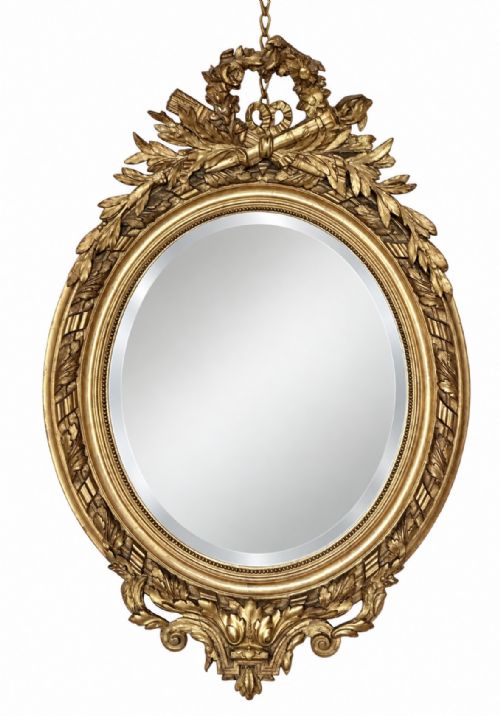
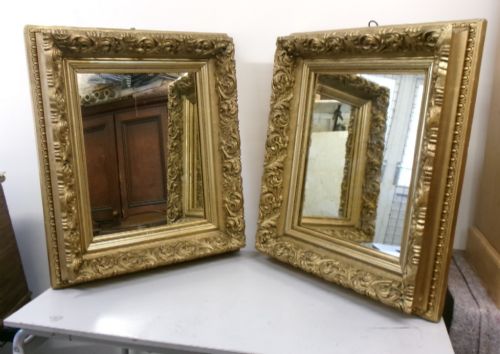
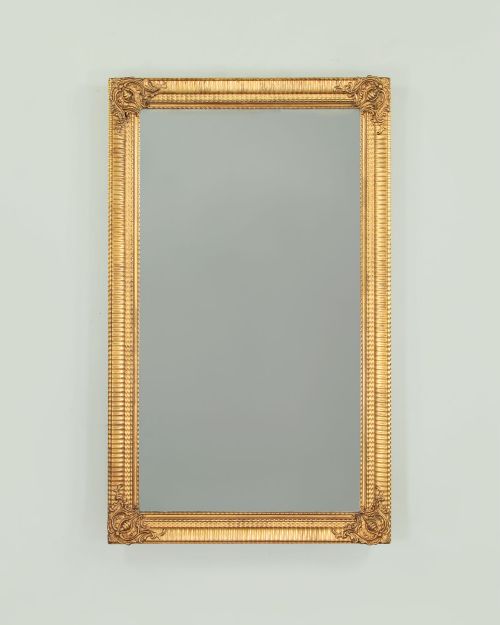
These 19th century ornate mirrors bring gilded grandeur and dramatic architectural presence to domestic interiors through intricate carved decoration.
19th Century Ornate Mirrors
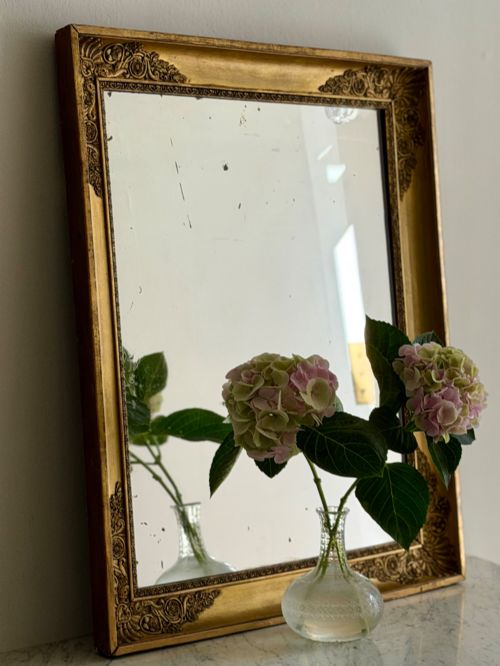
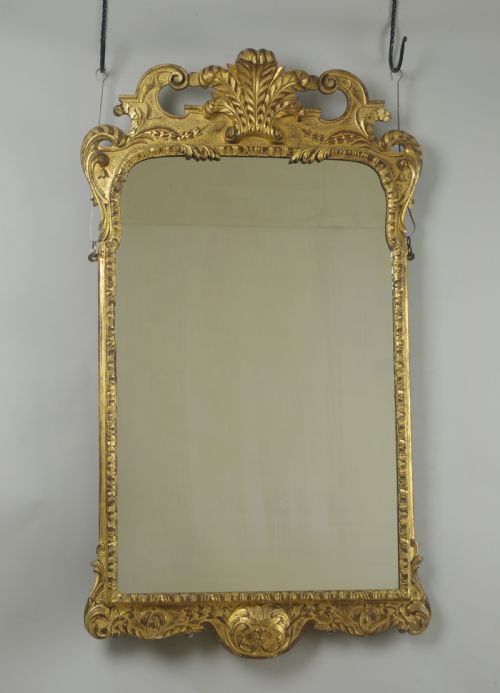
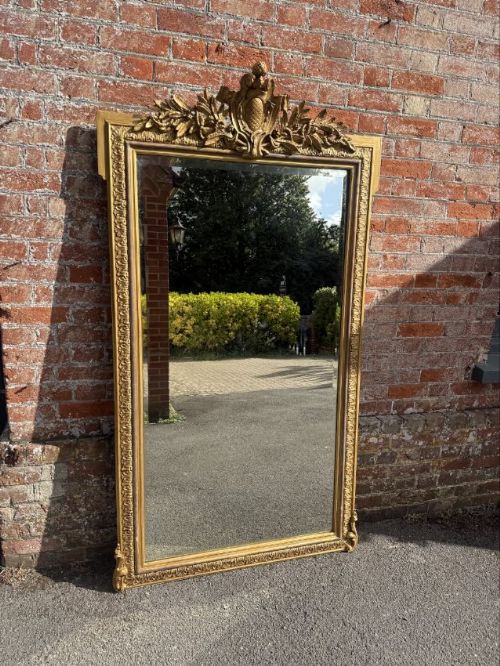
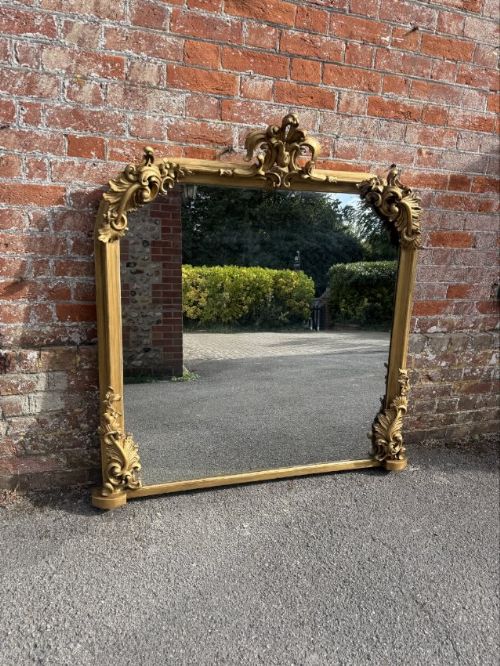
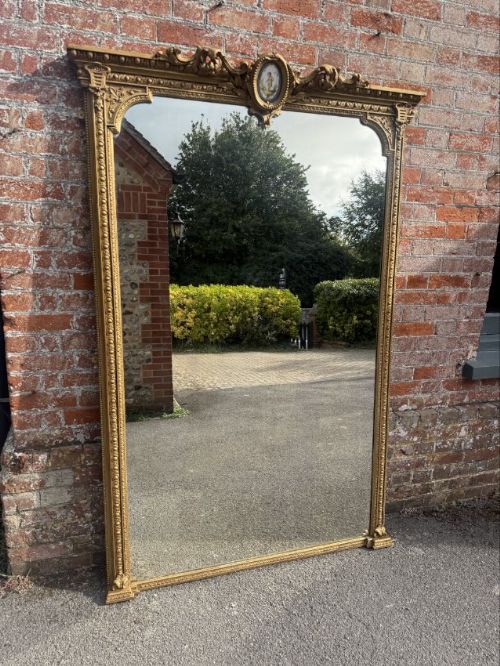
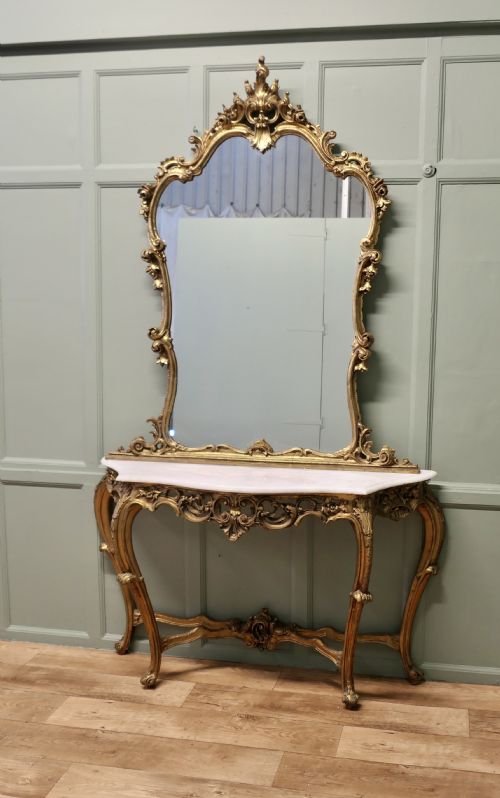
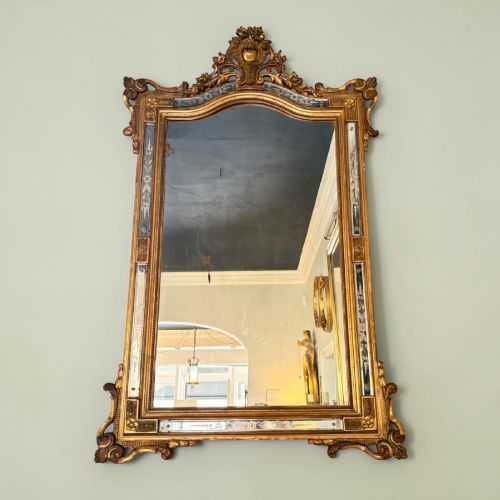
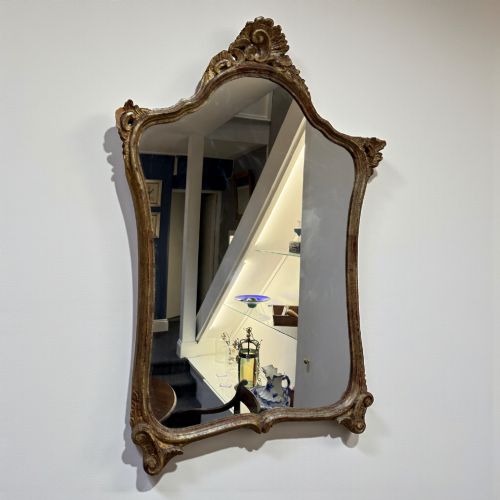
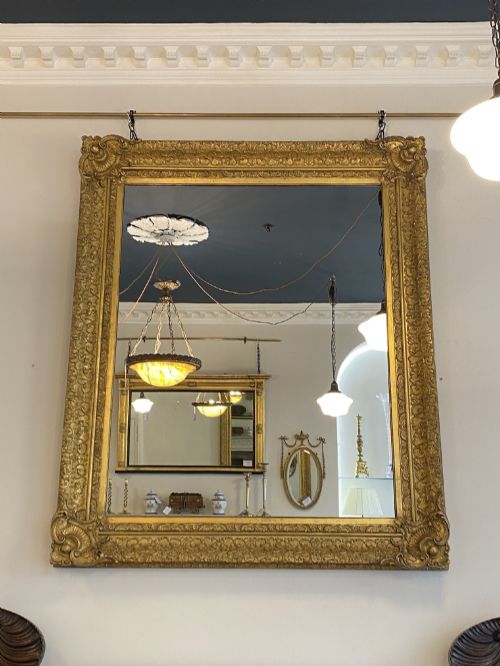
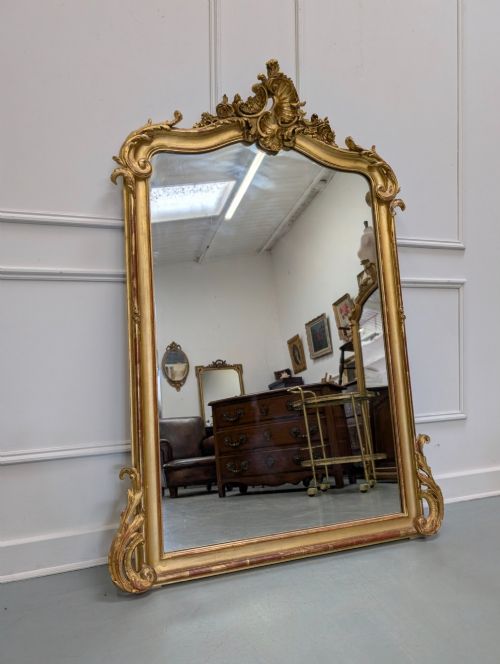
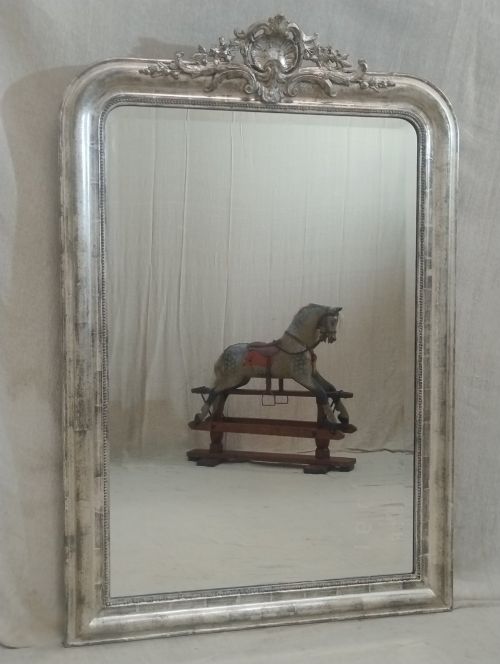
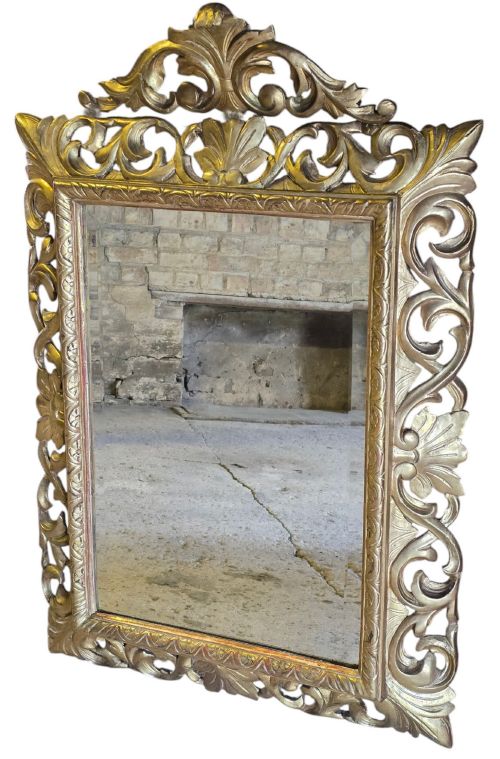
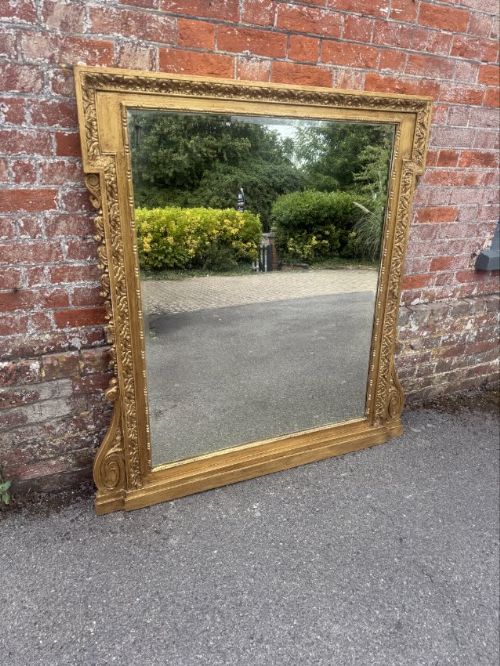
When searching for 19th century ornate mirrors, buyers encounter an array of wall mirrors, overmantel glasses and pier mirrors spanning from the 1850s to the close of the century. The pieces recorded here predominantly reflect Victorian and French decorative traditions, alongside Florentine and Chinese Chippendale styles.
The most common forms on this page are large overmantel mirrors and tall wall glasses designed to command a room. These objects incorporate elaborate frames built to reflect light and expand the apparent space of nineteenth-century reception rooms.
Materials and construction
Makers constructed the foundational frames of these pieces using carved wood, oak or composition materials built up with layers of gesso. Artisans then applied gold leaf, oil gilt or paint to create the luminous surfaces characteristic of the period.
Mirrors utilise heavy glass plates, occasionally showing natural foxing or slight distress accumulated over time. Bronze mounts, champlevé enamel and cast iron details also appear in specific dressing table and hall pieces.
Listings span French Louis XV style, Florentine, and Chinese Chippendale aesthetics alongside standard Victorian productions.
Assessing quality
Quality in these mirrors rests upon the depth and crispness of the carved ornament. Hand-carved wooden frames demonstrate superior sculptural execution compared to simpler moulded composition work.
The integrity of the original gilding and the preservation of the antique mirror plate further distinguish exceptional pieces. Examples retaining their initial surface treatment and heavy proportion hold distinct material character.
The 19th Century Ornate Mirrors Glossary
- Gesso
- A plaster-like mixture applied to wooden frames as a base for gilding or painting. It allowed artisans to sculpt intricate relief ornament before applying gold leaf.
- Giltwood
- Timber coated with gold leaf or gold paint. This finish provided the brilliant reflective quality desired in formal nineteenth-century interiors.
- Overmantel mirror
- A large horizontal mirror specifically designed to hang above a fireplace mantelpiece. These pieces often anchored the decorative scheme of a Victorian reception room.
- Girandole
- A decorative wall mirror featuring integrated candle sconces attached to the frame. The polished glass and gilt surfaces multiplied the flickering candlelight.
- Foxing
- Age-related spots and discolouration within the silvering of a mirror plate. This natural oxidation indicates genuine antiquity and original glass.
19th Century Ornate Mirrors: Frequently Asked Questions
Where should an overmantel mirror be hung?
These large glasses are traditionally positioned directly above a fireplace mantelpiece to draw the eye upward and reflect natural light across the room.
They also function effectively on principal living room walls when secured adequately to handle the substantial weight of the timber and gesso frame.
How do I distinguish French styles from Victorian pieces?
French examples from this era frequently display asymmetrical Rococo Revival scrolls and Louis XV cartouches derived from continental design traditions.
Victorian pieces made in England often favour heavier symmetrical proportions, architectural breakfronts and robust gilt plaster mouldings.
What causes foxing on antique mirror glass?
Foxing occurs when moisture gradually penetrates the protective backing behind the glass plate over many decades of exposure.
This chemical reaction creates characteristic dark spots and cloudy patches that collectors value as proof of an undisturbed original surface.
Are girandole mirrors functional?
Girandoles incorporate attached candle sconces designed to hold wax tapers and amplify illumination in dimly lit nineteenth-century rooms.
While modern homes rarely rely on them for primary lighting, the integrated metal arms remain a key decorative feature of the style.