


19th Century Office Furniture
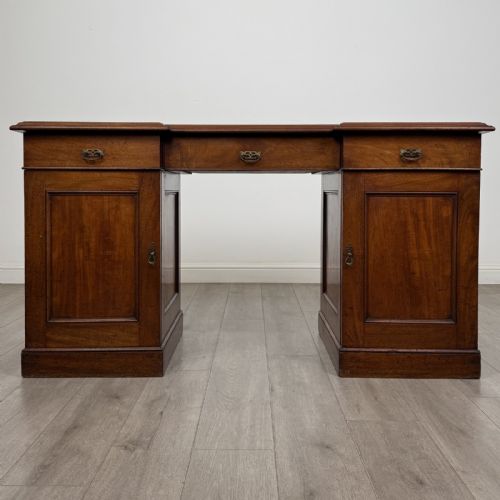
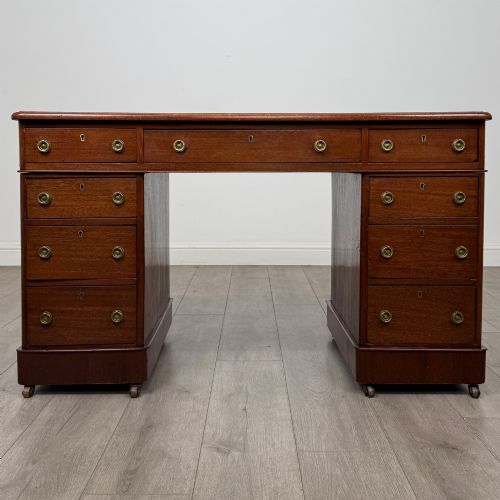
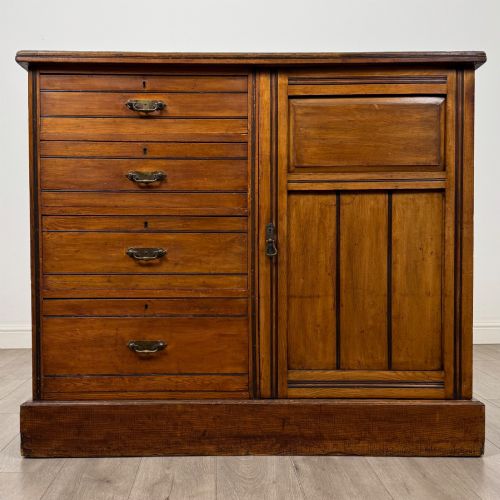
These 19th century office furniture pieces, spanning desks and filing cabinets in mahogany and walnut, provide the functional workspace sought by collectors today.
19th Century Office Furniture
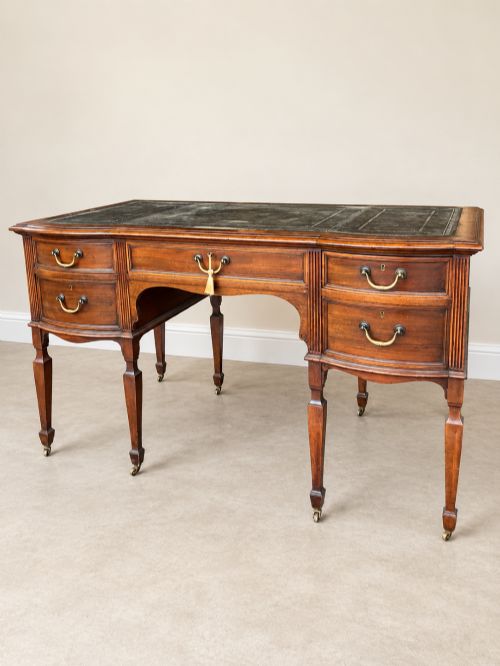
When searching for 19th century office furniture, buyers encounter a diverse range of functional pieces designed for professional and domestic workspaces. The selection spans pedestal desks, partners desks, writing tables, Davenport desks, and filing cabinets.
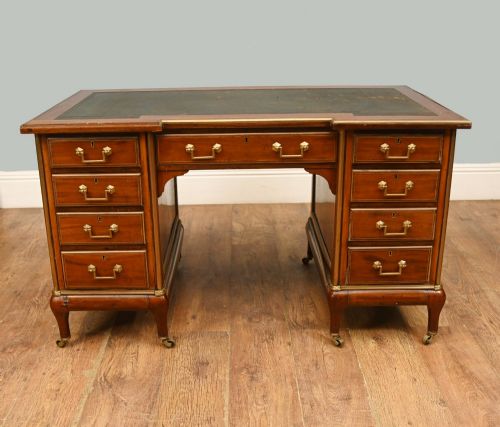
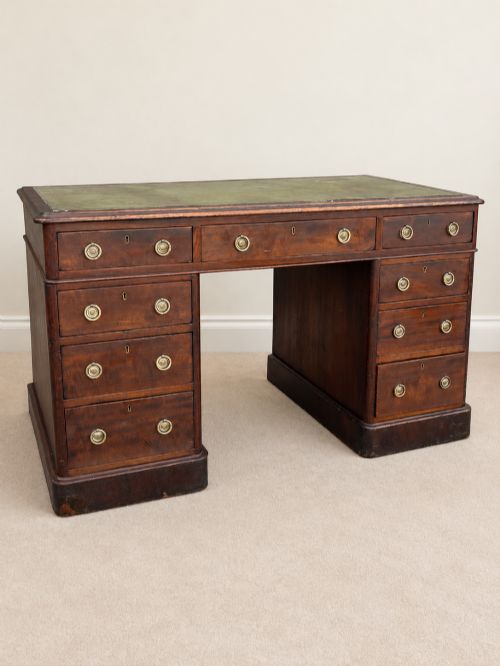
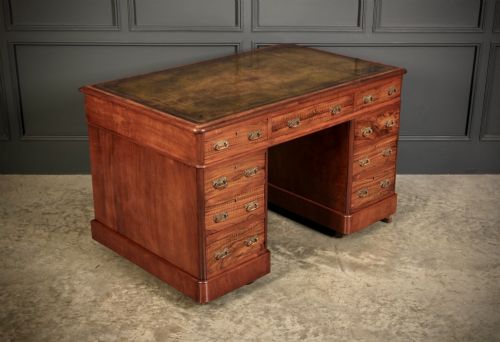
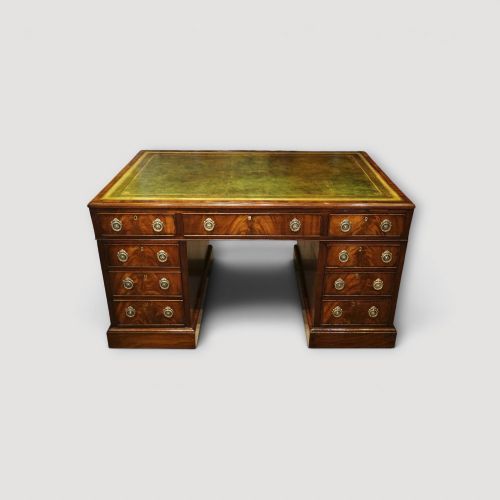
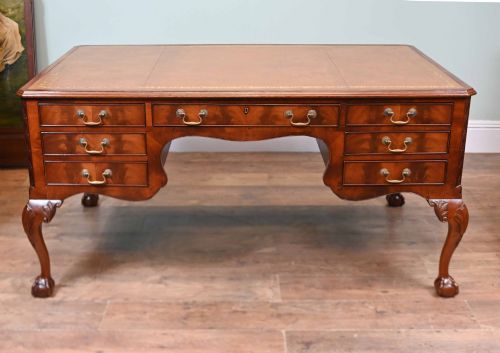
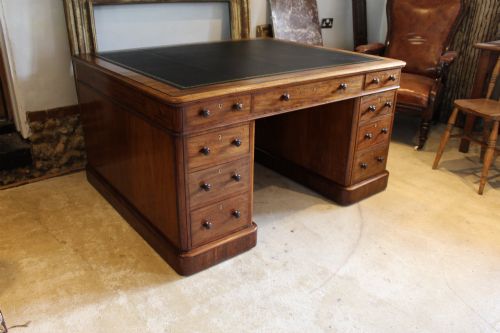
Pedestal desks and larger partners desks form the most common domestic and institutional forms on this page. These heavy timber pieces date from the Victorian era and earlier decades, utilising durable hardwoods built for daily administrative work.
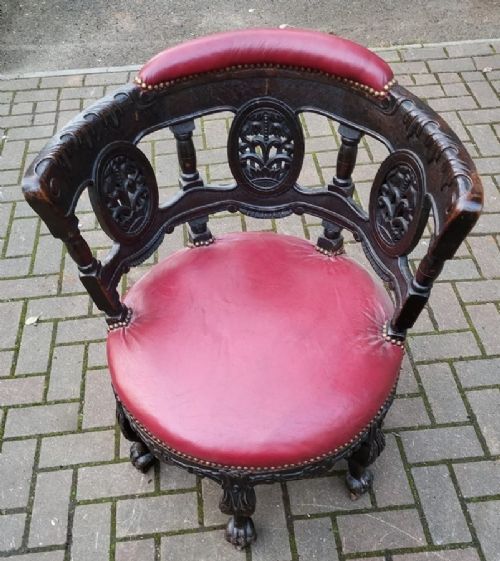
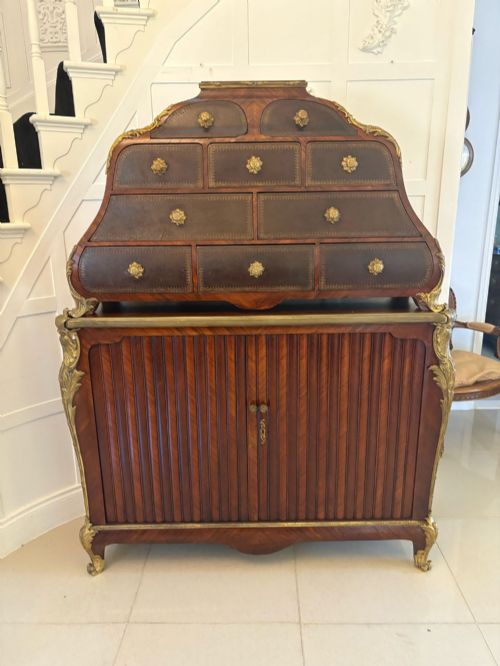
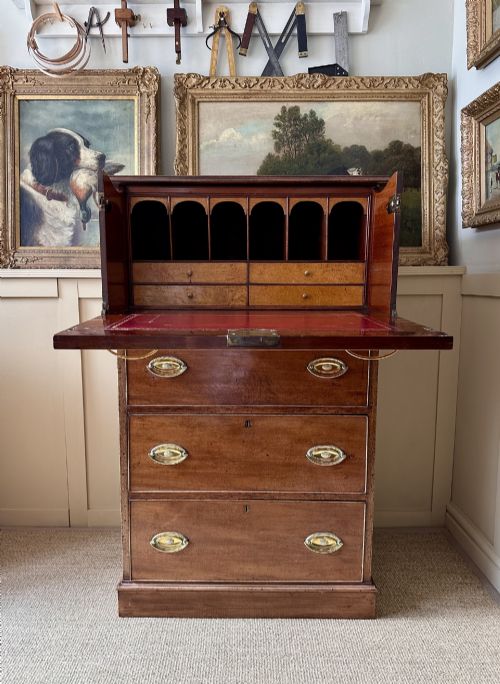
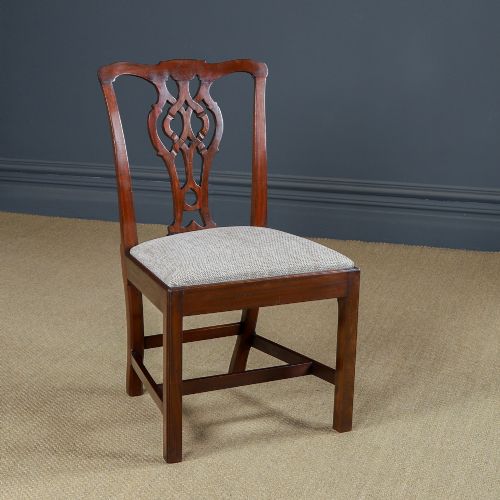
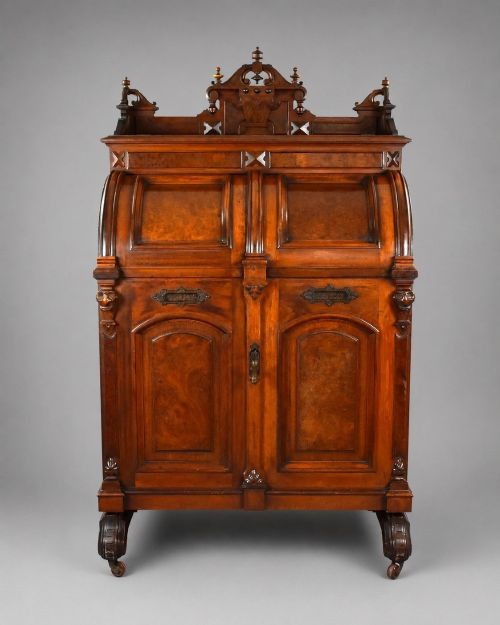
Alongside standard desks, the inventory encompasses specialised items such as campaign furniture, cartonnier cabinets, and dedicated desk chairs. These objects reflect the varied administrative and writing habits of the period, executed in regional British styles and continental revivals.
Materials and construction
Cabinet makers utilised dense timbers such as mahogany, walnut, burr walnut, and oak to construct the structural carcasses of these desks and cabinets. Exotic veneers like kingwood, rosewood, and amboyna frequently overlay primary carcase woods on high-status French and English pieces.
Surface detailing relies on inset leather writing surfaces, brass hardware, ormolu mounts, and gilt bronze elements. Campaign and military pieces incorporate brass bound corners and recessed handles for transport, while period chairs and tables employ traditional joinery and turned supports.
19th Century Office Furniture Retail Price Guide 2026
Typical asking prices for 19th century office furniture among the pieces listed under this phrase on Sellingantiques today, from the lower quarter to the upper quarter. They describe what is for sale here now, not the wider market.
Some desks conceal secret compartments behind hidden panel springs for storing private correspondence.
Distinctions in quality
The standard of timber selection and veneer matching defines the visual merit of an item, distinguishing workshop output from mass production. Figured grains such as burr walnut and flame mahogany elevate the appearance of primary surfaces.
Internal secondary timbers, drawer linings, and the execution of carved or mounted ornamentation reveal the degree of workshop care. Original hardware, fitted desk interiors, and intact leather surfaces indicate superior survival and historical integrity.
Trollope and sons·Charles Andrea Nosotti·Heal and son·Maple and Co·Simpsons of Kendall·Gillingtons of Dublin
The 19th Century Office Furniture Glossary
- Partners Desk
- A large double-sided desk designed for two people to work opposite one another, featuring drawers and cupboards on both sides.
- Davenport
- A compact compact writing desk featuring a sloping lid with a leather insert and a set of drawers accessed from the side.
- Ormolu
- Gilded bronze ornamentation applied to furniture, characteristic of French Neoclassical and revival pieces.
- Cartonnier
- A stationary cabinet containing pigeonholes or drawers for holding papers, often mounted to the top of a desk.
- Campaign Furniture
- Portable furniture designed for military officers, distinguished by brass corners, flush handles, and sectional construction.
19th Century Office Furniture: Frequently Asked Questions
What is a partners desk?
A partners desk is a double-sided pedestal desk designed so two individuals can sit and work opposite each other. These substantial pieces typically feature banks of drawers and cupboards accessible from both sides.
Cabinet makers constructed them from timbers such as mahogany and oak, often incorporating inset leather writing surfaces. They served primarily in large libraries, banks, and stately homes.
How do I identify a Davenport desk?
A Davenport desk is a compact writing desk characterised by a sloping, hinged writing surface usually lined with leather. The body incorporates a set of drawers that open to the side rather than the front.
Many examples feature a small stationery compartment on top and rest on casters. They appeared widely during the Victorian era in burr walnut and mahogany.
What materials were used?
The primary structural materials for these pieces are solid hardwoods, predominantly mahogany, walnut, and oak. Cabinet makers also applied decorative veneers including burr walnut, kingwood, rosewood, and satin birch.
Surface enrichment frequently includes brass hardware, ormolu mounts, and hand-tooled leather writing surfaces. Secondary internal woods often consist of pine or oak.
Are campaign desks portable?
Campaign desks were originally built for military officers on active service abroad, requiring furniture that could be easily dismantled and transported. They feature structural details such as recessed brass handles and protective brass corners.
These pieces use durable timbers like mahogany and padauk to withstand travel. Today they function as distinctive writing tables in domestic settings.
How do I clean leather desk tops?
Leather desk inserts require gentle maintenance to preserve the material and any gilt tooling. Cleaning involves wiping dust away with a soft cloth and applying a specialised leather conditioner.
Harsh chemical cleaners and excessive water must be avoided to prevent staining or cracking the leather surface. Maintaining the leather preserves the original character of the writing area.