



19th Century Oak Footstool
These 19th century oak footstool examples offer solid timber construction and period character, bringing traditional seating into domestic interiors.
19th Century Oak Footstool
A 19th century oak footstool is a low seating piece designed for domestic comfort, frequently appearing in heavy vernacular forms or revival styles across this marketplace. Buyers encounter pieces spanning the nineteenth century, including Victorian interpretations and items drawing on earlier aesthetic traditions.
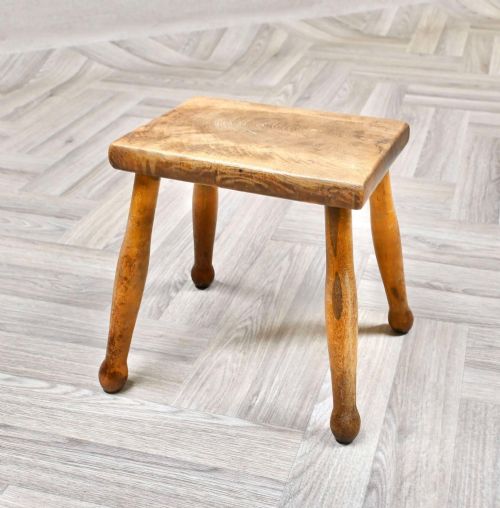
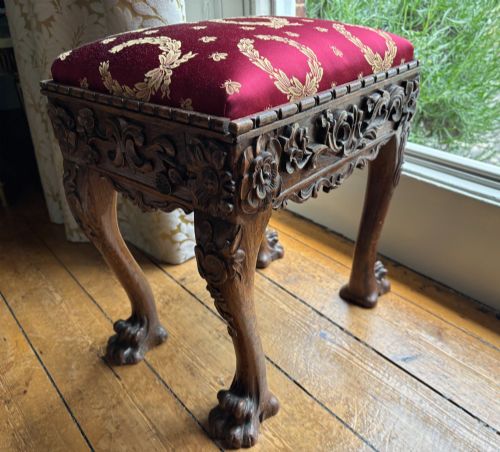
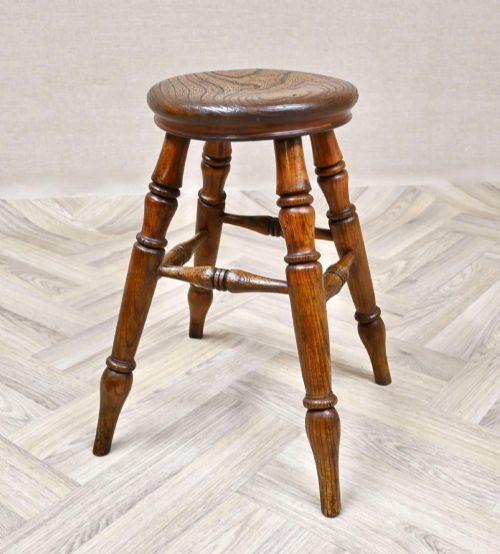
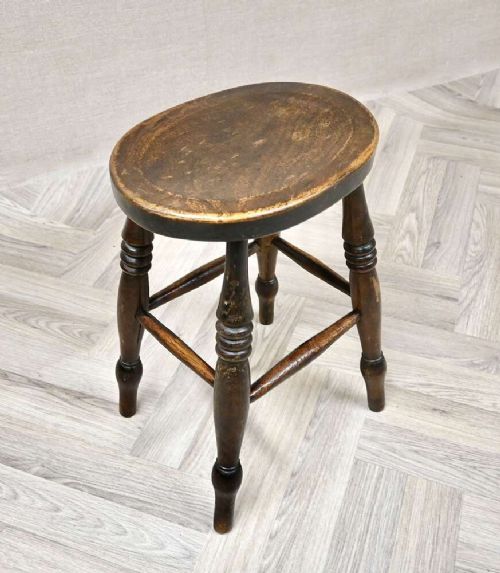
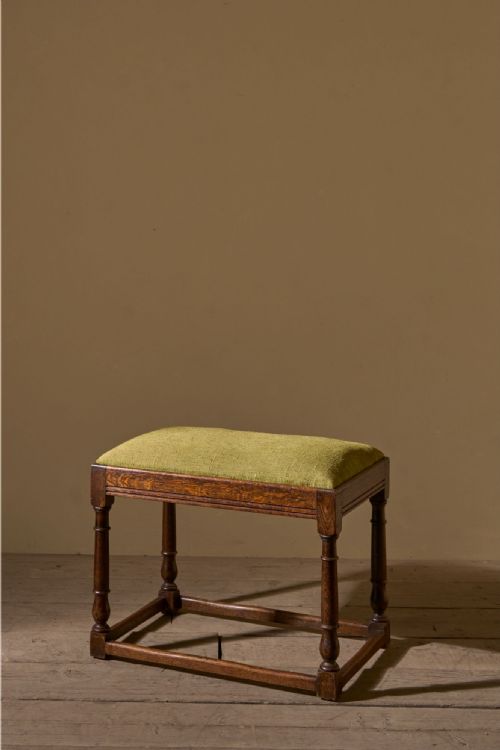
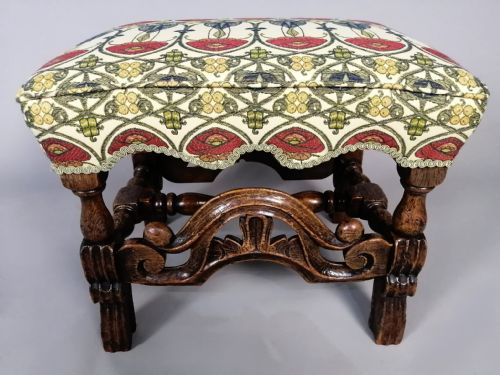
The selection here encompasses various utilitarian and decorative designs, from rustic farmhouse stools to carved pieces featuring heraldic motifs, claw-and-ball feet, and turned legs. Many examples incorporate upholstered elements such as green linen, fabric, or leather tops.
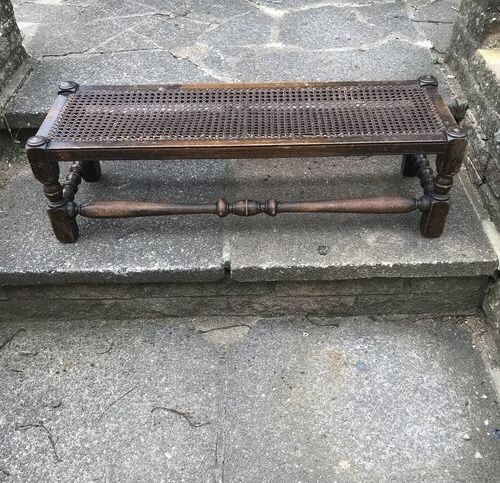
Originating largely from British and English country traditions, these items serve functional roles as hearth stools, dressing table seats, and occasional footstools. The forms range from simple turned wood structures to architectural Gothic Revival and Carolean revival items.
Materials and Construction Techniques
Makers utilised solid oak alongside elm and other hardwoods for structural stability, shaping timber through turning, joinery, and detailed hand-carving. Surface embellishments occasionally include parcel gilt highlights or apotropaic markings.
Upholstered variants rely on traditional stuffing and textile application, utilising heavy green linen, leather, or linen secured to the wooden frame. Brass elements and turned wooden components provide structural reinforcement and decorative detail.
19th Century Oak Footstool Retail Price Guide 2026
Typical asking prices for 19th century oak footstool among the pieces listed under this phrase on Sellingantiques today, from the lower quarter to the upper quarter. They describe what is for sale here now, not the wider market.
Listings feature oak, elm, brass, leather, and linen, spanning periods from the 18th century through to 1910.
Distinctions in Quality
Quality rests upon the crispness of hand-carved details, such as heraldic lion rampant motifs or Gothic tracery, compared against simpler machine-cut or plain surfaces. The structural integrity of the timber joints and the weight of the oak define the sturdiness of each piece.
The choice of secondary materials and upholstery standard also differentiates examples, with heavy green linen and leather seating reflecting higher execution. Provenance and adherence to specific historical revival styles further distinguish superior pieces from utilitarian work.
Liberty
The 19th Century Oak Footstool Glossary
- Apotropaic mark
- A carved symbol intended to ward off evil spirits. These marks appear on domestic woodwork from earlier periods.
- Claw-and-ball foot
- A furniture foot carved to resemble a bird's talon grasping a ball. This feature is common in revival furniture designs.
- Carolean revival
- A nineteenth-century style imitating the ornate carved furnishings of the reign of Charles II. It utilises rich oak carving and turned supports.
- Windsor stool
- A sturdy wooden seat constructed with turned legs socketed into a thick slab or plank top. These pieces reflect traditional country craftsmanship.
- Parcel gilt
- Wood or carving partially decorated with gold leaf. This technique highlights specific ornamental details on Victorian seating.
19th Century Oak Footstool: Frequently Asked Questions
What is a 19th century oak footstool?
A 19th century oak footstool is a low wooden seating accessory constructed primarily from solid oak during the eighteen hundreds. These pieces range from plain utilitarian country forms to highly carved Gothic and Victorian revival designs.
They function as supportive rests for the feet or as small occasional seats in domestic spaces. Their construction typically incorporates traditional joinery and turned woodwork.
How do I identify a Victorian oak footstool?
Victorian oak footstools often display period stylistic traits such as Gothic Revival tracery, heavy turned legs, or carved heraldic motifs. The use of dense oak combined with upholstery like heavy green linen points toward nineteenth-century manufacture.
Examination of the timber and joining methods helps confirm the age and regional origin of the piece. Revival styles from this era frequently imitated earlier seventeenth or eighteenth-century aesthetics.
Where were these footstools used?
These footstools were placed near hearths, dressing tables, and seating areas within English country houses and domestic interiors. Their low profile provided functional comfort for resting feet or served as convenient low seats.
Certain specialised forms, such as doublet prayer stools or occasional stools, suited specific rooms and daily household activities. Their robust construction allowed them to withstand heavy daily use.
How should I care for an antique oak stool?
Antique oak benefits from minimal cleaning using a soft dry cloth to remove dust without damaging the timber or polish. Keeping the piece away from direct heat sources and excessive moisture preserves the natural wood and any historic upholstery.
Applying occasional appropriate wax polish helps maintain the finish of the oak. Upholstered sections require gentle brushing or professional textile care depending on the fabric.