


19th Century Metal Bed
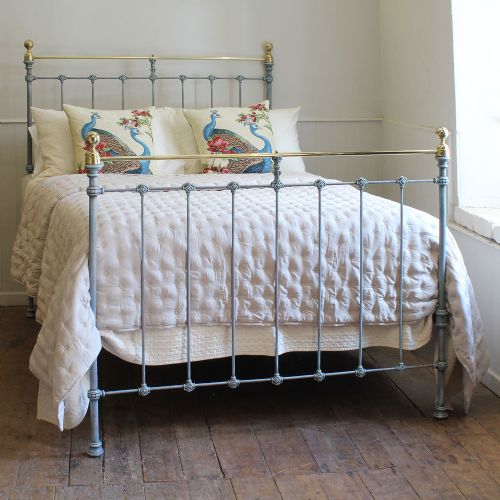
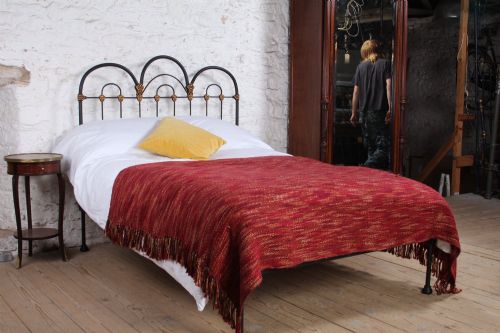
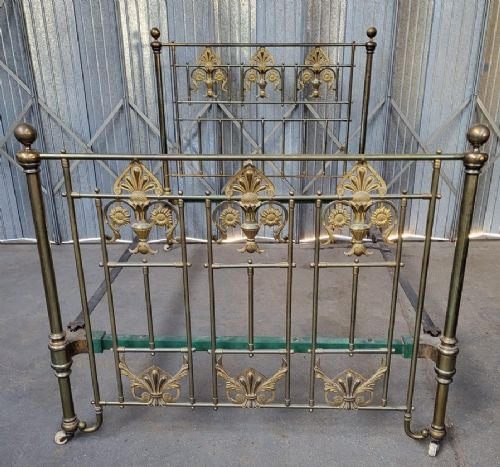
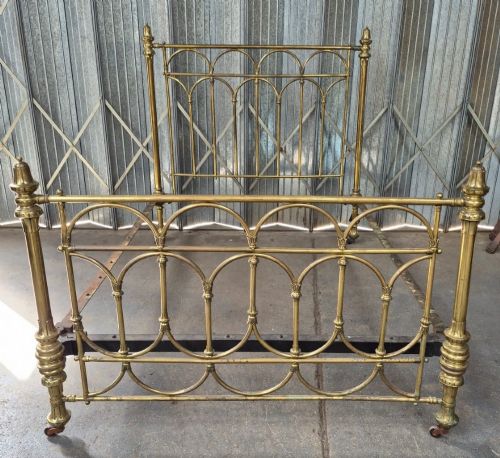
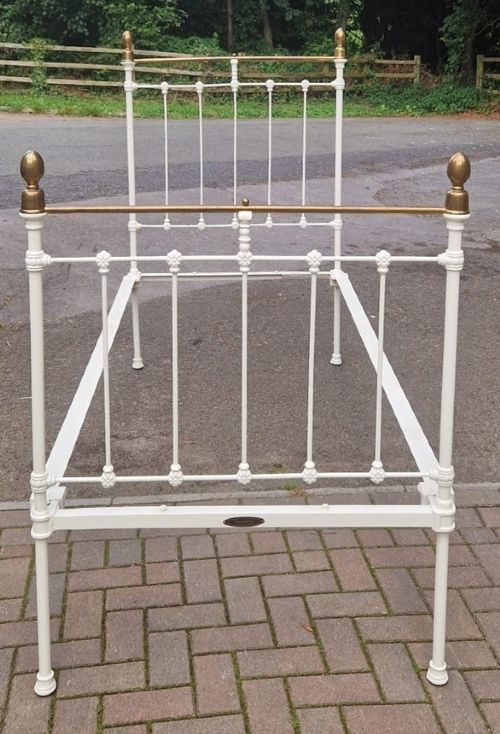
These 19th century metal bed examples bring lasting solidity and period character to a bedroom through robust brass and iron construction.
19th Century Metal Bed
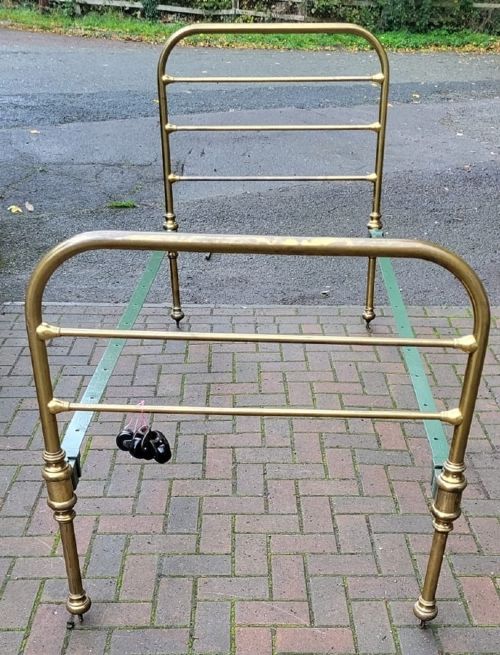
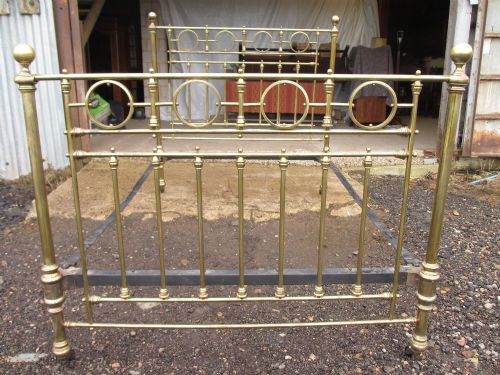
A 19th century metal bed typically takes the form of a brass or iron bedstead, often dating from the Victorian era. Buyers searching for a 19th century metal bed encounter various sizes ranging from single to king and super king dimensions.
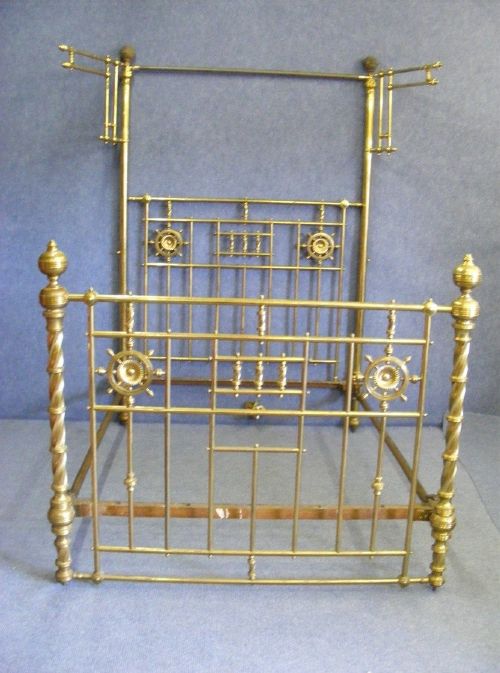
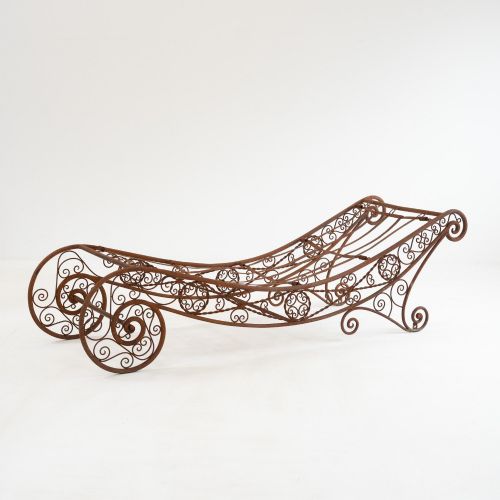
The selection frequently includes half tester beds, four poster beds, and simpler straight rail frames. Pieces originate from British workshops as well as French, Austrian, and Italian makers, occasionally spanning into specialised garden daybeds.
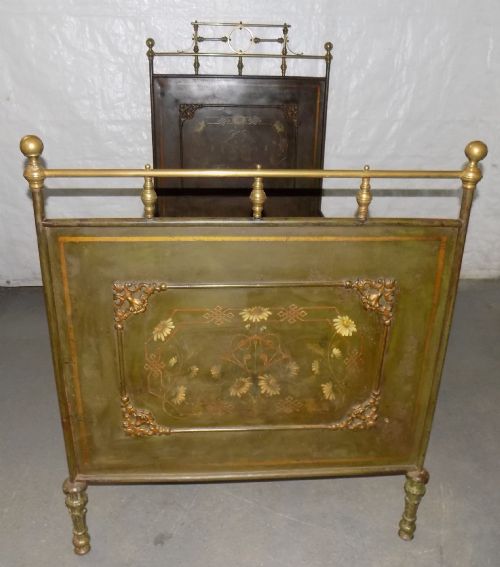
Victorian examples dominate the selection, appearing alongside continental toleware pieces and specific revival styles such as Gothic Revival and Aesthetic Movement designs.
Materials and construction
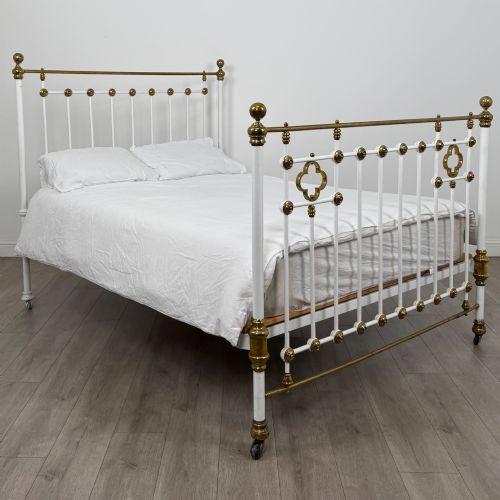
Makers utilised brass, cast iron, wrought iron, and sheet metal to build these frames, often combining iron structural supports with decorative brass components. Paint and ceramic details appear on specific frames to add colour and texture to the metalwork.
Frames incorporate slot-in iron systems set on castors for mobility, while more elaborate pieces feature ornate castings and half tester canopies. Construction methods balance heavy-duty load-bearing iron with polished or toleware-painted brass fittings.
One exceptional 19th century brass four poster bed was built specifically for the Prince of the Ottoman Empire.
Distinctions in craftsmanship
Quality separates simple utility frames from pieces bearing documented maker attributions and intricate gothic or aesthetic movement detailing. The weight and casting clarity of the brass and iron elements dictate the refinement of the bedstead.
Original finishes, including authentic painted metal and undisturbed brass patination, distinguish superior survivals from later alterations. The presence of specialised configurations like half testers or four poster frames elevates the design standard.
RW Winfield·James Shoolbread & Co
The 19th Century Metal Bed Glossary
- Bedstead
- The framework of a bed, consisting of headboard, footboard, and rails. This term frequently describes the complete metal structure surviving from the period.
- Half Tester
- A canopy projecting from the wall or headboard over the upper half of a bed. These frames support drapery above the pillow area.
- Toleware
- Metalware painted or lacquered, often in tin or sheet metal forms. Continental pieces utilise this technique for decorative colour on bed frames.
- Castor
- A small wheel mounted on a swivel attached to the legs of a bed. They allow heavy iron and brass frames to move across flooring.
19th Century Metal Bed: Frequently Asked Questions
How do I assemble a 19th century metal bed?
Most antique metal beds use a slot-in iron frame system where the side rails wedge securely into the headboard and footboard sockets without requiring modern screws.
Once the primary frame locks into position, you attach any supplementary castors or decorative finials by hand before placing the mattress base inside.
Will a standard modern mattress fit these antique beds?
Many 19th century metal beds were built to Victorian sizing conventions, which can differ slightly from contemporary standard mattress dimensions. It is essential to measure the internal length and width of the side rails precisely.
Custom or bespoke mattress suppliers can easily build a piece to fit older king, double, or single metal frames without altering the historic structure.
How do I care for antique brass and iron?
Maintain brass components by dusting regularly with a soft cloth to prevent grime accumulation, avoiding harsh chemical polishes that strip historical patination. Painted iron or toleware surfaces require only gentle cleaning with a dry or barely damp cloth.
Keep the metal away from damp environments to protect structural iron from rust and preserve the integrity of original painted finishes.
How do I identify a Gothic Revival metal bed?
Gothic Revival metal beds display architectural motifs derived from medieval buildings, including pointed arch forms, trefoils, and heavy structural framing. These elements reflect nineteenth-century design revivals championed by specific makers.
The integration of structural iron with ornamental brass often mimics stonework proportions adapted for domestic bedroom furniture.