



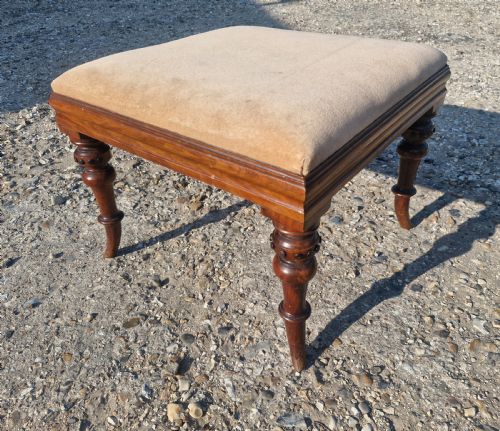
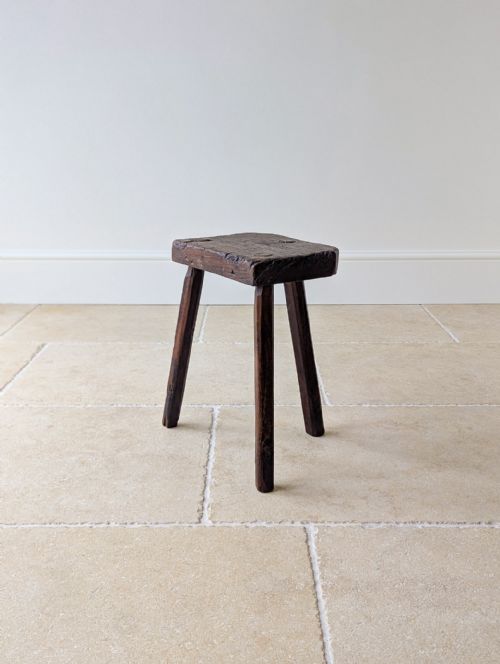
19th Century Low Stool
A 19th century low stool offers modest seating or a footrest, bringing handcrafted utility and regional character into a room.
19th Century Low Stool
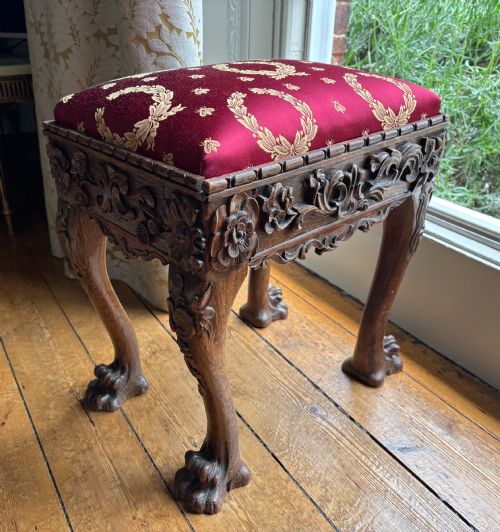
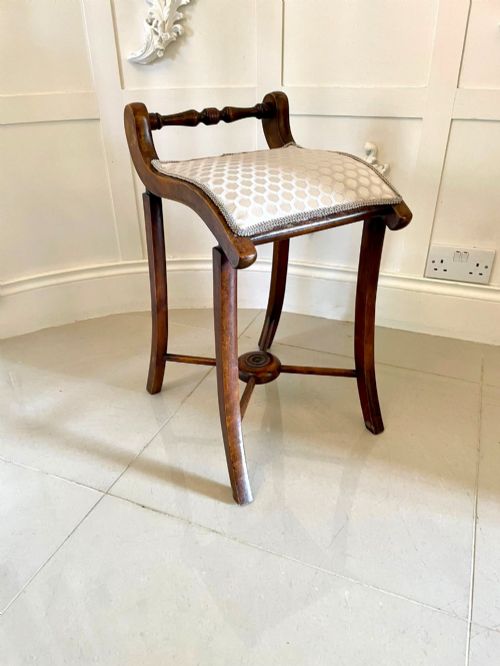
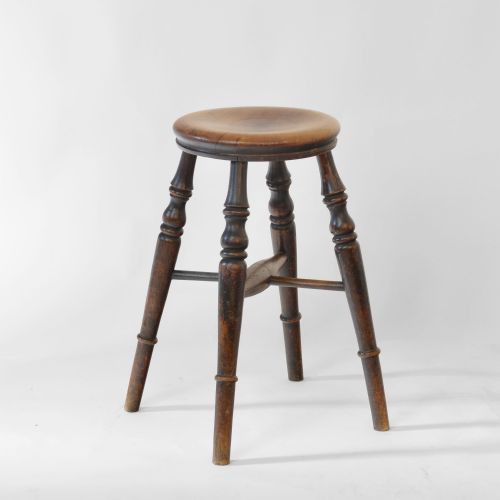
A 19th century low stool encompasses domestic seating, footstools, and work benches produced during the Victorian, Regency, and wider nineteenth-century periods. These items range from simple vernacular milking stools and pub seating to formal dressing stools and upholstered footstools.
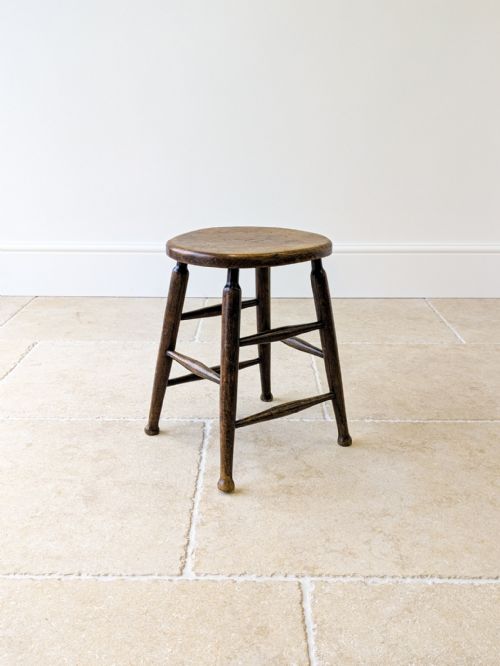
Domestic examples often double as footrests or hearth seating, whilst specialised workshop seating includes vernacular ash and elm designs. Walnut, mahogany, and rosewood frequently appear in more formal Victorian or continental iterations.
How they were made
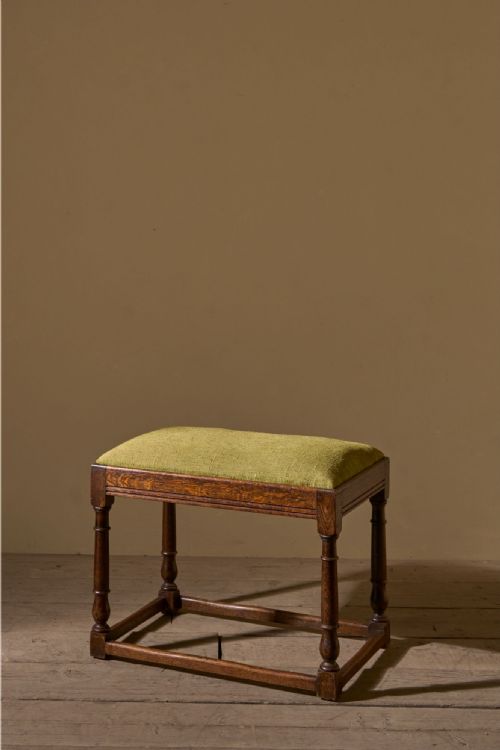
Makers utilised native timbers such as oak, elm, ash, and sycamore alongside imported hardwoods like mahogany and rosewood. Construction methods rely on traditional joinery, including jointed frames, turned legs, and pegging.
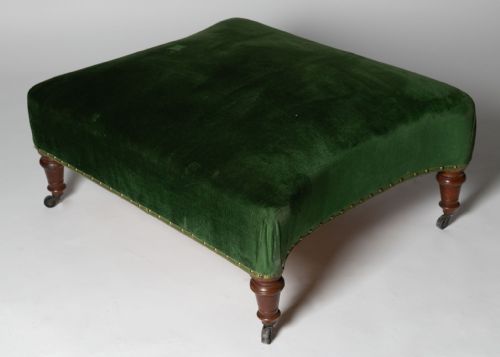
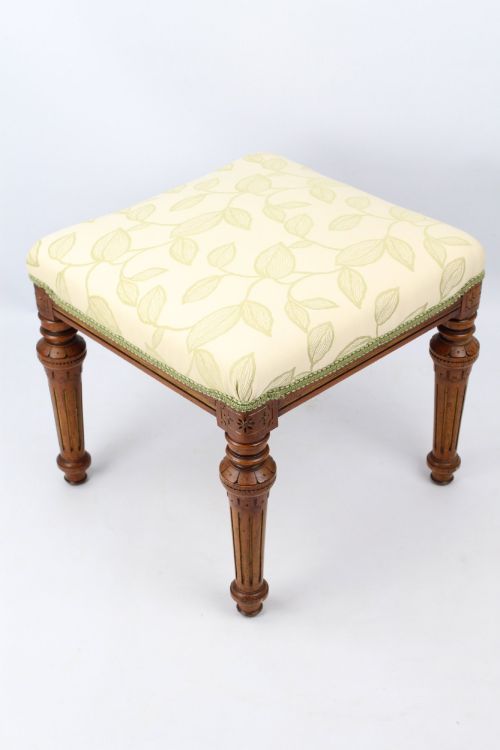
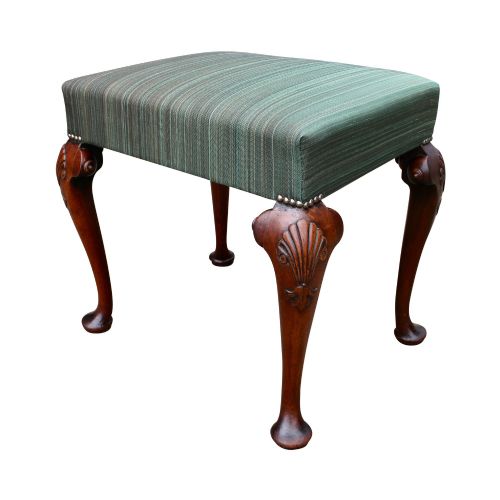
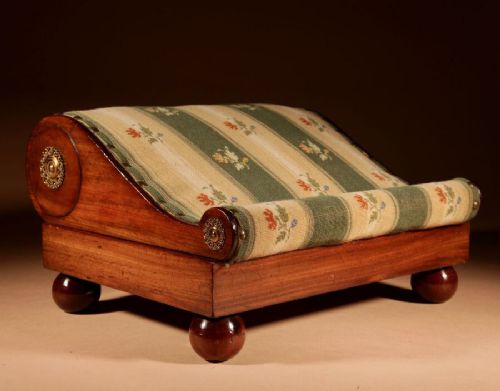
Upholstered variants incorporate fabrics, green linen, leather, and woven rattan supported by internal stuffing or cane work. Gilded and painted finishes frequently adorn continental and Victorian revival pieces.
19th Century Low Stool Retail Price Guide 2026
Typical asking prices for 19th century low stool among the pieces listed under this phrase on Sellingantiques today, from the lower quarter to the upper quarter. They describe what is for sale here now, not the wider market.
Listings include oak, mahogany, rosewood, and elm woods alongside original paint and textile upholstery.
What varies in quality
The division between everyday utility pieces and finer examples rests on timber selection, carving depth, and structural complexity. Plain vernacular milking stools rely on honest function and original paint, whereas formal dressing stools exhibit precise turnings, inlays, or giltwood moulding.
The integrity of original upholstery textiles, cane seating, and surface finishes heavily influences the character of each piece. Maker stamps and documented design origins elevate certain formal specimens above standard workshop output.
Brown and Lamont·Mathew Gregson·Loidrault Freres Paris
The 19th Century Low Stool Glossary
- Vernacular stool
- Regional furniture built by local joiners or coopers using accessible native woods like elm and ash for daily utility. These pieces prioritise function over formal stylistic trends.
- Milking stool
- A low, three-legged or four-legged seat traditionally used for agricultural labour. They display simple timber tops fixed to splayed legs.
- Dressing stool
- An upholstered seat designed for use at a vanity or dressing table, frequently carved in Victorian or revival styles. They often feature padded tops covered in fabric or leather.
- Hearth stool
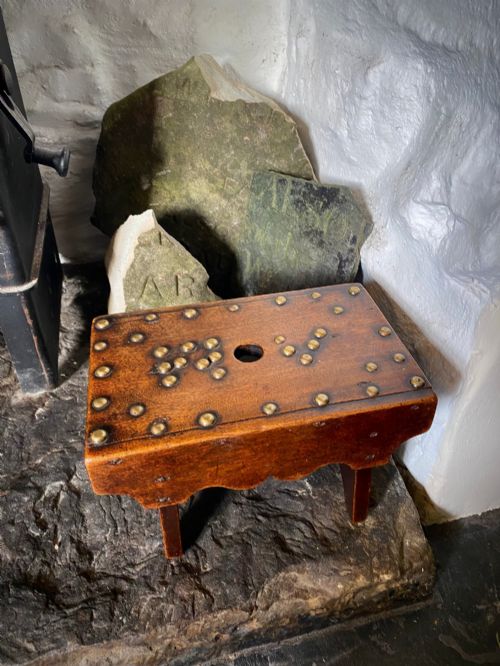
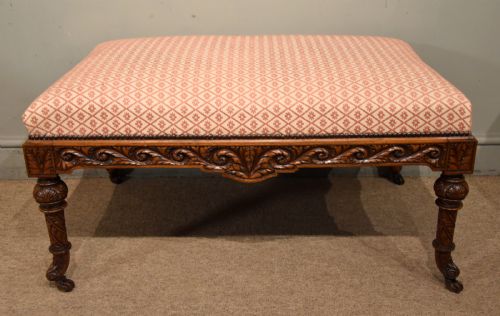
- A long, low seat positioned near a fireplace for warming feet or resting close to the fire. They share proportions with low footstools and long benches.
- Giltwood
- Timber coated with a thin layer of gold leaf or gold paint. This technique appears on decorative continental and Victorian revival frames.
19th Century Low Stool: Frequently Asked Questions
How were low stools used?
These low seats served practical purposes around the home, workshop, and farm, functioning as milking seats, tavern perches, and workshop stands. They also provided comfort near the fireplace as hearth stools or supported feet in the parlour.
Larger variations functioned as benches or low tables, accommodating domestic tasks that required a seated position close to the floor.
Where were vernacular stools made?
Vernacular stools emerged from regional workshops across Britain, Ireland, and continental Europe, utilising locally available timber such as oak, pine, sycamore, and elm. Village joiners and agricultural workers built them without pattern books.
Town workshops also produced specialised seating, such as Birmingham jeweller's stools designed for specific trade requirements.
How do I care for antique upholstery?
Preserving original fabrics, green linen, or leather requires gentle dusting and protection from direct sunlight to prevent textile degradation and fading. Avoid harsh chemical cleaners on fragile nineteenth-century surfaces.
Where cane or woven rattan seats are present, maintaining moderate room humidity helps prevent the natural material from drying out and snapping.
What defines a Victorian footstool?
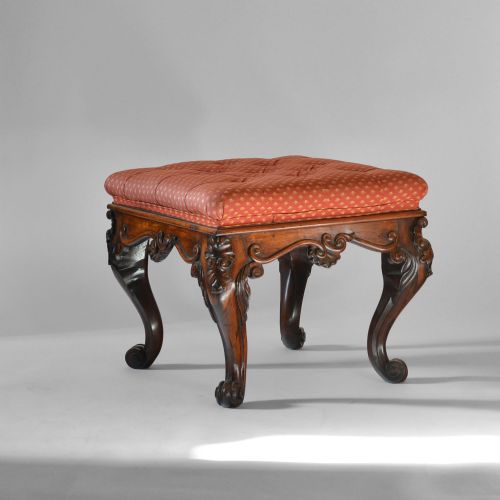
Victorian footstools often incorporate turned wooden legs, exposed walnut or mahogany frames, and dense upholstery like deep-buttoned leather or embroidered textile. Revival styles borrow heavily from earlier historic periods, including Queen Anne and Louis XIV designs.
More decorative versions feature inlaid woodwork, gilded surfaces, or carved rosewood details suitable for formal drawing rooms.