


19th Century Linen Chair
A 19th century linen chair offers classic upholstered comfort, bringing tactile texture and period craftsmanship straight into a modern interior.
19th Century Linen Chair
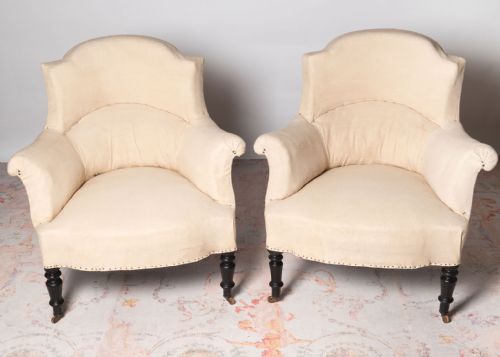
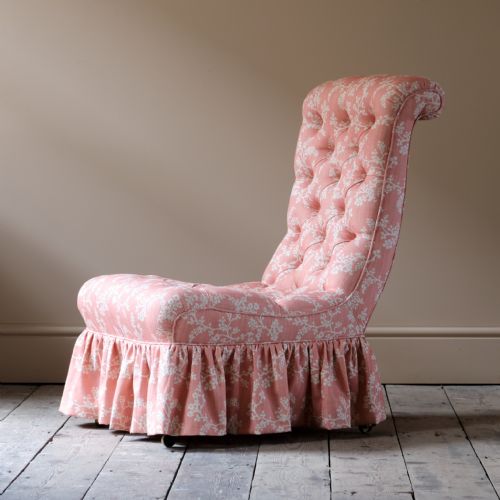
When searching for a 19th century linen chair, buyers encounter a diverse selection of seating ranging from generous wing armchairs to low slipper chairs and ornate French frames. These pieces span the Victorian era, the French Napoleon III period, and distinct decades such as the 1850s, 1880s, and 1890s.
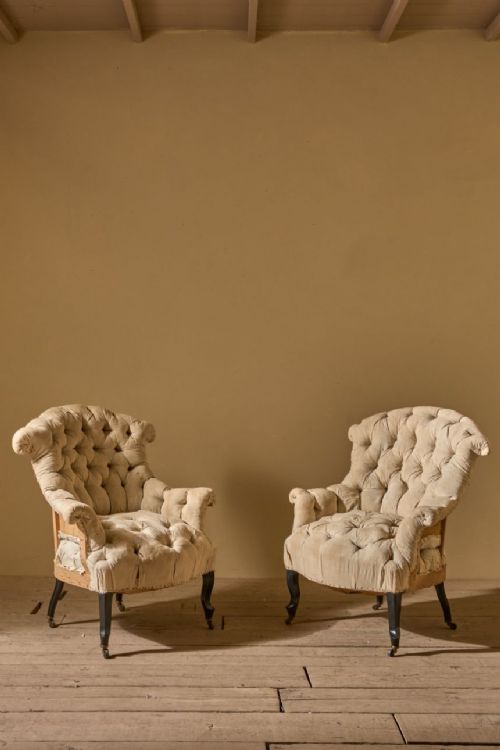
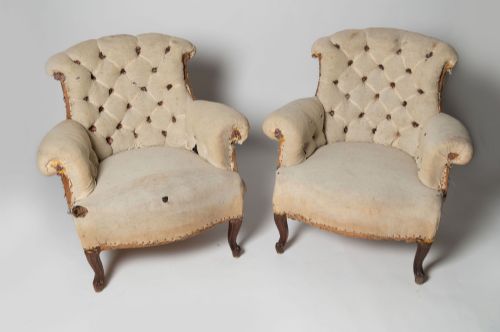
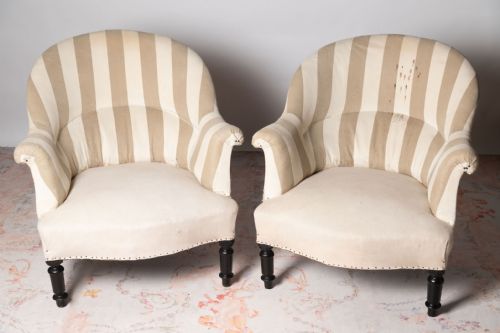
The most common forms on this page include substantial walnut and mahogany wing armchairs, alongside French button-backed armchairs and simpler side chairs. Upholstery frequently utilises neutral or coloured linen and calico, often paired with exposed wooden frames or brass detailing.
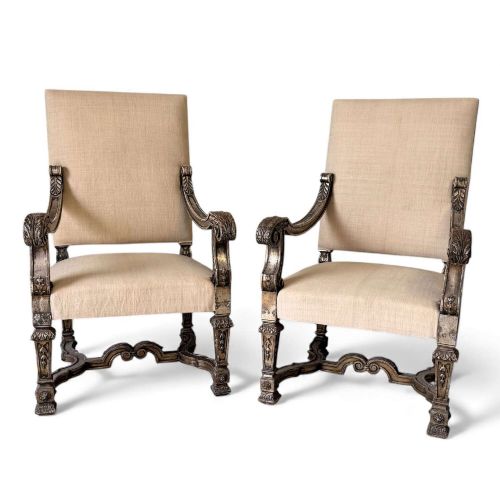
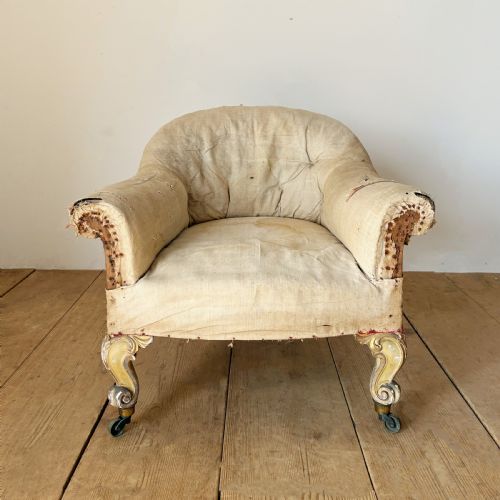
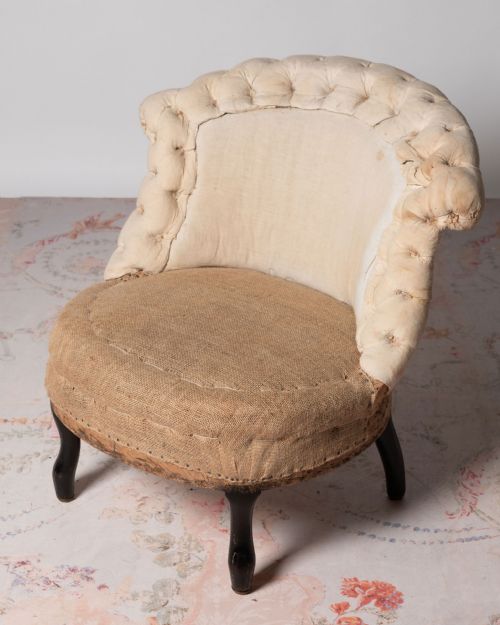
Origin and regional style heavily influence the silhouette, with English designs focusing on sturdy timber proportions while French examples lean towards baroque revival curves, giltwood finishes, and distinctive barrel or tub shapes.
What varies in quality
The sophistication of the timber carving and the integrity of the underlying hardwood frame dictate the upper tier of these chairs. Finer examples display meticulous attention to proportion, particularly in complex shapes like wingbacks, barrel backs, and scrolled French armchairs.
Upholstery execution also separates standard pieces from exceptional ones, seen in the precision of buttoning, the quality of the linen weave, and whether maker signatures or distinctive regional traits are present.
Listings feature multiple wood types including walnut, mahogany, beech, and rosewood, alongside brass and calico components.
Gillows
The 19th Century Linen Chair Glossary
- Wing Armchair
- An upholstered chair with high sides attached to the back to shelter the user from drafts. These pieces often feature deep seating and substantial walnut or mahogany frames.
- Slipper Chair
- A low-seated upholstered chair originally designed for bedrooms to assist with putting on footwear. These items typically lack arms and sit close to the floor.
- Napoleon III
- A French design period spanning the mid to late nineteenth century, characterised by eclectic revivals, buttoned upholstery, and ebonised or giltwood frames.
- Calico
- A plain-woven textile made from unbleached cotton, frequently used as an under-upholstery layer or a neutral covering on nineteenth-century seating.
- Giltwood
- Wood that has been treated with gold leaf or a gold-coloured metallic finish. This technique appears on decorative revival armchairs.
19th Century Linen Chair: Frequently Asked Questions
How do I identify a Victorian armchair?
Victorian armchairs are typically identified by their robust timber frames, such as walnut or mahogany, and substantial proportions designed for comfort. They often feature sprung seats and upholstered backs influenced by mid-to-late nineteenth-century tastes.
Details like turned wooden legs, brass castors, and deep buttoning help distinguish these pieces from earlier or later seating styles.
Where were slipper chairs used?
Slipper chairs were traditionally kept in bedrooms or dressing rooms during the Victorian era. Their low profile made them practical for sitting while dressing.
Today, these compact seats work well in sitting rooms, bedrooms, or reading corners where space is restricted.
Are French and English chairs different?
English nineteenth-century chairs generally focus on sturdy utility and comfort, particularly seen in heavy wing armchairs made from mahogany or walnut. French pieces from the same era often showcase more decorative carved frames, giltwood finishes, and baroque revival curves.
French designs also frequently utilise distinctive silhouettes like barrel backs and buttoned fishtail forms.
How should I care for linen upholstery?
Linen fabric benefits from regular gentle vacuuming with a soft brush attachment to remove dust and prevent particles from settling into the weave. Spot cleaning should be done carefully with appropriate textile cleaners.
Keeping the chair away from direct sunlight prevents the natural linen fibres and exposed timber frames from fading over time.