
19th Century Light
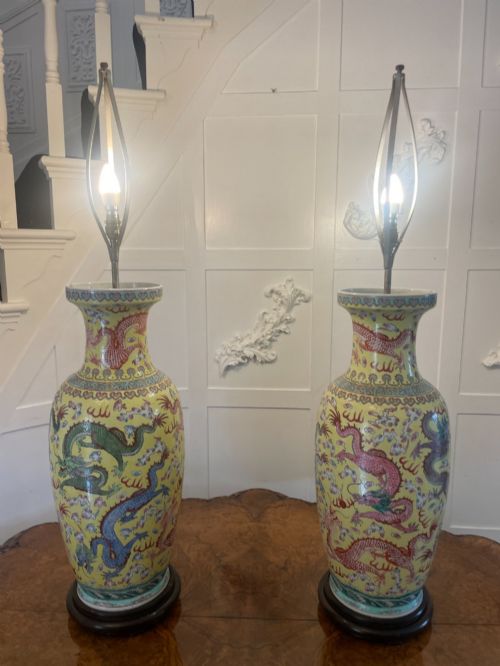
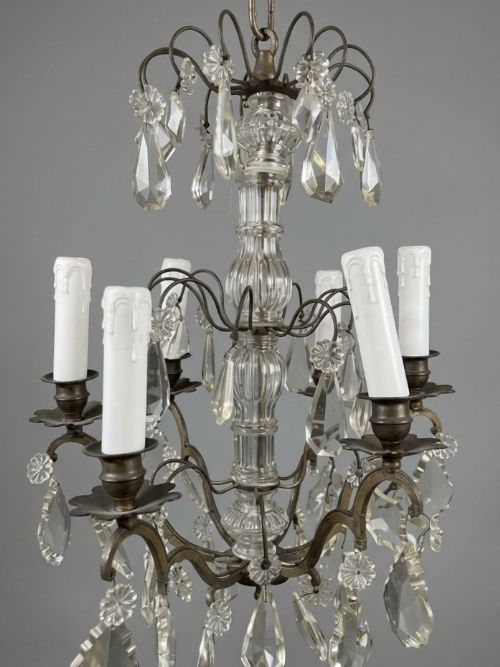
19th century light encompasses chandeliers, candelabra, lanterns, and wall sconces spanning the Victorian, Regency, and Neoclassical periods.
19th Century Light
Collectors seeking 19th century light encounter a diverse array of illumination pieces originating from Britain, France, and the Netherlands. The selection bridges functional utility and decorative artistry through an assortment of table lamps, standard lamps, and hanging fixtures.
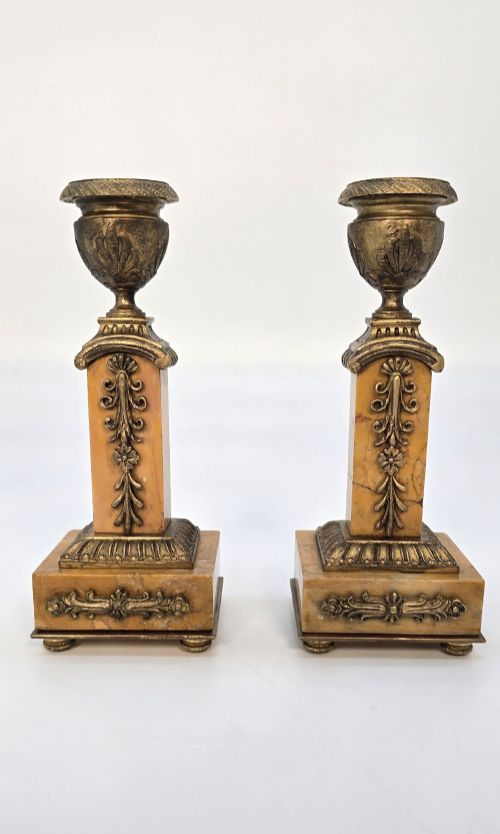
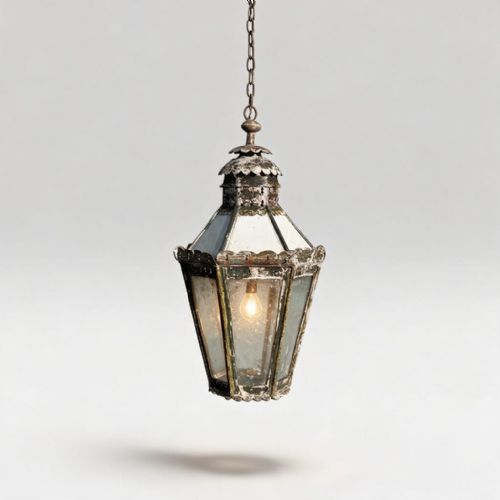
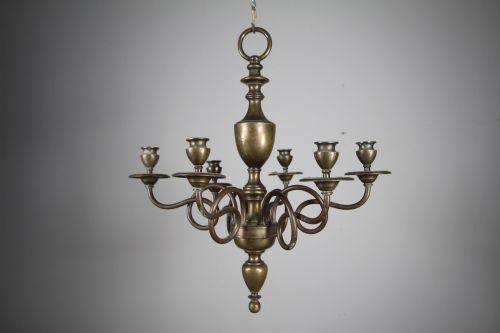
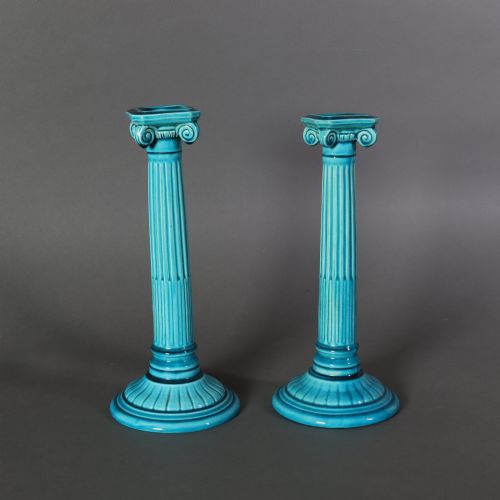
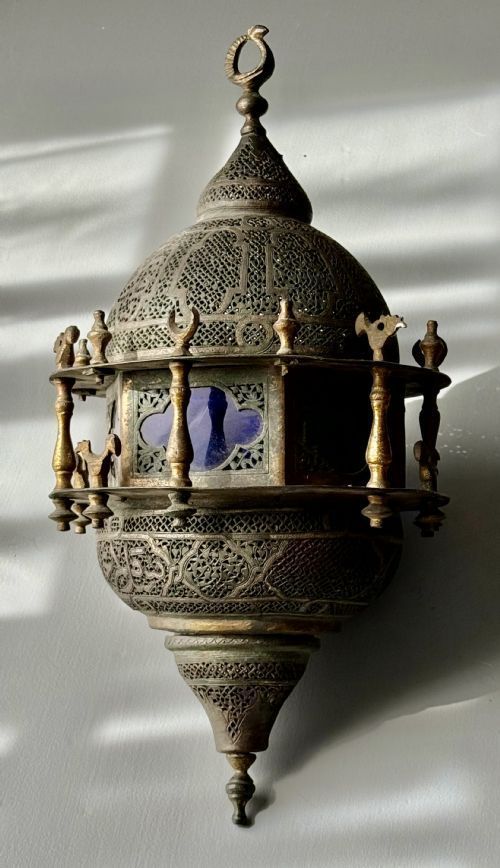
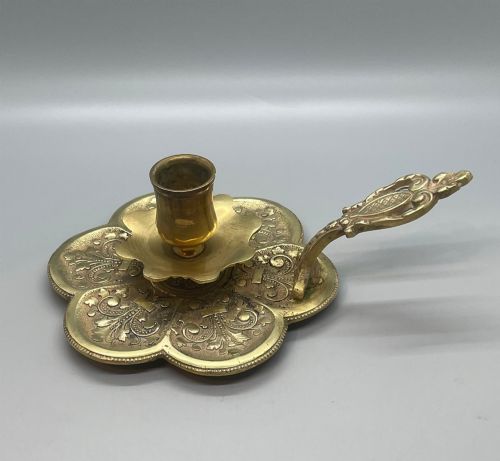
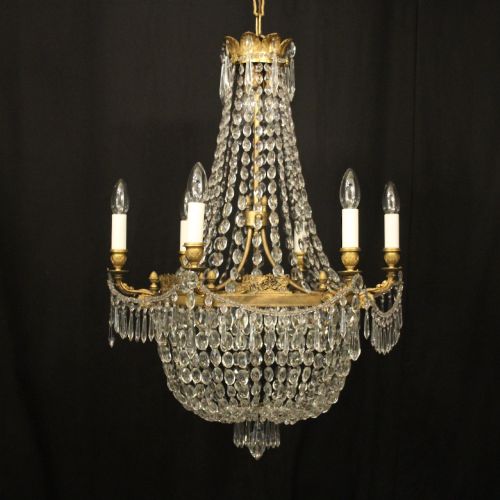
The objects stem from distinct periods including Regency, Victorian, and the late 19th century up to 1910. Common forms include brass candlesticks, multi-arm gilt bronze chandeliers, and pierced brass hanging lanterns.
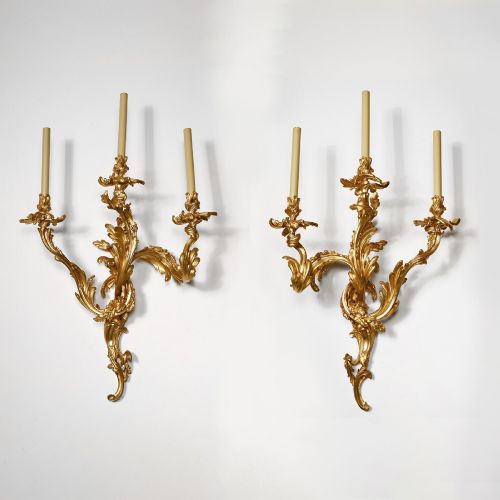
Buyers frequently encounter French or English designs influenced by Neoclassical, Gothic revival, and French Rococo styles. These pieces illuminate historical interiors while serving as sculptural focal points in modern settings.
Materials and Construction
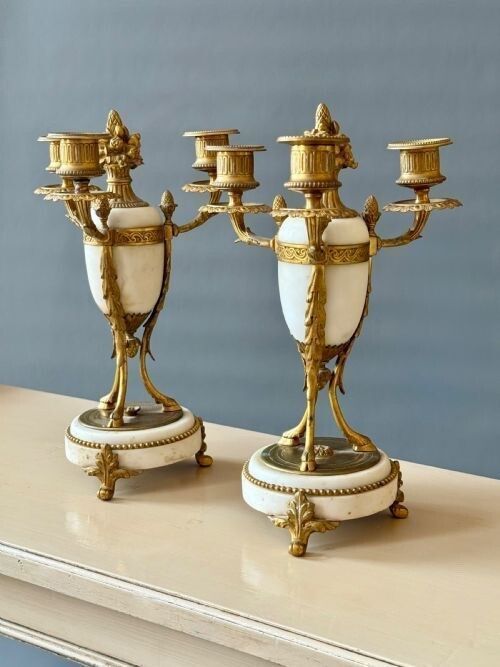
Makers utilised cast bronze, brass, ormolu, and gilded metals for structural strength and ornamental detail. Metal components were frequently paired with marble, onyx, porcelain, and cut glass elements to reflect and refract illumination.
Flamingo motifs occasionally strut across 19th century gilt bronze candle sticks, proving that even formal lighting had a sense of humour.
Assessing Quality
Quality rests upon the crispness of the casting in metal fixtures, particularly where champleve enamel, ormolu, or bronze patination is applied. Finer examples display meticulous hand-chasing on floral motifs, cherubs, and classical architectural details.
The integrity of assembly distinguishes superior pieces, such as the secure mounting of marble or onyx columns and the balanced symmetry of multi-arm chandeliers and candelabra.
Mappin & Webb·E Rousseau·Bruce Talbert
The 19th Century Light Glossary
- Ormolu
- Gilded bronze applied to decorative hardware and lighting fixtures. This technique was widely utilised by French makers during the 19th century.
- Candelabra
- A branched candlestick holding multiple tapers or lightbulbs. These fixtures often feature elaborate bronze or silver-plated designs.
- Champleve
- An enamelling technique where troughs are carved into metal and filled with vitreous paste before firing. It appears frequently on French table lamps.
- Tole Peinte
- Painted sheet metal used in decorative lanterns and shades. It provides vibrant colour and distinctive regional character.
19th Century Light: Frequently Asked Questions
How do I wire an antique chandelier?
Most hanging fixtures and wall lights require professional rewiring to meet modern safety standards. A qualified electrician can thread modern internal wiring through the original brass or bronze channels.
Retaining the original sockets or exterior metalwork ensures the historical character remains undisturbed while the fixture operates safely.
How do I clean gilded bronze?
Gilded bronze and ormolu require gentle dusting with a soft, dry brush to prevent accumulation. Moisture and harsh chemical cleaners damage the historic gold leaf finish over time.
Professional conservation advice should be sought for tarnish removal or deep cleaning on delicate surfaces.
Are table lamps original?
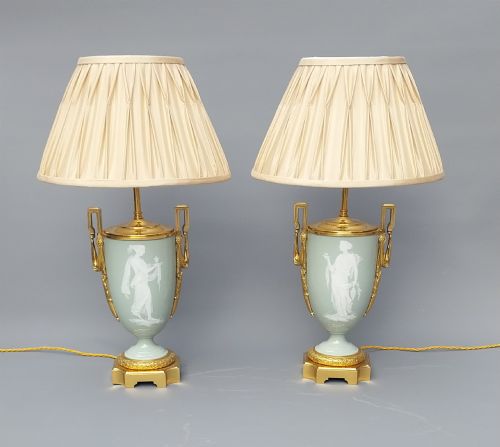
Many table lamps from this era started as candlesticks, oil lamps, or architectural elements that were later converted for electrical use. Conversions are standard practice for adapting antique lighting to contemporary homes.
Checking the base and mounts reveals whether the conversion respects the original metalwork and structure.