




19th Century Historical Watercolour
A 19th century historical watercolour captures past events, landscapes, and portrait subjects through delicate pigment on paper.
19th Century Historical Watercolour
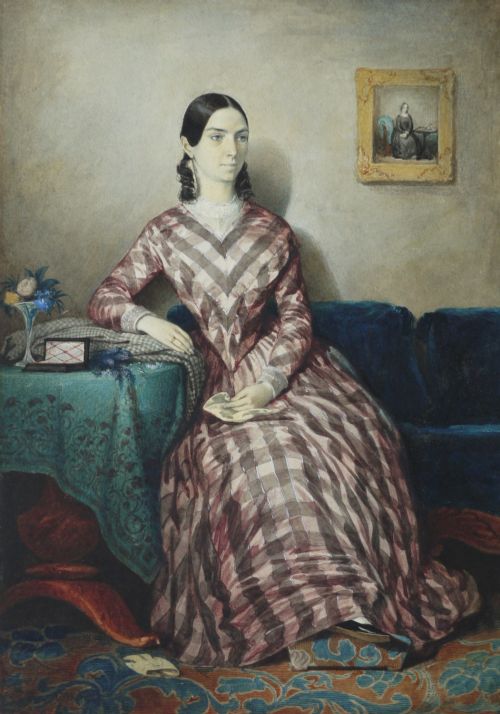
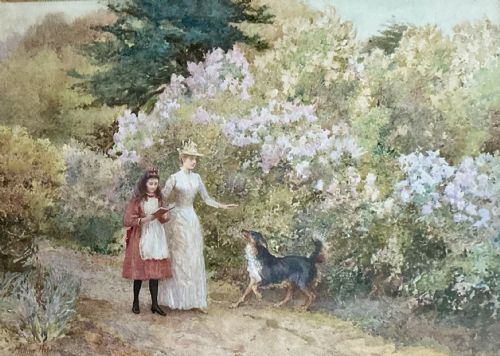
When searching for a 19th century historical watercolour, collectors encounter works on paper depicting historical figures, military scenes, architecture, and topographical views. These paintings record past events and period daily life through the observant eyes of contemporary artists.
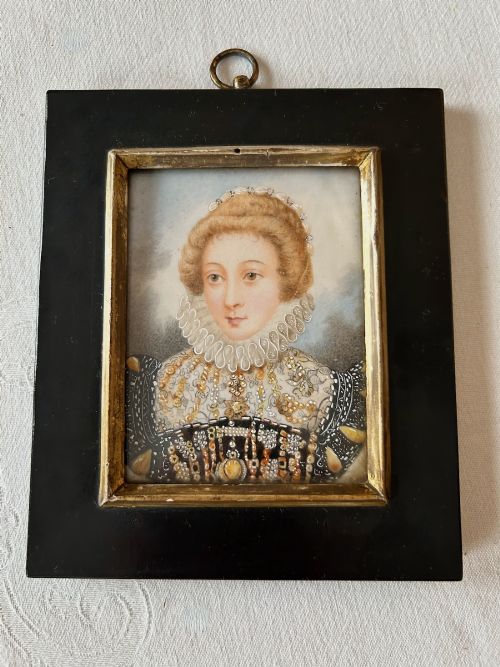
The selections available here range from intimate portrait miniatures and folk art pairs to expansive coastal seascapes and architectural studies of city walls and rivers. Portrait subjects span historical nobility, literary figures, and regional citizens rendered with careful detail.
Works originate across the nineteenth century and extend into early twentieth-century revivals, encompassing regional British schools, American folk traditions, and continental European views. Each piece functions as both an artistic creation and a primary historical document.
Materials and Technique
Artists executed these works using watercolour pigment applied to paper or card, frequently supported by preliminary pencil or pen and ink underdrawing. Some compositions incorporate grisaille monochrome washes or pen work before the application of transparent and opaque watercolours.
Framing often involves period timber surrounds, including ebonised wood or gilt wood frames, protecting the fragile paper surface behind glass. Miniature portraits additionally utilise specialised backing and housing to preserve the delicate pigment layers.
Listings feature paper, glass, gilt wood, and ebonised wood across Victorian, Georgian, and Regency periods.
Assessing Quality
Superior quality in a 19th century historical watercolour rests on the precision of the brushwork, the stability of the paper support, and the clarity of the historical subject matter. Masterful handling of light and shadow, particularly in architectural and landscape views, elevates an artist's output.
Provenance and signature attribution further influence standing, with fully signed works by documented regional or national artists commanding greater attention. The preservation of original pigment vibrancy and the absence of heavy fading determine the visual success of the piece.
Henri Fradelle·J Bizo·Arthur Hopkins·Samuel Owen·George Hargreaves·William Wyld·Thomas Woolnoth·Henry Barlow Carter·Walter Duncan·Henry Spernon Tozer·Frank Dadd·Edward Smyth·Mary Eley·Walter Emsley·Frank Wasley·George Cattermole·George Goodwin Kilburne·George Perfect Harding·Sir William John Newton·William James Boddy·Paul Sandby Munn·John Wilson Carmichael·Jack Cross·Henry Cave·Thomas Dudley
The 19th Century Historical Watercolour Glossary
- Watercolour pigment
- Finely ground colour particles mixed with a water-soluble binder for painting on paper.
- Portrait miniature
- A small, highly detailed painting depicting a specific individual, common in the nineteenth century.
- Grisaille
- A painting executed entirely in shades of grey or neutral monochrome washes.
- Ebonised wood
- Timber treated and stained to imitate the dark, dense appearance of ebony wood.
- Topographical view
- An accurate artistic representation of a specific geographical location or building.
19th Century Historical Watercolour: Frequently Asked Questions
What subjects appear in these watercolours?
These works depict historical landscapes, military events, architectural studies of city walls and rivers, and detailed portrait miniatures of notable figures and local citizens.
Artists recorded regional British scenes, European vistas, and American folk subjects, providing a visual record of nineteenth-century life and history.
How should I frame and display a watercolour?
Watercolours require framing behind glass to protect the sensitive paper and pigment from atmospheric moisture, dust, and physical damage.
Display the pieces away from direct sunlight to prevent the watercolour pigments from fading over time.
How can I identify the date of a painting?
Dates often appear alongside signatures, monograms, or inscriptions written directly on the paper by the artist at the time of creation.
Stylistic elements, costume details of portrait subjects, and architectural landmarks depicted in the scene further help determine the period.
Are these paintings original works?
The inventory consists of original hand-painted watercolours, drawings, and sketches created directly by artists during the nineteenth and early twentieth centuries.
Each piece is a unique creation rather than a modern reproduction or print.