






19th Century Gun
When you search for a 19th century gun, you find everything from percussion revolvers to signal cannons and sporting paintings.
19th Century Gun
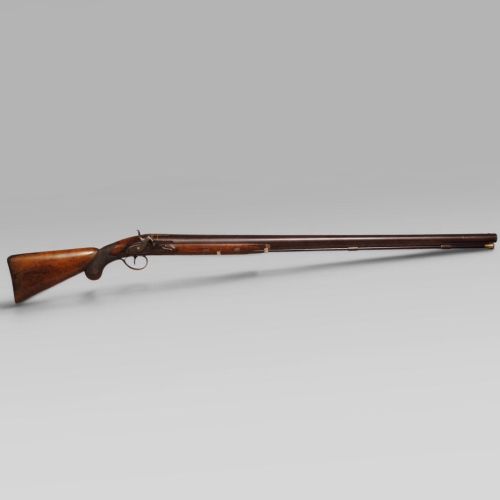
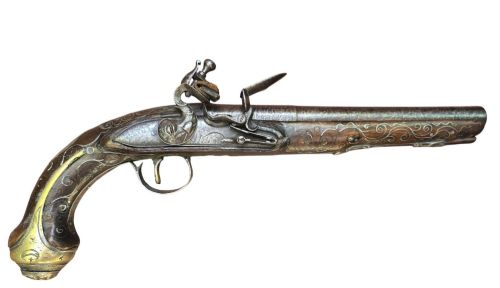
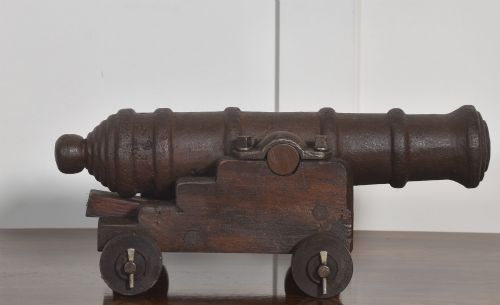
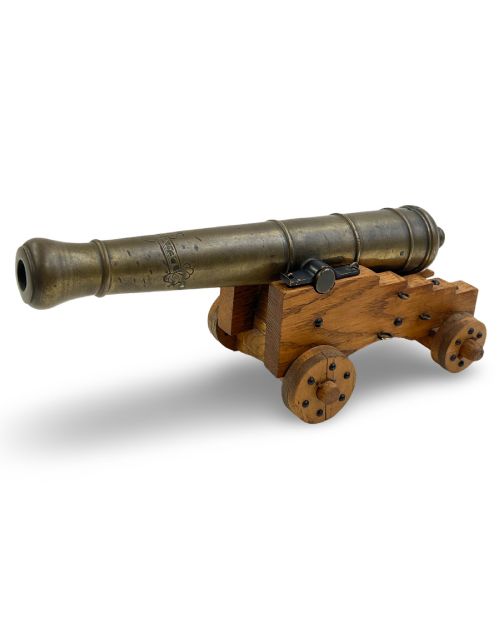
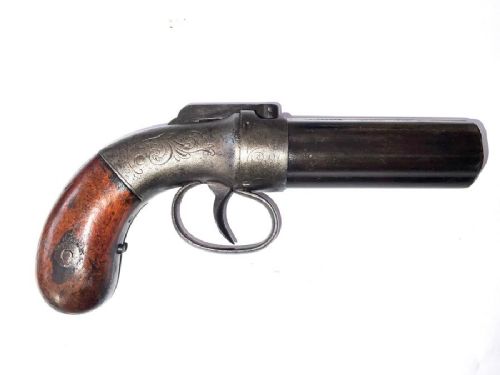
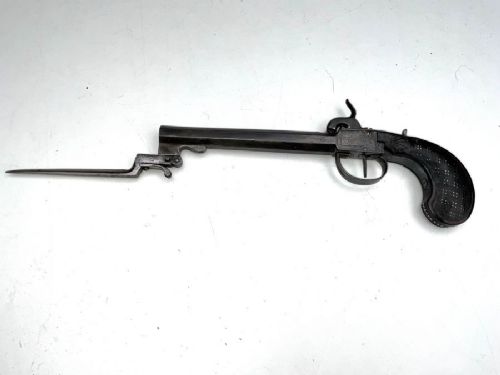
A 19th century gun encompasses antique firearms like flintlock and percussion pistols alongside heavier artillery models such as signal and field cannons. These objects reflect the military, sporting and domestic history of the period across Britain, Europe and the wider world.
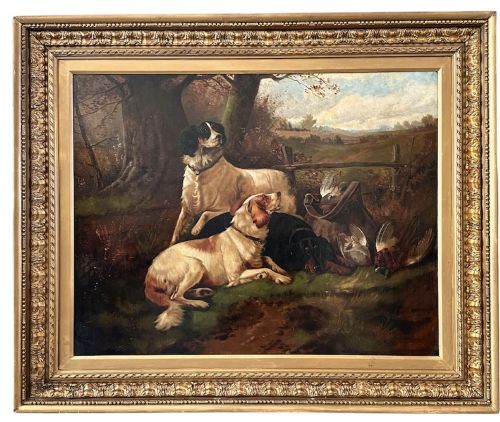
Beyond actual weaponry, this category includes related accessories like powder flasks and gun cabinets, plus oil paintings depicting sporting dogs and hunting scenes. Buyers encounter diverse forms originating from British, French, American and Ottoman makers.
How They Were Made
Makers shaped these pieces using robust metals like steel, iron, brass and bronze for barrels and mechanisms, paired with stocks formed from walnut, oak and other dense woods. Decorative examples frequently incorporate silver wire, bone or brass inlay into the stock.
Firearms utilise mechanical lock systems ranging from early flintlocks and matchlocks to later percussion caps and pinfire mechanisms. Cannges and field models combine cast iron carriages with metal barrels built for firing or display.
19th Century Gun Retail Price Guide 2026
Typical asking prices for 19th century gun among the pieces listed under this phrase on Sellingantiques today, from the lower quarter to the upper quarter. They describe what is for sale here now, not the wider market.
Listings feature items from the 18th century, 19th century, Georgian and Victorian periods, constructed in steel, walnut, brass and iron.
What Varies in Quality
Quality depends upon the crispness of engraving on locks and metal furniture, and the intricacy of any bone or silver wire inlay on the wooden stock. Maker signatures and matching serial numbers elevate an object significantly.
In paintings and decorative carvings, quality shows in the anatomical accuracy of the subjects and the fineness of the brushwork or wood carving. Condition and originality of components dictate the standing of each piece.
Colt·Allen And Thurber·Deane Adams And Deane·Auguste Francotte·Wilson·John Sargent Noble·John Frederick Herring Senior·Colin Graeme Roe·Adolphe Alexandre Lesrel·John Scott Russell·Benjamin Marshall
The 19th Century Gun Glossary
- Percussion cap
- A small ignition device introduced in the nineteenth century that replaced flintlocks by using a detonating powder struck by the hammer.
- Flintlock
- An ignition mechanism utilising a piece of flint striking a steel frizzen to create sparks that ignite the black powder charge.
- Blunderbuss
- A muzzle-loading firearm with a flared barrel designed to scatter shot at close range, often used by officers and travellers.
- Signal cannon
- A small piece of artillery used for salutes, starting races or signalling on estates and vessels rather than warfare.
- Powder flask
- A portable container made of metal, leather or horn used to safely carry black powder for muzzle-loading firearms.
19th Century Gun: Frequently Asked Questions
What is a percussion pistol?
A percussion pistol is a firearm that uses a percussion cap struck by a hammer to ignite the gunpowder charge inside the barrel.
These weapons largely superseded flintlocks during the nineteenth century due to their greater reliability in wet weather.
How do I care for antique gun cabinets?
Antique gun cabinets require stable indoor humidity and gentle cleaning with a soft cloth to preserve the wood finish.
Avoid placing wooden furniture in direct sunlight or near heat sources to prevent warping and cracking.
What is the difference between flintlock and matchlock?
Matchlocks use a slow-burning match cord lowered into a pan of powder by a lever, representing an earlier technology.
Flintlocks generate a spark mechanically by striking flint against steel, offering a faster and more reliable ignition.
Were nineteenth-century cannons meant for actual combat?
Many smaller nineteenth-century pieces are signal cannons or scale models intended for estates, maritime use or display rather than battlefield deployment.
Larger service pieces and field guns followed strict military patterns for use by infantry and artillery units.