

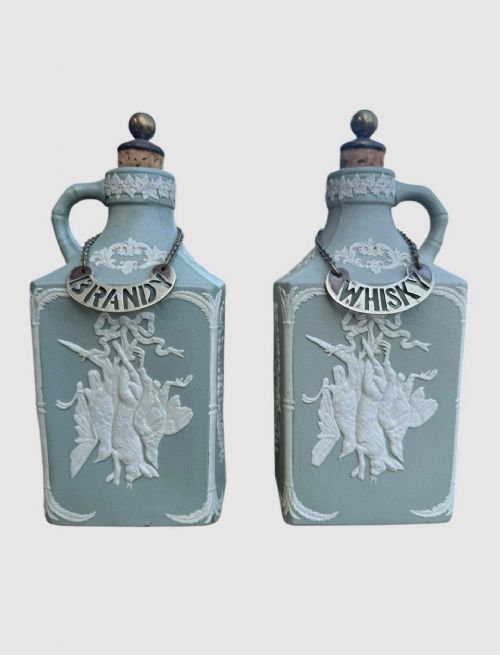


19th Century Green Bottle
A 19th century green bottle brings deep colour and organic form to a room, holding centuries of utility and display.

19th Century Green Bottle
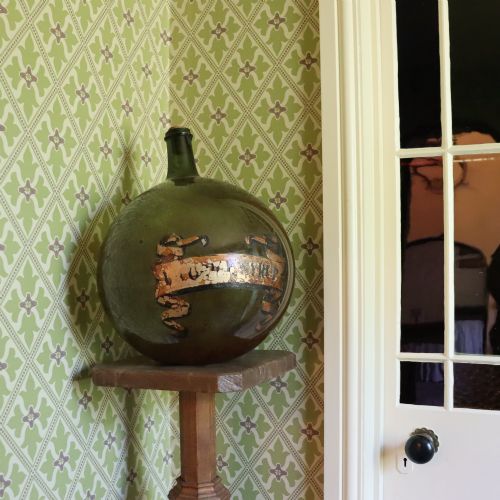
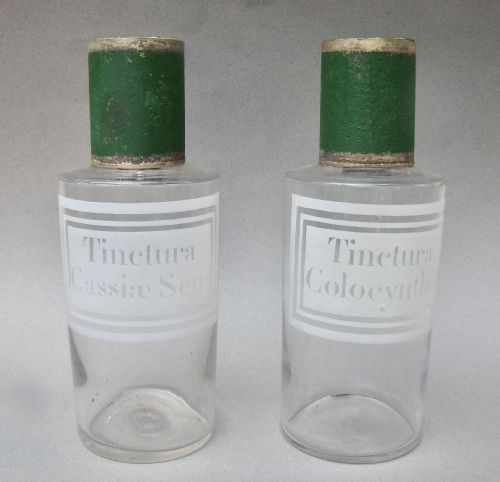
A 19th century green bottle encompasses a diverse array of utilitarian and decorative vessels, ranging from practical apothecary jars and wine flagons to delicate scent bottles and carved jade snuff containers. These objects reflect the varied domestic, medicinal and personal storage needs of the period, executed in an assortment of shades from pale olive to rich forest tones.
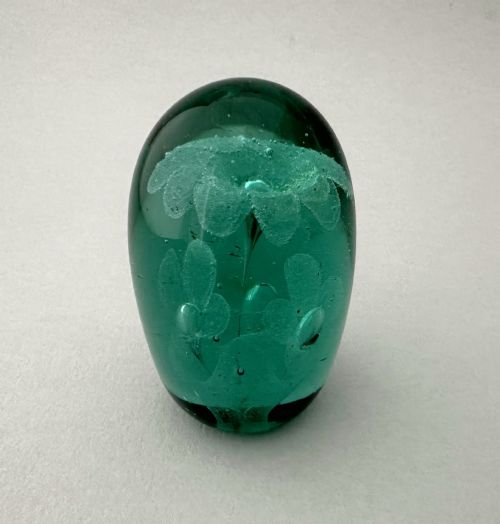
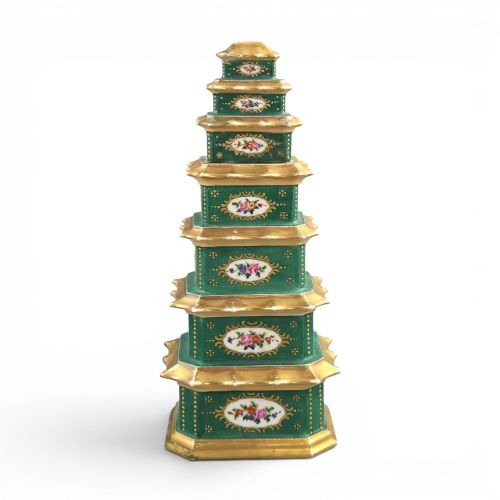
Buyers encountering this search phrase will frequently find serving bottles, decanters and larger carboys originating from English and French workshops, often dating from the Victorian era. Alongside these functional containers, ceramic vases, glass dumps and perfume caskets frequently appear, demonstrating the wide scope of green glass and glazed wares produced during the 1800s.
The materials span simple blown glass and ceramic to sophisticated combinations incorporating silver plate mounts, gold leaf, enamel and brass fittings. Whether shaped as a tall apothecary vessel or a small pocket scent bottle, each piece carries the distinct tactile qualities of nineteenth-century manufacturing methods.
Materials and manufacture
Makers utilised free-blowing and mould-blowing techniques to shape glass vessels, frequently employing rich metallic oxide impurities in the batch to achieve natural green colourations. Artisans then added applied threads, ribs or wrythen twists while the metal remained hot, or polished the cooled surfaces to enhance light refraction.
Ceramic and jade pieces relied on carving, moulding and high-temperature firing, often finished with celadon glazes or intricate metal collars in silver and brass. Enamel painting and gold leaf application completed the decorative surface work on finer perfume and scent bottles.
19th Century Green Bottle Retail Price Guide 2026
Typical asking prices for 19th century green bottle among the pieces listed under this phrase on Sellingantiques today, from the lower quarter to the upper quarter. They describe what is for sale here now, not the wider market.
The documented forms span apothecary jars, carboys, decanters, snuff bottles and perfume caskets.
Evaluating quality and execution
Quality rests heavily on the clarity of the material and the precision of the form, whether measuring the symmetry of a blown glass carboy or the sharp detail carved into a jade snuff container. Superior examples display careful finishing at the pontil mark and well-fitted original stoppers or metal mounts.
The distinction between standard utility items and high-end cabinet pieces lies in the refinement of secondary materials, such as hallmarked silver necks, hand-painted enamel details, or the depth and saturation of vaseline and peachblow glass.
Jacob Petit·Richardsons
The 19th Century Green Bottle Glossary
- Carboy
- A large, bulbous glass bottle traditionally used for holding liquids safely, often enclosed in wicker or left plain for heavy storage. These sturdy vessels frequently survived from industrial and apothecary settings.
- Pontil mark
- The rough scar left on the base of a blown glass object where the holding rod was detached. Its presence or absence of smoothing helps indicate the manufacturing period.
- Wrythen
- A decorative spiral pattern twisted into the body of glassware while hot. This technique creates a sense of dynamic movement across the surface of serving bottles.
- Vaseline glass
- A type of glass coloured with uranium oxide that exhibits a distinct yellow-green hue under natural light and glows brightly under ultraviolet illumination. It was popular during the Victorian period.
- Sulphide
- A small white cameo made of porcelainous ceramic sealed inside clear glass. They are typically found embedded within solid glass paperweights and dumps.
19th Century Green Bottle: Frequently Asked Questions
How were green glass bottles used?
Nineteenth century green bottles served a multitude of domestic and commercial roles, acting as storage for wine, spirits, pharmaceuticals and household liquids. Larger carboys held bulk quantities in dispensaries or estates, while smaller serving bottles sat upon dining tables.
Finer specimens, such as scent and perfume bottles, remained on dressing tables for personal hygiene. Their dark green colour helped protect light-sensitive contents like medicines and oils from degradation.
What is vaseline glass?
Vaseline glass is a distinct type of pressed or blown glassware produced during the nineteenth century, incorporating uranium dioxide into the glass batch. This gives the material its characteristic transparent yellow-green colour.
Collectors prize these pieces for their bright green fluorescence when exposed to ultraviolet light. They appear in various forms, including decorative vases and small scent containers.
How do I date a 19th century bottle?
Dating involves examining the manufacturing techniques, such as the presence and smoothness of a pontil scar on the base, which indicates whether a piece was free-blown or mould-blown. Tool marks, lip formation and the specific shade of green also provide chronological clues.
Associated metal mounts, silver necks or maker signatures help narrow the window of production. Comparing the style of decoration to known Victorian or Charles X design motifs refines the age further.
How should I clean antique glass?
Antique glass requires gentle cleaning with warm water and mild, non-abrasive soap to preserve the delicate surface skin and any original enamel or gilt decoration. Harsh chemicals and abrasive brushes must be avoided entirely.
Internal staining in old bottles is best left alone or treated with specialised soft cleaning beads without shaking violently. Patting the exterior dry with a lint-free cloth prevents water spots on aged glass.