


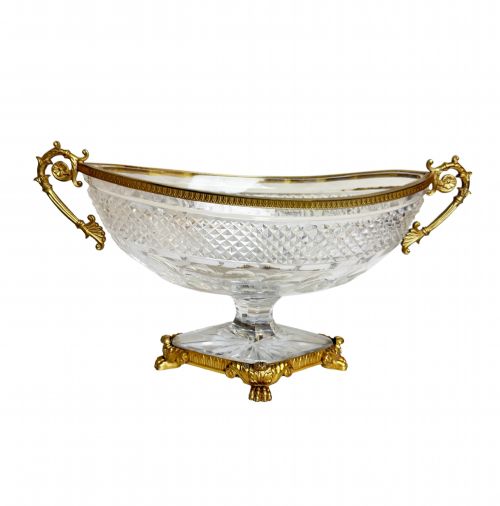


19th Century Glass Centerpiece
A 19th century glass centerpiece dominates a dining table with reflective crystal, coloured glass, and heavy metal mounts.
19th Century Glass Centerpiece
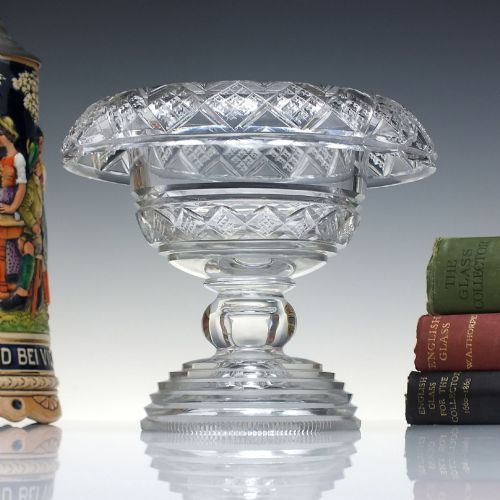
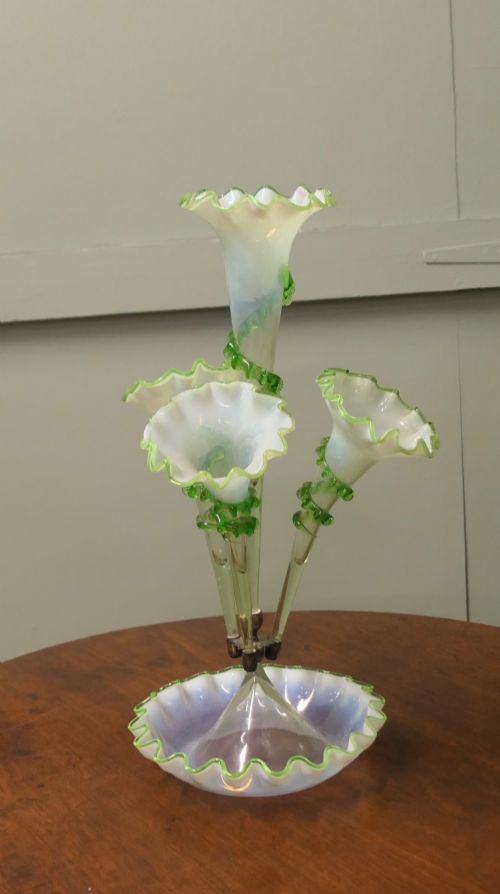
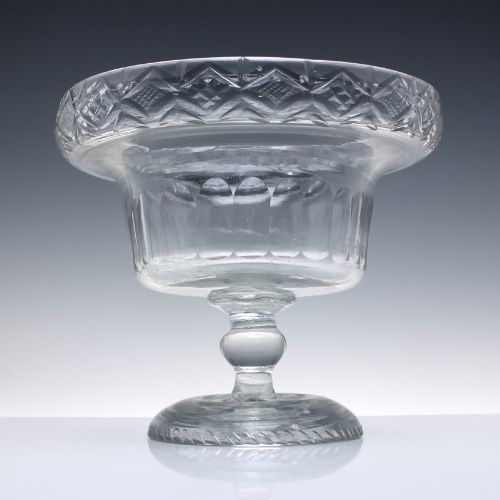
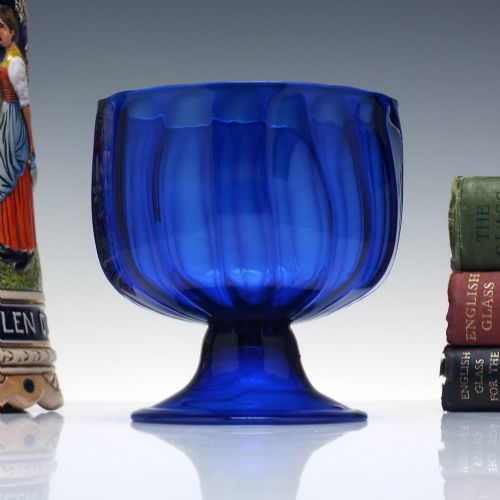
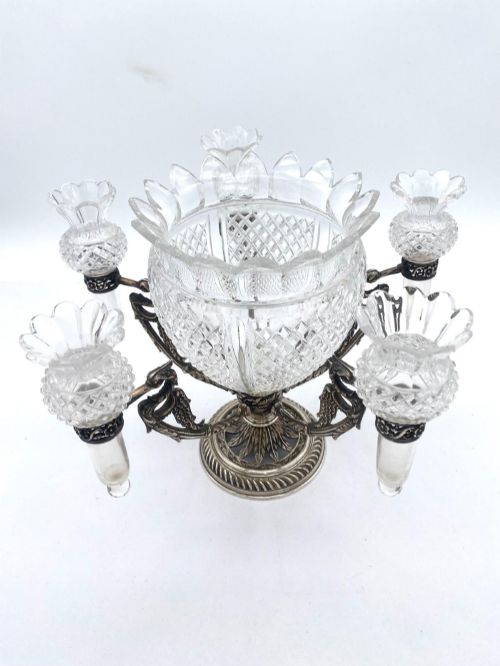
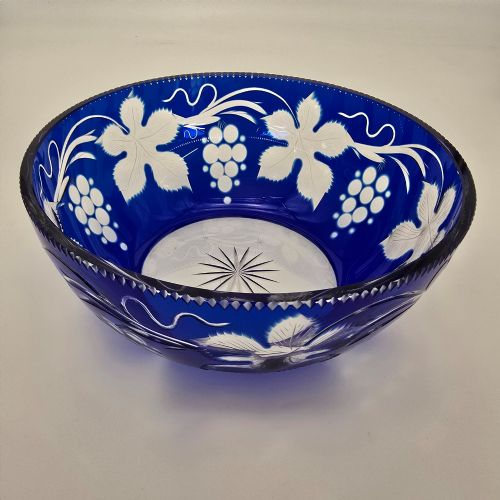
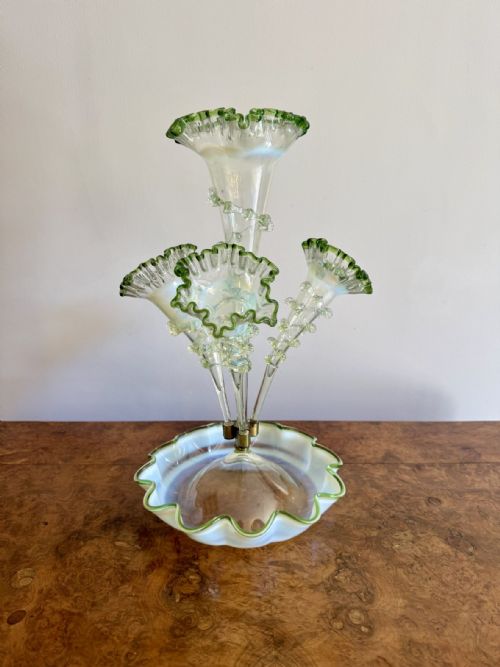
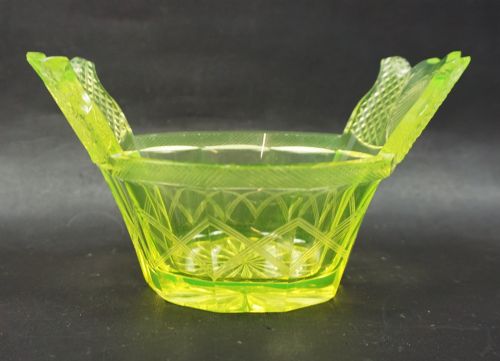
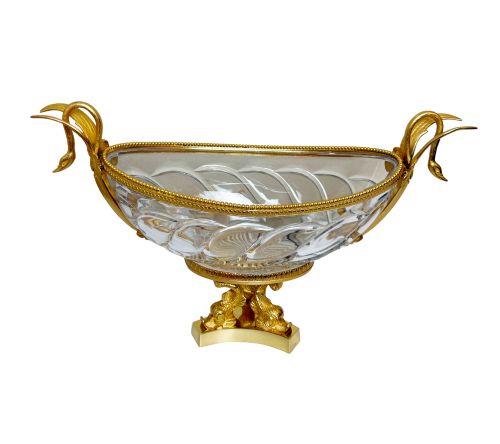
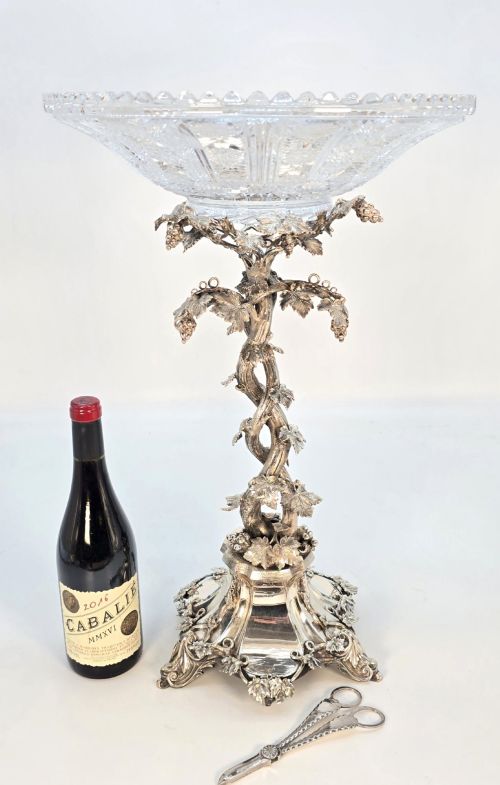
A 19th century glass centerpiece serves as a grand focal point for dining and display, drawing the eye with large crystal bowls, pedestals, and epergnes. You will frequently encounter heavy cut glass and lead crystal vessels mounted on stands, alongside richly coloured cranberry, cobalt blue, and green glass.
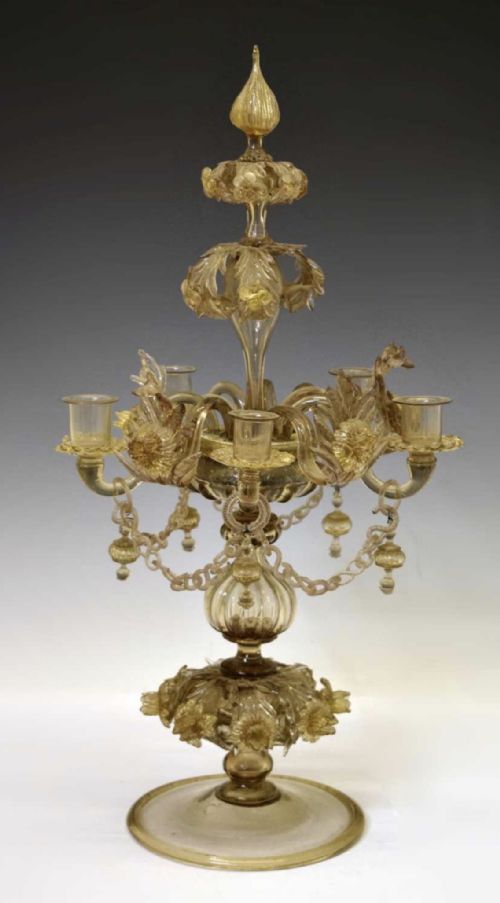
The pieces hail from English, French, and Bohemian workshops, spanning the Georgian era through the Victorian period. Common forms include pedestal comports, tazzas, fruit bowls, and elaborate multi-branch epergnes outfitted with hanging baskets and sweet dishes.
Materials and Technique
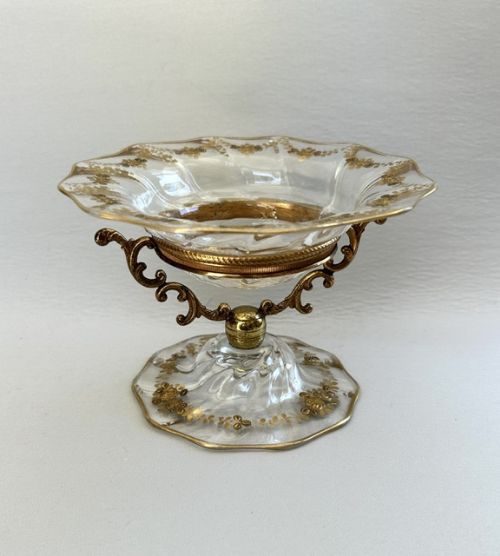
The glass elements rely on traditional hand-blowing, deep wheel-cutting, and hobnail patterning to catch the light, paired frequently with flashed and cased colour layers. Artisans engraved delicate motifs onto the surfaces or applied rich gilding and enamelling to highlight the rims and bodies.
Metal mounts provide the structural backbone for many of these objects, utilising gilt bronze, ormolu, and cast brass. Silver plate and Old Sheffield Plate secure the glass vessels, often incorporating intricate pierced galleries and figural details like cherubs and mermen.
19th Century Glass Centerpiece Retail Price Guide 2026
Typical asking prices for 19th century glass centerpiece among the pieces listed under this phrase on Sellingantiques today, from the lower quarter to the upper quarter. They describe what is for sale here now, not the wider market.
Listings feature 19th-century glass centerpieces in cut crystal, opaline glass, and ruby glass paired with gilt bronze and silver plate.
The Spectrum of Craft
Quality rests in the crispness of the glass cutting and the weight of the metal framework. Superior examples display deep, sharp facets and heavy lead crystal that rings clearly, rather than thin, light glass with soft moulded edges.
The refinement of the mounts dictates the upper tier of the range. Master-chased ormolu, detailed figural casting, and heavy silver plating distinguish distinguished salon pieces from standard production items.
Baccarat·Josiah Williams and Co·Wade Wingfield Wilkins·Thomas Bradbury·James Dixon·François Eugène Rousseau
The 19th Century Glass Centerpiece Glossary
- Epergne
- A large, multi-tiered centerpiece featuring a central bowl and branching arms holding smaller baskets or vases. It typically held fruit, flowers, or sweetmeats during formal Victorian dining.
- Comport
- A raised dish or bowl on a stem and foot, used for serving fruit or sweets. These items sit higher on the table than standard bowls.
- Tazza
- A shallow saucer-like dish mounted on a stem and foot. This Italian-derived term frequently describes Victorian glass presentation pieces.
- Ormolu
- Gilded bronze applied to furniture and decorative objects. The technique involves coating base metal with a mercury and gold amalgam.
- Hobnail
- A decorative glass-cutting pattern consisting of raised, multi-faceted pyramidal knobs. It creates a tactile, highly reflective surface texture.
- Cased glass
- Glass made in two or more distinct layers of contrasting colours. Artisans then cut through the outer layer to reveal the different colour underneath.
19th Century Glass Centerpiece: Frequently Asked Questions
What did they hold?
These vessels held fresh fruit, sweetmeats, or cut flowers to decorate formal dining tables.
Multi-tiered epergnes allowed hosts to display trailing foliage and small sweet dishes across branching arms.
How do I clean them?
Wash glass components gently by hand in warm soapy water using a soft cloth to avoid scratching.
Keep metal mounts and silver plating dry, wiping them carefully without harsh chemical dips that damage gilding.
Are they all heavy?
Lead crystal bowls and cast bronze mounts give these centerpieces considerable weight.
Ensure your table or sideboard can support heavy combined glass and metal assemblies safely.
How to spot period pieces?
Look for hand-finished pontil marks on the base of blown glass and patination on the metal mounts.
Variations in weight, hand-cutting, and construction techniques confirm 19th-century manufacture.