
19th Century Gilt Sconces
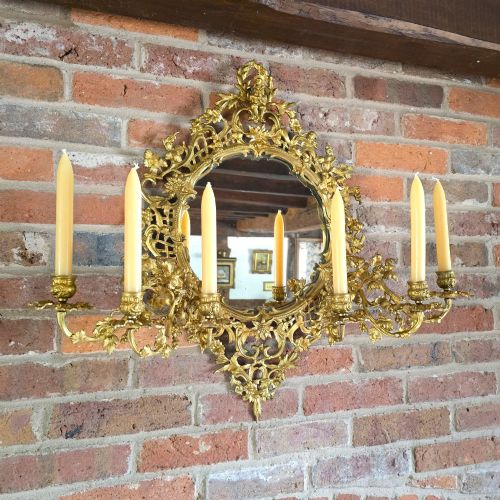
These 19th century gilt sconces combine reflective brass, carved wood and cast bronze to bring period candlelight and warmth to a room.
19th Century Gilt Sconces
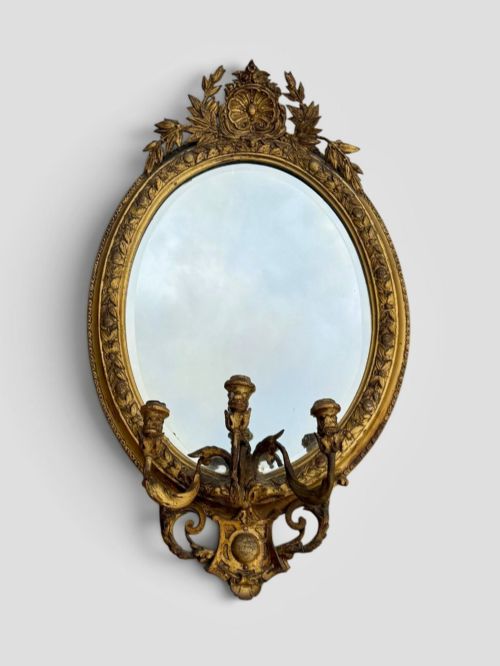
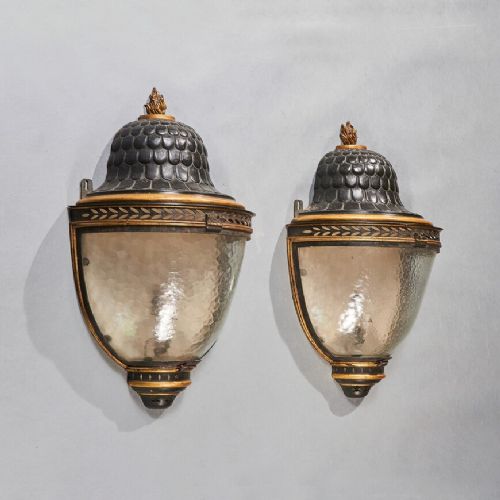
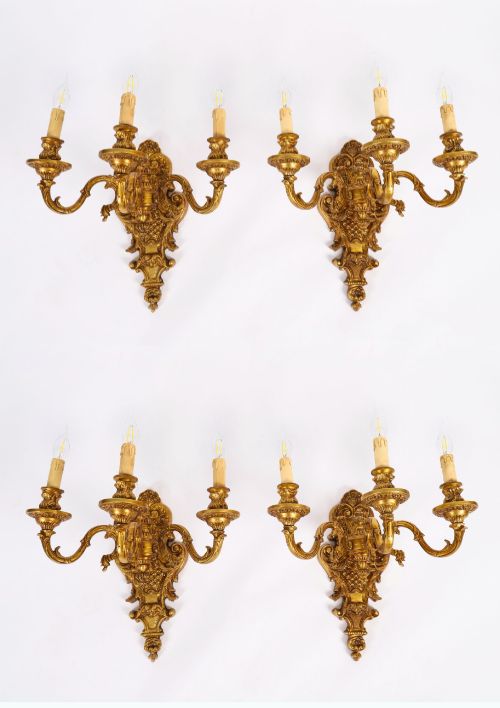
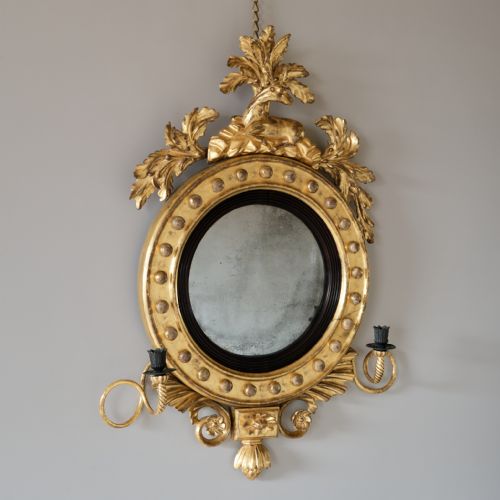
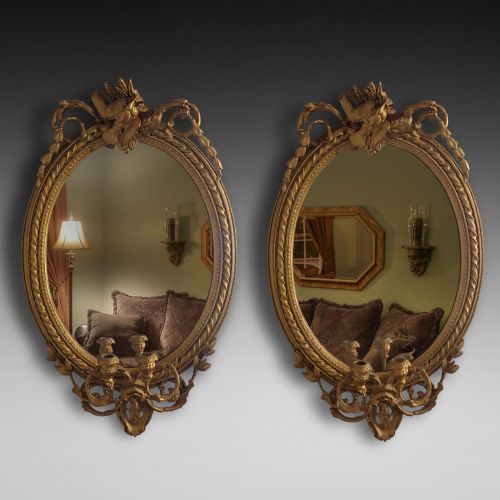
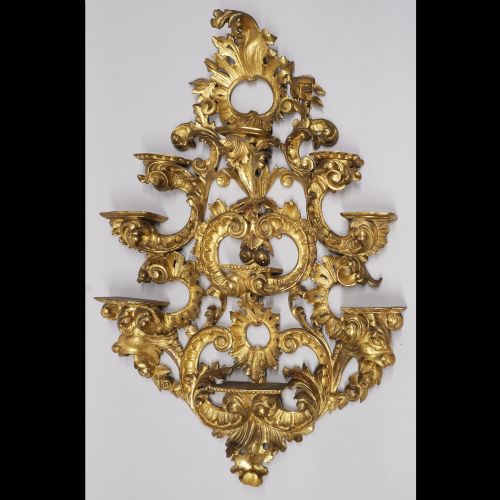
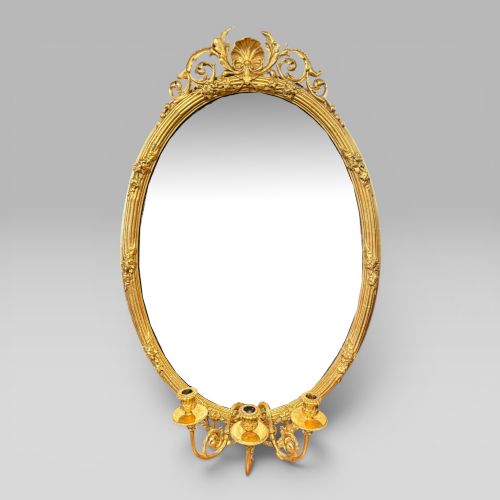
When searching for 19th century gilt sconces, buyers look at wall-mounted light fittings, girandoles and mirrored brackets designed to hold candles and multiply light. The most common examples met on this page are French and Italian creations from the Victorian era, utilising carved wood, gesso and gilded metal.
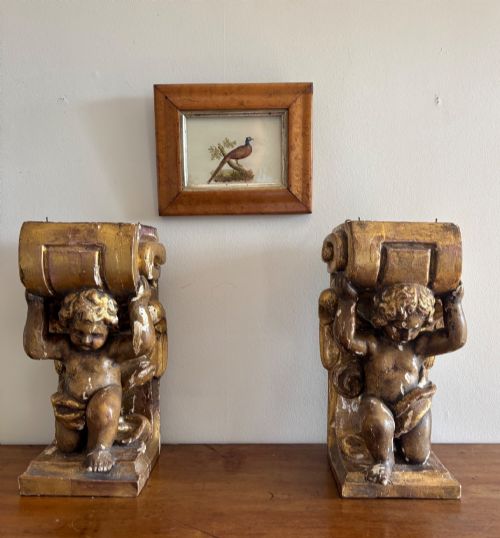
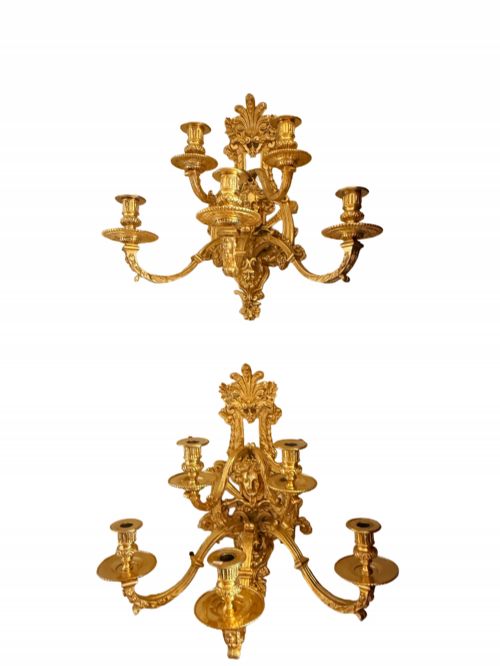
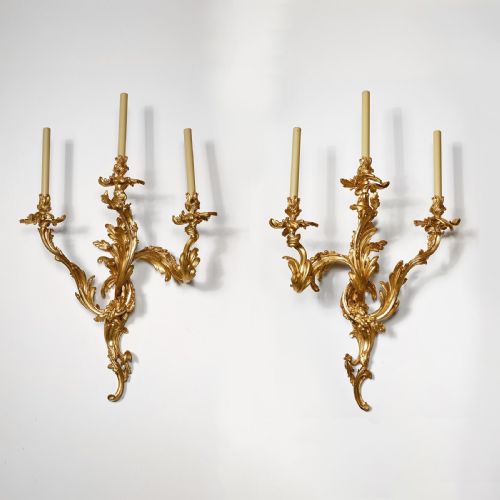
These fixtures take the form of girandole mirrors with candle branches, matched pairs of multi-branch appliques, and carved wooden wall brackets. Makers of the period drew upon Rococo Revival, Neoclassical and Regency vocabularies to shape these decorative pieces.
Originating largely from Parisian workshops and Italian studios, these items served formal salons and drawing rooms. Surviving pieces demonstrate the varied ways nineteenth-century interiors integrated reflective surfaces with artificial illumination.
How they were made
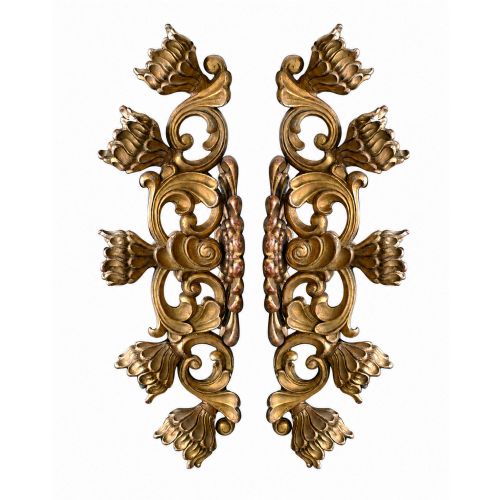
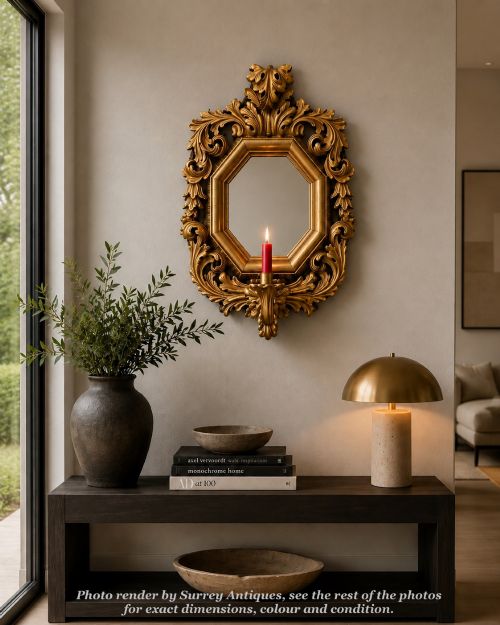
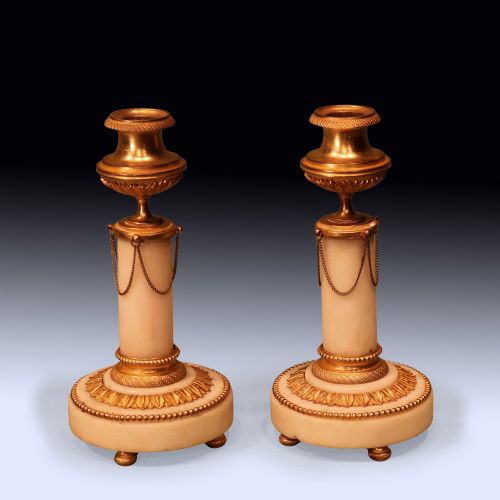
The construction of these pieces relies heavily on cast gilt bronze, ormolu, and brass, often paired with carved giltwood and gesso over a wooden base. Artisans applied gold leaf by hand to carved timber surfaces or utilised mercury gilding and electroplating on bronze castings to achieve a lasting metallic finish.
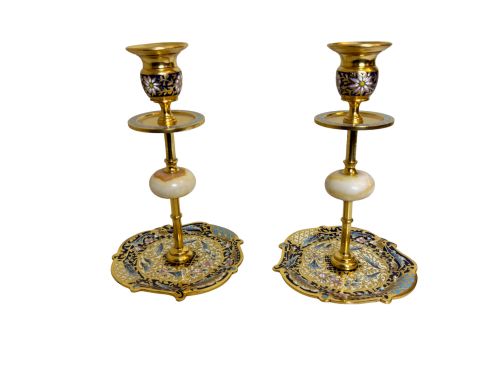
Many designs incorporate complementary media such as white marble, onyx, champleve enamel, and Sevres porcelain portraits set directly into the metalwork. Hand-carving on wooden girandoles and wall brackets works in tandem with finely chased bronze mountings to create complex sculptural depth.
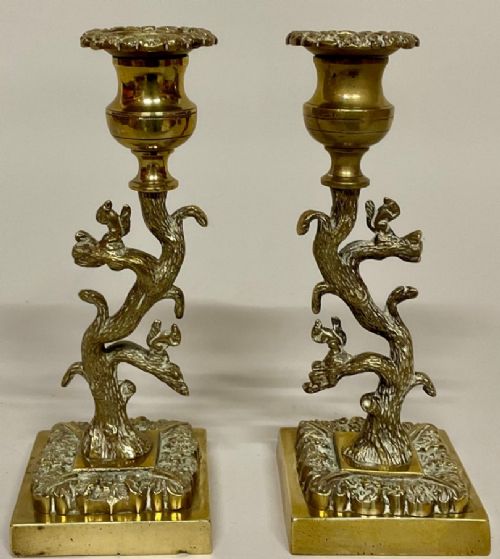
Squirrels occasionally peek out from cast bronze tree branches, reminding us that Victorian makers loved a bit of woodland mischief on the wall.
What varies in quality
The degree of crispness in the metal chasing or the hand-carving determines the visual sharpness of foliate scrolls, putti, and animal motifs. Superior examples display deep relief work and refined finishing that remains distinct across every branch and backplate.
The integrity of the original gilding layer creates a major distinction between pieces, as worn surfaces differ substantially from intact gold leaf or well-preserved ormolu. Structural robustness in multi-branch candelabra arms and secure fixing points also separates workshop standards.
Henri Vian
The 19th Century Gilt Sconces Glossary
- Girandole
- A branched candlestick or light fitting, frequently incorporating a wall mirror to reflect the candlelight. These items became particularly popular during the Victorian period.
- Ormolu
- Finely ground high-carat gold applied to a bronze base, historically via a mercury amalgamation technique. This finish produces a warm, durable golden lustre.
- Applique
- A wall-mounted light fitting designed to hold candles, often synonymous with a wall sconce. These fixtures attach directly to panelling or masonry.
- Champleve
- An enamelling technique where troughs or cells are hollowed out of a metal surface and filled with vitreous paste before firing. The method produces colourful decorative patterns on bronze fittings.
- Gesso
- A plaster-like mixture applied to wood surfaces as a preparation for gilding. It allows craftsmen to carve intricate relief details before laying gold leaf.
19th Century Gilt Sconces: Frequently Asked Questions
How do I mount 19th century gilt sconces safely?
Wall lights and girandoles require secure fixing to solid masonry or wall studs using appropriate screws that match the weight of the bronze or wood backplate. Because many pieces carry heavy candelabra arms or marble components, professional installation ensures the bracket bears the load without straining the antique structure.
Wiring for electricity is frequently integrated by modern owners, though careful placement must respect the original candle pans and drip trays. Maintaining clearance from surrounding wall coverings protects the gilt surface from heat damage over time.
Were these sconces originally wired for electricity?
Nineteenth-century lighting fixtures were manufactured exclusively for wax or tallow candles, long before domestic electricity existed in homes. Surviving pieces often retain their original drip pans, nozzles, and wax catchers designed for open flame illumination.
Many examples on the market have been discreetly adapted with internal wiring to hold small electric bulbs. Collectors often weigh the convenience of modern illumination against the historical integrity of unalterable candle sconces.
How do I clean gilded surfaces without damage?
Dusting with a very soft, dry brush removes surface particles without disturbing fragile gold leaf or aged ormolu patination. Moisture, abrasive cloths, and chemical cleaners strip away the historical finish and must be avoided entirely.
Professional conservation is recommended for pieces showing active flaking on gesso or tarnished metalwork. Gentle handling preserves the delicate chasing and original preparation layers beneath the gilding.
How can I tell French styles apart on this page?
French Rococo Revival pieces feature asymmetric scrolls, naturalistic foliage, and playful putti or cherub figures popular during the mid-nineteenth century. In contrast, French Empire and Neoclassical designs display rigid symmetry, classical caryatids, ram's head masks, and geometric urn motifs.
Examining the cast bronze details reveals the transition from Napoleon III exuberance back towards cleaner classical lines. Each stylistic vocabulary reflects the specific decade of manufacture within the broader nineteenth-century timeline.