




19th Century Garden Pedestals
These 19th century garden pedestals elevate classical urns and planters to create focal points in period outdoor spaces.
19th Century Garden Pedestals
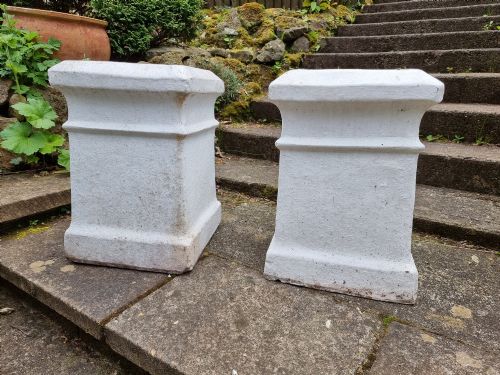
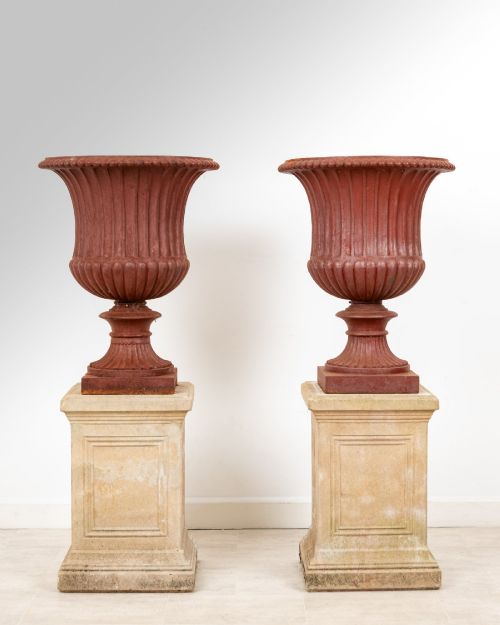
When you search for 19th century garden pedestals, you encounter architectural supports designed to elevate planters, urns and sundials within landscapes. The selection spans sturdy stone columns, terracotta display pillars and cast iron stands intended to bear heavy garden vessels.
Most examples originate from the Victorian and Georgian eras, reflecting classical revival and gothic styles popular during the period. Makers utilised durable materials capable of withstanding external weathering while maintaining ornamental detail.
Materials and Construction
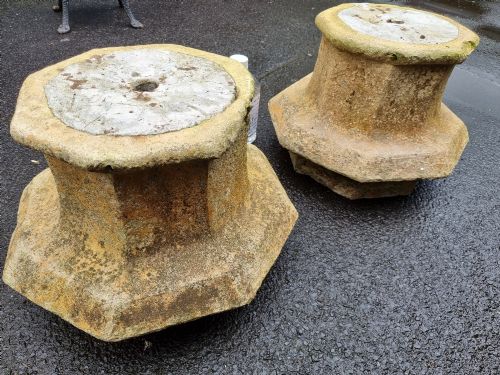
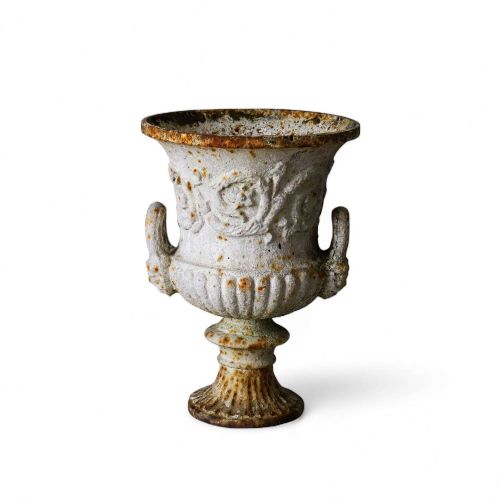
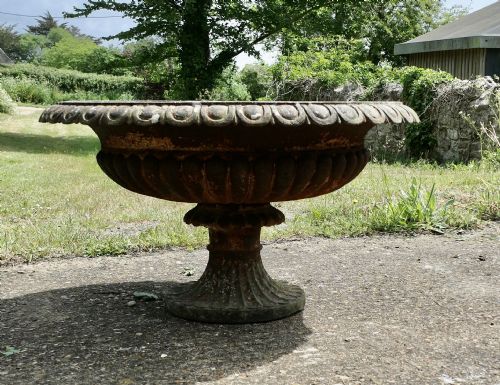
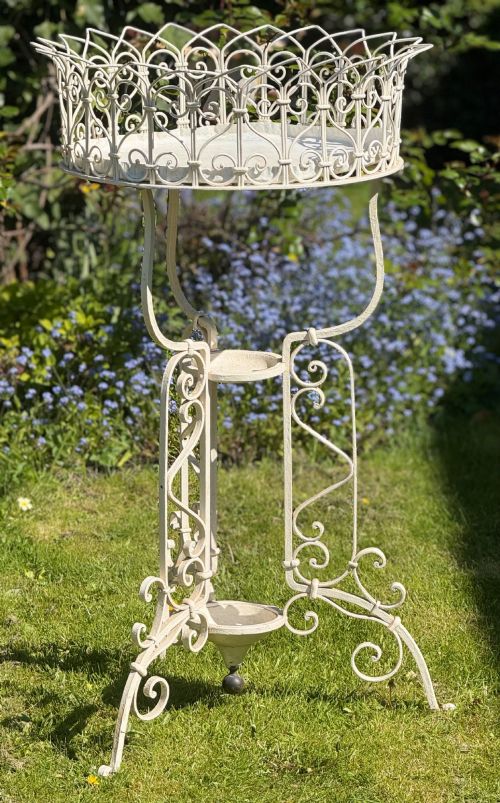
Foundry production dominated iron elements, utilising cast iron and wrought iron to form robust columns and campana urn stands. Stone masonry required carving limestone, Purbeck stone, marble and composite stone into structural plinths and capitals.
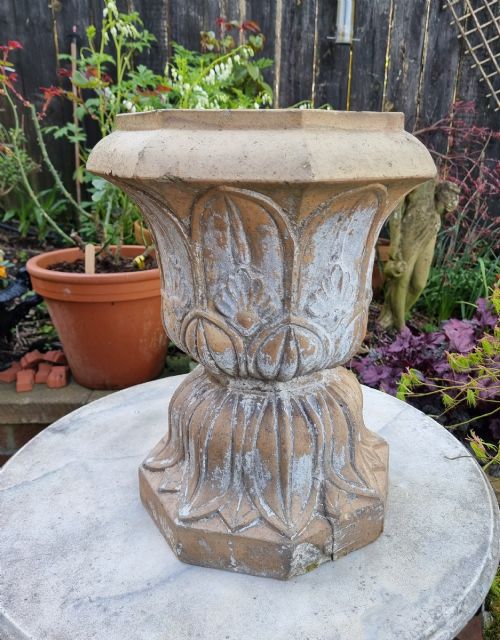
Potters shaped earthenware, terracotta and stoneware into display columns and naturalistic planters, often leaving surfaces unglazed to weather naturally outdoors. Paint and patination were applied to finish surfaces, developing distinct signs of age over decades of exposure.
19th Century Garden Pedestals Retail Price Guide 2026
Typical asking prices for 19th century garden pedestals among the pieces listed under this phrase on Sellingantiques today, from the lower quarter to the upper quarter. They describe what is for sale here now, not the wider market.
Assessing Quality and Execution
Superior examples display crisp architectural detailing in carved stone or sharp casting lines in ironwork, reflecting the skill of the original foundry or mason. Proportion and weight dictate stability, with heavier limestone and cast iron bases offering better structural integrity for supporting large urns.
Surface patination distinguishes finer pieces, showing organic weathering such as lichen growth or gradual oxidation that indicates genuine age. The integration of design styles, from neoclassical Corinthian capitals to gothic revival plinths, influences the visual harmony of the finished assembly.
Andrew Handyside
The 19th Century Garden Pedestals Glossary
- Campana urn
- A bell-shaped garden vessel with an everted rim, commonly mounted on a pedestal or plinth.
- Plinth
- A heavy base or slab supporting a pillar, statue or garden pedestal.
- Jardiniere
- An ornamental pot or stand designed to hold live plants or flowers indoors or outdoors.
- Corinthian capital
- The topmost member of a column, decorated with carved acanthus leaves in classical architecture.
- Terracotta
- Fired clay used for garden urns, planters and display columns, varying in colour from pale buff to deep red.
19th Century Garden Pedestals: Frequently Asked Questions
How do I secure a heavy stone pedestal outdoors?
Most 19th century garden pedestals rely on their substantial weight to remain stable on level ground.
For taller columns or sites prone to strong winds, a professional landscaper can install a concealed internal dowel or a secure concrete footing.
Can cast iron pedestals stay outside in winter?
Cast iron handles frost well, provided the metal is coated and maintained to prevent deep oxidation.
Checking drainage holes in paired urns prevents ice expansion from cracking the supporting plinth during freezing weather.
What is the difference between a plinth and a pedestal?
A plinth typically refers to the low base block directly supporting a column or statue.
Pedestals are taller structures designed to elevate an urn or planter to eye level within a garden scheme.
How should I clean weathered terracotta pedestals?
Gentle brushing with water removes loose dirt while preserving the accumulated patina and moss that indicate age.
Harsh chemical cleaners or pressure washers should be avoided, as they strip the surface texture from historic earthenware.