





Vintage Outdoor Plant Stands
These vintage outdoor plant stands bring structure and height to terraces and gardens through robust ironwork, stone, and terracotta.
Vintage Outdoor Plant Stands
When you search for vintage outdoor plant stands, you encounter sturdy garden furniture designed to elevate pots and display greenery across patios and lawns. The selection spans the nineteenth century through the early decades of the twentieth century, taking forms such as plant stands, jardiniere holders, tiered planters, and pedestals.
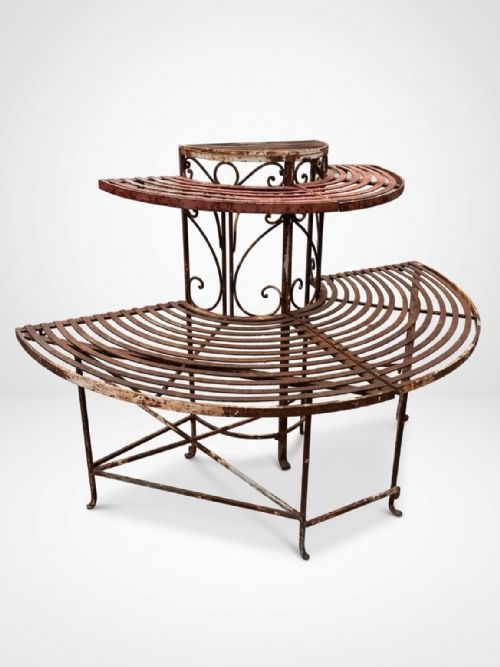
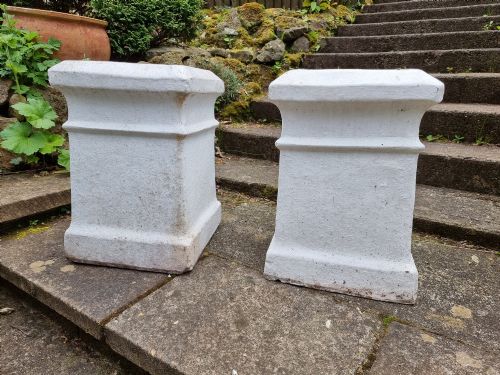
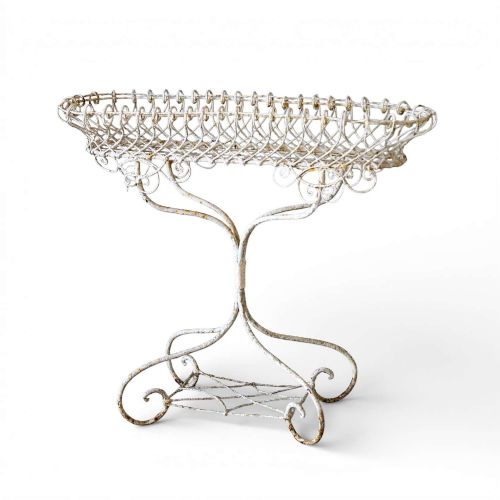
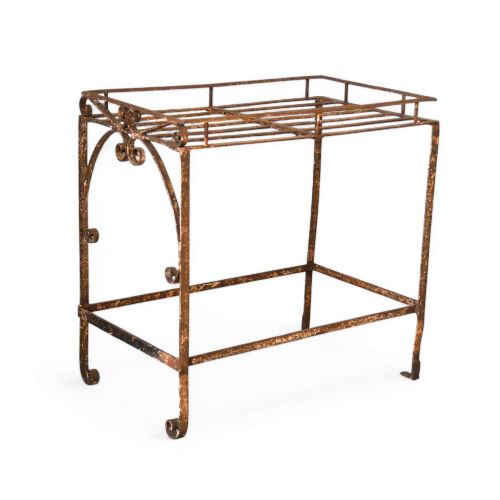
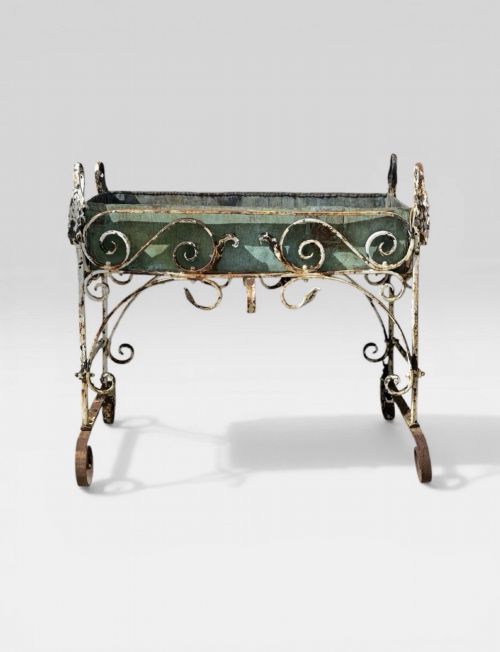
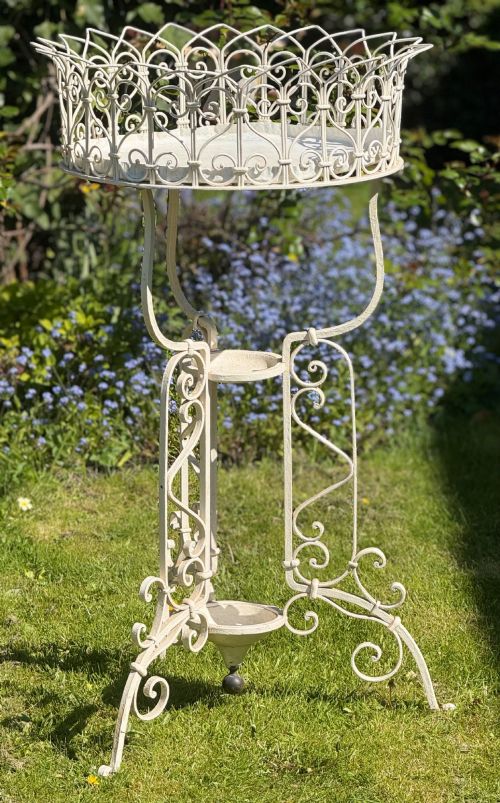
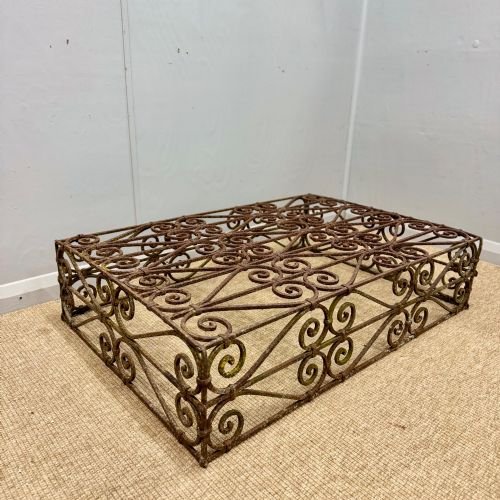
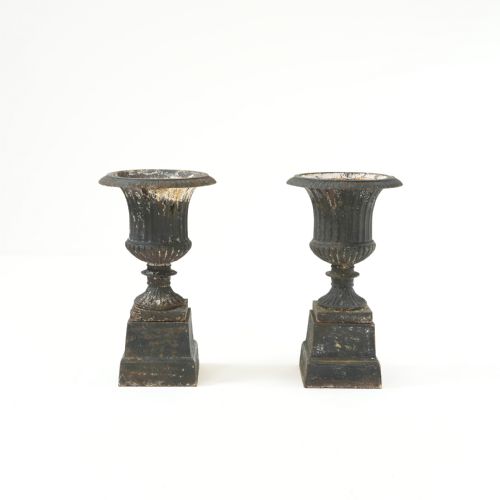
You meet various utilitarian and decorative configurations on this page, including wirework tiered planters, scrollwork baskets, and slatted iron corner stands. French country and Victorian styles dominate the designs, alongside estate-made pieces and campana urns on plinths.
The objects serve practical roles in grouping flora while adding architectural silhouettes to outdoor spaces. Materials range from heavy metals to stoneware and zinc, reflecting the functional demands of Victorian and Edwardian gardens.
What varies in quality
Quality rests in the finesse of the metalwork, distinguishing standard utility racks from finely detailed scrollwork or estate-made items. The complexity of the construction, such as tiered wirework or riveted corners, elevates the visual presence of a stand.
The integrity of the material dictates longevity, with heavier cast iron and substantial wrought iron framing offering greater resilience than lighter sheet metal. Original surfaces and honest weathering hold more appeal than modern repainting.
Design distinction separates ordinary supports from sculptural forms like novelty animal planters or classical campana urns on plinths. The harmony of proportions and decorative embellishments define the upper tier of these garden objects.
Vintage Outdoor Plant Stands Retail Price Guide 2026
Typical asking prices for vintage outdoor plant stands among the pieces listed under this phrase on Sellingantiques today, from the lower quarter to the upper quarter. They describe what is for sale here now, not the wider market.
Among the iron menagerie, a pair of cast iron planters takes the surprisingly delightful form of shrimp.
The Vintage Outdoor Plant Stands Glossary
- Campana urn
- A bell-shaped garden vessel typically mounted on a pedestal or plinth. These classical forms date back to antiquity and were revived in cast iron during the Victorian era.
- Jardiniere
- An ornamental pot or stand designed to hold flowers and plants. They appear in ceramic, stone, and iron configurations across nineteenth-century gardens.
- Strapp work
- Metal construction utilising flat strips of iron riveted together. This technique provides structural strength for tables and plant stands while creating an open geometric pattern.
- Wirework
- Garden furniture and plant stands constructed from bent and soldered wire mesh. Victorian examples often feature tiered designs for displaying multiple pots.
- Plinth
- A heavy rectangular or square base supporting an urn, statue, or plant stand. Stoneware and cast iron versions elevate garden ornaments above ground level.
Vintage Outdoor Plant Stands: Frequently Asked Questions
How do I protect my iron plant stand outside?
Iron plant stands benefit from sheltered spots during harsh winter months to prevent excessive moisture accumulation. Applying appropriate metal wax or protective coatings helps preserve historic painted surfaces.
Regularly clearing soil and debris from corners and joints stops moisture retention. Positioning stands on paving rather than directly on damp earth also reduces weathering.
Can these antique stands hold heavy pots?
Cast iron and wrought iron stands generally offer robust support for substantial ceramic and terracotta pots. The heavy metal framing is engineered to bear considerable weight.
Lighter wirework or sheet metal pieces suit smaller pots and seedlings rather than massive masonry planters. Assessing the structural joints helps determine the appropriate load for each stand.
How do I date a cast iron garden stand?
Nineteenth-century pieces often display sand-cast textures, heavier gauge metal, and simpler construction methods compared to later industrial reproductions. Maker marks, registration numbers, and stylistic cues like Victorian scrollwork provide further chronological clues.
Wear patterns, old paint layers, and hand-riveted joints indicate age and estate-made origins. Comparing construction details with documented Victorian and Edwardian examples confirms the period.
Where should I place a plant stand in the garden?
Plant stands create focal points when placed at the end of gravel paths, on patio corners, or against exterior walls. Taller pedestals and urns add vertical interest among low-growing borders.
Tiered wirework and corner stands maximise display space in compact conservatories and courtyards. Positioning them where they catch natural light highlights their scrollwork and patination.