


19th Century French Flask
A 19th century french flask brings pocket-sized luxury to a dressing table, offering jewelled glass and precious metal mounts crafted for perfume or medicine.
19th Century French Flask
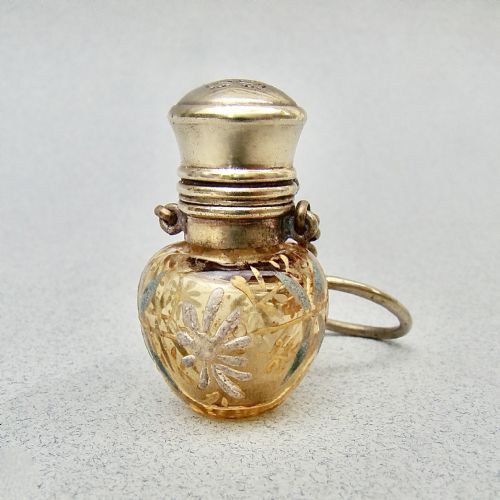
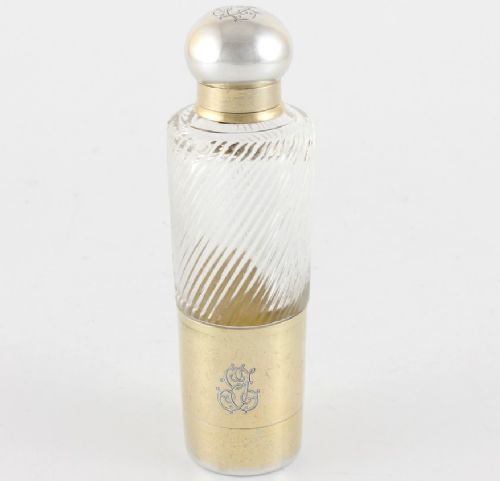
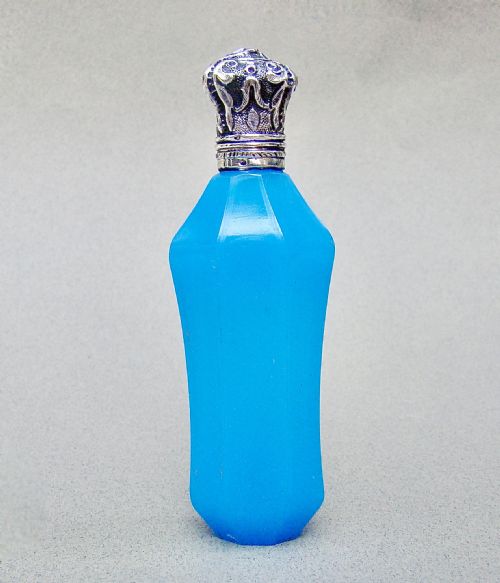
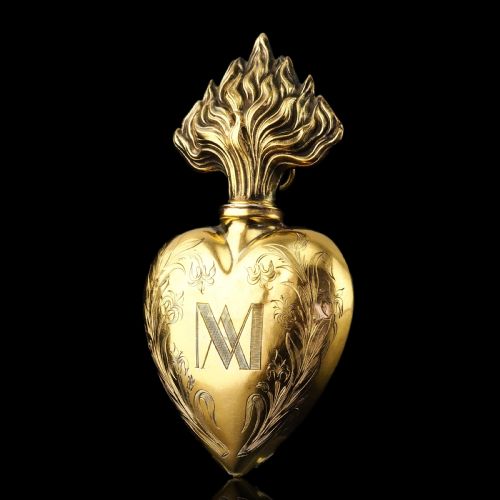
A 19th century french flask takes the form of scent bottles, perfume bottles, and vanity vessels designed for personal use during the Victorian, Restoration, Second Empire, and Belle Epoque periods. These small containers served aristocratic and bourgeois owners who carried scent or medicine on chatelaines or kept them upon dressing tables.
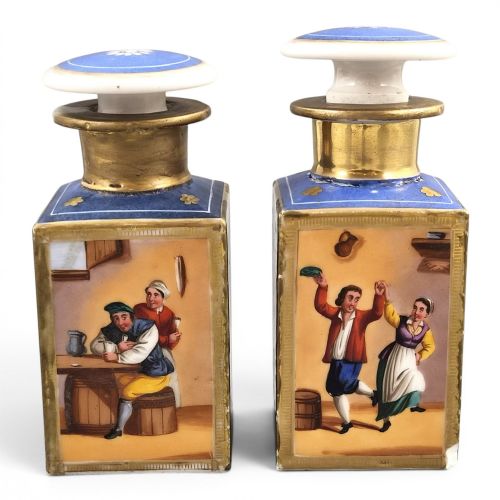
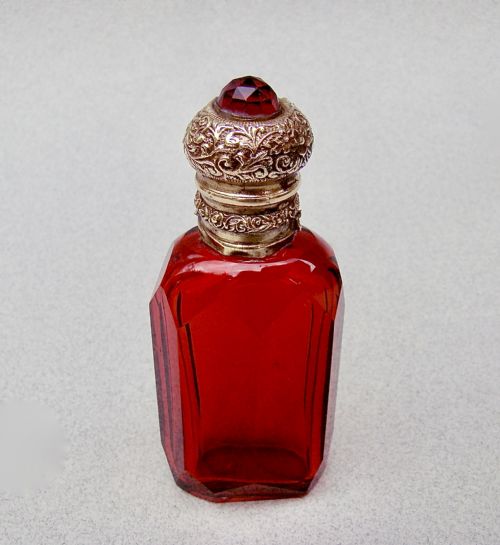
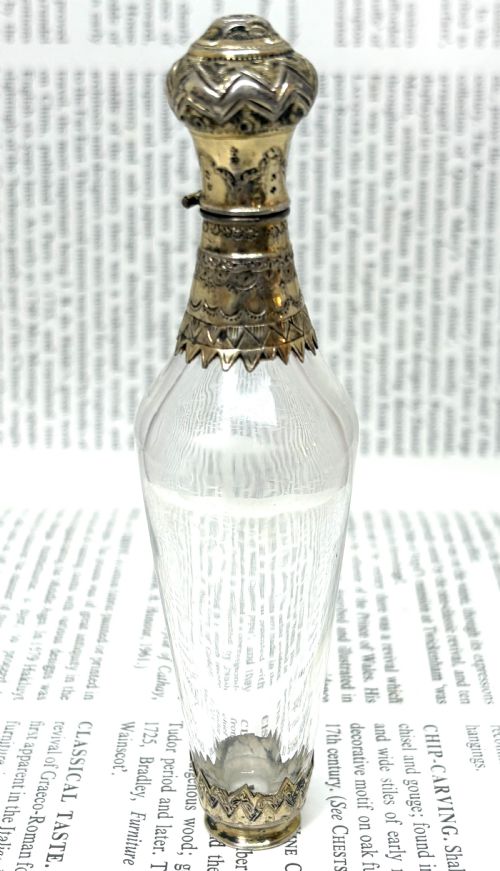
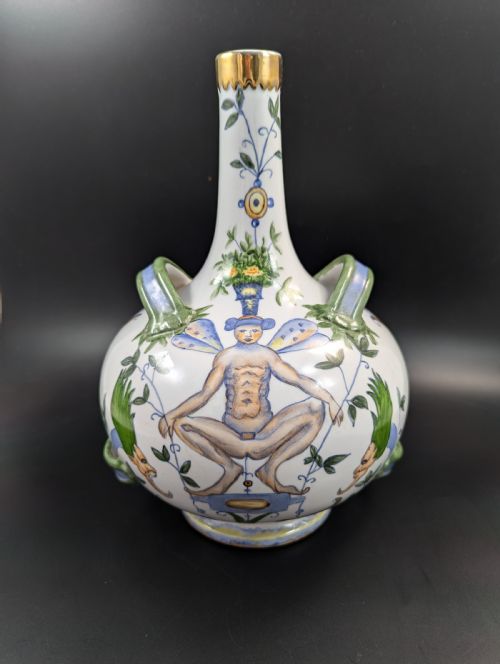
The pieces appearing here include glass scent bottles mounted in silver and ormolu, alongside faience flasks and porcelain perfume bottles decorated with painted scenes. Glass colours range from translucent opaline turquoise and ruby to layered amethyst and cranberry, often enriched with gold leaf or enamel.
Materials and construction
Makers shaped glass by blowing and casing, frequently employing multiple overlays of coloured glass to create deep contrast when cut or carved. Surfaces received rich decoration through gilding, enamel work, and gold leaf applications directly upon the glass body.
Metal mounts utilise silver, silver gilt, vermeil, and ormolu, secured around necks and hinged caps. Potters utilised faience and hard-paste porcelain for ceramic flasks, painting figural scenes by hand before glazing.
Listings feature 19th century glass, silver, gold leaf, enamel, vermeil, ormolu, and gilded metal across Victorian and French Empire styles.
Judging the execution
Quality rests upon the crispness of metal chasing and the weight of the silver or ormolu mounts fitted to the glass. Finer vessels show precise hand-painting on porcelain or enamel, whereas simpler examples rely on plain glass bodies with minimal metal collars.
The complexity of the glass work separates standard flasks from exceptional ones, particularly where triple overlays or intricate cut patterns reveal multiple colour layers beneath the surface.
Tonnel Paris·Jacob Petit·Moser
The 19th Century French Flask Glossary
- Chatelaine
- A decorative belt hook from which women suspended utilitarian items including scent bottles, keys, and watches. It allowed wearers to keep personal accessories close at hand during daily activities.
- Opaline glass
- An opaque or semi-translucent glass developed in France during the nineteenth century, prized for its soft pastel colours. It provided an ideal ground for gilt decoration and enamel painting.
- Ormolu
- Gilded bronze applied to mounts, feet, and collars on nineteenth-century vanity items. The technique involves a mercury-gilding process that produces a deep, lasting metallic lustre.
- Vermeil
- Sterling silver plated with a heavy layer of gold. This material combined the structural strength of silver with the rich appearance of solid gold on bottle caps and pill box mounts.
- Faience
- Tin-glazed earthenware produced in European potteries. These ceramic flasks display opaque white glazes painted with armorial motifs or pictorial scenes.
19th Century French Flask: Frequently Asked Questions
How do I date a 19th century french flask?
Dating relies on stylistic shifts across the century, moving from early Empire and Restoration forms through Second Empire opaline glass to late Belle Epoque chatelaine bottles.
Silver marks, maker stamps, and specific glass overlay techniques further narrow the decade of production.
Were these flasks meant to be carried?
Many examples feature sturdy metal loops or chains designed for suspension from a chatelaine worn at the waist.
Others remained stationary on dressing tables as part of larger vanity sets alongside powder boxes and mirror trays.
What is the difference between ormolu and silver gilt?
Ormolu consists of gilded bronze used primarily for decorative mounts, frames, and heavier structural collars on nineteenth-century glassware.
Silver gilt, or vermeil, is solid silver coated in gold, typically found on bottle caps, pill compartments, and inner stoppers.
How should I clean antique glass and silver?
Glass bodies require gentle cleaning with warm water and mild soap, avoiding harsh abrasives that might damage surface gilding or enamel.
Silver mounts respond best to targeted polishing with a soft cloth, keeping polishes away from the adjacent glass and enamel panels.