






19th Century Folk Portraits
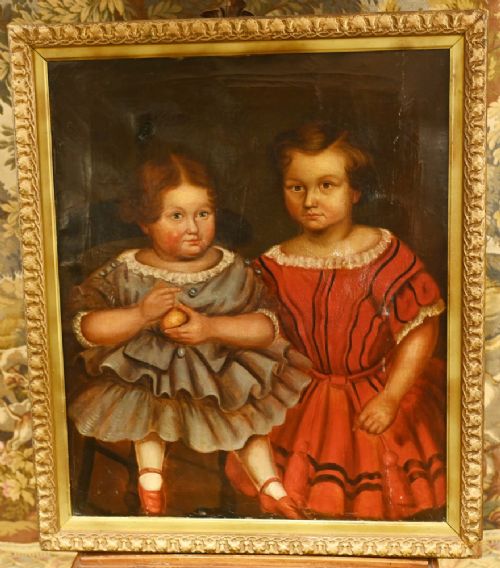
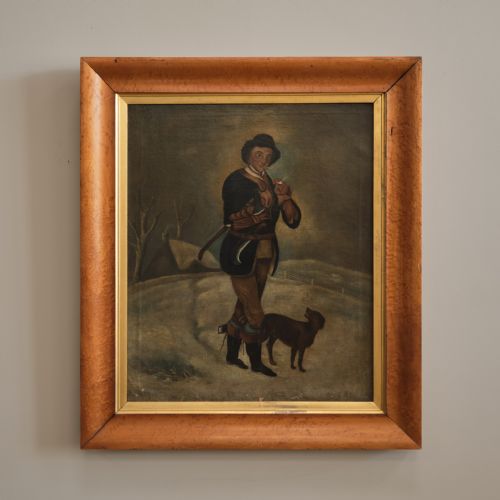
These 19th century folk portraits capture unpretentious likenesses of people, children, and animals through direct, honest brushwork.
19th Century Folk Portraits
When searching for 19th century folk portraits, a buyer encounters visual records created outside mainstream academic traditions. These pieces originate from regional British, American, and Continental workshops, capturing subjects with an unstudied directness.
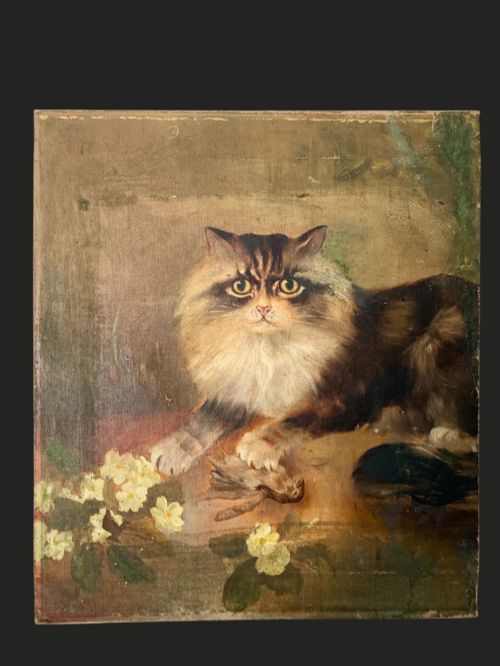
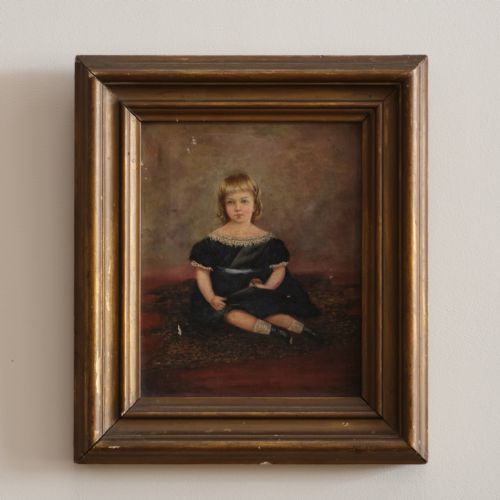
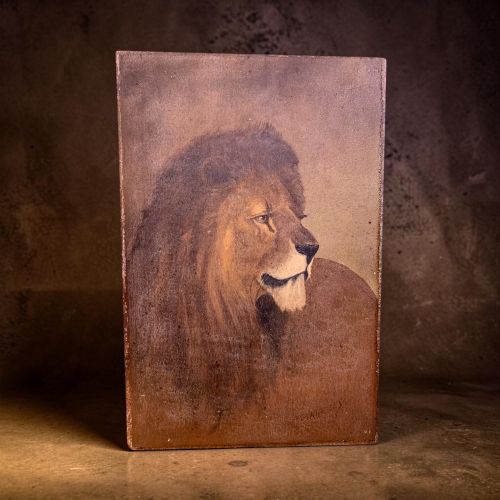
The selections span oil on canvas, watercolour on paper, and panel works showing individuals, children, family groups, and animals. Styles range from English naive art and American primitive painting to 19th century naive school compositions.
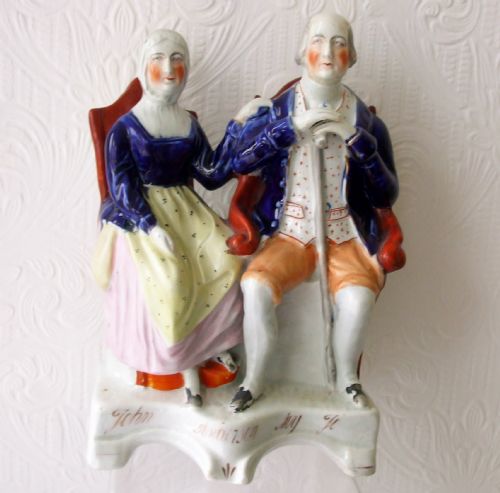
Subjects appear singly, in pairs, or in groups, often posed within domestic interiors or architectural settings. Pieces date across the 19th century, drawing from Regency, Victorian, and later periods of regional portraiture.
How they were made
Makers applied oil paint to canvas or wood boards, utilising straightforward methods that prioritised character over academic proportion. Watercolours on paper also occur, occasionally enhanced with gold leaf or framed in rosewood.
Materials reflect local availability, utilising standard woven canvas stretched over wooden frames, sturdy wooden panels, and heavy paper sheets. Pigments were brushed directly onto prepared surfaces without the elaborate underpainting typical of official academy portraits.
One determined sitter appears alongside a wooden leg and an attentive cat.
What varies in quality
Quality rests upon the strength of the characterisation and the confidence of the brushwork. The most successful examples achieve a striking immediacy through bold line and direct gaze, despite a departure from strict anatomical proportions.
Compositional complexity also distinguishes the range, moving from simple bust-length depictions to elaborate multi-figure family groups or interior scenes complete with pets and architectural details.
Ferruccio Vitale·W Skinner Auctioneer Chatham Kent
The 19th Century Folk Portraits Glossary
- Naive school
- Art produced by painters without formal academic training, characterised by flat perspective and direct observation. This approach defines much of the regional portraiture from the period.
- Primitive
- A descriptive term for early works displaying simplified forms and unpretentious execution. These pieces rely on raw visual impact rather than refined technique.
- Regency
- The period spanning the early 19th century, associated with distinct fashions and portrait conventions. Pieces from this era often feature specific costume details that aid dating.
- Watercolour
- A paint medium consisting of water-soluble pigments applied to paper. In these listings, watercolours capture delicate details in domestic settings.
- Oil on canvas
- Pigment suspended in drying oil applied to woven fabric supports. This medium allows for rich colour depth and textural application.
19th Century Folk Portraits: Frequently Asked Questions
What defines a folk portrait?
These works are created by self-taught or provincial painters working outside official academic standards. They focus on honest representation rather than formal academic rules.
Subjects often display direct expressions, flat perspectives, and simple colour palettes that emphasise individuality over academic perfection.
How do I date these portraits?
Dating relies on costume details, hairstyles, and framing materials recorded across the 19th century. Written inscriptions on the reverse or paper labels also provide specific chronological clues.
Comparative analysis with documented regional schools helps place undated pieces within specific decades like the Regency or Victorian eras.
Where were these portraits displayed?
Original owners hung these paintings in modest parlours, farmhouses, and provincial homes across Britain, Europe, and America. They served as personal mementoes and family records.
Today, they suit domestic interiors seeking historical character and unpretentious wall art with a distinct narrative.
Are animals common in these works?
Animals frequently appear alongside human subjects, including dogs, cats, birds, and livestock. These inclusions often symbolise fidelity, status, or domestic harmony.
Artists painted pets with the same direct, unpretentious observation applied to the human sitters.