


19th Century Folk Box
A 19th century folk box brings raw vernacular character and honest regional craftsmanship straight into a modern interior.
19th Century Folk Box
A 19th century folk box encompasses a wide domestic and maritime vocabulary, ranging from pocket-sized pocket containers to large marriage chests and coffres. The pieces appearing most frequently on this page originate from Scandinavian, English, and continental workshops, reflecting the everyday utility of rural communities.
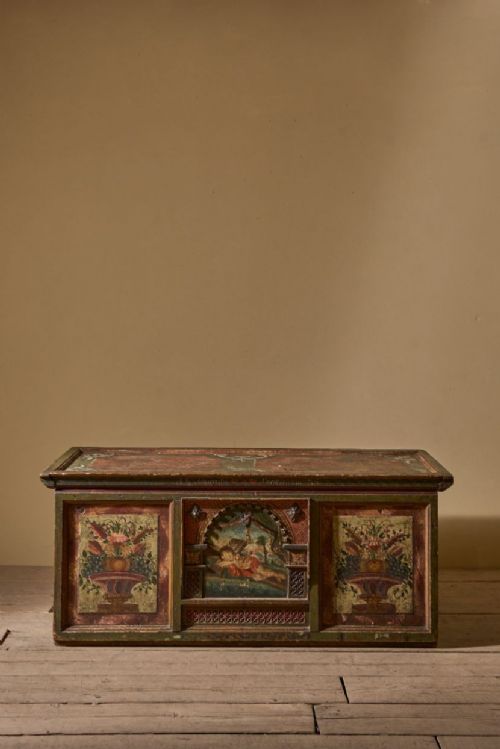
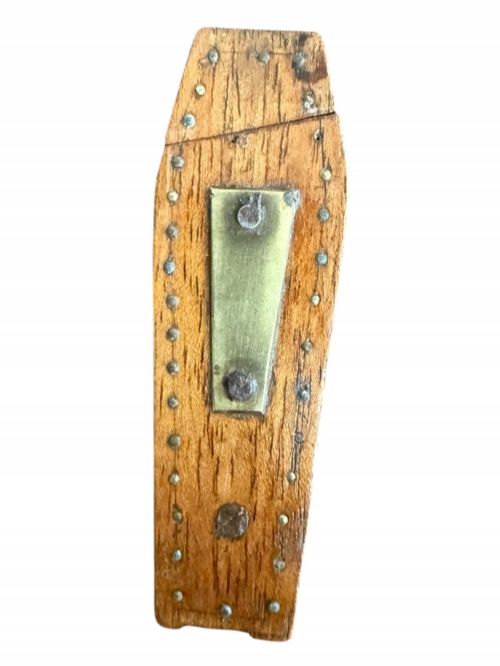
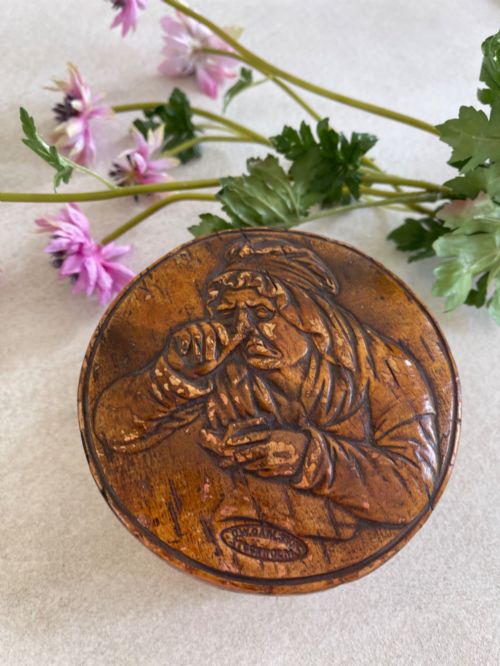
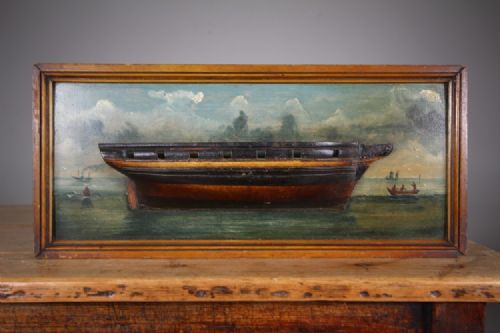
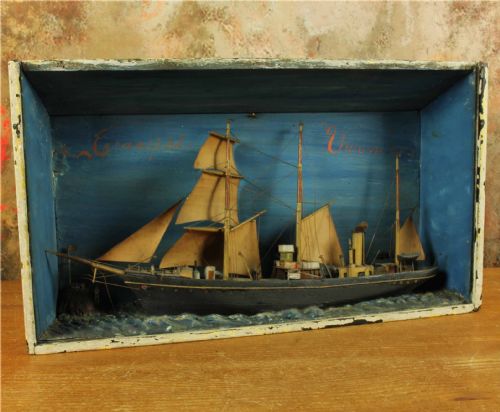
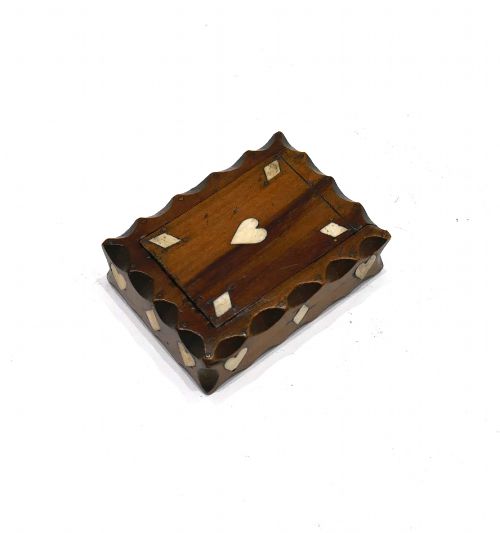
Smaller examples include carved treen snuff boxes, miniature puzzle boxes, and delicate straw-work containers made by prisoners of war. Larger domestic items include painted pine marriage chests, dome-top storage boxes, and intricately detailed maritime dioramas housed in glazed wooden cases.
Materials and Construction
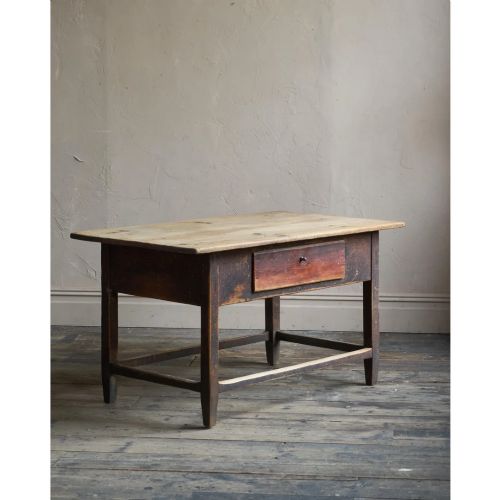
Makers relied primarily on native pine and fruitwood, shaping boards with simple hand tools before applying layers of oil-based pigment, paint, or pen work. Many surfaces display chip carving, bone inlay, or applied twig and straw decoration that transforms basic timber into expressive folk art.
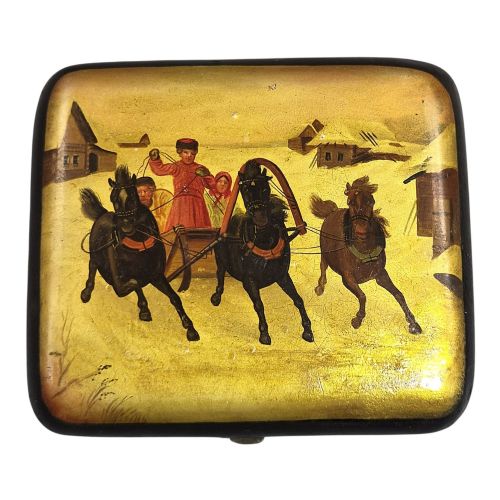
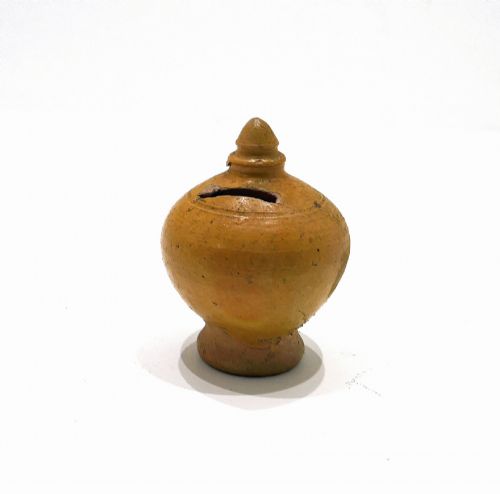
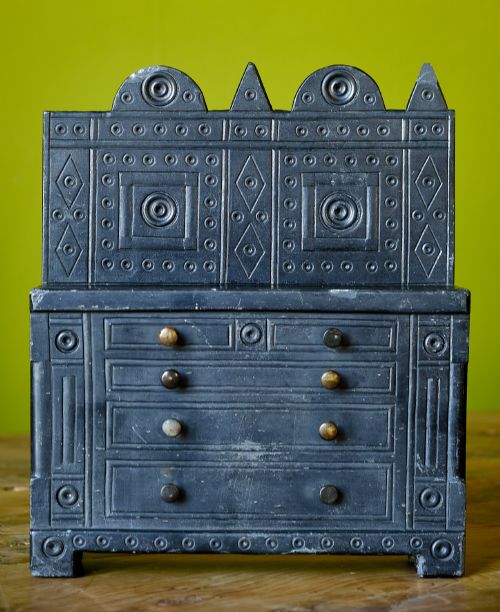
Iron hinges, wrought iron clasps, and brass hardware provide functional security for strong boxes and travel trunks. Lacquer, earthenware, and carved slate occasionally appear alongside traditional wood construction to create specialised money boxes and lacquer cigarette cases.
Pine, paint, iron, and wood dominate the material palette across these nineteenth-century folk storage containers and decorative boxes.
Assessing the Pieces
The distinction between ordinary utility items and exceptional pieces rests in the integrity of the original surface and the ambition of the carving. Surviving paintwork that retains its uncleaned vibrancy and untouched patination commands greater appreciation than stripped or heavily restored timber.
Execution matters in vernacular objects, separating hesitant domestic carving from confident, spirited hand work. Details such as crisp chip carving, intact maritime rigging within a diorama, and legible painted dates elevate an everyday container into a compelling piece of folk history.
Vishnyakov Workshop·G Cobb
The 19th Century Folk Box Glossary
- Treen
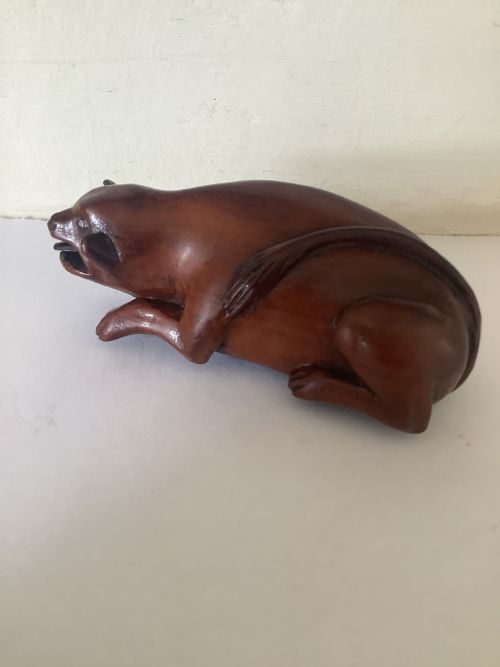
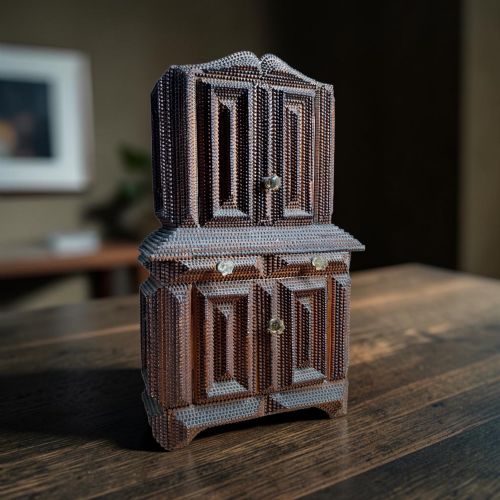
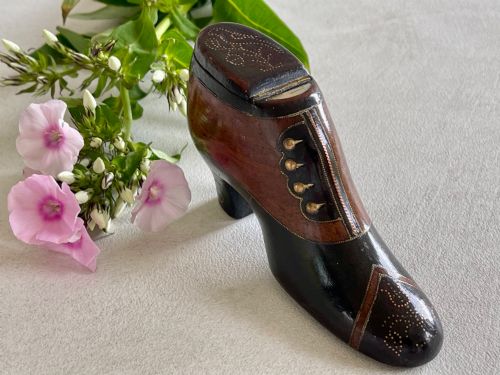
- Small handmade wooden objects for domestic use. This category covers everything from pocket snuff boxes to carved shoe-form containers.
- Diorama
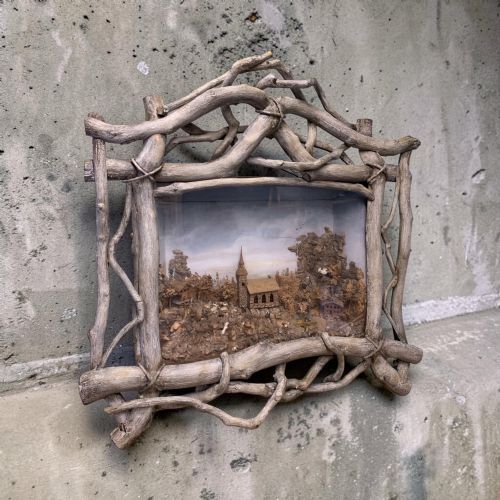
- A three-dimensional scene enclosed within a glass-fronted case. Maritime examples typically feature model sailing vessels set against painted backgrounds.
- Coffer
- A heavy wooden storage chest fitted with a hinged lid. These sturdy boxes frequently served to store linen, documents, or valuables in rural homes.
- Snuff box
- A small pocket container designed to hold powdered tobacco. Makers often embellished these lids with intricate bone inlay, chip carving, or painted portraits.
- Straw work
- Decorative inlay created using split and flattened cereal stalks. French prisoners of war famously produced intricate boxes using this technique during the Napoleonic conflicts.
19th Century Folk Box: Frequently Asked Questions
What were 19th century folk boxes used for?
These containers served practical everyday functions in homes, workshops, and aboard ships. People used smaller treen pieces for carrying snuff or tobacco, while larger painted chests stored marriage linens, dry goods, and family documents.
Maritime examples, such as diorama boxes, functioned primarily as commemorative display pieces rather than storage vessels. Verwood pottery money boxes collected coins, and strong boxes secured valuables with iron locks.
How do I care for an antique painted box?
Keep painted wooden boxes away from direct sunlight and steady heat sources to prevent the pigments from fading and the timber from splitting. Dust the surfaces gently with a dry, soft cloth without applying modern furniture polish.
Wax finishes require infrequent maintenance, but original unsealed paint should remain untouched by liquid cleaners or harsh chemicals. Stable room temperatures protect both the underlying pine and fragile surface decorations.
How can I tell if the paint is original?
Original folk paint shows natural wear, subtle craquelure, and an integrated relationship with the wood beneath over decades of handling. Under close inspection, genuine early surfaces display harmonious pigment fading and accumulated age beneath the varnish.
Modern repainting often leaves uniform brush marks, artificial distressing, or bright chemical colours that sit flatly on the timber. Look for consistent wear patterns around lid edges and handles where hands naturally touched the box.
What is maritime folk art?
Maritime folk art encompasses objects made by sailors, coastal residents, and self-taught craftsmen inspired by life at sea. The category includes cased dioramas of sailing ships racing, bone models, and framed ship portraits.
These pieces capture naval history and personal seafaring experiences using readily available materials like cork, twigs, glass, and wood. Makers often constructed them during long voyages aboard clipper ships.