



19th Century Family Portrait
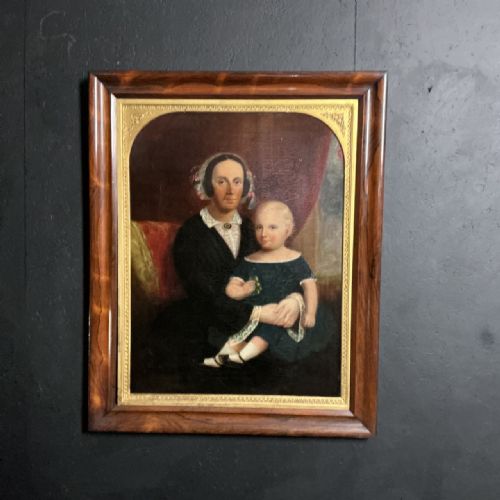
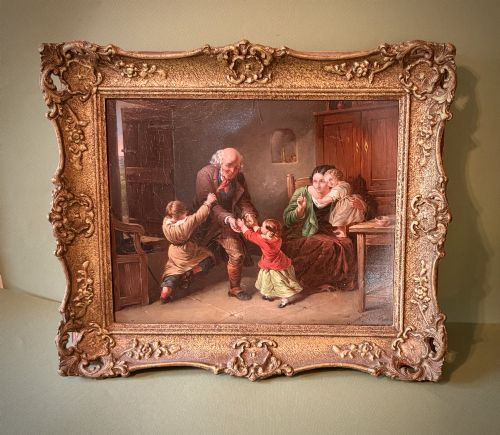
A 19th century family portrait captures domestic lineages and intimate domestic moments through oil, watercolour, and silhouette.
19th Century Family Portrait
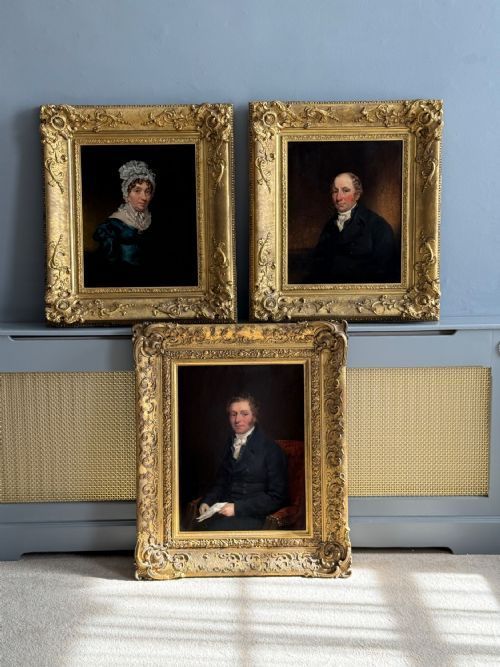
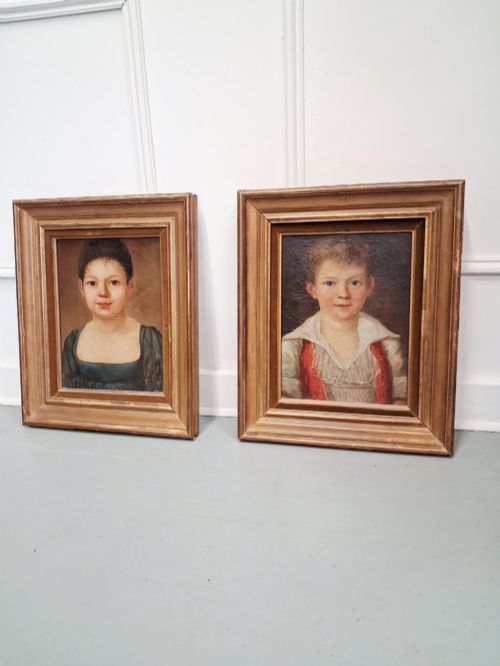
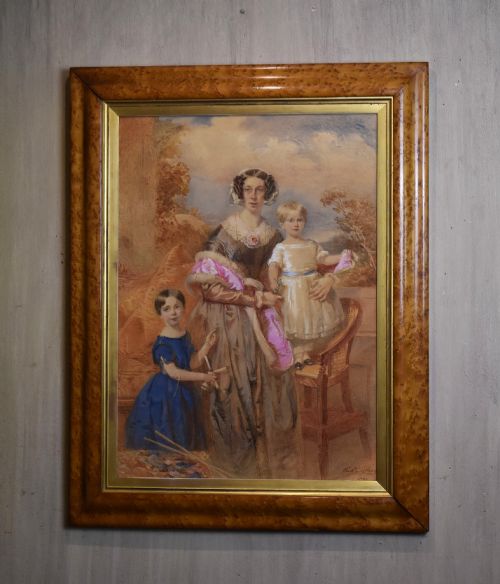
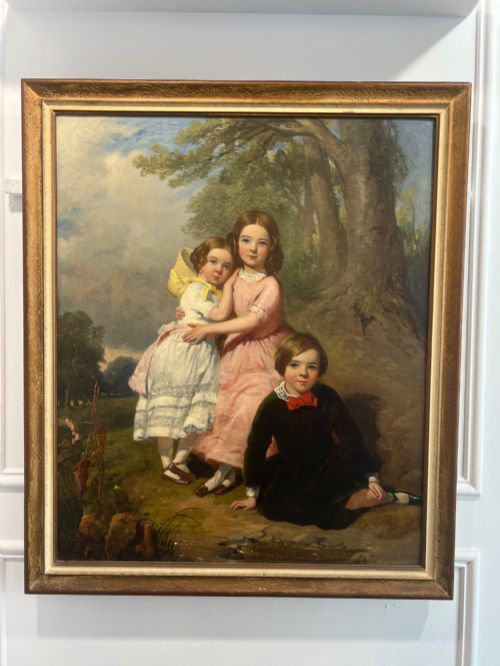
A 19th century family portrait records the likenesses of parents, children, and kin through various visual media. Buyers encounter oil paintings on panel or canvas alongside delicate watercolours and paper silhouettes.
The selections span British, continental European, and Chinese works, ranging from formal aristocratic groupings to naive folk art and interior domestic scenes.
Framed watercolours and oil paintings dominate the selection, often preserved in original giltwood or wood frames that complement the period aesthetic.
Materials and construction
Artists painted primarily with oil or watercolour applied to paper, canvas, or wooden panels. Watercolours often utilised paper supports housed behind protective glass within wooden or gilt frames.
Makers shaped pottery figures using ceramic techniques to produce Staffordshire portrait groups with painted polychrome details. Silhouettes utilised cut paper or ink work mounted on backing sheets.
19th Century Family Portrait Retail Price Guide 2026
Typical asking prices for 19th century family portrait among the pieces listed under this phrase on Sellingantiques today, from the lower quarter to the upper quarter. They describe what is for sale here now, not the wider market.
A naive watercolour interior includes a pet dog and goldfish keeping watch over the family.
Factors determining quality
The preservation of original frames, contemporary annotations, and untarnished paper or pigment condition elevates the historical integrity of the artwork.
Joseph Clover RA·Frederick Tatham·William Egley·Alfred Darbyshire·John E Bosanquet·Sir Thomas Lawrence·Alexander Melville·Georges Woodley
The 19th Century Family Portrait Glossary
- Silhouette
- A portrait profile cut from black paper or painted in solid dark ink on a light background. These cutouts capture profiles with crisp outlines.
- Watercolour
- A paint consisting of pigment suspended in a water-based solution, applied to paper surfaces. This medium yields translucent washes and fine linear detail.
- Oil on panel
- A painting executed with oil colours upon a prepared wooden board rather than stretched canvas. This rigid support preserves the pigment layer over centuries.
- Staffordshire pottery
- Earthenware figures produced in the pottery districts of Staffordshire, often depicting royal or family group subjects. These glazed ceramics feature hand-painted coloration.
- Ancestor painting
- A formal portrait commissioned to honour familial lineage and deceased forebears, frequently seen in Chinese traditions. These works record specific dress and rank.
19th Century Family Portrait: Frequently Asked Questions
How do I identify a Victorian family portrait?
Look for clothing styles, hairstyles, and framing materials characteristic of the nineteenth century. Inscribed dates or contemporary notes on the reverse often confirm the exact decade.
Watercolours and oil paintings from this era frequently employ specific paper weights and pigment types associated with nineteenth-century studios.
What is a silhouette conversation piece?
A silhouette conversation piece depicts multiple family members interacting within a domestic interior rather than a single isolated profile. These group compositions record familial relationships through silhouettes.
Artists cut these figures from paper and arranged them against painted or drawn backgrounds.
Are these portraits always painted in oil?
No, artists utilised diverse media including watercolour, ink, and ceramic in addition to oil paint. Paper and panel supports appear frequently alongside traditional canvas.
Staffordshire potteries also produced three-dimensional ceramic portrait figures representing family groups.
How should I care for a paper watercolour portrait?
Keep works on paper away from direct sunlight to prevent the fading of watercolour pigments and paper yellowing. Maintain stable room humidity to protect both the paper support and the frame.
Displaying pieces behind protective glass shields the delicate painted surface from dust and atmospheric moisture.