
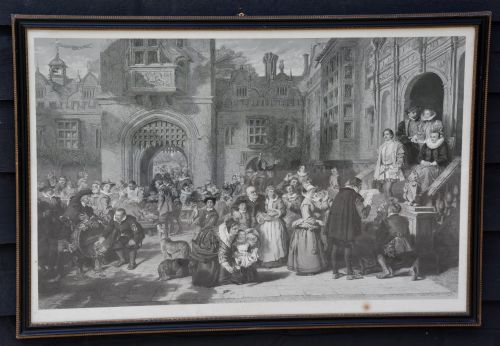
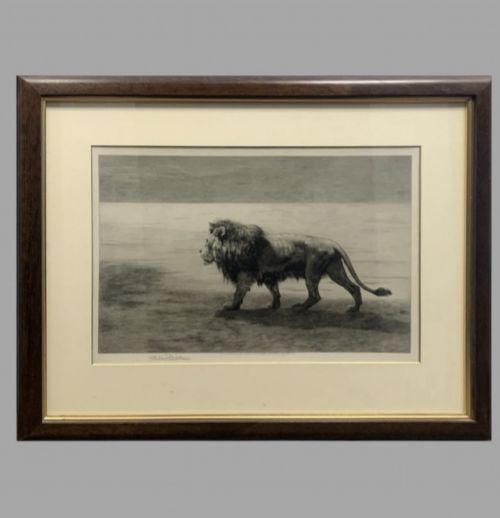


19th Century Etching Print
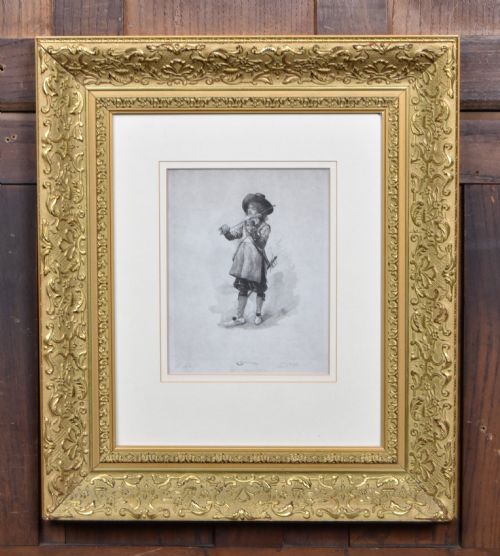
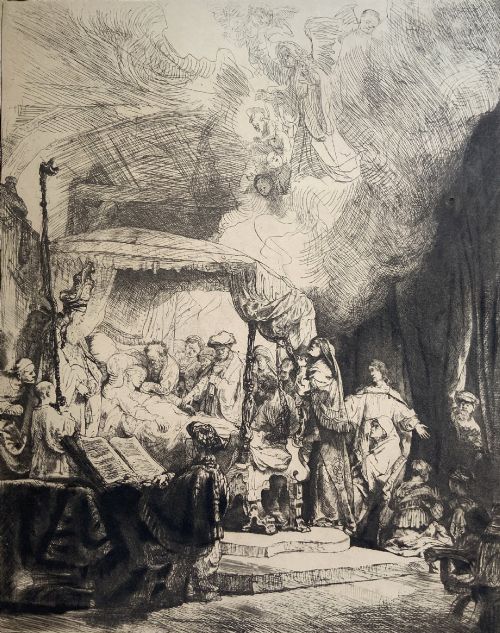
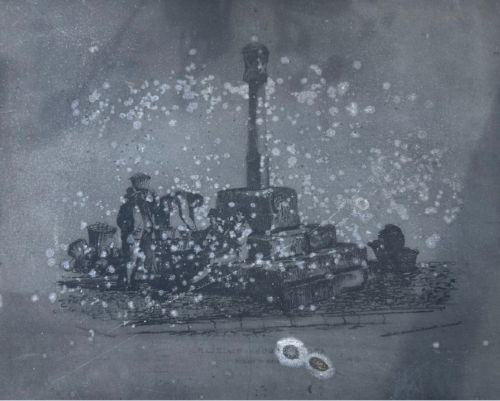
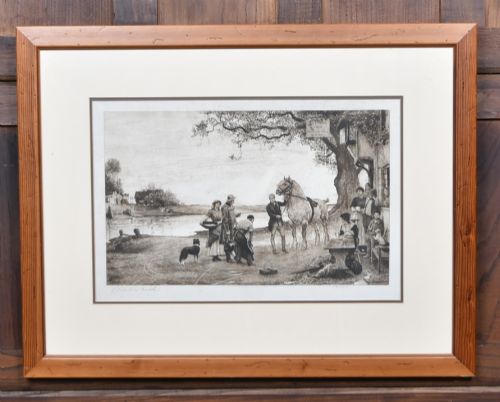
These 19th century etching print examples offer historical graphic works framed in wood and glass, bringing period subjects to interior walls.
19th Century Etching Print
A 19th century etching print encompasses framed wall art and engravings originating from Victorian, Georgian, and Regency periods. Buyers typically encounter works depicting classical subjects, rural scenes, portraits, and architectural views.
The selections span diverse forms including hand-coloured plates, drypoint works on vellum, and larger framed compositions housed in original Hogarth surrounds. These pieces function primarily as framed art for domestic interiors.
Origins stretch across British, French, and Dutch traditions, reflecting the widespread output of nineteenth-century printmakers and publishers. The physical items combine paper sheets, ink media, and protective glass framing.
Materials and Techniques
Makers utilised paper and vellum as the primary substrates for receiving ink impressions from copper or metal printing plates. Hand colouring and watercolour tints were frequently applied after the initial printing process to enhance visual detail.
Frames incorporate wood and gold leaf or gilt finishes, sometimes retaining original protective glass and backing structures. Metal printing plates themselves occasionally survive alongside the printed sheets.
Listings feature paper, ink, and watercolour materials housed within wood and gilt frames across Victorian, Regency, and Georgian periods.
Assessing Print Quality
Quality rests upon the clarity of the line impression and the preservation of the paper or vellum surface. Stronger examples maintain crisp ink transfer without blurring or excessive fading.
The presence of artist signatures, proof designations, or contemporary hand colouring elevates a work's standing. Original period framing also contributes to the overall integrity of the piece.
Amand Durand·Robert W Macbeth·Herbert Dicksee·Gustave Dore·John Curtis·Alessandro Mocchetti
The 19th Century Etching Print Glossary
- Etching
- A printmaking method where acid bites lines into a metal plate to hold ink. This process allows for fine detail and varied tonal depth.
- Drypoint
- A printmaking technique in which an image is scratched directly into a metal plate with a sharp needle. This creates a distinctive velvety burr along the lines.
- Engraving
- A process of cutting a design directly into a hard plate using a burin tool. It results in clean, precise lines.
- Vellum
- A fine parchment prepared from calfskin used as a durable drawing or printing surface. Collectors value its smooth texture and longevity.
- Artist Proof
- An impression taken during the printmaking process to check the state of the plate before the main edition. These often carry the artist's signature.
19th Century Etching Print: Frequently Asked Questions
What is an etching print?
An etching print is a work created by biting lines into a metal plate with acid before transferring the inked design to paper.
These pieces capture detailed graphic imagery popular throughout the nineteenth century for domestic display.
How were these prints used?
Nineteenth-century households displayed these works as framed wall art within parlours, studies, and hallways.
Publishers also issued them in sets or portfolios for collectors to bind or mount separately.
How do I care for framed prints?
Keep framed pieces away from direct sunlight to prevent the ink and paper from fading over time.
Maintain stable indoor humidity to protect the paper substrate and the wooden frame structures.
How do I identify a Victorian print?
Examine the paper type, framing materials, and subject matter for characteristics typical of the nineteenth century.
Signatures, publisher inscriptions, and plate marks often provide clues to the production date.