


19th Century Entry Chairs
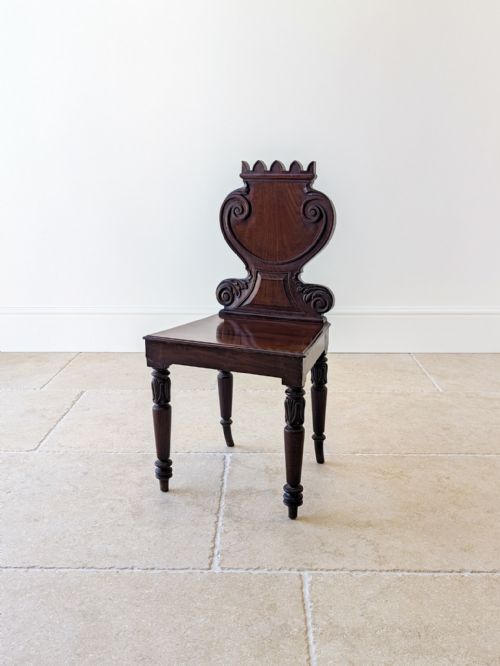
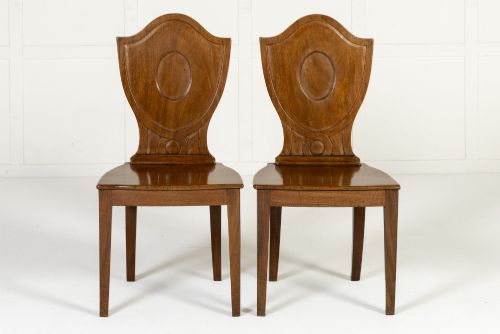
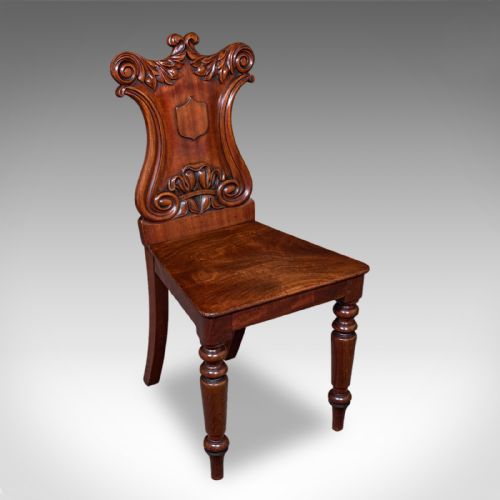
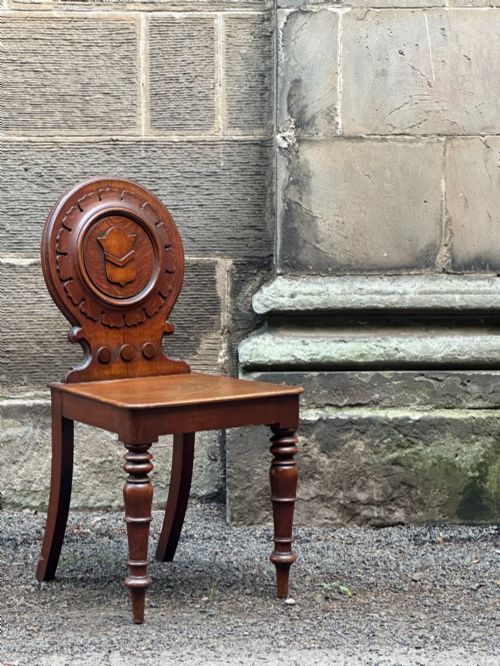
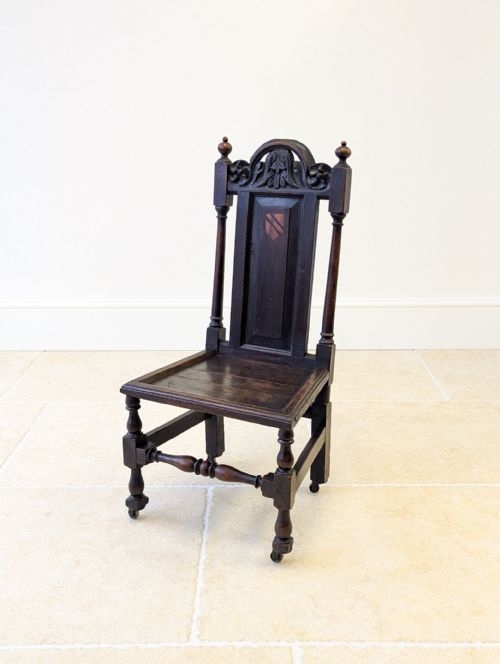
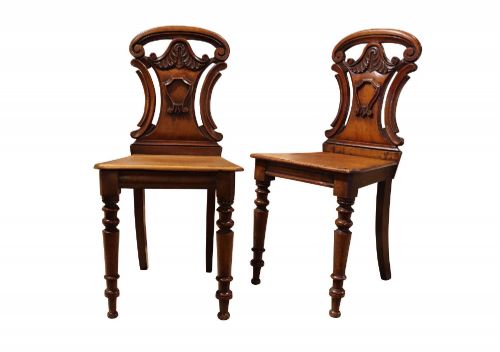
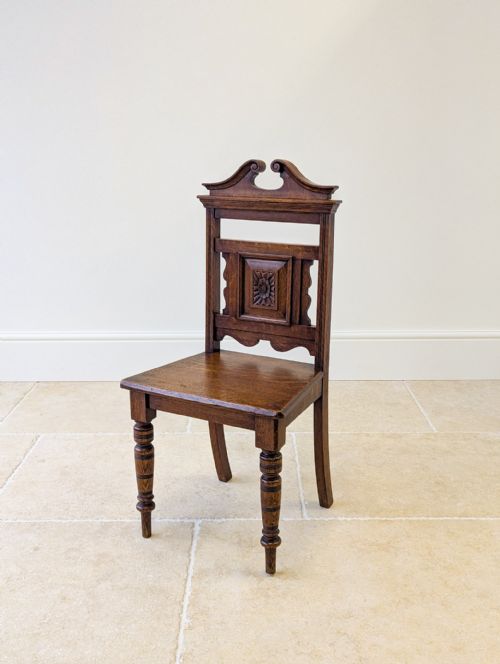
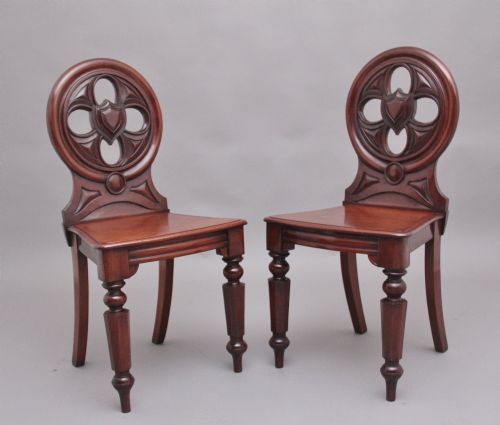
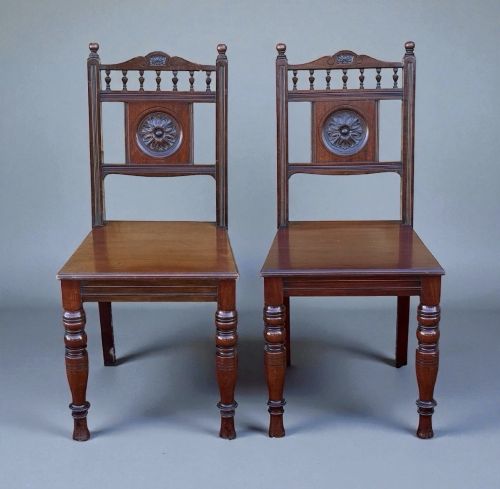
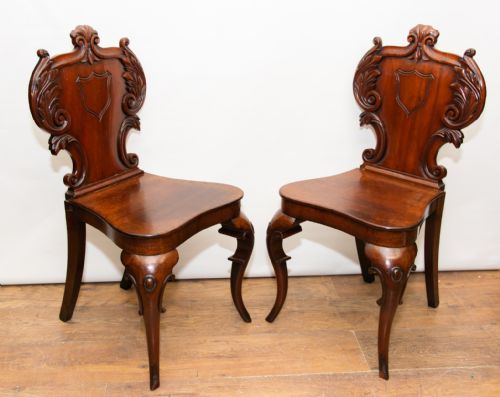
These 19th century entry chairs combine robust timber construction with sculptural carving, offering a practical seating option for hallways and grand foyers.
19th Century Entry Chairs
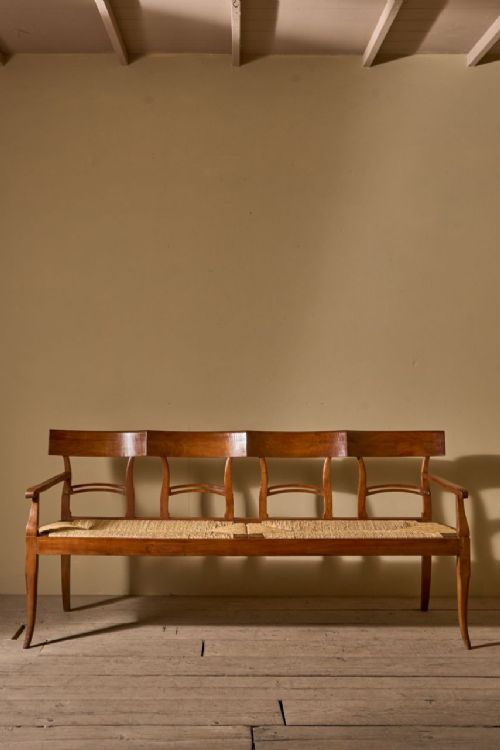
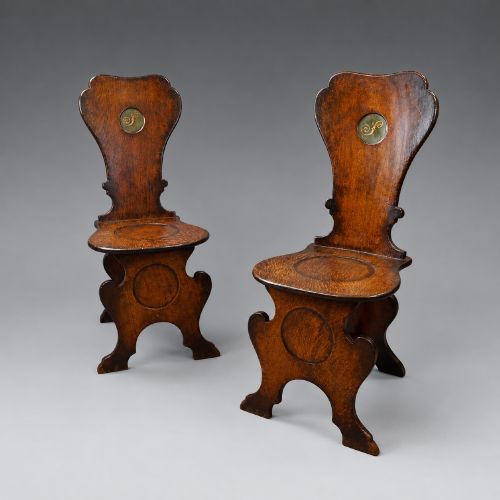
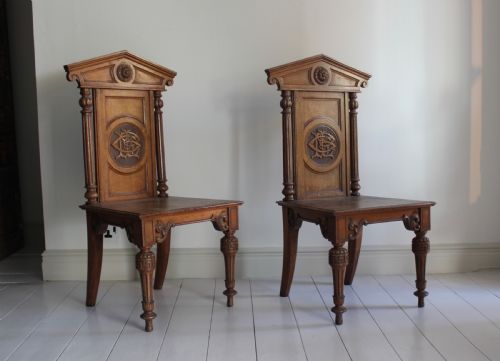
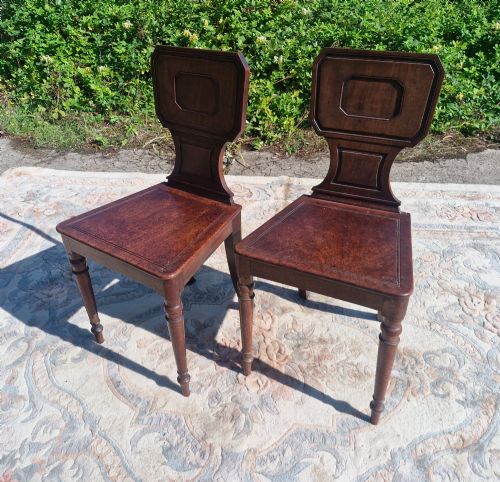
The selection on this page centres heavily on hall chairs and hall benches spanning the Victorian, Regency, and William IV periods. Mahogany and oak dominate the timber choices, often complemented by carved wooden seats, shell backs, and occasional upholstery or rush seating.
How they were made
Cabinetmakers utilised dense hardwoods such as mahogany, oak, and walnut, shaping them through traditional joinery and hand carving. Many examples incorporate intricate relief work on solid timber backs, ranging from carved shields and crests to elaborate Gothic Revival tracery.
Details like brass inlay, Minton tiles, and turned wooden supports appear on specific pieces, demonstrating varied surface enrichment alongside structural framing in pitch pine, cherrywood, and standard timber.
Current listings feature styles spanning Gothic Revival, French Provincial, and Jacobean Revival.
What varies in quality
The distinction between standard examples and superior pieces rests upon the depth of the carving, the choice of timber, and the attribution to known makers. Crisp execution of shell backs and heraldic motifs separates ordinary work from exceptional cabinetmaking.
Proportion and structural integrity define the higher tier of these chairs, where balanced lines and heavy, unwarped mahogany or oak indicate superior workshop standards from periods like the Regency and Victorian eras.
Gillows·Holland & Sons
The 19th Century Entry Chairs Glossary
- Shell back
- A wooden chair back carved in the distinct shape of a scalloped scallop shell. This motif was particularly popular in Regency and early Victorian designs.
- Sgabello
- An early Renaissance style of chair featuring a wooden seat and trestle supports, often heavily carved. These appear in revival forms during the nineteenth century.
- Gothic Revival
- An architectural and decorative style drawing on medieval forms, featuring pointed arches and tracery. It is frequently seen on oak hall chairs from the mid-nineteenth century.
- Rush seated
- A seat woven from dried marsh rushes, providing a textured and flexible surface. This technique appears on rustic cherrywood benches.
- Aesthetic Design
- A late nineteenth-century movement prioritising visual beauty over strict historical revival. Pieces in this style often display simpler structural lines with artistic detailing.
19th Century Entry Chairs: Frequently Asked Questions
Where were entry chairs placed?
These chairs were historically positioned in grand hallways, vestibules, and entrance lobbies of large homes. They served as formal seating for visitors waiting to be announced.
Today, they function well in modern entryways or corridors as decorative accent pieces that offer a brief surface for resting.
Are these chairs comfortable for daily seating?
Most hall chairs were built with solid wood or rush seats rather than deep upholstery, as they were intended for brief usage rather than long lounging. Their upright backs encourage a formal posture.
Placing them in an entryway suits their original purpose, where comfort is secondary to visual impact and sturdy construction.
How do I identify a Regency hall chair?
Regency pieces often display classical proportions, clean lines, and dark mahogany timber. Details like brass inlay, reeded legs, and oval backs frequently point to this earlier nineteenth-century aesthetic.
Makers from this era leaned towards neoclassical motifs, distinguishing them from the heavier, more ornate carvings of later Victorian revival styles.
What woods were commonly used?
Mahogany and oak are the most frequent materials found in these listings, valued for their durability and rich grain. Walnut, pitch pine, cherrywood, and timber also appear across different regional styles.
Cabinetmakers selected these hardwoods to withstand heavy daily use in busy household entranceways without losing their structural form.