

19th Century Elm Chairs
These 19th century elm chairs combine robust country craftsmanship with tactile timbers, offering functional seating that grounds modern interiors.
19th Century Elm Chairs
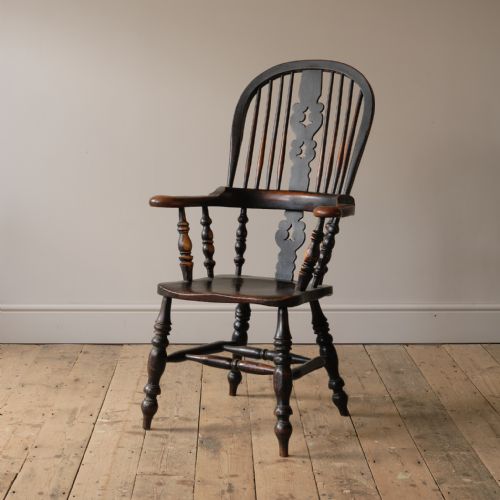
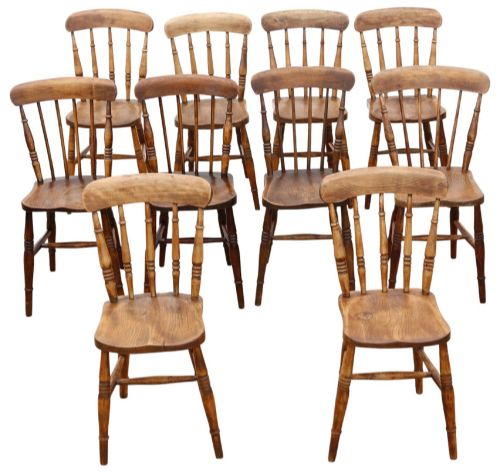
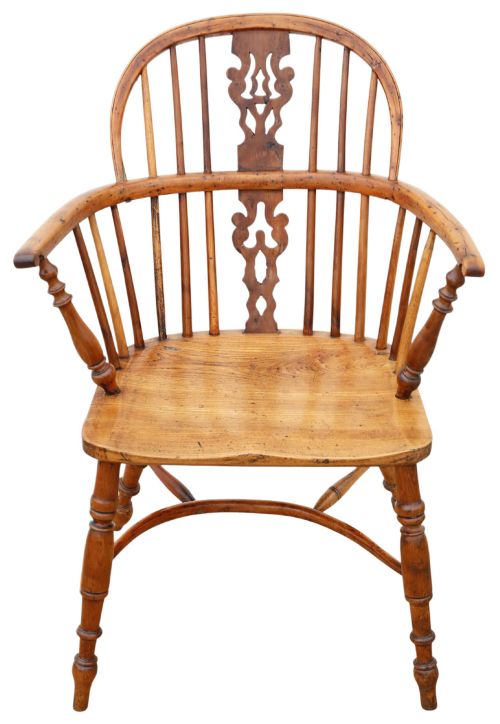
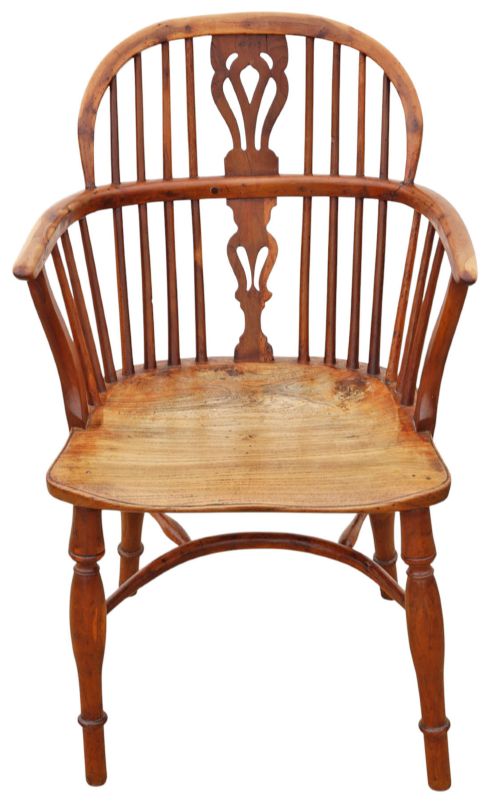
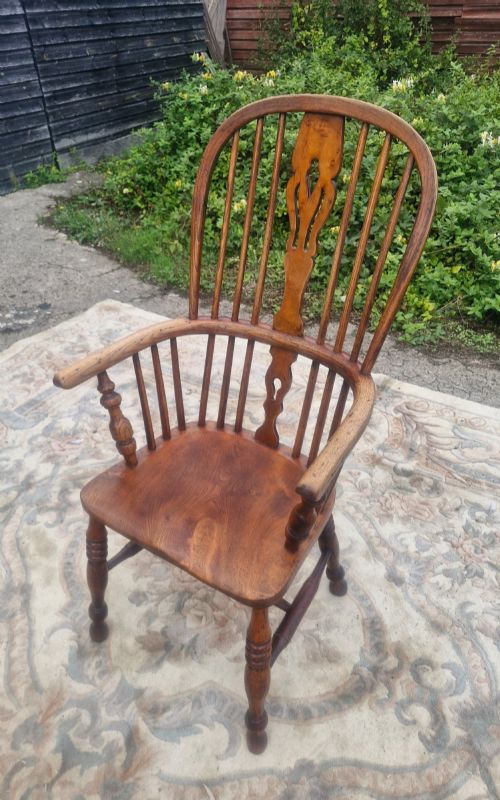
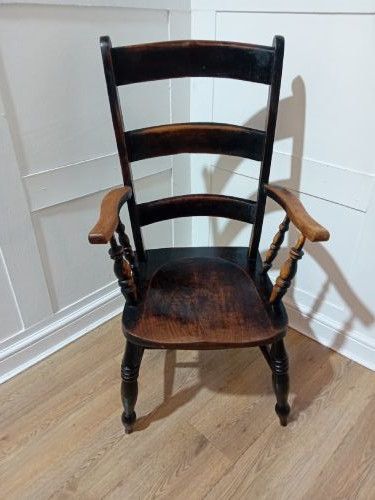
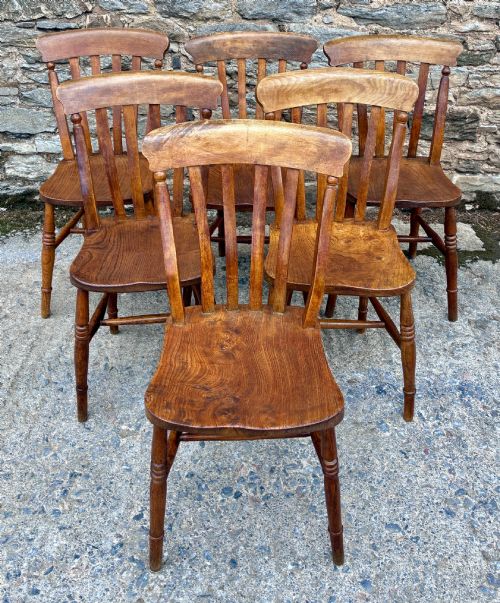
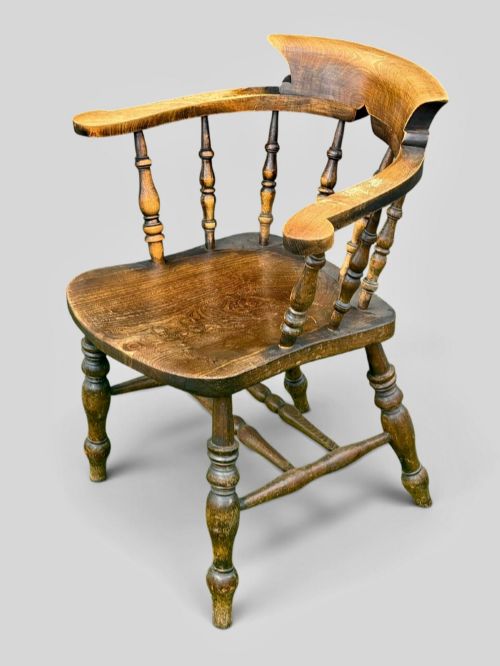
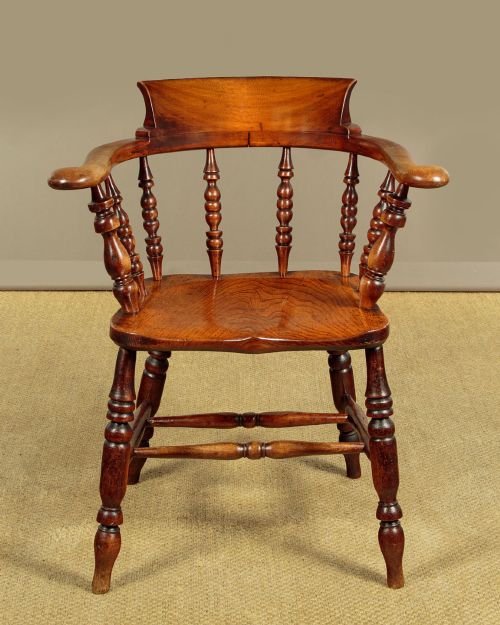
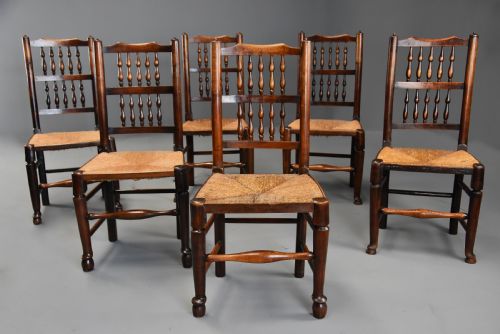
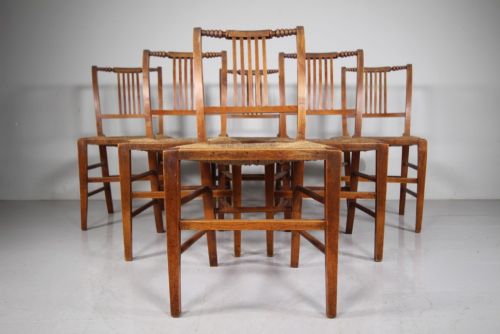
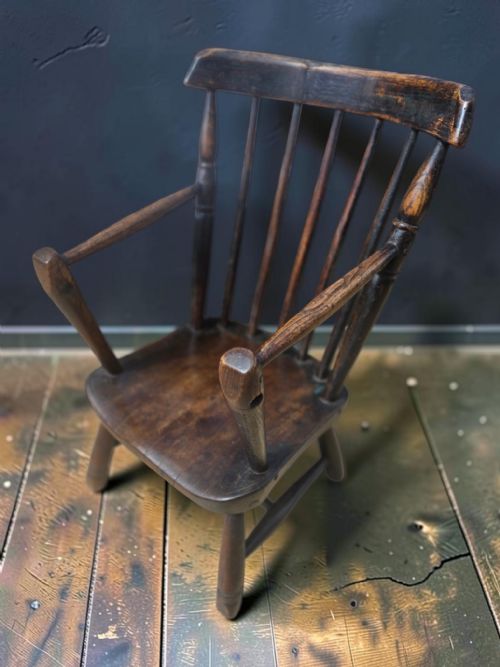
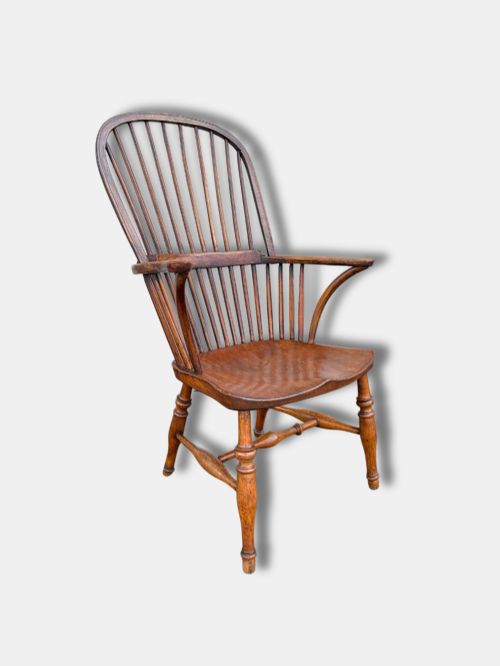
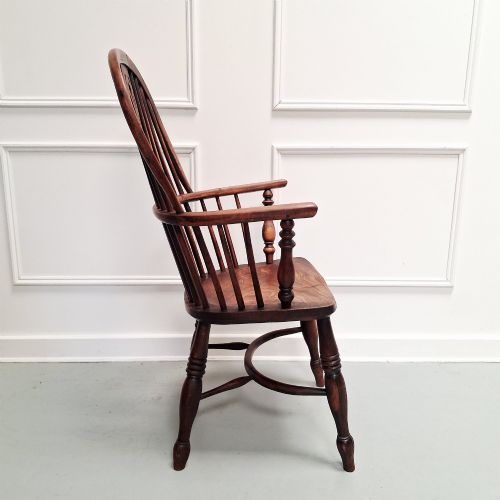
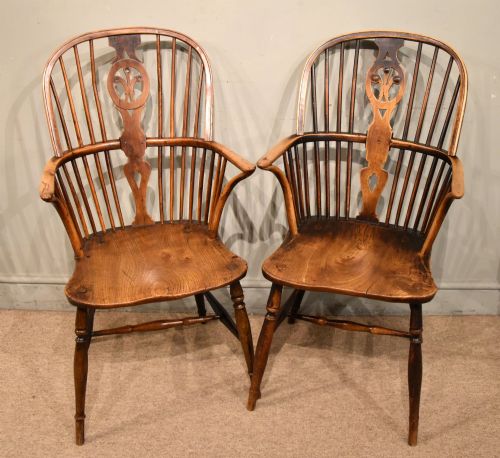
When searching for 19th century elm chairs, you encounter a diverse range of vernacular seating born from regional English workshops and farmhouse traditions. These pieces span sturdy Windsor armchairs with high or low backs, matched dining sets, and low-slung smokers bows designed for comfort and heavy daily use.
The material identity of these chairs relies heavily on elm for solid, figured seats, frequently paired with ash, beech, or yew for spindles, legs, and bows. Regional variations emerge clearly across Thames Valley, Cheshire, and West Country styles, showing distinct turning patterns and back designs.
Beyond standard dining and armchairs, the selection encompasses children's chairs, settles, benches, and occasional desk chairs. Alongside English country vernacular, the inventory occasionally captures Chinese elm yokeback and horseshoe forms featuring original lacquer.
How they were made
Makers utilised elm for seats because its interlocking grain resisted splitting under the downward pressure of spindles and legs. This dense, figured timber was then combined with straight-grained ash or beech for turned components and steam-bent back bows.
Joinery relied on traditional Windsor construction, where legs and back spindles were wedged directly into bored holes in the thick solid elm seat plank. Where rush seating appears, craftsmen wove natural fibres tightly over wooden frames to create resilient, supportive pads.
Listings demonstrate that elm was frequently paired with ash and beech in 19th century regional Windsor seating.
What varies in quality
The distinction between ordinary utility seating and superior examples rests upon the choice of secondary timbers and the crispness of the turning. Pieces incorporating highly figured yew wood or rich burr elm alongside well-sculpted saddle seats occupy the upper tier of craftsmanship.
Patina and originality dictate long-term desirability, separating chairs retaining undisturbed surface finishes and original leg heights from those altered by extensive repairs or modern stripping. Matched sets displaying consistent grain and uniform weathering command greater recognition than harlequin assemblies gathered later.
J Spencer
The 19th Century Elm Chairs Glossary
- Windsor chair
- A wooden chair constructed with a solid timber seat into which the legs and back spindles are separately inserted. This structural method creates a resilient, unified frame characteristic of country furniture.
- Smoker's bow
- A low-backed Windsor armchair featuring a continuous curved arm rail supported by turned spindles. These chairs gained popularity in domestic kitchens and public houses during the Victorian period.
- Harlequin set
- A collection of chairs that share a similar style, period, and material but were gathered together after their original manufacture. They offer matched dining functionality with subtle individual variations.
- Spindle back
- A chair back composed of numerous slender, turned vertical wooden rods. This construction provides flexible back support while maintaining visual lightness.
- Saddle seat
- A thick wooden chair seat carved with concave depressions to mirror human anatomy. Makers shaped elm planks in this manner to enhance comfort during long periods of sitting.
- Yokeback
- A traditional chair design featuring a curved top rail resembling a Chinese ox yoke. These pieces often employ elm and display distinct oriental joinery methods.
19th Century Elm Chairs: Frequently Asked Questions
What is a smokers bow chair?
A smoker's bow is a sturdy, low-backed Windsor armchair designed with a continuous curved arm rail and turned spindles. These chairs were common in 19th century farmhouse kitchens and commercial settings.
They offer compact proportions while maintaining the robust elm and beech construction typical of country seating. Their comfortable arm height makes them practical for everyday use around a desk or dining table.
How do I identify a Windsor chair?
A Windsor chair is defined by its solid wooden seat slab, which serves as the central anchor for all other components. The legs and back spindles fit directly into drilled holes rather than connecting through a conventional frame.
This construction method produces a strong, resilient chair that often incorporates bent ash bows and elm seats. Regional variations across England display distinct turning details on the legs and spindles.
What timber was used for these chairs?
Elm served as the primary material for chair seats because its tangled, interlocking grain prevented splitting when subjected to heavy daily weight. Makers valued elm for its durability and prominent figuring.
Secondary woods such as ash, beech, and yew were chosen for the upright spindles, legs, and bentwood bows due to their flexibility and strength. Occasional pieces incorporated fruitwoods, oak, or exotic Asian elm.
Are harlequin sets matched?
Harlequin sets consist of chairs that share the same period, general style, and materials, but were not originally manufactured as a single unified batch. They display subtle variations in turning, wood grain, or proportion.
Collectors frequently assembled these sets over time to achieve a matching dining capacity. They provide a cohesive historic appearance while reflecting how country furniture was historically acquired.