
19th Century Desk Ornament
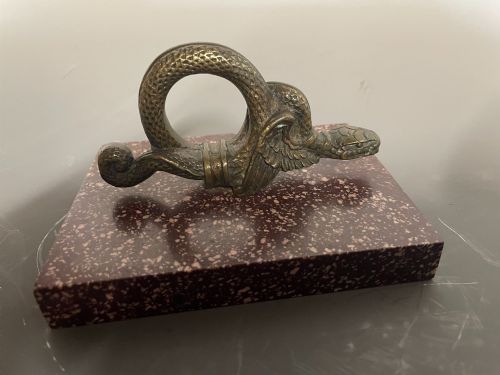
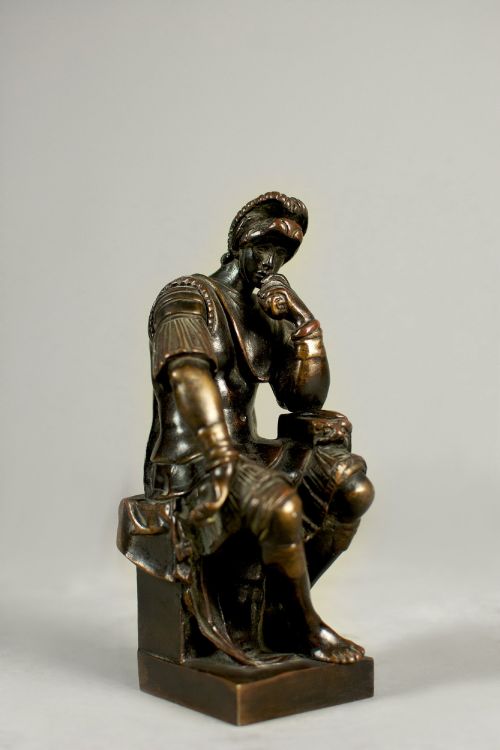
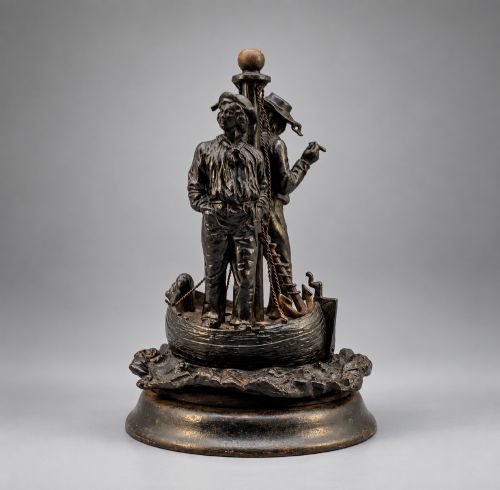
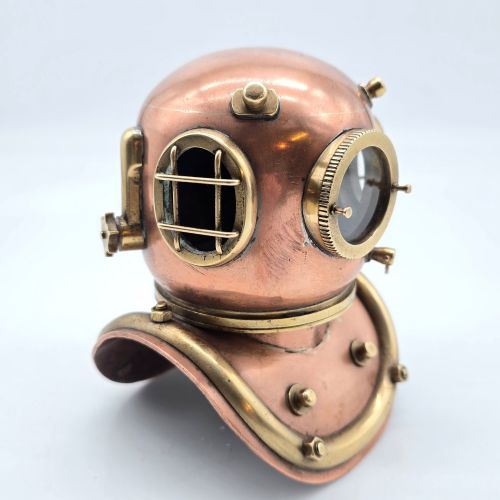
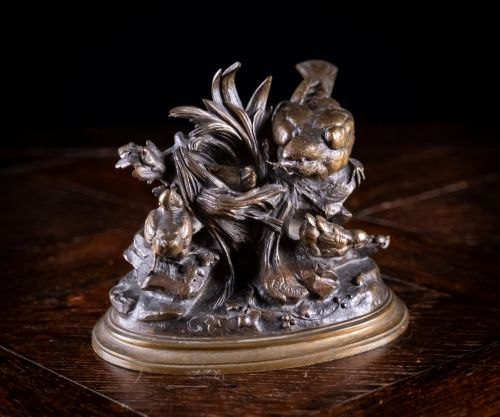
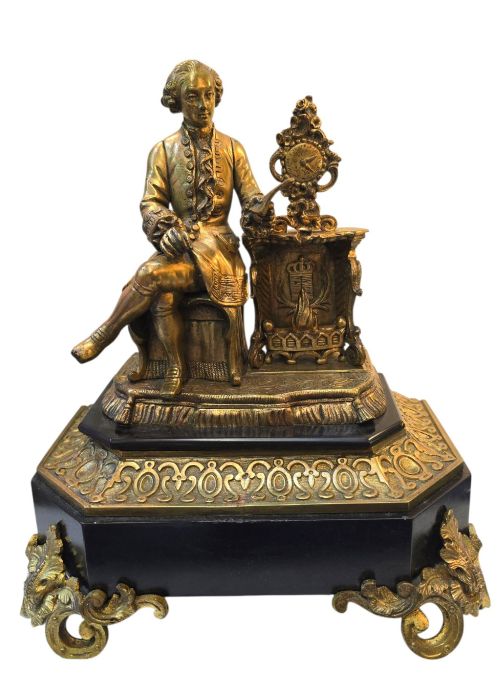
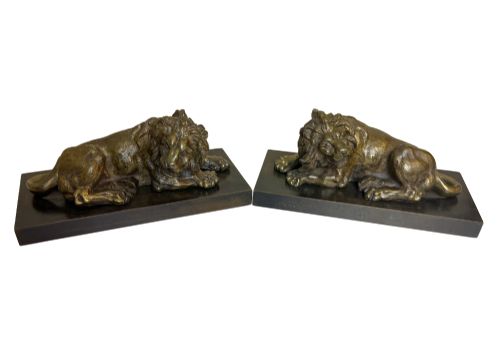
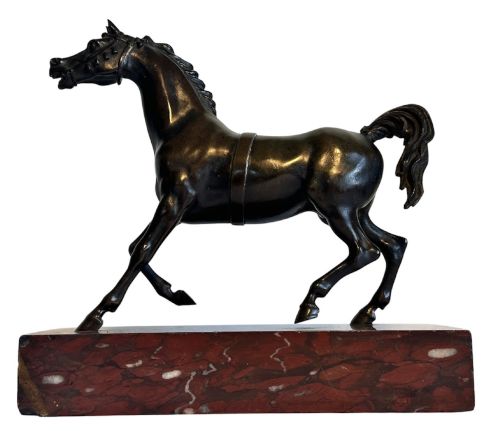
These bronze, marble and cast iron pieces are a 19th century desk ornament designed to bring classical learning, travel memories and animal studies to a study or writing table.
19th Century Desk Ornament
A 19th century desk ornament encompasses small-scale sculptures, animalier studies, inkwells, paperweights and architectural models designed for writing tables and libraries. You will frequently encounter Grand Tour bronzes, classical figures, and cast metal animals sitting upon marble plinths or wood carriages.
The assortment reflects Victorian tastes for literature, natural history and foreign travel, spanning European foundries and Asian carvings. These items served both practical roles, such as holding ink and paper, and decorative functions to display learning and refined taste.
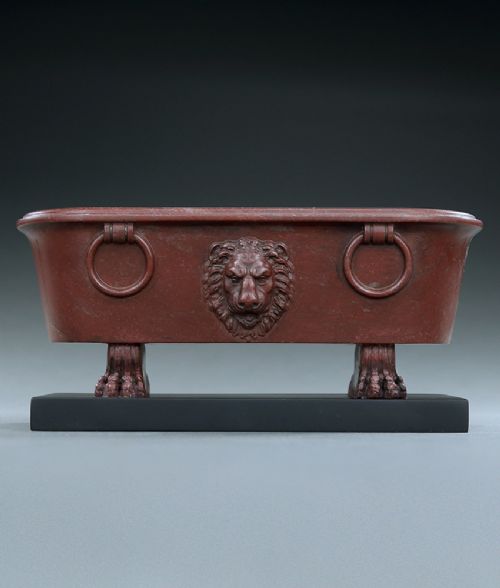
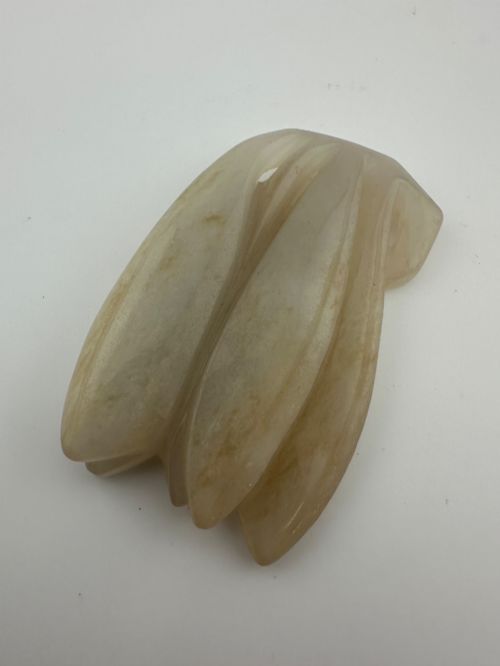
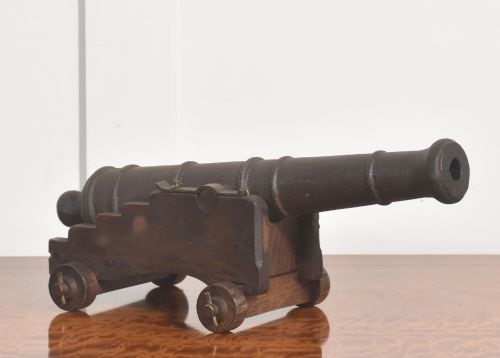
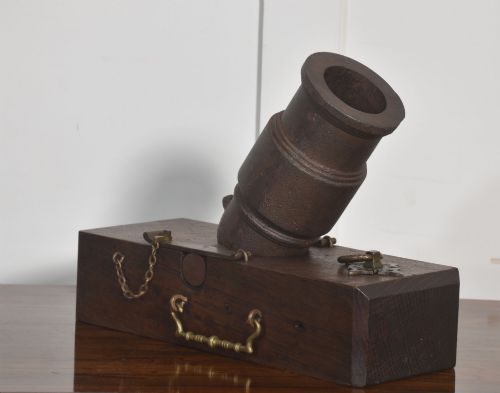
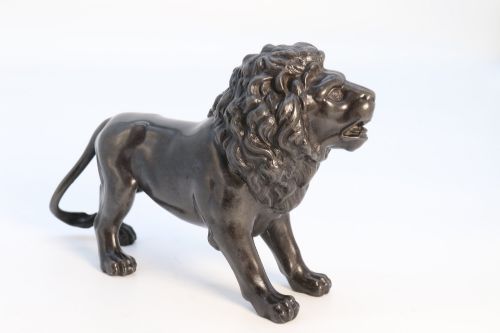
Pieces range from Italian marble temples and bronze lions to cast iron signal cannons, ceramic figures and jade carvings. They turn a functional workspace into a cabinet of curiosities.
How they were made
Foundries employed the lost-wax method for bronze figures and animals, applying chemical patination to achieve deep brown, green or dark tones. Ormolu and gilt finishes added decorative contrast to bronze and brass components.
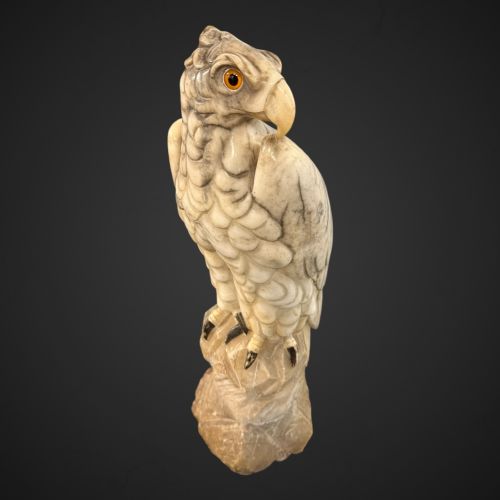
Stonemasons shaped veined Carrara, Siena and Ashford marble into heavy plinths, columns and obelisks to support metal sculptures and serve as paperweights. Cast iron and pewter provided alternative durable mediums for utilitarian objects and figural studies.
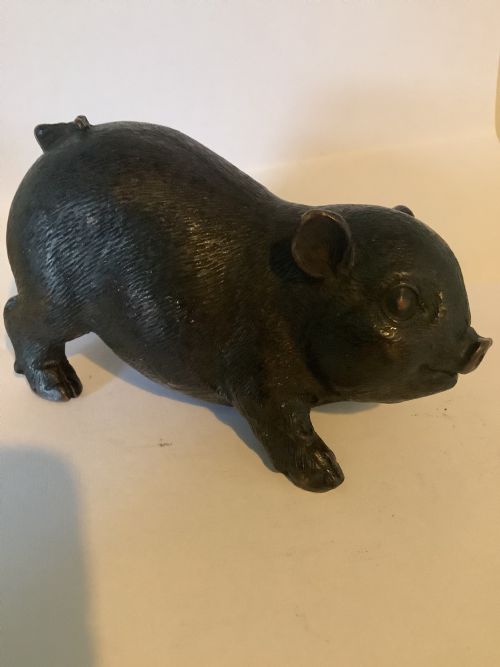
Desk occupants range from stern Roman soldiers and philosophers to a pig, a gnome and mountain goats.
What varies in quality
Patination depth and hand-chasing separate workshop standards, showing deliberate surface texture rather than flat, uniform chemical dips. Maker attribution and signature integration further elevate pieces produced by recognised sculptors.
Louis Emile Cana·Émile Louis Picault·Antoine Louis Barye·Alfred Barye
The 19th Century Desk Ornament Glossary
- Grand Tour
- A traditional trip of Europe undertaken by upper-class young European men of sufficient means and rank, resulting in the acquisition of small bronzes, marble temples and architectural models. These souvenirs formed the core of many library collections.
- Animalier
- A nineteenth-century artistic movement focusing on the realistic depiction of animals, particularly wild beasts and horses. Sculptors captured creatures in motion or repose with careful anatomical precision.
- Patinated bronze
- Bronze that has been treated with chemical solutions to produce a specific surface colour or aged finish. This process protects the metal while enhancing visual contrast and shadow.
- Ormolu
- Gilt bronze produced by applying a finely ground, high-carat gold-mercury amalgam to an object of bronze. The mercury was then driven off by heat, leaving a rich golden coating.
- Parian
- A fine white ceramic material developed in the nineteenth century to imitate carved marble for portrait busts and animal figures. It takes its name from Parian marble found on the Greek island of Paros.
19th Century Desk Ornament: Frequently Asked Questions
What are 19th century desk ornaments made of?
These items utilise cast bronze, patinated bronze, brass, cast iron, pewter and gilt elements paired with solid stone bases. Marbles such as Carrara, Siena and Ashford provide heavy plinths for figures and architectural models.
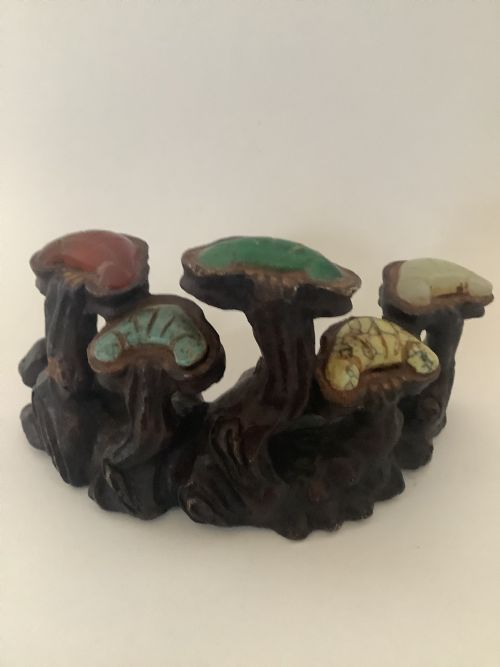
Additional materials include jade, glass, porcelain and carved wood, reflecting the diverse global influences and manufacturing techniques of the period.
How were these ornaments used originally?
Owners placed them on writing desks, library tables and bureau plat surfaces to inspire contemplation during correspondence and study. Many served dual purposes as paperweights, magnifying glasses, brush rests or inkstands.
Architectural models and classical figures also demonstrated the owner's education, travel history and familiarity with classical antiquity.
How do I care for bronze desk items?
Dust surfaces gently with a soft, dry brush to prevent particulate accumulation in crevices without disturbing the historical patination. Avoid commercial metal cleaners or abrasives that strip away chemical patinas and gilt layers.
Keep stone bases free from moisture and wax build-up by wiping them occasionally with a clean, lint-free cloth in a stable indoor climate.
How can I tell a Grand Tour piece apart?
Grand Tour pieces typically replicate famous Roman or Neapolitan monuments, ruins, and classical sculptures in bronze or coloured marbles. Their subjects include temples, columns, and figures of historical or mythological significance.
These souvenirs were purchased in Italy during nineteenth-century travels and often show specific stone colourations and patination styles unique to period Italian workshops.