
19th Century Crest
A 19th century crest brings heraldic authority and carved architectural presence to a room through mirrors, chairs, and plates.
19th Century Crest
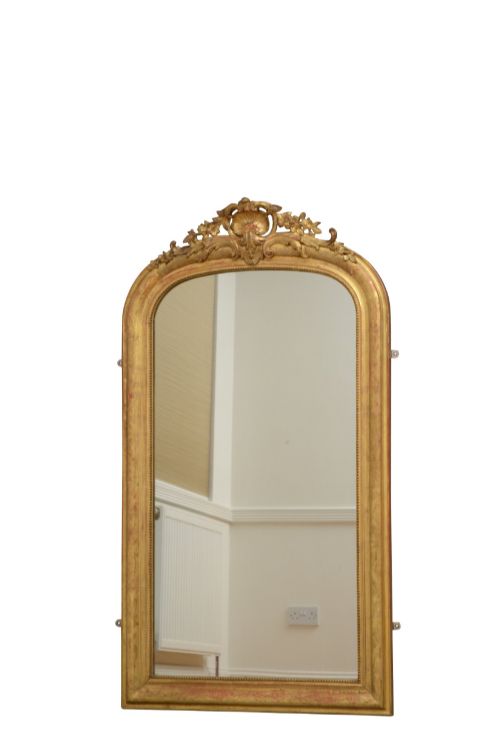
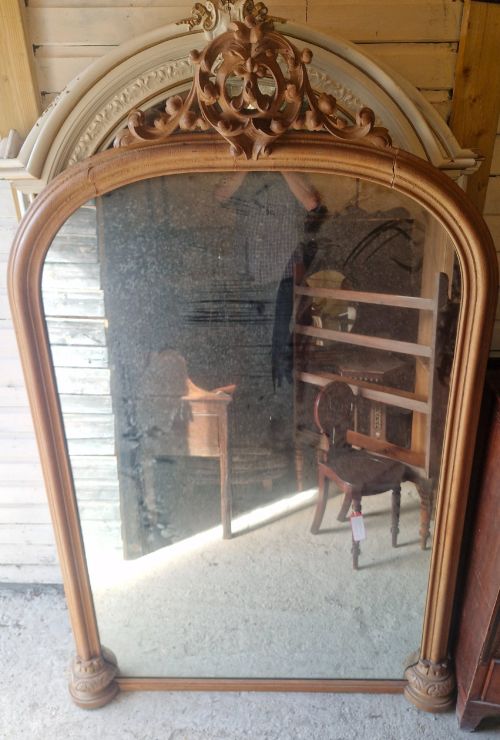
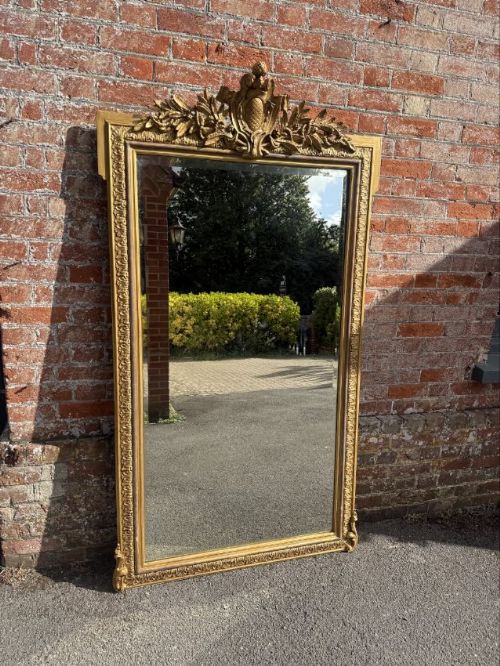
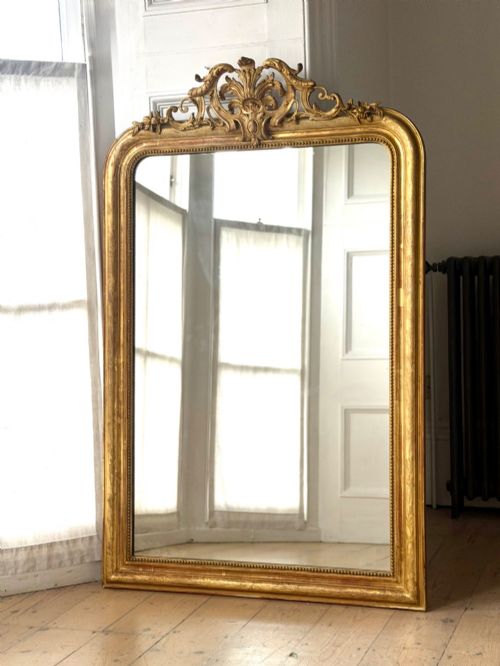
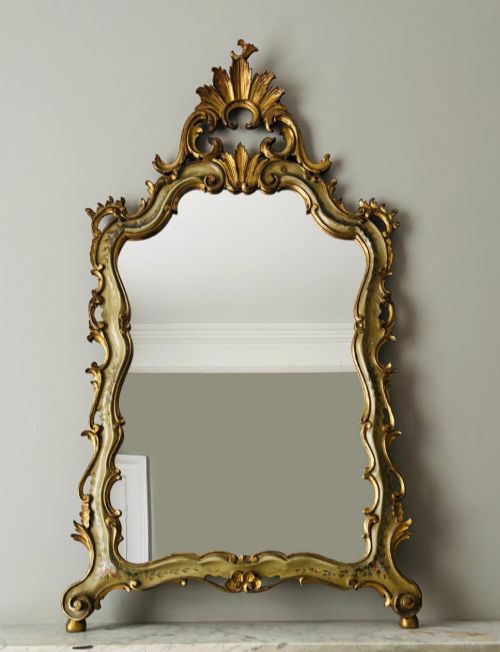
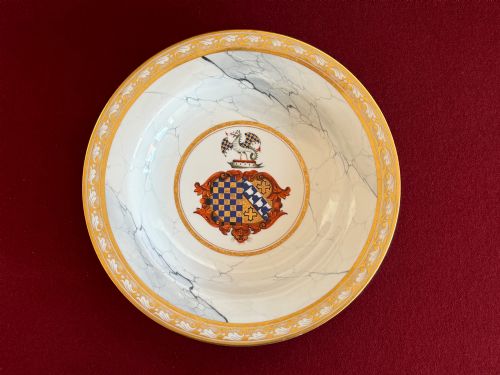
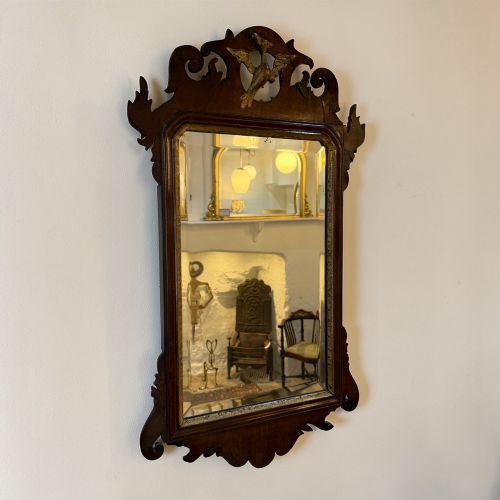
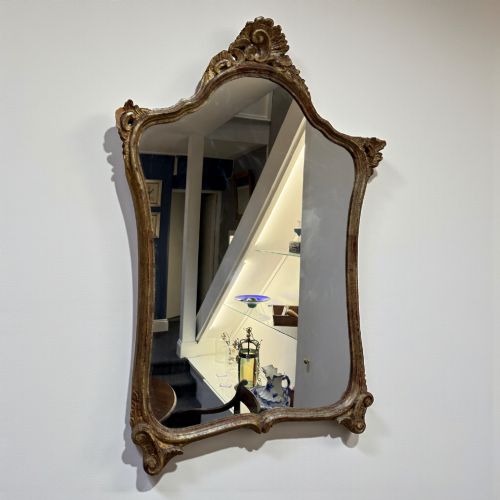
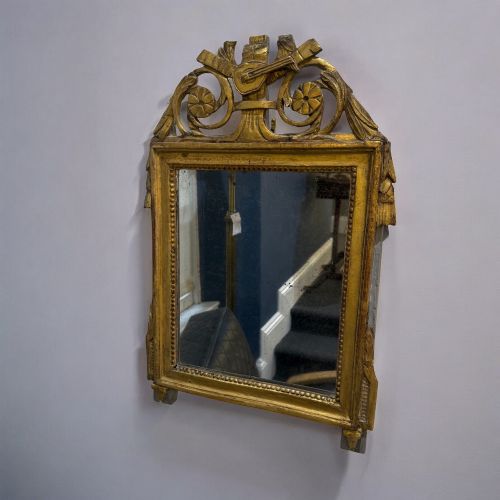
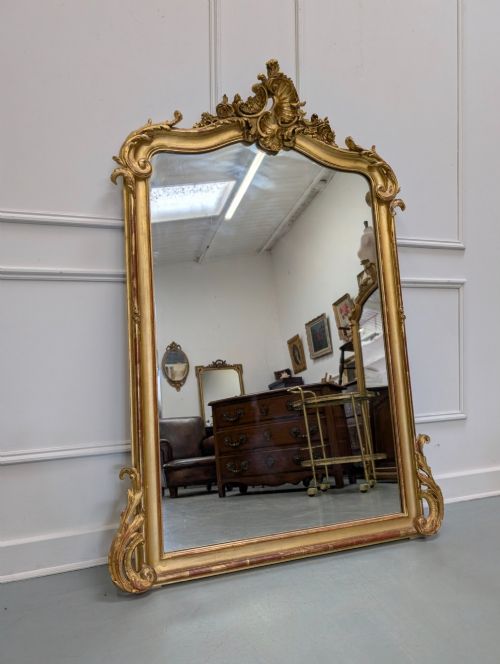
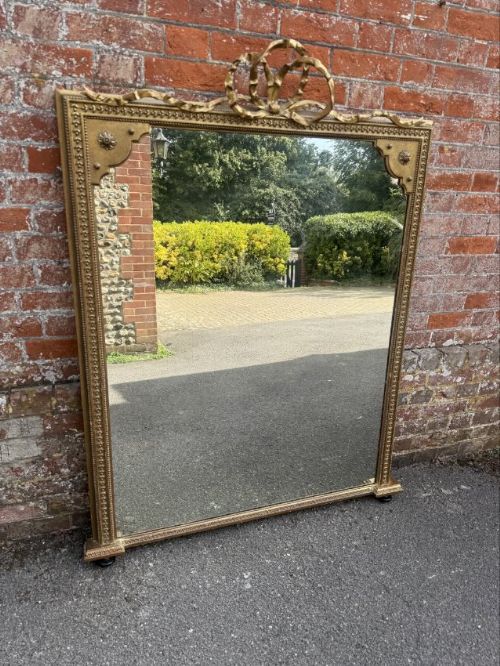
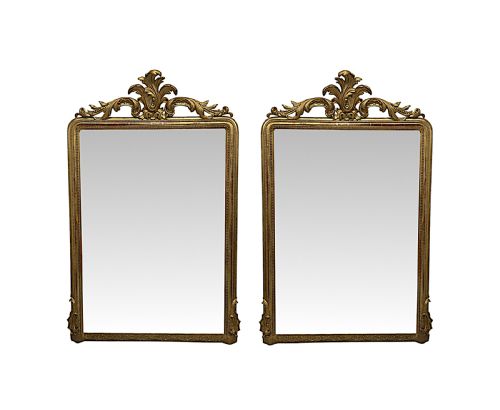
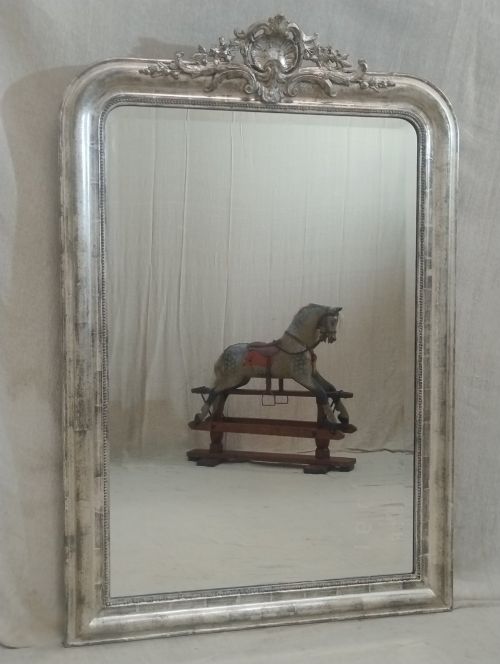
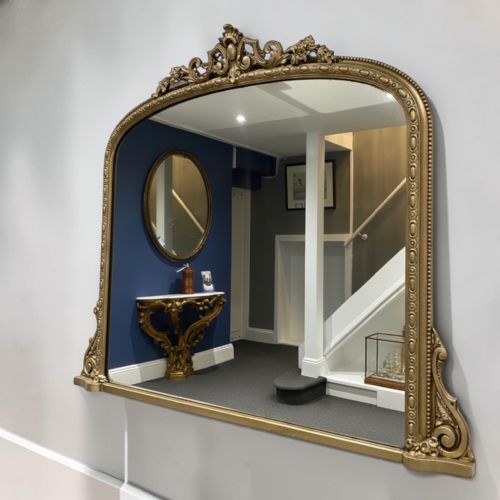
When searching for a 19th century crest, buyers encounter pieces defined by carved armorial bearings, heraldic panels, and ornamental crestings atop mirrors and furniture. These items originate from English, French, and Russian workshops, spanning periods from the Regency era through to the late Victorian decades. The most common manifestations on this page are large giltwood overmantel mirrors fitted with elaborate crests, alongside heraldic porcelain plates and carved wooden wall mirrors.
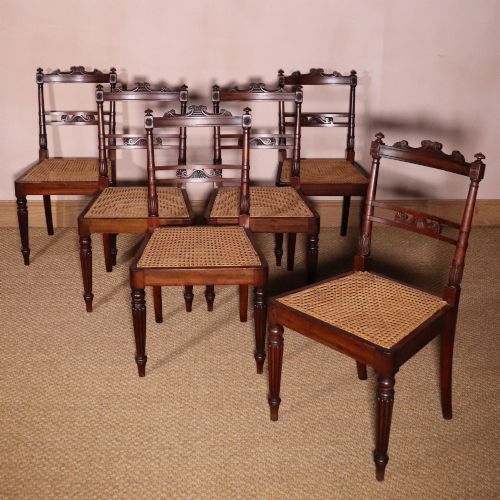
The objects range from functional seating such as hall chairs and benches with heraldic carved details to decorative wall mirrors featuring eagle surmounts or carved wooden crestings. French examples often lean towards Louis XV and Louis XVI styles with gesso and gold leaf, while English pieces demonstrate Georgian and Victorian influences. Each form uses the crest as a focal point, anchoring the design in traditional symbolism and craftsmanship.
Materials and construction
Makers utilised carved wood, gesso, and gold leaf to build the ornate frames and crestings characteristic of the period. Wood carvers shaped mahogany, oak, and softer timbers before applying layers of gesso to receive gilding or silver gilt. Mirror glass was set into these frames, often with marginal plates or convex circular forms.
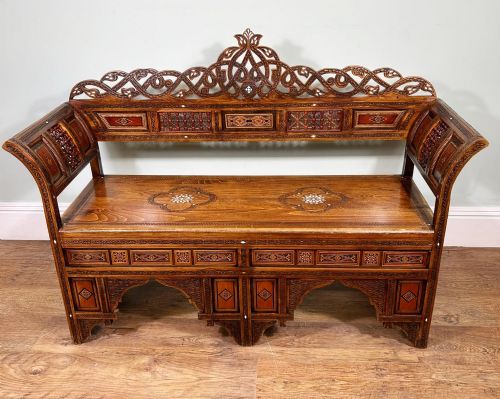
Ceramic items and plates employed porcelain bodies painted with armorial designs, as seen in factory productions. In furniture and panels, craftsmanship involved intricate joinery, inlay work utilising mother of pearl, and detailed carving to render coats of arms and heraldic eagles clearly.
Evaluating the standard of work
Quality reveals itself in the crispness and depth of the carved wood and gesso crests, where superior pieces retain sharp relief and intricate detailing rather than smoothed contours. The application of gold leaf or silver gilt also separates standard items from finer examples, with hand-gilt surfaces showing superior light reflection and integration with the underlying gesso.
Structural integrity in large overmantel mirrors and frames indicates better workshop practices, ensuring heavy carved crests remain securely joined to the main body. For porcelain and heraldic panels, the precision of the painted armorial details and the quality of the porcelain body dictate the tier of the piece.
Barr Flight And Barr·Imperial Porcelain Factory
The 19th Century Crest Glossary
- Crest
- The upper decorative element or heraldic device surmounting a mirror frame, chair back, or architectural pediment. It draws the eye upward and frequently incorporates coats of arms or carved motifs.
- Gesso
- A plaster-like mixture applied to wood frames to provide a smooth surface for gilding. High-relief carved details on mirrors rely on thick gesso applications.
- Giltwood
- Timber that has been coated with gold leaf or metal leaf. It forms the primary finish for ornate 19th century wall and overmantel mirrors.
- Armorial
- Relating to heraldry or bearing a coat of arms. Plates and carved panels often display armorial bearings to denote family lineage.
- Overmantel
- A large mirror designed to hang specifically above a fireplace mantelpiece. These pieces frequently feature prominent crestings to fill vertical wall space.
19th Century Crest: Frequently Asked Questions
What is a 19th century crest mirror?
A 19th century crest mirror is a wall or overmantel glass featuring an ornamental carved pediment, eagle, or coat of arms surmounting the main frame.
These pieces were designed to dominate formal rooms, drawing the eye upward with giltwood and gesso ornamentation.
How do I hang a heavy overmantel mirror?
Heavy 19th century overmantel mirrors require secure wall fixings anchored directly into masonry or studs to support their substantial timber and glass weight.
Professional installation is usually necessary to distribute the load of the carved crest and frame safely.
Where were heraldic plates used?
Armorial plates and dishes served as display pieces in dining rooms and halls rather than everyday tableware.
They showcased family lineage and alliances through painted crests commissioned from prominent porcelain factories.
How do I identify French styles?
French 19th century pieces often display Louis XV or Louis XVI revival characteristics, including rococo scrolls, symmetrical gilt bronze frames, and chateau wall mirror formats.
These contrast with heavier English Victorian or Regency interpretations through lighter carved curves and refined gold leaf finishes.