





19th Century Copper Pitcher
A 19th century copper pitcher brings warmth and utilitarian history to a room, offering tactile metal surfaces shaped for daily use.

19th Century Copper Pitcher
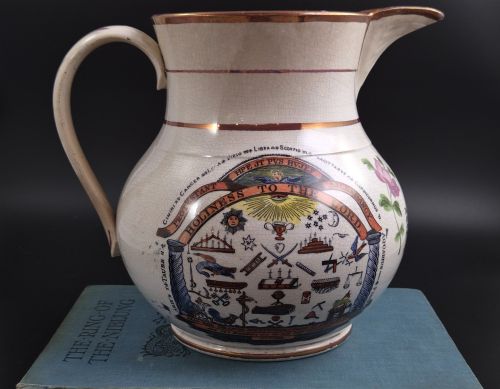
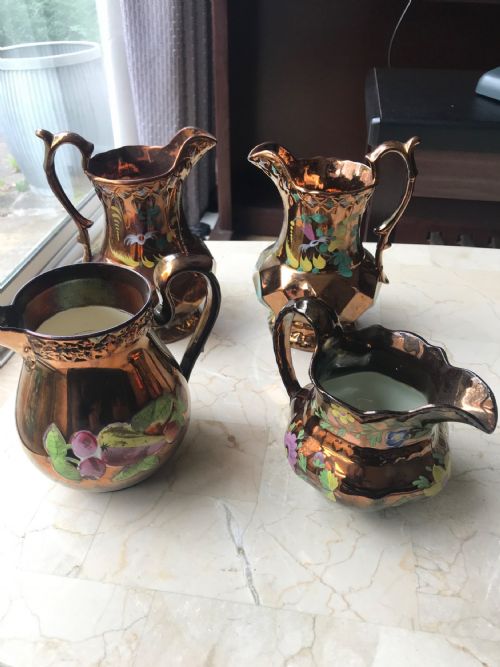
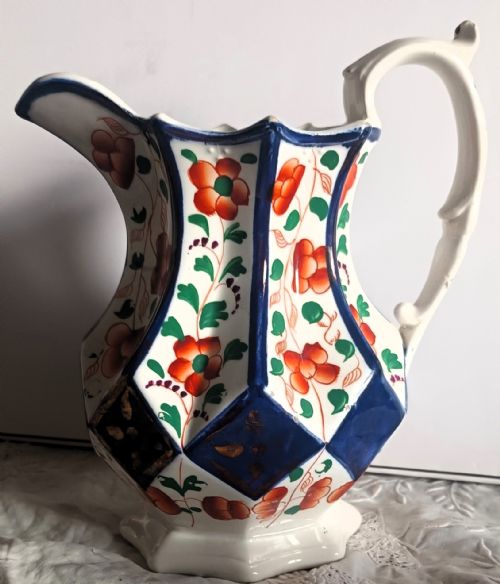
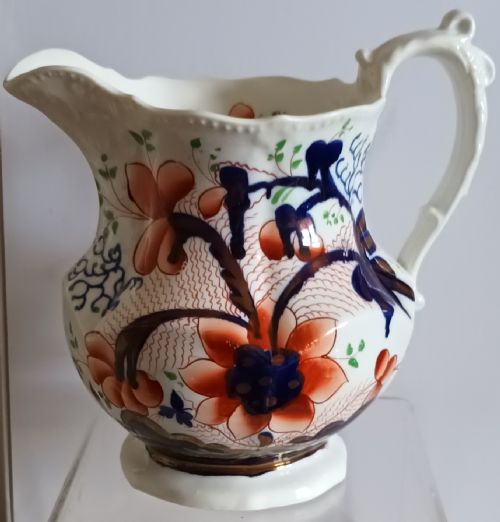
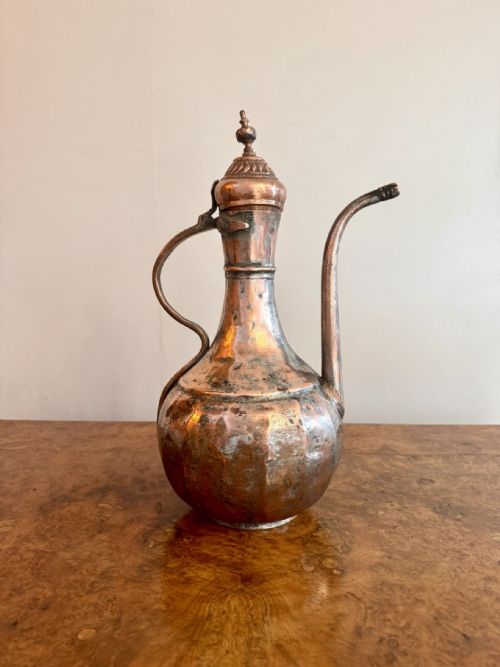
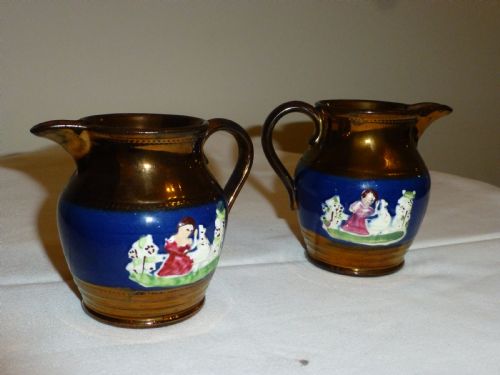
A 19th century copper pitcher search reveals a diverse selection of vessels spanning Victorian, Georgian, and Middle Eastern traditions. Buyers encounter everything from large two gallon flagons and harvest measures to Middle Eastern coffee pots and European ceramic jugs featuring copper lustre glaze.
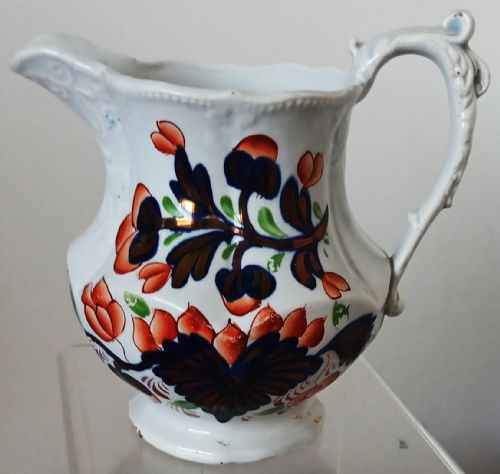
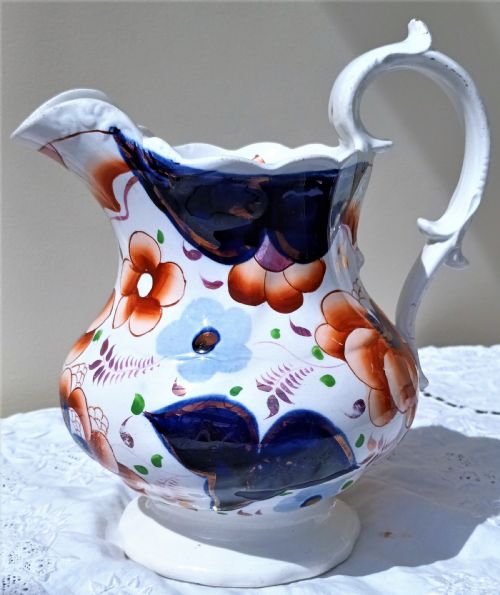
The domestic vessels often originate from Staffordshire workshops or feature Gaudy Welsh patterns on earthenware and ironstone bodies. Alongside these ceramic pieces, heavy metal flagons and Middle Eastern ewers demonstrate the widespread utilitarian use of copper during the period.
The forms function as milk jugs, water pitchers, and coffee pots, reflecting the varied daily requirements of nineteenth-century households. Each piece carries the distinct regional aesthetic of its maker, whether through hand-decorated fruit motifs or hammered metal construction.
Materials and construction
The material evidence demonstrates a distinct split between metalwork and ceramic production during the period. Solid copper and brass form the basis of the heavy flagons and Middle Eastern coffee pots, whilst earthenware and ironstone serve as the bodies for Staffordshire and Gaudy Welsh lustre pieces.
Makers applied copper lustre glaze and polychrome enamel decoration to ceramics to mimic the appearance of metallic vessels. Metal pieces relied on skillful forming and joining of sheet copper to create watertight vessels capable of holding liquid measures such as the two gallon haystack jugs.
Object forms documented on this page include coffee pots, flagons, harvest measures, and specific named pottery patterns like Bethesda and Harlech.
Evaluating the standard
Quality in these vessels rests upon the crispness of hand-decoration on the ceramic examples and the structural integrity of the metalwork. Pieces that retain their original surface patination and crisp enamel painting without excessive wear stand apart from heavily damaged items.
The scale of the vessel also influences distinction, with large capacity flagons and measures showing a different level of domestic or commercial utility compared to small cream and milk jugs. Well-defined regional patterns on Gaudy Welsh ironstone provide clearer attribution and stronger visual impact.
The 19th Century Copper Pitcher Glossary
- Copper Lustre
- A ceramic glaze containing copper that produces a metallic, reflective surface finish when fired. This technique was widely utilised on nineteenth-century Staffordshire earthenware.
- Gaudy Welsh
- A style of colourful pottery decorated with cobalt blue, copper lustre, and other enamels, often featuring named patterns like Bethesda or Harlech. It was produced largely for the Welsh market.
- Haystack measure
- A traditional British liquid capacity measure shaped with a tapering cylindrical body resembling a haystack. These were commonly made in copper or brass for trade use.
- Ironstone
- A type of durable earthenware patented in the nineteenth century to provide a strong alternative to porcelain. It forms the heavy body of many patterned jugs.
- Flagon
- A large vessel with a handle and spout used for holding and pouring liquids. In metalwork, these often held substantial volumetric capacities like two gallons.
19th Century Copper Pitcher: Frequently Asked Questions
How do I clean a copper pitcher?
Copper vessels benefit from gentle washing with warm soapy water and a soft cloth to preserve the aged surface patination. Harsh abrasive cleaners strip away the historical character that collectors value.
Dry the metal thoroughly after washing to prevent water spots and tarnishing. Avoid chemical dips unless you prefer a bright, polished metallic finish over natural age.
Are these pitchers safe for holding water?
Most nineteenth-century metal and ceramic pitchers function primarily as decorative objects or dry displays today. Metal vessels may lack modern food-safe internal linings, and historic ceramic glazes can degrade.
It is best to use them for dried florals or display rather than daily dining or drinking. Check the interior condition carefully if you intend to expose the material to moisture.
What is a Gaudy Welsh jug?
Gaudy Welsh pottery refers to earthenware and ironstone pieces decorated with bright cobalt blue, red, green, and copper lustre. They were immensely popular in nineteenth-century Welsh households.
Specific named patterns such as Harlech, Conwy, and Bethesda help identify these domestic items. They are collected today for their vibrant palette and folk art charm.
How do I tell Middle Eastern coffee pots apart from British ones?
Middle Eastern coffee pots and ewers are constructed entirely from solid copper, often featuring distinctive hammered textures and pouring spouts. They reflect regional metalworking traditions distinct from British domestic wares.
British examples in this category are typically Staffordshire ceramic jugs with copper lustre or ironstone bodies, or heavy British brass and copper liquid measures.