





19th Century Coin
A 19th century coin object brings tactile history to a room, offering small-scale craftsmanship in mahogany, walnut, bronze, and silver.
19th Century Coin
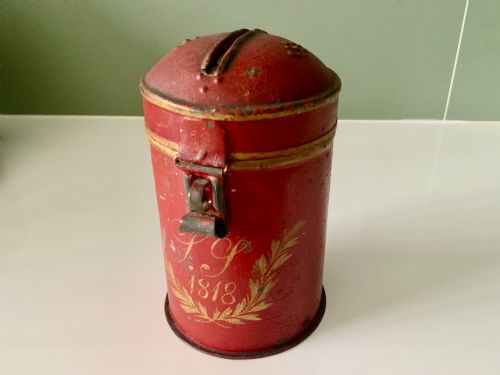
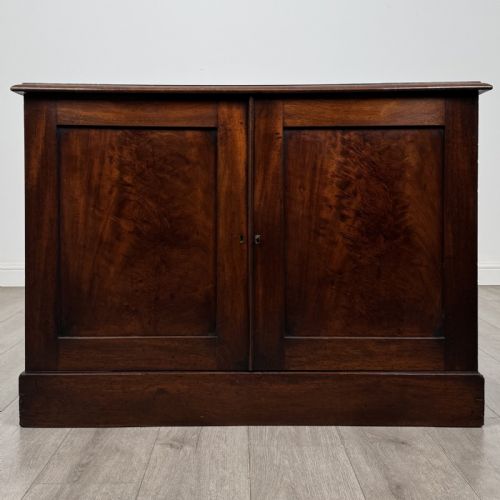
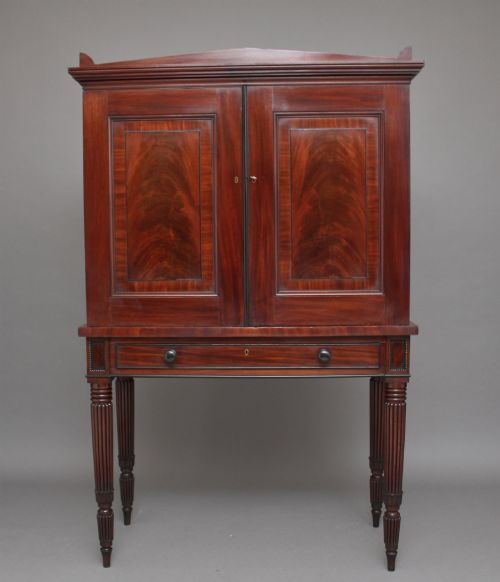
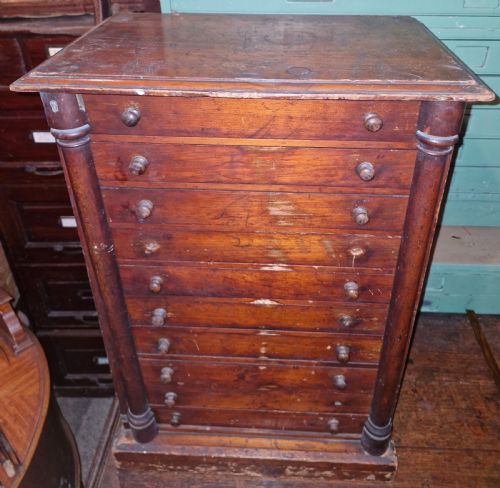
When searching for a 19th century coin category, buyers encounter a diverse selection of specialist furniture, desk accessories, and personal items. These pieces range from substantial multi-drawer collectors cabinets and specimen chests down to small personal items like coin purses, trays, and medals.
The most common items meeting this search are Victorian mahogany collectors cabinets and specimen chests, often housing multiple shallow drawers designed originally for numismatics or natural history. Alongside these architectural wooden pieces, smaller French and English metal items such as ormolu trays and silver gilt purses appear.
Originating predominantly from British workshops alongside French and American makers, these objects reflect the Victorian passion for categorization and display. The smaller items provide accessible points of entry for collectors who lack the space for a full twenty-drawer cabinet.
Materials and construction
Cabinet makers relied heavily on dense hardwoods, utilising solid mahogany, walnut, oak, and pitch pine for structural stability. Fine flame mahogany veneer and satin birch frequently face the drawer fronts, providing rich grain patterns.
Metal components introduce contrasting textures through cast iron, brass, gilt bronze, and silver gilt. Smaller personal objects combine hand-carved mother of pearl with leather, whilst French trays incorporate ormolu and champleve enamel.
Joinery techniques on the larger cabinets ensured that delicate contents remained secure within shallow drawers. Exterior finishes ranged from polished natural wood surfaces to original painted coatings.
19th Century Coin Retail Price Guide 2026
Typical asking prices for 19th century coin among the pieces listed under this phrase on Sellingantiques today, from the lower quarter to the upper quarter. They describe what is for sale here now, not the wider market.
Listings feature woods including mahogany, walnut, oak, satin birch, and pitch pine.
Separating the ordinary from the exceptional
Quality in these pieces depends heavily on the scale and ambition of the construction, moving from simple four-drawer chests to monumental twenty-four or forty-drawer cabinets. The density of the timber and the choice of secondary woods such as satinwood elevate the status of a cabinet.
Provenance and named makers elevate specific examples above standard production pieces. Complexity in metalwork, such as detailed hand-chasing on bronze or crisp casting on iron banks, separates finer decorative accessories from utilitarian items.
J.T.Crockett
The 19th Century Coin Glossary
- Collectors cabinet
- A specialised piece of furniture featuring numerous shallow drawers designed to house and organise small specimens or currency. These cabinets often include locking doors to protect the contents.
- Specimen chest
- A portable wooden box containing stacked internal drawers for organising small objects. They share the functional purpose of cabinets but are typically smaller in scale.
- Ormolu
- Gilded bronze ornamentation applied to decorative objects and furniture, popular in French 19th-century manufacturing. It provides a bright golden accent to darker woods and enamel.
- Vide poche
- A small tray or dish intended for emptying pockets of coins, keys, and small personal items upon entering a room. These French accessories often incorporate gilt bronze or porcelain.
- Champleve
- An enamelling technique where troughs are carved into a metal surface and filled with vitreous enamel before firing. This creates durable patterned decoration on trays and small metalwork.
19th Century Coin: Frequently Asked Questions
What were collectors cabinets used for?
These cabinets served primarily to store and organise portable items such as coins, medals, and natural history specimens. The numerous shallow drawers protected delicate objects from dust and light while allowing orderly classification.
Owners often displayed their curated collections to guests as a demonstration of scholarly interests. The fitted interiors and locking doors ensured both security and preservation for valuable pieces.
How do I care for mahogany cabinets?
Maintain wooden surfaces by keeping them away from direct sunlight and sources of heat, which can dry out the timber and veneer. Dust regularly with a soft, dry cloth rather than applying heavy silicone polishes.
Leather and fabric linings inside drawers benefit from gentle brushing and low humidity environments. Checking the movement of drawer runners periodically helps prevent friction damage.
Where were these coin purses made?
The personal accessories originate from European and domestic workshops, with French makers producing detailed metalwork and shell items. English craftsmen focused heavily on leather and textile combinations.
Many of these smaller items were designed for daily pocket use or kept within fitted boxes. Their survival in original condition reflects careful preservation by past owners.
How are Victorian pieces identified?
Identification relies on a combination of timber selection, construction methods, and hardware styles typical of the period. Dense use of mahogany, walnut, and specific drawer configurations point directly to the nineteenth century.
Maker labels or stamped signatures occasionally confirm exact dates and workshops. Stylistic influences from French Second Empire design also help narrow down the production era.