





19th Century Clerk Desk
A 19th century clerk desk is a practical working surface designed for standing or seated administrative tasks, prized for its honest utility and rich timber grain.
19th Century Clerk Desk
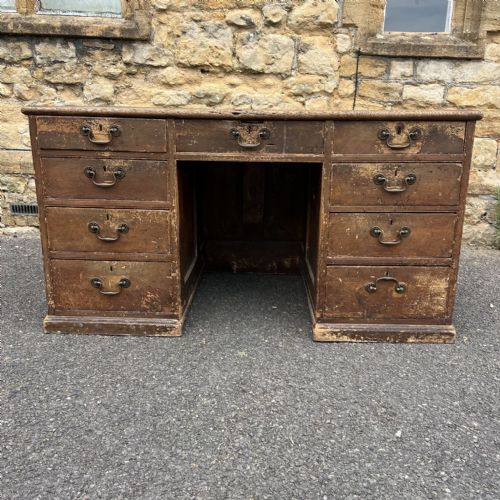
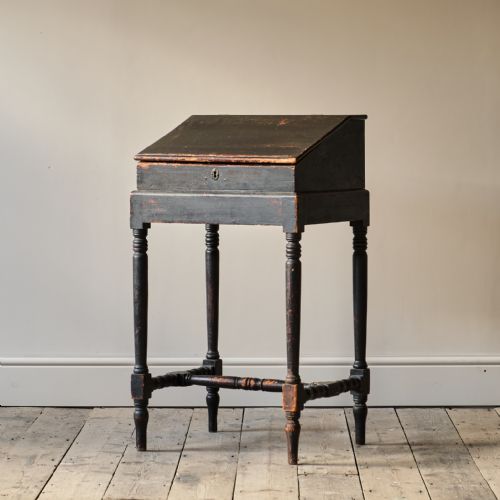
A 19th century clerk desk is a utilitarian workspace built for counting houses, estates, and municipal offices during the Victorian era. These pieces range from tall tally desks to pedestal forms and campaign writing tables.
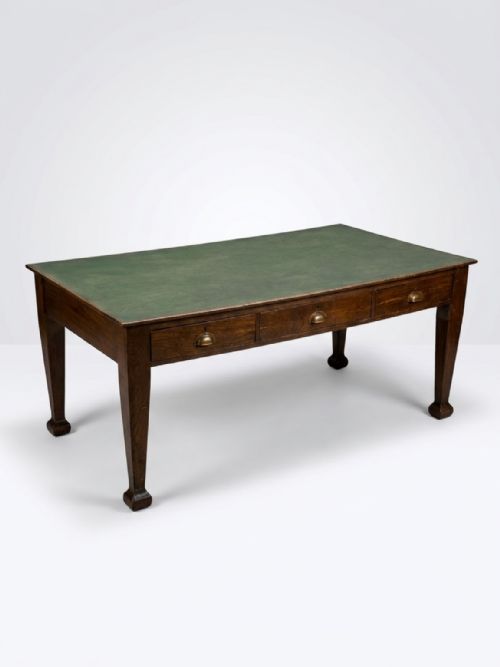
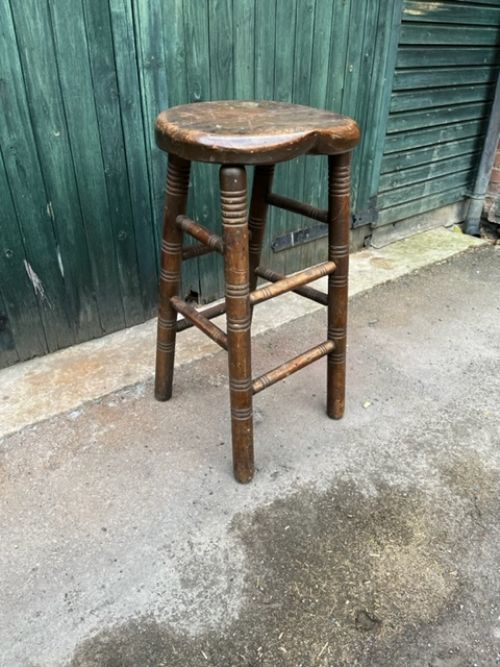
The most common examples on this page are constructed from sturdy timbers like oak and pine, often retaining their original painted finishes or leather top inserts. Buyers also encounter related seating such as turned beech stools and tavern chairs designed for these desks.
Origins stretch across English country houses, town halls, and international workshops, including Chinese export pieces in padouk wood. Each variation reflects the specific clerical duties required of the period, from wages calculation to estate management.
What varies in quality
Quality rests in the selection of timber and the integrity of the original construction, whether dealing with humble pine or figured burr walnut. Superior pieces maintain their original surface patination and uncompromised structural joints.
The degree of specialisation in the form also separates standard workshop output from bespoke commissions for town halls or estate offices. Presence of original fittings like leather inserts and brass mounts elevates a piece.
Listings feature woods spanning oak, mahogany, pine, beech, burr walnut, padouk, and metal.
Simpsons of Kendall
The 19th Century Clerk Desk Glossary
- Tally desk
- A high writing desk traditionally used by clerks standing to tally accounts or wages. These pieces often feature sloping tops and internal compartment storage.
- Campaign desk
- A portable writing desk designed for travel, typically fitted with brass corners and flush handles. These pieces break down or fold for easy transport.
- Pedestal desk
- A heavy free-standing desk supported by two banks of drawers beneath the work surface. Victorian examples often showcase burr walnut or mahogany veneers.
- Pitch pine
- A resinous pine timber utilised during the Victorian period for durable furniture construction. It yields a distinct grain pattern when finished.
- Padouk wood
- A dense tropical hardwood prized for its deep reddish hue and durability. It appears in export furniture destined for Western markets.
19th Century Clerk Desk: Frequently Asked Questions
What is a clerk desk used for?
These pieces served as working stations for recording accounts, sorting correspondence, and calculating wages in offices and institutions.
Today they function effectively as compact writing tables or laptop stations in modern homes.
Did clerks stand or sit?
Clerks generally stood at tall tally desks during the earlier part of the century to work quickly through ledgers.
Seated variations and matching stools became more common as administrative spaces evolved toward comfort.
How do I identify a Victorian desk?
Look for timber choices typical of the period, such as pitch pine, mahogany, and burr walnut, alongside traditional construction methods.
Original leather inserts and utilitarian brass hardware also point directly to nineteenth-century manufacture.
Are these desks suitable for daily use?
Solid construction in oak and pine ensures these pieces remain robust enough for regular writing and computer work.
Their compact footprints make them practical additions to studies and hallways.