


19th Century Chinese Enamel
When you seek 19th century chinese enamel, you are looking at vibrant vessels and scholarly pieces that bring rich Qing dynasty colour to a room.
19th Century Chinese Enamel
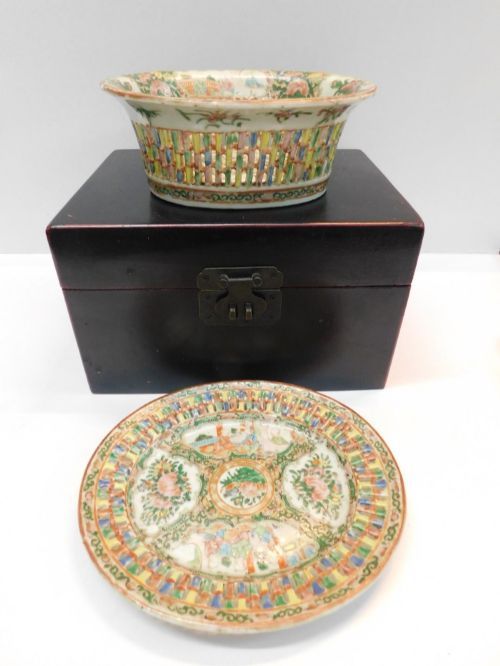
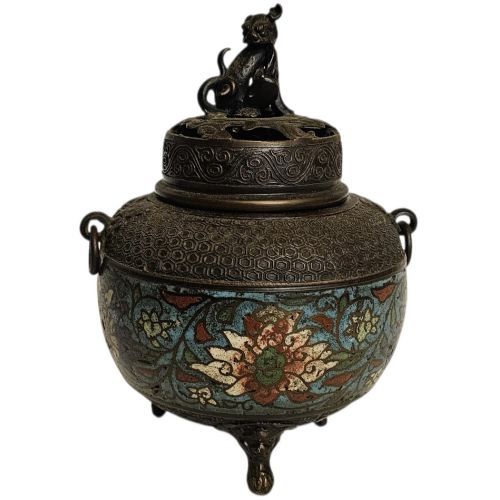
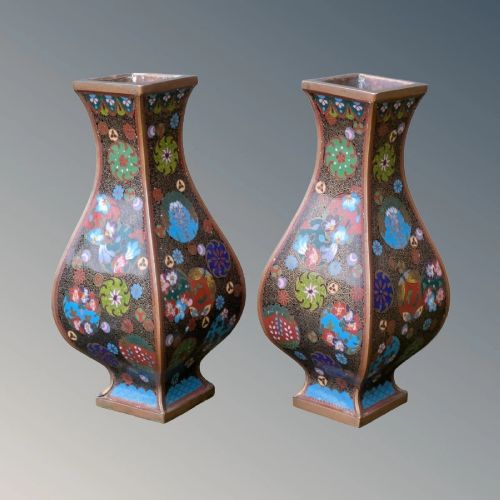
These items encompass a rich variety of decorative objects, from delicate snuff bottles and brush washers to large garden seats and monumental floor vases. The search phrase 19th century chinese enamel primarily brings up Canton porcelain alongside cloisonné and champlevé bronze vessels created during the Qing dynasty.
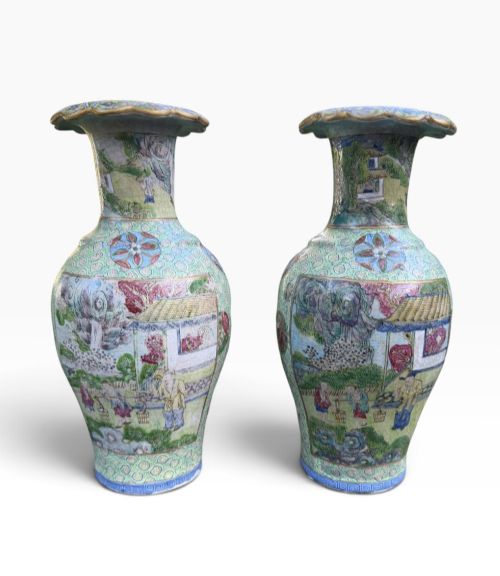
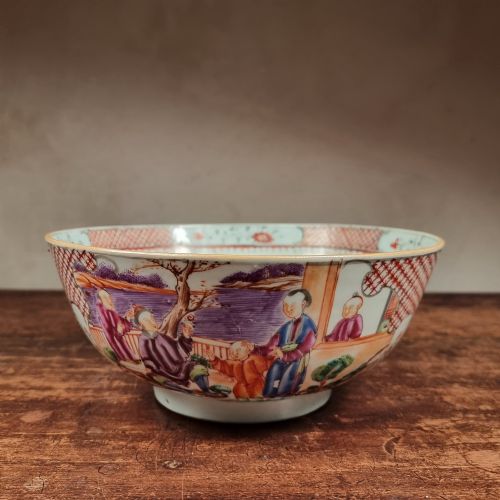
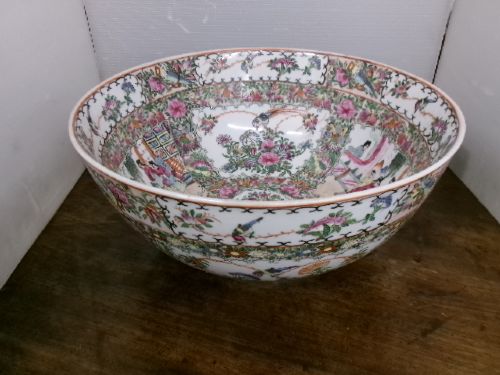
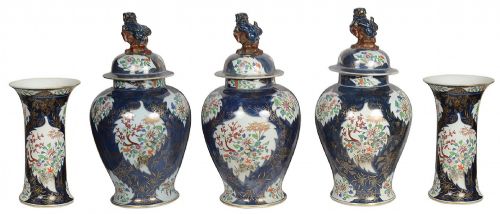
Many examples stem from the later nineteenth century, reflecting both domestic scholarly tastes and wares made for export to Western markets. You will frequently encounter punch bowls, ginger jars, and pairs of vases decorated with hand-painted famille rose palettes or intricate wire-inlaid cells.
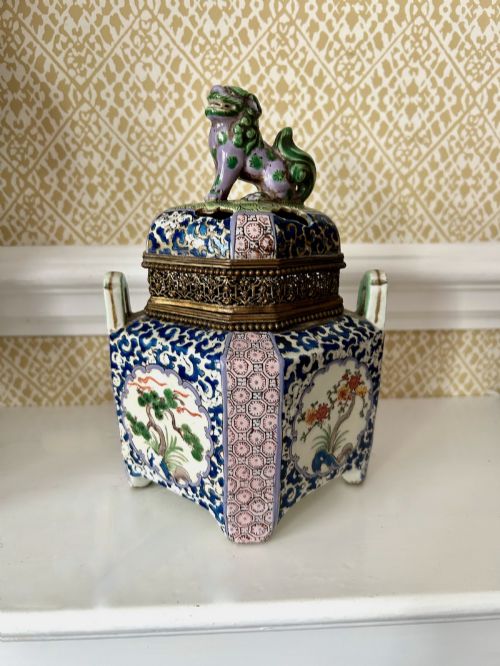
The assortment also includes items adapted for Western interiors, such as bronze censers mounted as lamps or carriage clocks destined for the Chinese market. These pieces span utility and display, maintaining traditional forms while accommodating changing global tastes of the period.
How They Were Made
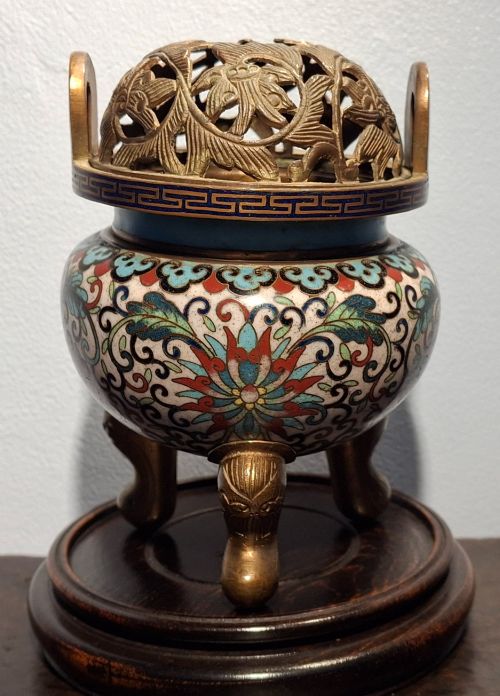
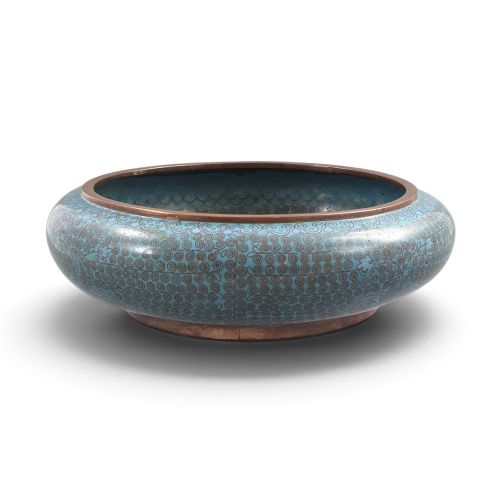
Cloisonné pieces rely on thin metal wires soldered onto bronze or brass bases to form delicate cells that are subsequently filled with coloured enamel pastes and fired. Craftsmen then polished the surface until the metal outlines and glassy infills rested in a smooth, unified plane.
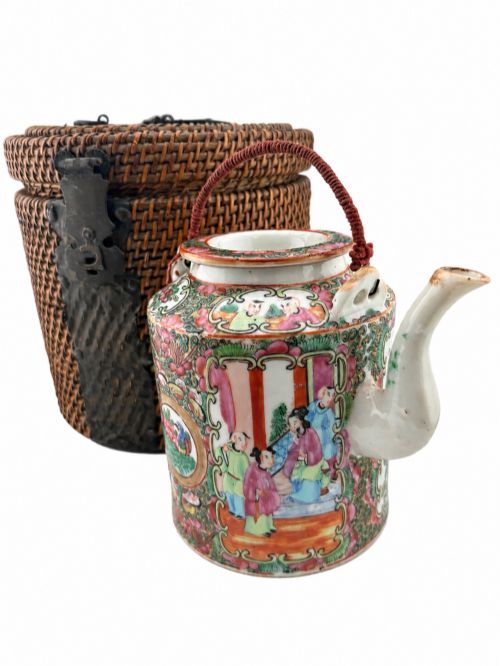
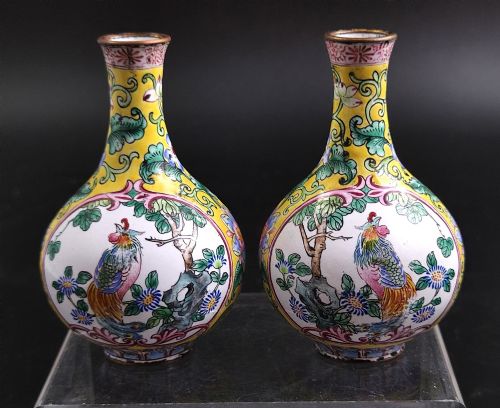
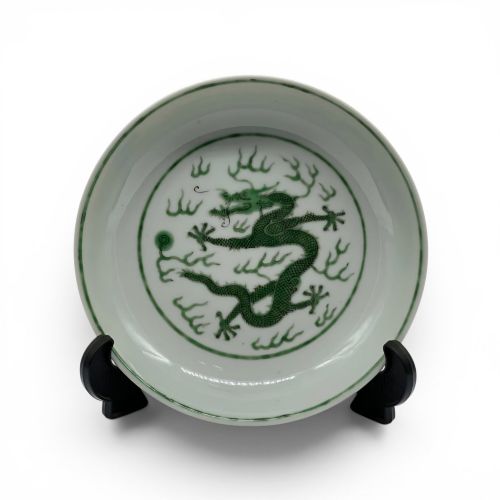
Porcelain items utilise fine clay bodies painted by hand with mineral pigments, particularly the opaque rose enamels characteristic of the famille rose palette. Gilding and gold leaf often accent these painted surfaces, especially on pieces destined for export and imperial-style presentation.
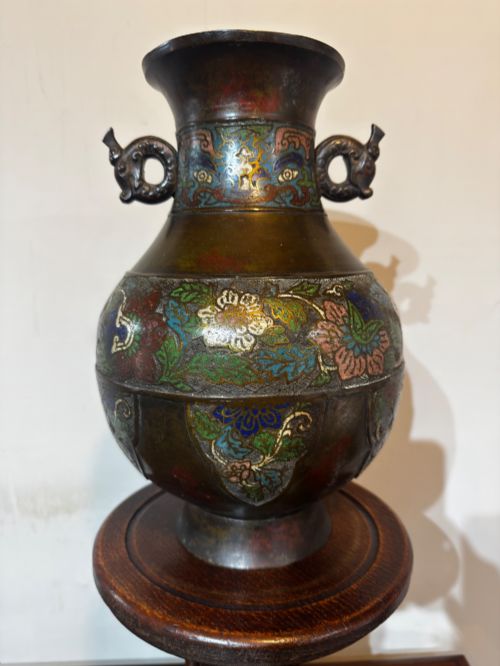
Champlevé technique involves carving troughs directly into bronze surfaces to receive the enamel before firing, creating bolder linear patterns than wirework. Artisans combined these metallic frameworks with porcelain and enamel to produce substantial jars, basins, and censers.
19th Century Chinese Enamel Retail Price Guide 2026
Typical asking prices for 19th century chinese enamel among the pieces listed under this phrase on Sellingantiques today, from the lower quarter to the upper quarter. They describe what is for sale here now, not the wider market.
Materials across the selection range from delicate porcelain and enamel to heavy bronze, silver filigree, and gilt-copper mounts.
What Varies in Quality
The precision of the wirework in cloisonné and the crispness of the hand-painted brushwork on porcelain dictate the visual standard of each object. Finer examples display meticulous control over the enamel pastes, with even thickness and minimal pitting across the fired surface.
Substantial weight in the bronze or porcelain body and the depth of the gilding indicate higher-grade workshop output from periods such as the Daoguang or Jiaqing reigns. Superior items maintain balanced proportions and harmonious colour palettes that avoid muddy transitions between adjacent enamel fields.
Provenance and integration of mounts, such as ormolu fittings or silver filigree, separate standard decorative items from exceptional cabinet pieces. The clarity of detail in figural scenes, such as those depicting immortals or court gatherings, marks the hand of a more accomplished artisan.
The 19th Century Chinese Enamel Glossary
- Cloisonne Enamel
- A metalwork technique where fine wires create small compartments filled with coloured glass paste and fired. This method produces intricate geometric and floral patterns across vases and censers.
- Famille Rose
- A palette of opaque pink and secondary enamels introduced to Chinese porcelain during the Qing dynasty. The style dominates much of the export ware found from this era.
- Canton
- A major port city in southern China associated with prolific porcelain decoration for export markets. Wares from this region often feature crowded figural and floral motifs.
- Censer
- A traditional vessel designed for burning incense during rituals or scholarly pursuits. Many surviving nineteenth-century examples incorporate bronze and cloisonné enamel.
- Gaiwan
- A traditional Chinese tea set consisting of a saucer, bowl, and lid used for steeping and drinking tea. These sets frequently feature delicate hand-painted enamel decoration.
- Champleve
- An enamelling technique where troughs are carved into a metal base to hold the vitreous paste. It differs from cloisonne by relying on recessed channels rather than applied wires.
19th Century Chinese Enamel: Frequently Asked Questions
What is 19th century chinese enamel?
These items comprise decorative vessels, porcelain bowls, and bronze objects created using traditional glass-paste enamelling techniques during the Qing dynasty.
They reflect both imperial aesthetics and the vibrant export trade of the period, featuring detailed hand-painted motifs or wire-inlaid metal cells.
How were cloisonne vases used?
Cloisonne vessels served primarily as decorative display pieces within scholar's studios, temples, and formal reception rooms.
Some specific forms, such as wine vessels or censers, retained ritual functions, while others were later adapted as lamp bases in Western homes.
How do I identify Canton porcelain?
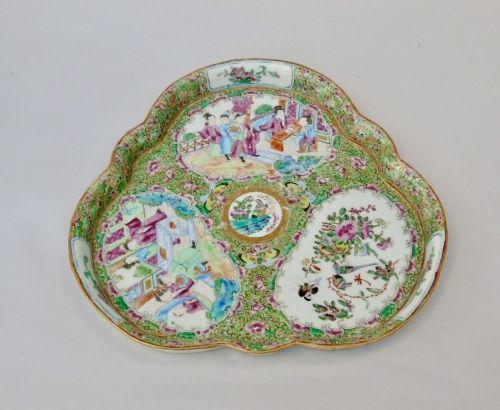
Canton porcelain typically displays exuberant hand-painted famille rose decoration featuring panels of figures, birds, and butterflies set against crowded floral backgrounds.
These pieces were produced in southern China specifically for export during the nineteenth century and often exhibit robust porcelain bodies.
Are these pieces marked with dates?
Most nineteenth-century items rely on stylistic attribution, material quality, and general Qing dynasty conventions rather than explicit reign marks.
When marks do appear, they often pay homage to earlier emperors rather than recording the exact year of manufacture.