




19th Century Children Chair
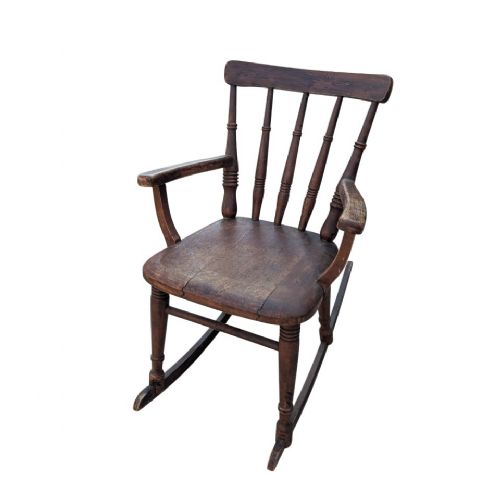
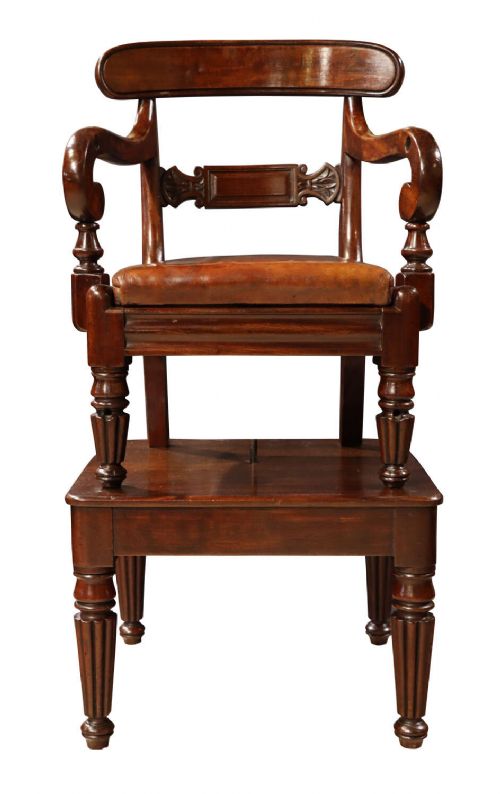
A 19th century children chair offers a miniature glimpse into domestic history, taking the form of a sturdy elm rocker or a mahogany highchair made for the nursery.
19th Century Children Chair
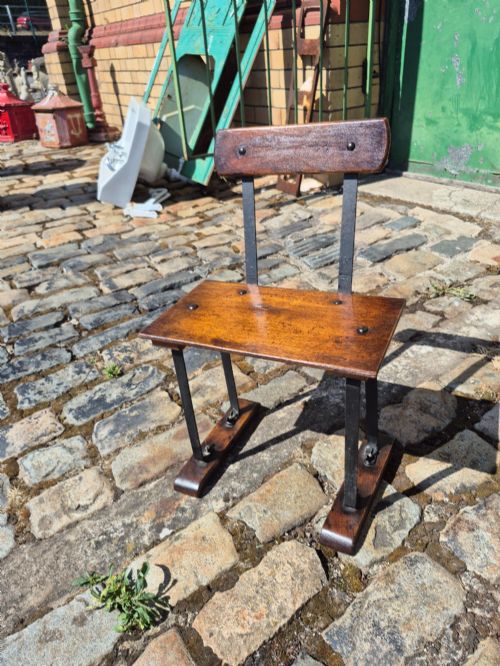
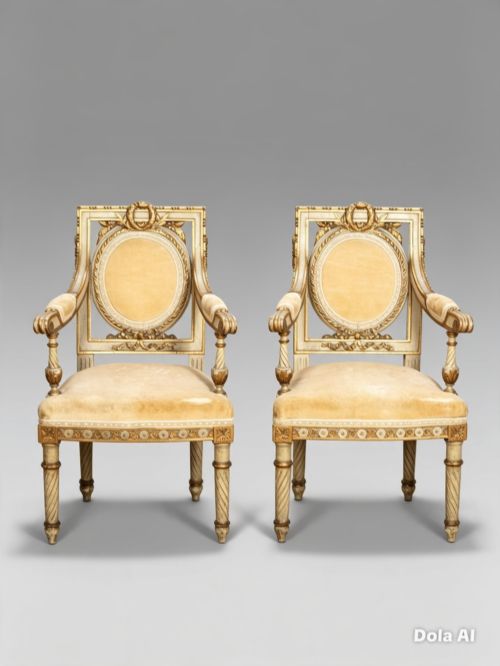
When you search for a 19th century children chair, you encounter a wide variety of seating built for younger members of the household, ranging from simple school desks to elaborate salon armchairs. The pieces on this page span the Victorian, Georgian, and Regency periods, covering regional styles like English country, Scandinavian country, and primitive vernacular.
The most common forms you meet are scaled-down armchairs, rocking chairs, and high chairs designed for daily domestic use. Simpler versions utilise local timbers like elm, ash, and oak, reflecting vernacular traditions across Britain, Sweden, and America.
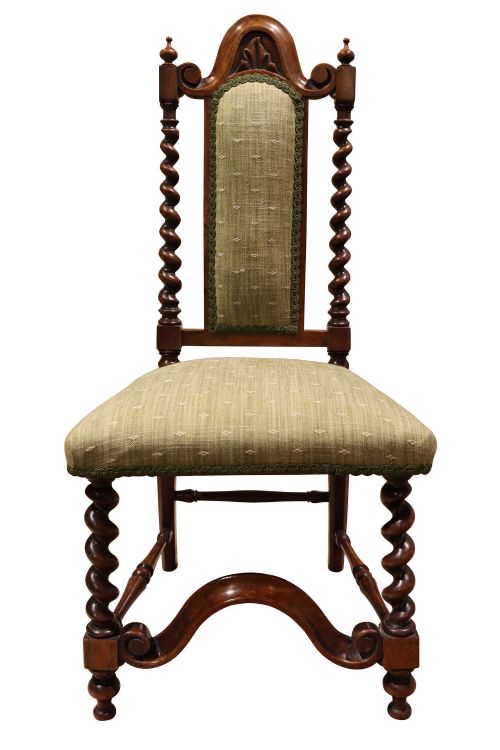
More formal examples follow contemporary adult fashions of the nineteenth century, including barley twist walnut, caned bergere seats, and mahogany tub highchairs. Occasionally, metamorphic designs appear, transforming from a high chair into a low seating unit or play table.
Materials and construction
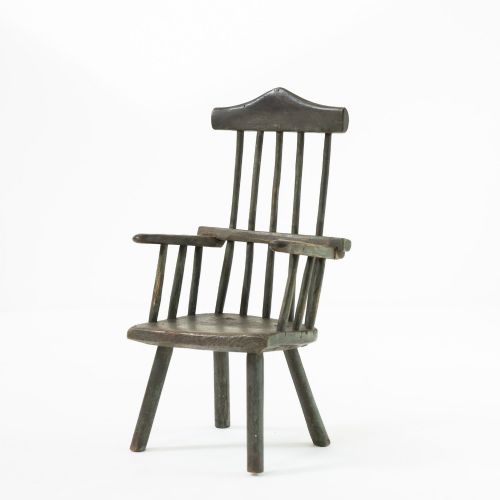
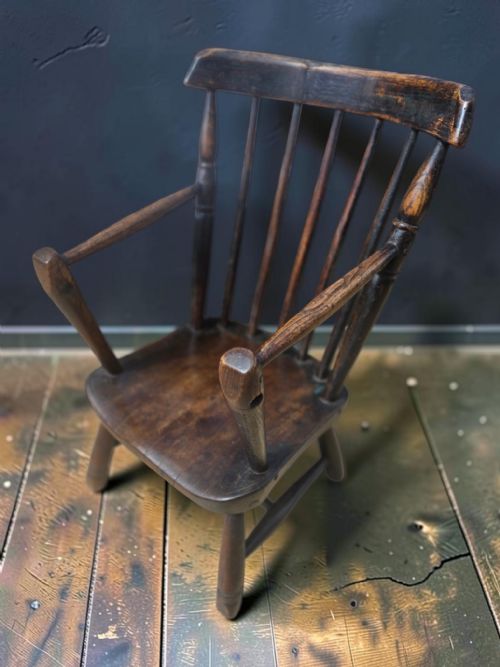
Makers relied on durable native hardwoods such as oak, elm, ash, and yew, often combining woods within a single Windsor or stick-back frame to provide structural strength for heavy daily use. Turning, bending, and spindle-making techniques allowed craftsmen to create scaled-down versions of adult Windsor and vernacular chairs.
For finer urban drawing-room and salon seating, cabinetmakers utilised mahogany, walnut, and rosewood, applying detailed carving, gilding, paintwork, and upholstery in leather or cane. Caning and rush seating appear frequently across regional pieces, woven tightly into wooden frames to support a child comfortably.
Children occasionally swung back a little too enthusiastically, leaving sturdy rockers with generations of honest nursery bumps.
Markers of quality
Quality in these miniature seats lies in the integrity of the timber selection and the harmony of the proportional scaling down from an adult piece. A well-balanced frame demonstrates a maker's careful attention to structural stability, ensuring the legs, spindles, and arm supports remain secure under actual use.
Finer examples show superior hand-turned details, such as crisp barley twists, neatly pegged joints, and cleanly woven cane or rush work that has survived generations of nursery life without losing tension.
LIBERTY of LONDON·FORD MADDOX BROWN·Roosje Hindeloopen
The 19th Century Children Chair Glossary
- Bergere
- An enclosed upholstered armchair with a wooden frame and woven cane panels on the back and sides. This style appears in refined Georgian and Victorian nursery seating.
- Metamorphic
- A piece of furniture designed to convert from one functional form into another, such as a high chair that folds down into a low play chair and desk combination.
- Windsor
- A chair built with a solid wooden seat into which the legs and back spindles are directly fitted. These robust country forms appear frequently in yew, ash, and elm.
- Lambing chair
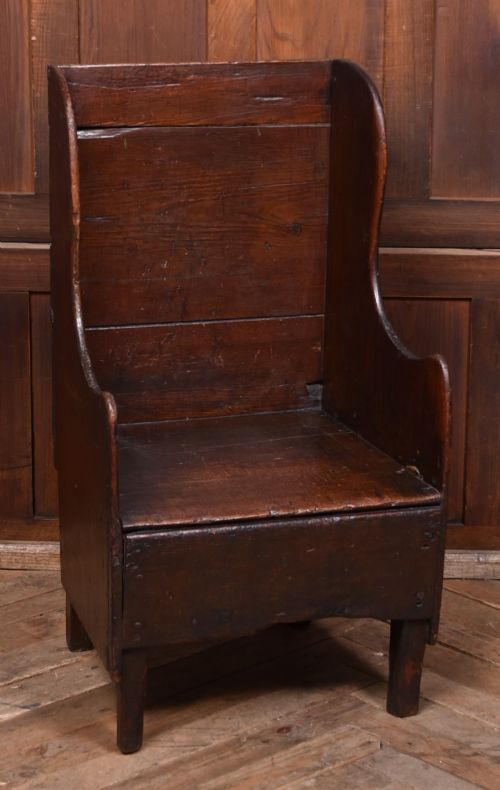
- An enclosed low armchair traditionally featuring solid wooden wings to shield the occupant from drafts. Children's variants provide a cosy, enclosed seat near the hearth.
- Vernacular
- Everyday domestic furniture made by local regional craftsmen using traditional techniques and native materials, rather than following strict high-style urban fashions.
19th Century Children Chair: Frequently Asked Questions
Were these chairs meant for everyday use?
Yes, the majority of these pieces were constructed for practical use in nurseries, schoolrooms, and family dining spaces.
Sturdy timbers like elm and ash ensured the seating could withstand the daily demands of children.
How do I spot a metamorphic high chair?
Metamorphic models feature hinged or pivoting joints that allow the tall frame to reconfigure into a lower chair or play table.
Inspect the hardware and pivot points carefully to understand how the mechanical transformation operates.
What is a stick-back armchair?
A stick-back chair uses simple turned wooden rods inserted into a solid wooden seat to form the backrest.
This construction method is characteristic of country vernacular and primitive folk art pieces.
Are cane seats original on these chairs?
Many nineteenth-century pieces retain their original woven cane or rush seats, though some have undergone careful re-caning over time.
Examining the tightness and colour of the weave helps determine its age relative to the wooden frame.