




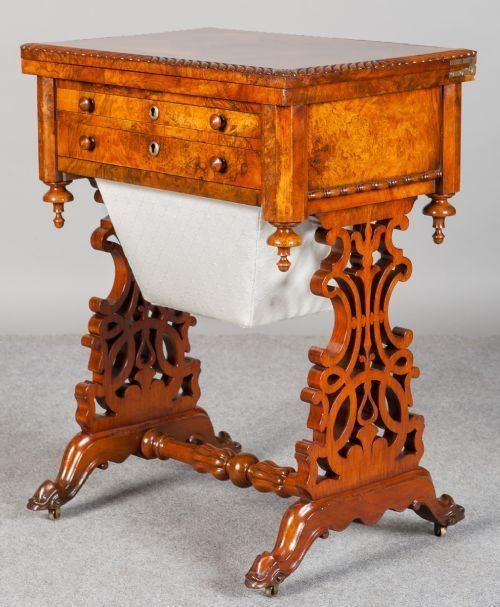


19th Century Carved Basket
These pieces known as a 19th century carved basket encompass intricate wooden work tables, games tables, and trugs from the nineteenth century.
19th Century Carved Basket
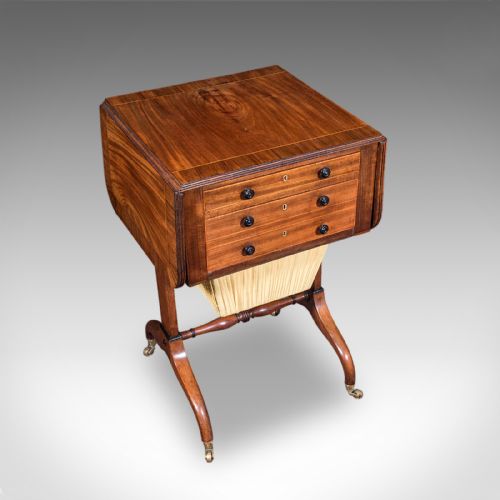
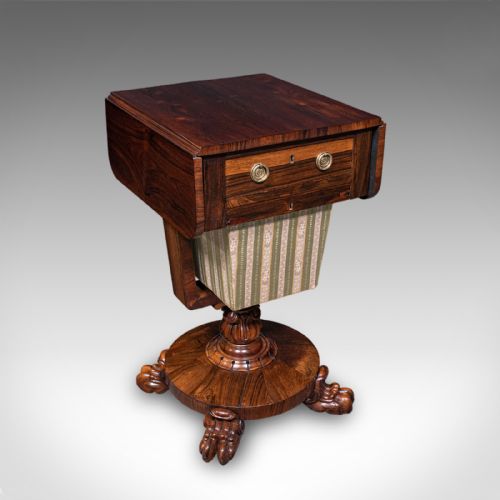
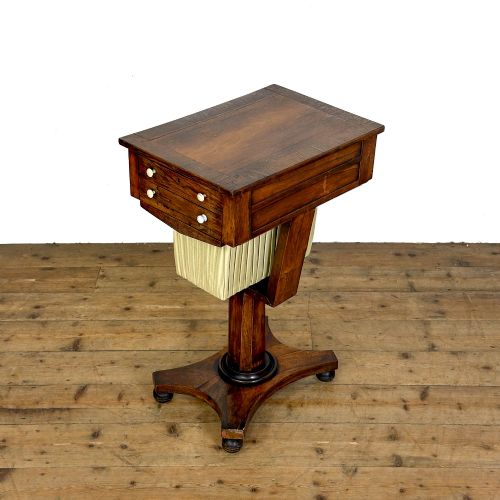
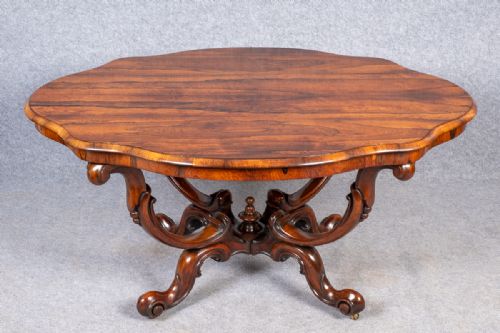
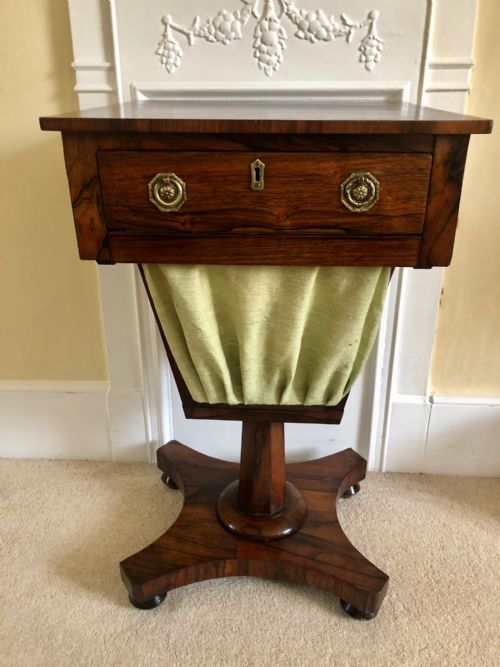
A 19th century carved basket typically manifests as a functional work table, sewing table, or games table featuring carved wooden basket elements or bases. These items served domestic purposes in Regency, William IV, and Victorian parlours.
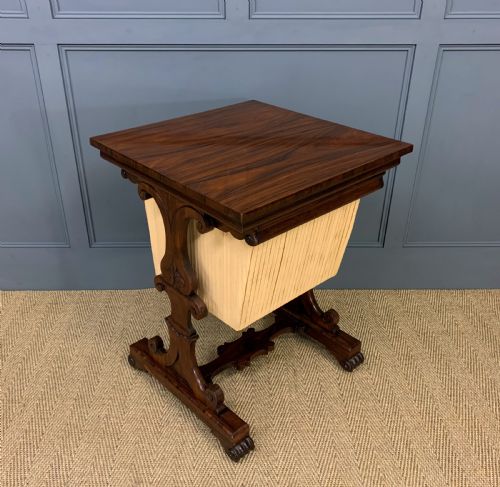
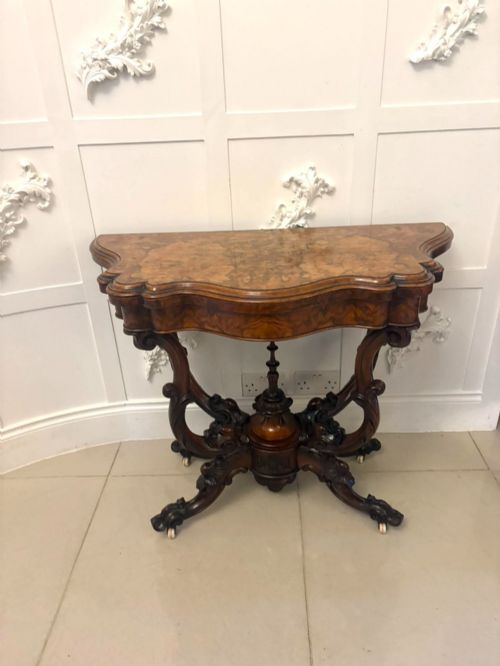
Buyers will most frequently encounter rosewood and burr walnut work tables alongside mahogany gaming pieces. The selection also includes French centrepiece trays and Black Forest trugs sharing the characteristic carved form.
Originating across England, France, and Germany, these pieces reflect the craftsmanship of the 19th century. They combine utilitarian storage with decorative woodwork, often incorporating drop leaves or compartments for sewing materials.
Materials and Construction
Wood forms the primary medium, utilising dense hardwoods such as rosewood, mahogany, burr walnut, and pollard oak. These timbers provide the structural integrity required for carved bases and drop leaf tables.
Craftsmen applied detailed hand carving to create the basket texture and foliate designs seen on the supports and friezes. Secondary materials such as brass, ormolu, champleve enamel, and fabric appear in specific decorative components and linings.
19th Century Carved Basket Retail Price Guide 2026
Typical asking prices for 19th century carved basket among the pieces listed under this phrase on Sellingantiques today, from the lower quarter to the upper quarter. They describe what is for sale here now, not the wider market.
German artisans carved humble trugs for gathering forest fungi, proving that even a truffle collector needed a touch of Victorian style.
Evaluating Quality
Quality separates through the depth and precision of the wood carving on the basket bases and supports. Crisp execution of foliate designs indicates superior craftsmanship compared to softer, shallower work.
The choice and figuring of timber dictate the tier of the piece, with richly grained burr walnut and well-selected rosewood commanding higher regard. Integrated fittings, stable drop leaf mechanisms, and undamaged internal compartments further distinguish finer examples.
Gillows
The 19th Century Carved Basket Glossary
- Work table
- A small domestic table fitted with drawers, bags, or compartments for sewing and needlework. These items were essential furnishings in nineteenth-century drawing rooms.
- Canterbury
- A small stand with slatted divisions used for holding music sheets or books. They frequently feature carved details matching the period style.
- Ormolu
- Gilded bronze or brass applied as a decorative mount on furniture and trays. This technique adds metallic contrast to the timber structures.
- Champleve enamel
- An enamelling technique where troughs are dug into a metal surface and filled with vitreous paste before firing. It appears on decorative centrepiece trays.
- Pollard oak
- Timber taken from trees that were polluted or pruned to encourage dense branching, resulting in a distinctive clustered grain pattern. Cabinet makers valued this wood for decorative panels and tabletops.
19th Century Carved Basket: Frequently Asked Questions
What is a 19th century carved basket table used for?
These tables functioned primarily as sewing, work, and games surfaces in Victorian and Regency homes. They kept needlework and small accessories neatly stored within fitted compartments.
Beneath the work surface, the carved basket element often served as a wool bag or a rigid receptacle for ongoing textile projects.
How do I identify Regency pieces?
Regency furniture typically dates from the early nineteenth century up to the eighteen-thirties. The style draws inspiration from classical Greek, Roman, and Egyptian motifs.
Rosewood and mahogany predominate in this period, often featuring clean lines alongside restrained, elegant carving rather than heavy Victorian ornamentation.
What is the difference between burr walnut and rosewood?
Burr walnut derives from the gnarled growth on walnut trees, producing swirling, highly figured grain patterns. It became a favoured veneer for high-end Victorian cabinet work.
Rosewood offers a heavier, denser structure with deep brown and reddish hues streaked with dark lines. It was widely used for solid turnings and tabletops throughout the nineteenth century.
How should I care for a wooden work table?
Keep wooden furniture away from direct sunlight and heat sources to prevent the timber and veneers from drying out or splitting. Maintain a stable room temperature to protect the antique polish.
Dust regularly with a dry, soft cloth and avoid chemical polishes that can build up and damage the historic finish.
What distinguishes Black Forest carvings?
Black Forest pieces originate from German and Swiss woodworking traditions dating from the nineteenth century. They are known for realistic depictions of animals and natural forms.
In this category, items like truffle collecting trugs display rustic carved wood textures inspired by woodland themes.