


19th Century Candleholders
These 19th century candleholders bring period weight and candlelight to a room, offering everything from heavy brass engineering to ornate gilt bronze.
19th Century Candleholders
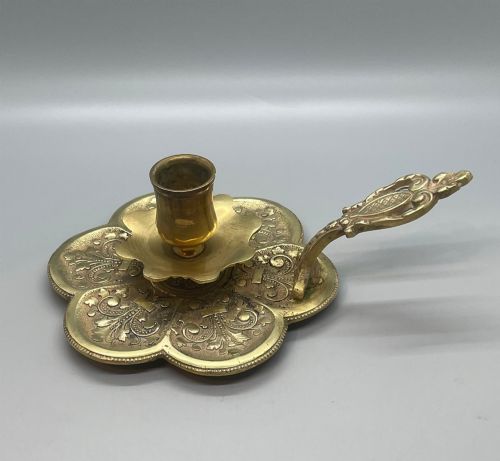
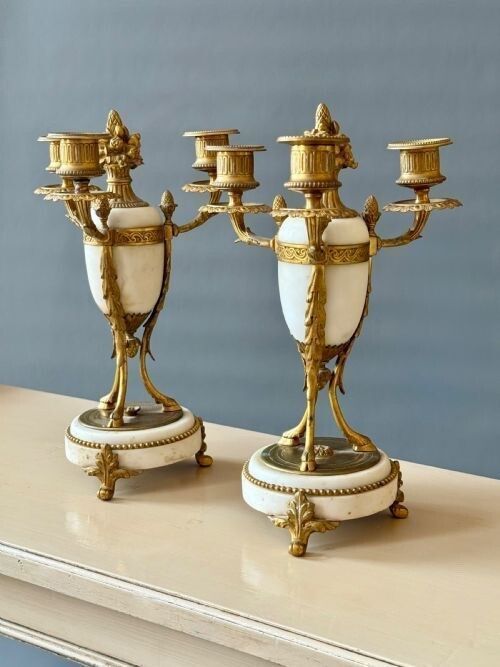
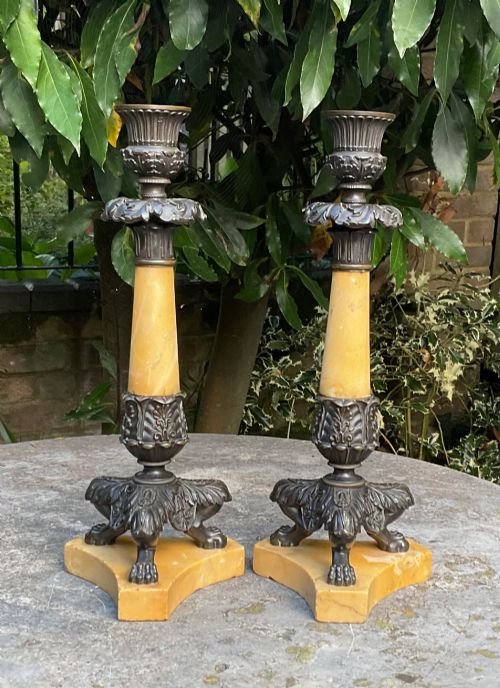
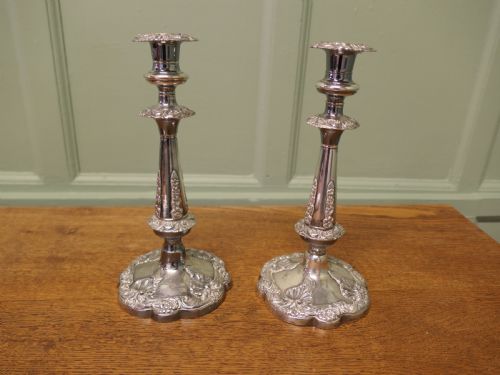
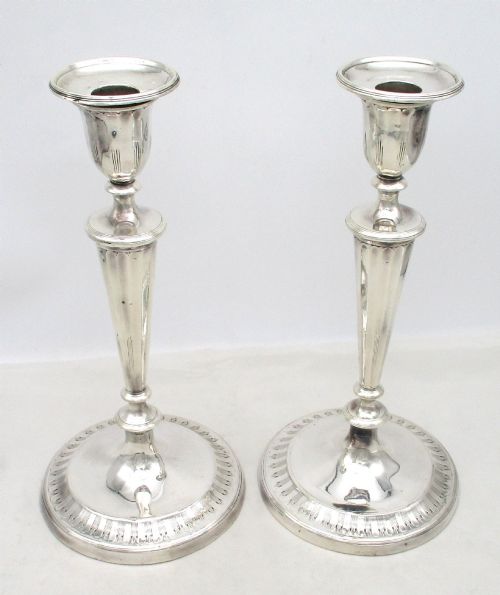
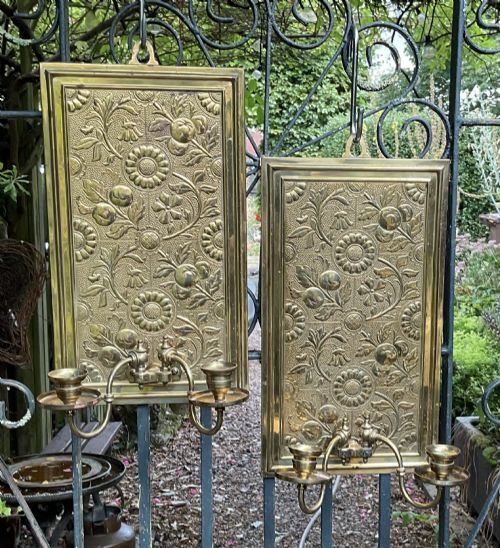
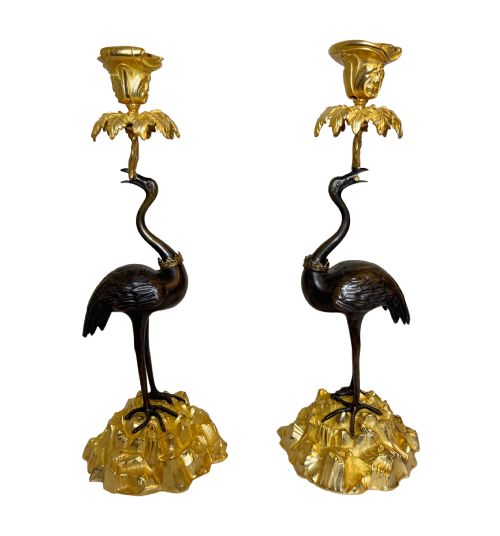
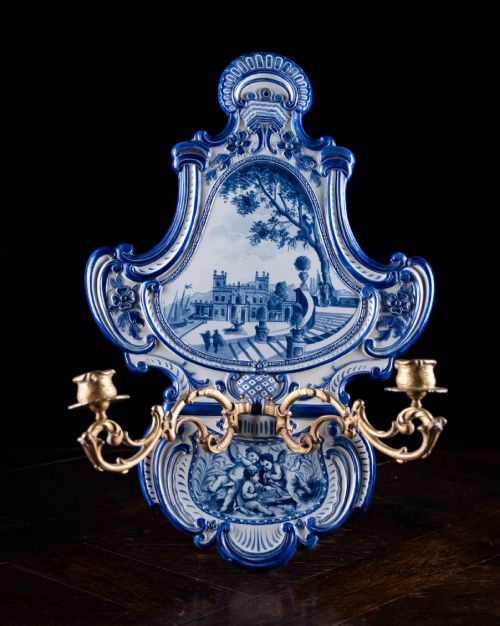
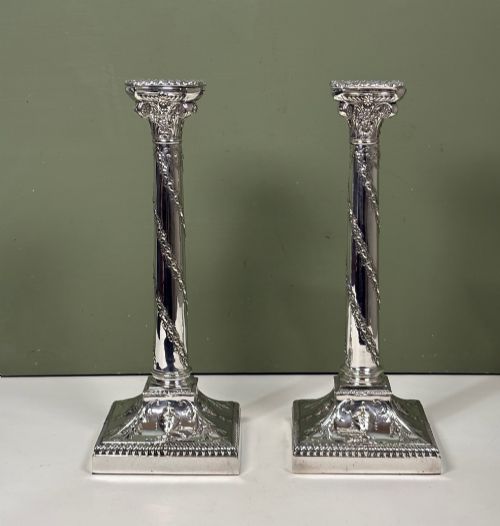
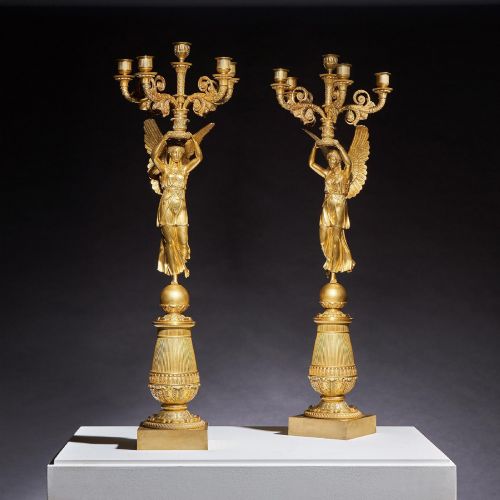
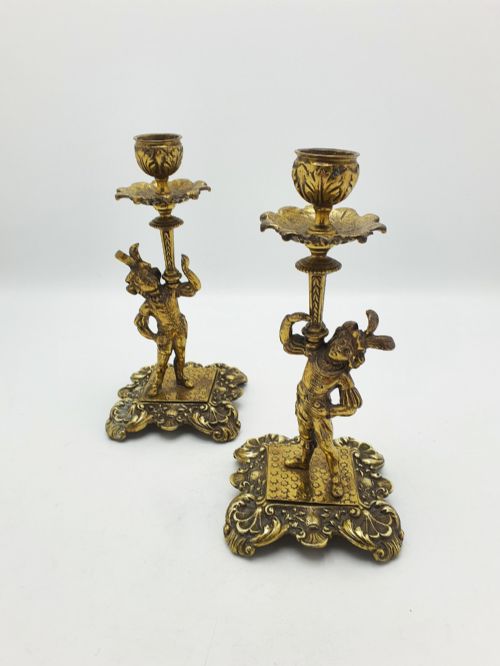
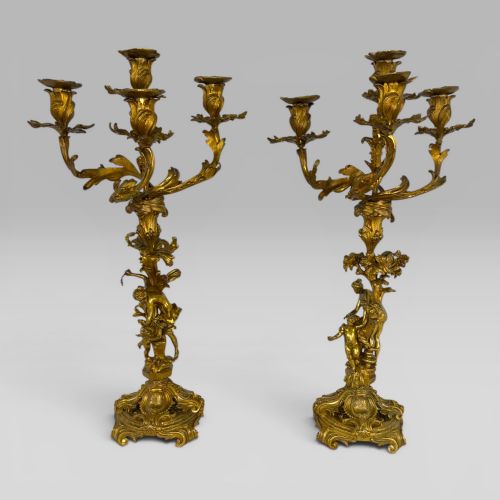
When you search for 19th century candleholders, you encounter a varied group of lighting pieces spanning domestic brass candlesticks, multi-branched candelabra, and wall-mounted sconces. The most common survivals on this page are domestic brass candlesticks and pairs of gilt bronze or marble decorative pieces.
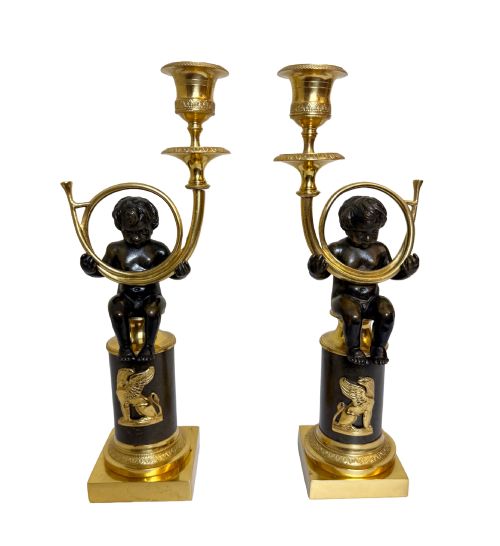
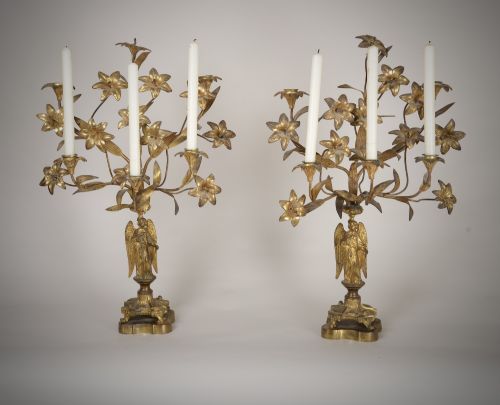
The selection ranges from utilitarian brass ejector sticks designed for daily use to elaborate French Empire and Rococo Revival candelabra featuring figures, cherubs, and marble bases. You will also find specialised forms such as student lamps, table lustres, and wall sconces.
Originating across English and continental workshops, these items reflect the shifting tastes of the 19th century, moving from late Georgian severity through Victorian exuberance to late-century aesthetic and Gothic revivals.
How they were made
Makers utilised cast bronze, brass, and silver plating, often combining metals with white marble bases, porcelain, or glass components. Components were cast, turned on lathes, and chased by hand to sharpen details on figural motifs and foliate scrolls.
Ormolu and gilt bronze pieces relied on mercury gilding or electrogilding to apply a gold layer over bronze bases, creating durable surfaces that retain their warmth. Brass examples frequently employed seaming and ejection mechanisms soldered into the shaft to push out spent wax stubs.
Pug dog motifs appear on late Victorian desk accessories, giving domestic lighting an unexpected canine guard.
What varies in quality
Quality rests in the crispness of the casting and the depth of the chasing, where sharper, hand-finished details separate mass-produced items from workshop pieces. Heavy gauge metalwork and substantial marble bases indicate superior manufacture over lighter, hollow alternatives.
Original matching components and intact gilding or patination elevate a pair, whereas heavy polishing that wears down raised details or mismatched replacement parts lower the standing of the piece.
Bruce Talbert·Villeroy and Boch·Pierre Philippe Thomire·Rabiat
The 19th Century Candleholders Glossary
- Candelabra
- A branched lighting fixture holding multiple candles on a central stem. These often feature removable nozzle inserts and decorative arms.
- Ejector candlestick
- A domestic brass candlestick fitted with an internal spring or sliding button to push out the remaining candle stub. This mechanism was a practical innovation of the period.
- Ormolu
- Finely ground high-carat gold applied to a bronze base using mercury or electrochemical processes. It yields a rich, golden surface texture.
- Girandole
- A branched wall sconce featuring a reflective mirror backplate. The mirror magnifies the candlelight within the room.
- Table lustre
- An ornamental glass or porcelain vase hung with cut glass prisms. They sit on tables to catch and refract light.
19th Century Candleholders: Frequently Asked Questions
How do I clean antique brass candleholders?
Use a soft cloth and warm soapy water to remove dust and wax accumulation without stripping the historic surface. Avoid abrasive compounds and harsh commercial dips that remove the aged patina.
Wax residue softens under warm water rather than scraping with metal tools. Gentle buffing preserves the darkened recesses that highlight the cast details.
Were these candleholders meant for dining tables?
Many pairs served on dining tables, mantelpieces, and chests of drawers where extra light or symmetry was required. Taller multi-branched versions occupied central reception spaces.
Smaller single sticks moved from room to room with the help of side handles or ejector mechanisms. They provided personal illumination before widespread gas and electric lighting.
How can I date 19th century candleholders?
Dating relies on stylistic clues like Neoclassical proportions, Victorian ornamentation, or Gothic Revival motifs. Materials such as early machine-seamed brass versus heavier cast bronze also point to specific decades.
Maker signatures, registry marks, and construction techniques help narrow the production period further. Comparing the casting weight and assembly methods against known dated examples confirms the era.