






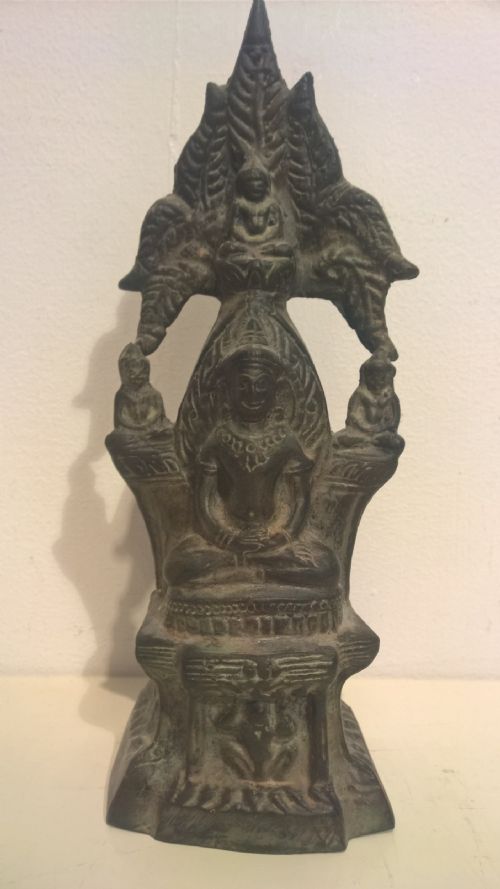


19th Century Bronze Temple
A 19th century bronze temple brings the solemnity of distant sanctuaries and classical ruins directly to a mantel or hall.
19th Century Bronze Temple
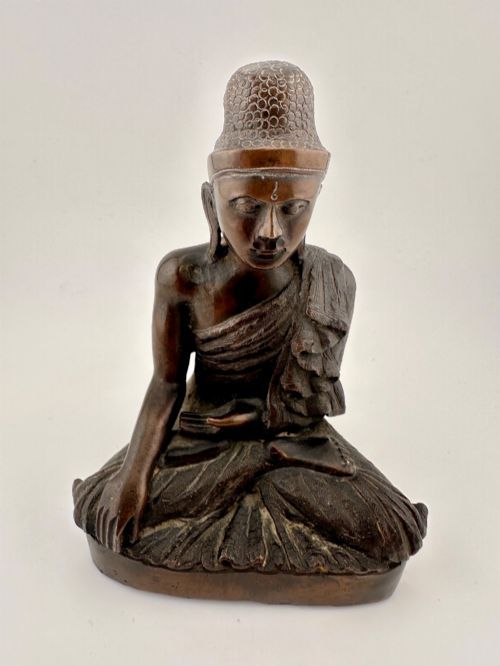
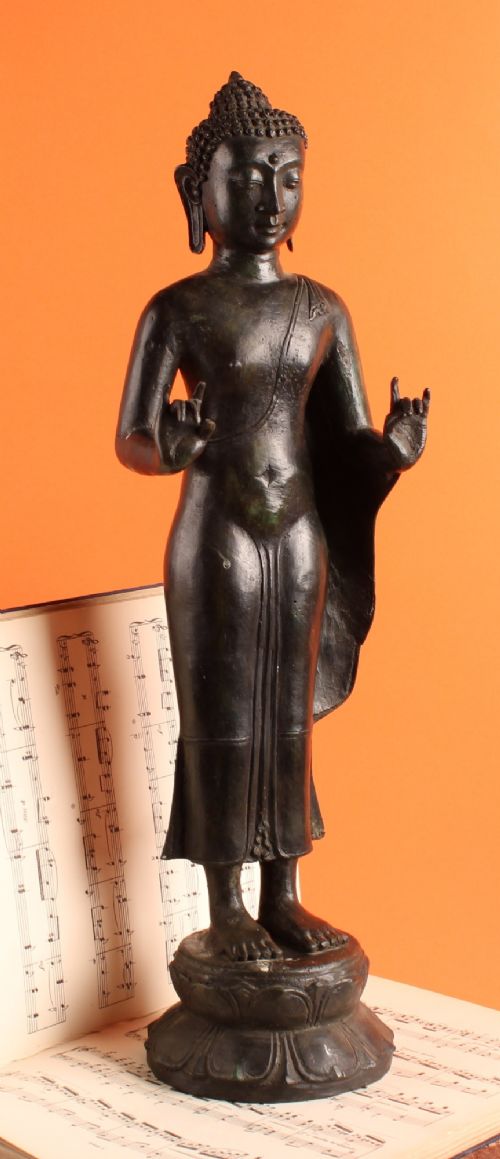
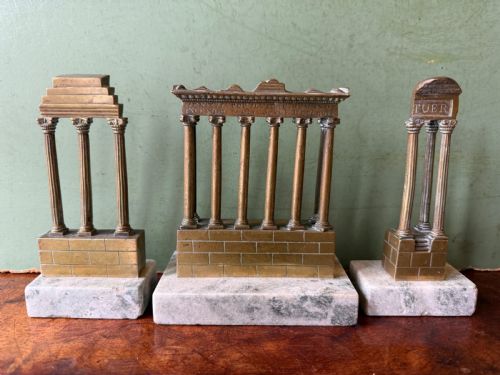
When searching for a 19th century bronze temple, buyers encounter a diverse selection of architectural models, sacred figures, and ritual vessels. These items encompass Grand Tour souvenirs of Roman ruins, Buddhist and Hindu statues, and decorative furnishings sourced from European and Asian workshops.
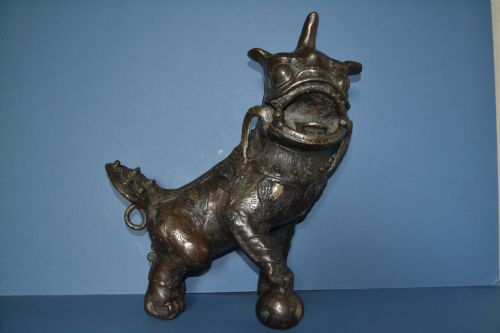
The architectural models frequently replicate famous structures such as the Foro Romano or the Temple of Vesta. Alongside these, buyers find ritual objects including bells, gongs, altars, and lions intended for domestic or sacred settings.
Originating across Europe and Asia, the selection bridges neoclassical European taste with Eastern traditions. Pieces span from mid-century productions to late-period items, reflecting varied cultural practices of the era.
Judging quality
Quality depends upon the crispness of the cast and the depth of detail in the chasing. Superior architectural models capture the precise proportions and architectural orders of classical buildings without soft edges.
The integrity of the material and the sophistication of the patination separate finer examples from simpler ones. In figurative and ritual pieces, expressive modelling and careful finishing distinguish the output of skilled workshops.
19th Century Bronze Temple Retail Price Guide 2026
Typical asking prices for 19th century bronze temple among the pieces listed under this phrase on Sellingantiques today, from the lower quarter to the upper quarter. They describe what is for sale here now, not the wider market.
Listings feature items originating from European, South Asian, and East Asian traditions across the nineteenth century.
Alajos Strobl
The 19th Century Bronze Temple Glossary
- Grand Tour
- A cultural journey undertaken by wealthy young Europeans that generated a demand for miniature bronze architectural models and souvenirs of antiquity.
- Patination
- The chemical or natural alteration of a metal surface over time, producing distinct colourations and finishes on bronze.
- Mudrā
- A symbolic gesture or pose in Buddhist and Hindu iconography executed with the hands of a statue.
- Ormolu
- Gilded bronze used for decorative mounts and furnishings, popular in nineteenth-century decorative arts.
- Jardinière
- An ornamental pot or planter designed to hold plants or flowers, often cast in bronze.
19th Century Bronze Temple: Frequently Asked Questions
How do I identify a temple bell?
Temple bells feature heavy bronze construction, often accompanied by suspension chains or loops designed for hanging in sacred spaces.
Their substantial weight and resonant metal composition set them apart from standard domestic bells.
Where were bronze temple lions placed?
Temple lions, also known as guardian lions or Foo dogs, historically flanked the entrances of shrines and important buildings in Asian traditions.
In domestic settings, smaller pairs served as decorative guards or bookends.
What materials accompany the bronze?
Many architectural models incorporate marble bases to elevate the bronze structure and mimic stone foundations.
Other pieces combine bronze with ormolu mounts, porcelain, or gold leaf highlights.