


19th Century Bronze Medallion
These 19th century bronze medallion pieces bring classical portraiture and commemorative relief work into domestic interiors through lasting cast metal and rich patination.
19th Century Bronze Medallion
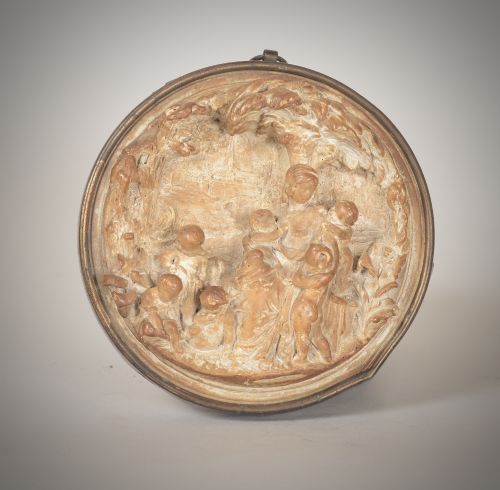
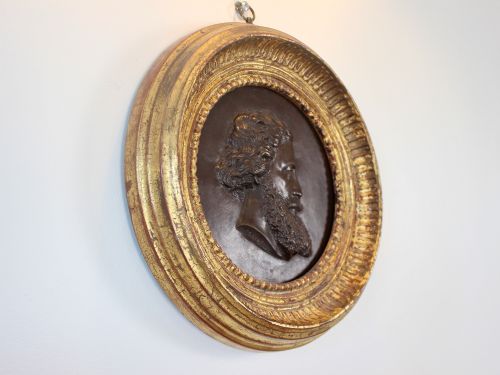
A 19th century bronze medallion search reveals a diverse group of objects centred on circular relief plaques, portrait roundels, and commemorative medals. These pieces capture likenesses of historical figures, literary icons, and rulers through detailed metal casting.
Buyers are most likely to encounter wall plaques, framed roundels, and portrait reliefs dating across the Victorian era. Many pieces incorporate patinated bronze, cast iron, or copper mounted within wooden frames or displayed independently.
The category also encompasses related decorative works that utilise bronze mounts alongside porcelain or enamel elements. These forms span diverse aesthetic movements from French Empire to Renaissance Revival and Chinese export styles.
Assessing quality
The refinement of the surrounding mount or frame contributes significantly to the overall merit of the piece. Master founders achieved subtle tonal variations across the metal surface that elevate standard plaques into accomplished sculptural works.
Several pieces preserve the stern gaze of Victorian literary giants and emperors who appear ready to lecture you on proper household decorum.
Gustav Grohe·Coalbrookdale·Waterlow and Sons
The 19th Century Bronze Medallion Glossary
- Medallion
- A circular or oval plaque, usually featuring a portrait or commemorative scene in relief. These objects were produced to honour individuals or mark significant historical events.
- Patination
- The natural or chemically induced surface colour on metal objects resulting from age and treatment. A stable patina protects the underlying bronze or copper while adding visual depth.
- Relief
- Sculptural work where the figures project from a flat background. High relief stands out prominently, while low relief creates a shallower profile.
- Roundel
- A circular panel or plaque used for decorative display on walls or within furniture mounts. They often feature profile portraits cast in metal or carved in plaster.
- Ormolu
- Gilt bronze ornamentation applied to furniture, clocks, and ceramic vessels. The technique involves fusing a gold-mercury amalgam to a bronze base.
19th Century Bronze Medallion: Frequently Asked Questions
How were bronze portrait medallions displayed?
These pieces were typically hung on walls as individual plaques or mounted within turned wood frames for table display. Some functioned as architectural insets or decorative elements upon furniture.
Larger roundels and cast iron panels served as focal points in Victorian libraries and studies, celebrating literary and historical figures.
What subjects appear on these medals?
Portraits of literary figures, monarchs, and military leaders form the primary subjects of these cast metal works. Shakespeare, Rubens, Napoleon, and Charles Dickens frequently appear in profile relief.
Exhibition medals and commemorative issues also mark industrial achievements and international gatherings from the Victorian period.
Are all these pieces solid bronze?
While the search focuses on bronze, the category includes works cast in copper, brass, cast iron, and lead bronze. Secondary materials such as mahogany frames and porcelain supports frequently accompany the metal elements.
Foundries often selected specific metals based on the required crispness of the cast and the intended surface finish.
How do I distinguish nineteenth century pieces?
Nineteenth-century pieces often display specific casting marks, artist signatures, or exhibition dates cast directly into the metal. The style of the portrait lettering and the composition of the frame offer strong chronological clues.
Victorian revival movements also influenced the design vocabulary, drawing from Renaissance and Classical precedents.