
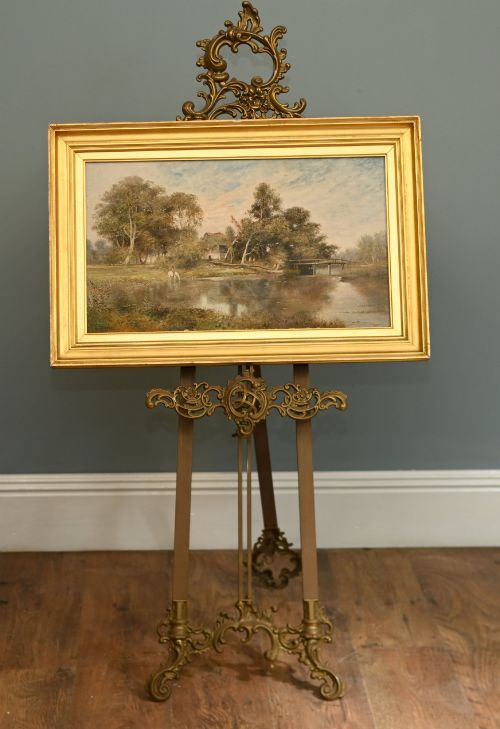
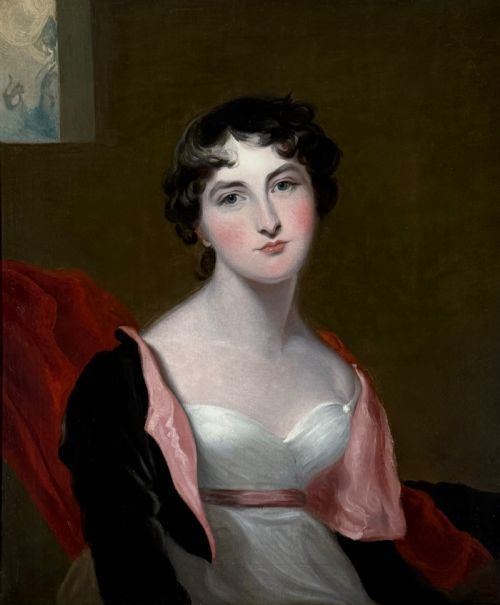
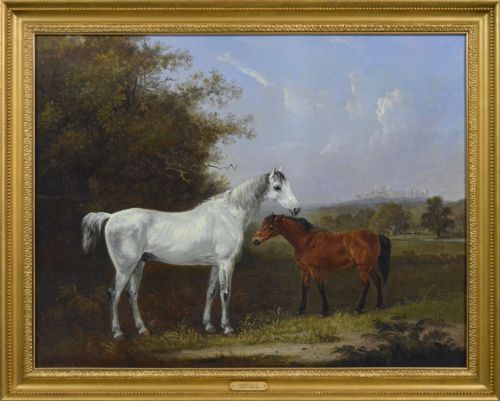
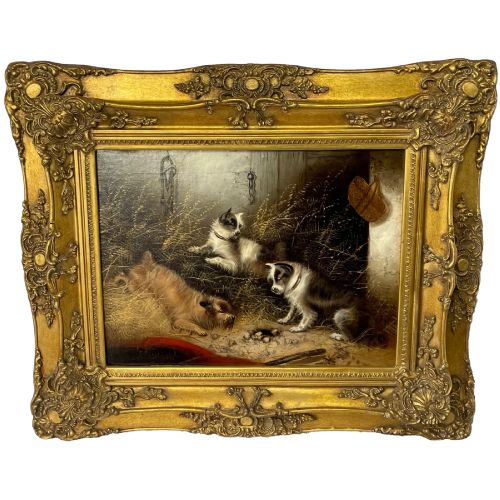
19th Century British Oil
19th century british oil paintings capture romantic landscapes, maritime scenes, and intimate portraits reflecting changing tastes across the Victorian and Regency eras.
19th Century British Oil
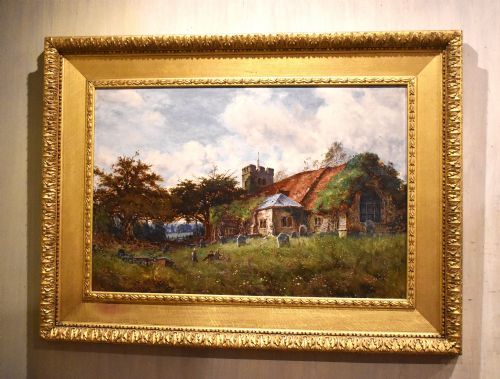
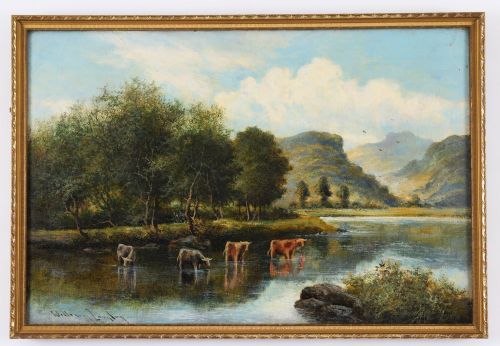
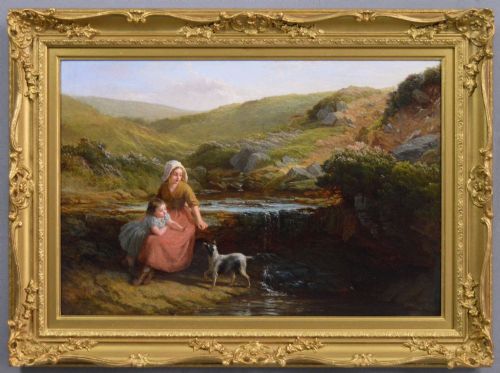
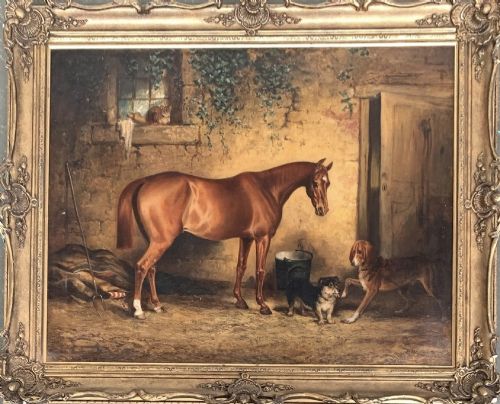
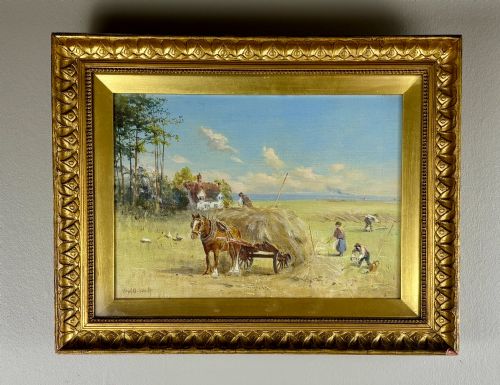
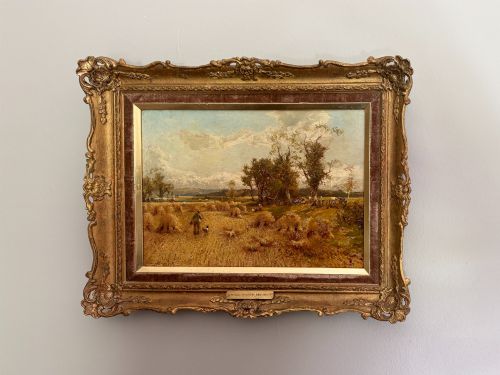
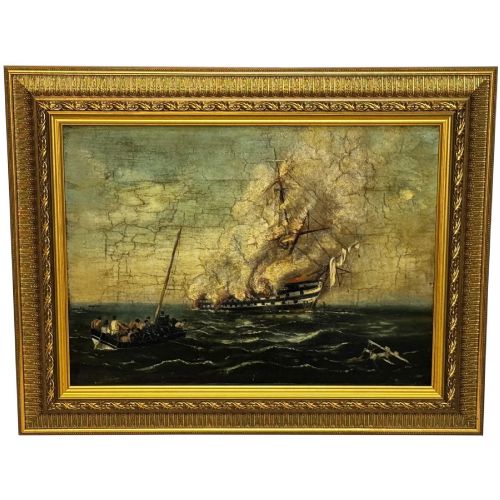
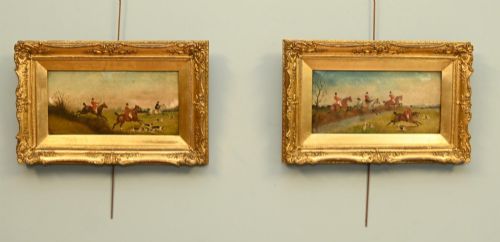
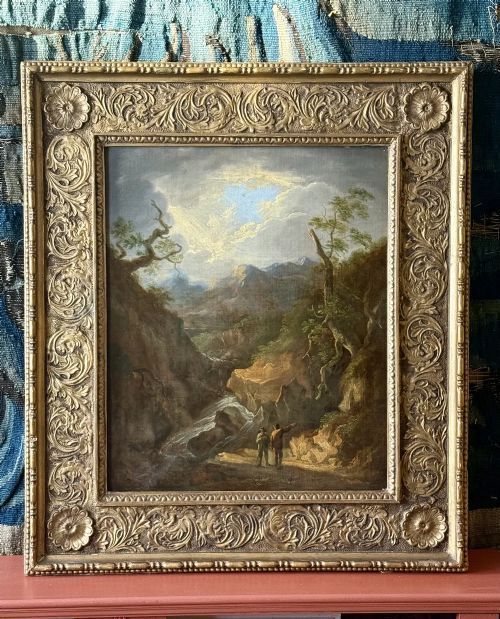
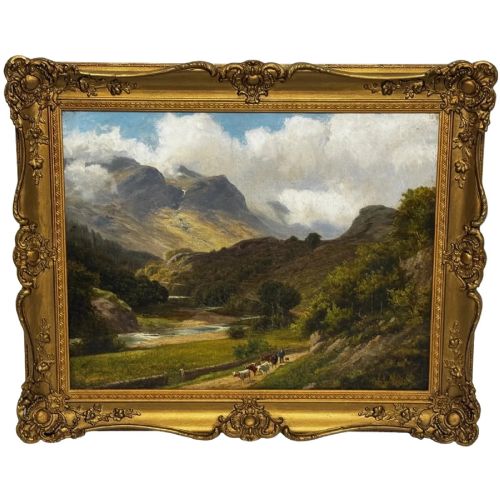
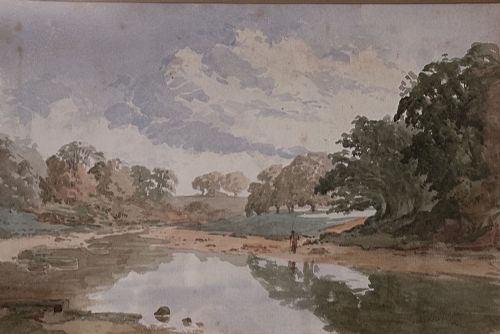
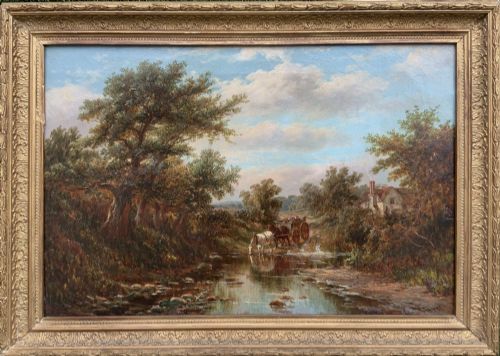
Searching for 19th century british oil brings up a broad selection of fine art works, ranging from expansive pastoral landscapes and coastal seascapes to detailed character portraits and sporting scenes.
The pieces on this page are predominantly framed canvases or wooden panels originating from British and Scottish schools, capturing rural life, social history, and dramatic natural views.
Buyers will encounter both signed works by known nineteenth-century painters and anonymous school pieces that demonstrate the strong academic tradition of the period.
How They Were Made
Artists of this period applied oil paint primarily onto stretched canvas, wooden panel, or board, building up rich textures and deep tones.
Many surviving works are housed in their original heavy giltwood and gesso frames, which frequently feature ornamental moulding characteristic of the Victorian era.
Portraits of horses, sporting dogs, and military officers appear frequently alongside romantic views of rivers and coastal towns.
What Varies In Quality
The distinction between standard works and exceptional examples lies in the confidence of brushwork, compositional depth, and the handling of natural light.
Portraits and landscapes that retain clear provenance, original stretchers, and untouched period frames command greater interest among collectors seeking authentic preservation.
William Oliver·Richard Sebastian Bond·Felix Stone Moscheles·Valentine T Garland·John Maler Collier·Frederick Marriott·John Horace Hooper·William Joseph Shayer Senior·Alfred Fontville de Breanski Jr·Edward Mills·Stephen Samuel Lewin·John Rose Miles·Thomas W Lascelles·Mark William Langlois·David Bates·Benjamin Barker of Bath·Thomas Smythe·Albert Clark·Robert John Hammond·Walter Heath Williams·Francis Moltino·Margaret Sarah Carpenter·Bernard Benedict Hemy·Thomas Creswick·Stephen Pearce
The 19th Century British Oil Glossary
- Oil on Canvas
- Pigment mixed with drying oil applied to a woven fabric support. This was the primary medium for British painters throughout the nineteenth century.
- Giltwood
- Wood carved and covered with a thin layer of gold leaf. These ornate frames define the presentation of Victorian fine art.
- Gesso
- A plaster-like mixture applied to wood panels or frame mouldings to create a smooth surface for gilding and decoration. It provides structural detail to period framing.
- British School
- A designation used for paintings created by British artists whose specific identities remain unrecorded or anonymous in historical archives.
- Sporting Art
- A genre focusing on horses, hunting scenes, and rural field sports. These works were widely commissioned by the nineteenth-century gentry.
19th Century British Oil: Frequently Asked Questions
How do I identify a 19th century British landscape?
Look for characteristic subjects such as pastoral river views, Scottish highlands, or coastal fishing vessels executed with traditional oil pigments.
Examination of the canvas texture, stretcher construction, and framing style often provides additional clues to the era of creation.
Are most of these paintings signed by the artist?
While many pieces bear visible signatures or attribution notes, a significant number originate from the broader British School and remain anonymous.
Signed works often include legible inscriptions on the canvas or reverse panel denoting the creator and date.
How should I care for an antique oil painting?
Keep the artwork away from direct sunlight, extreme temperature shifts, and high humidity to protect the oil paint and canvas.
Avoid using liquid cleaners on the painted surface and consult a professional conservator for proper maintenance of gilt frames.