



19th Century Brass Snuff
These 19th century brass snuff containers are small pocket vessels designed for tobacco, forged in brass and other metals to carry a daily pinch.
19th Century Brass Snuff
When you search for 19th century brass snuff, you find small pocket containers intended for holding tobacco during the Victorian and Georgian periods. The selection on this page centres primarily on brass boxes, alongside related novelty forms in wood and bone.
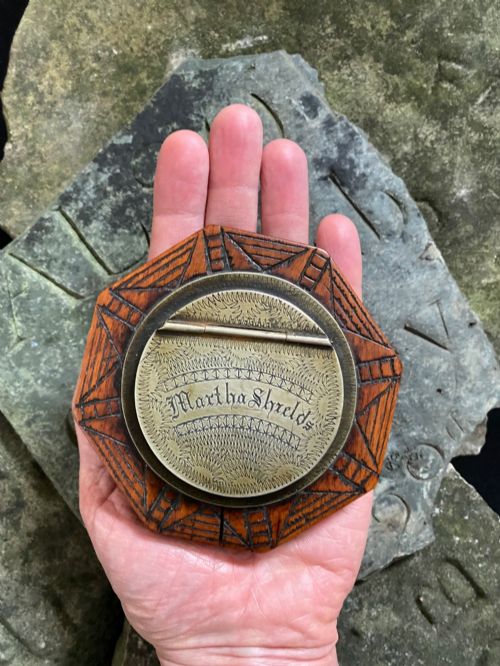
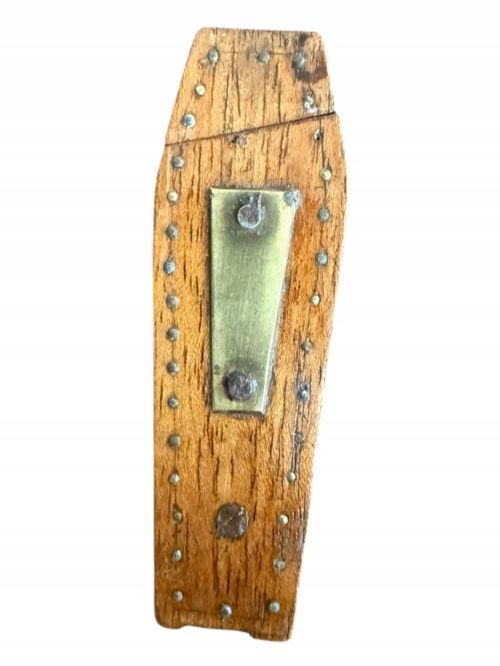
Makers shaped these small vessels into functional pockets items, sometimes incorporating inscriptions, novelties like shoes or coffins, and detailed metalwork. They reflect the everyday habits of the nineteenth century rather than grand drawing-room display pieces.
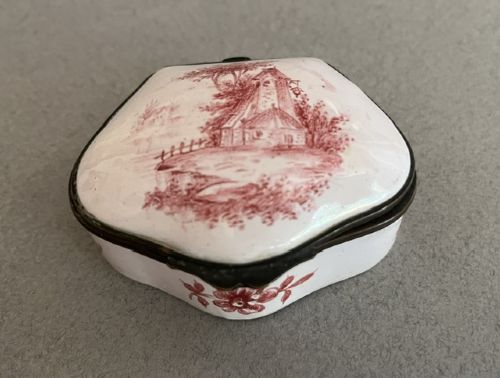
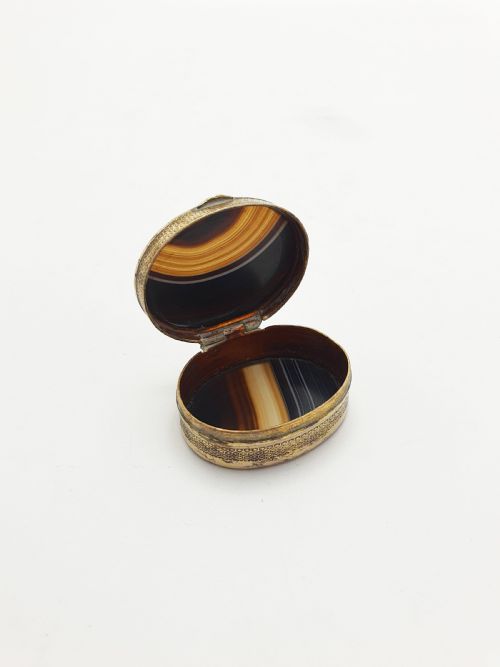
The assortment spans English, French, Italian, and Dutch origins, showing how different regional workshops approached the simple task of holding tobacco. Buyers encounter both plain utility pieces and more decorated items featuring agate or gilt finishes.
How they were made
Artisans constructed these small containers chiefly from brass, often pairing the metal with wood, bone, iron, or porcelain. Some examples utilise brass wire inlay or gilt details to accent the primary surfaces.
Construction techniques combine basic metal fabrication with carving and turning, particularly in novelty items shaped like shoes or coffins. Inscriptions and dates appear engraved directly onto the metal or carved into the wooden elements.
19th Century Brass Snuff Retail Price Guide 2026
Typical asking prices for 19th century brass snuff among the pieces listed under this phrase on Sellingantiques today, from the lower quarter to the upper quarter. They describe what is for sale here now, not the wider market.
The listings on this site combine brass with materials like porcelain, bone, oak, and iron across the nineteenth century.
What varies in quality
Quality rests on the crispness of the engraving and the tightness of the lid fit, which mark the difference between routine workshop output and superior metalwork. Pieces with legible inscriptions or integrated decorative stone show higher attention from the maker.
The choice of secondary materials also alters the character of the piece, as combinations of agate, gilt brass, or intricate woodwork require greater skill to assemble than simple sheet metal boxes.
The 19th Century Brass Snuff Glossary
- Snuff
- A powdered tobacco taken by inhalation through the nose. Small boxes were manufactured specifically to keep this powder dry and portable.
- Treen
- Small handmade wooden objects for domestic use. These items often appear alongside metal pieces in collections of personal accessories.
- Gilt
- A thin layer of gold applied to the surface of brass or other base metals. This treatment added a richer appearance to pocket containers.
- Agate
- A decorative stone often set into the lids of boxes. Artisans valued this banded mineral for its natural patterns and smooth polish.
19th Century Brass Snuff: Frequently Asked Questions
What are these boxes?
These are small historical containers made to hold tobacco powder for personal use during the nineteenth century. They served as portable accessories carried in pockets or waistcoats.
Craftsmen produced them in various forms, from simple rectangular metal cases to novelty shapes like shoes and coffins. Each piece represents a common personal item from the Georgian and Victorian eras.
How were they used?
Owners carried the containers daily to dispense small amounts of tobacco powder when needed. The tight lids kept the contents secure and dry during travel.
Many boxes feature hinged lids for quick access, while others require sliding or double-opening mechanisms. Their pocket-sized format made them essential personal items for daily routines.
How do I date them?
Dating relies on stylistic clues, regional manufacturing traits, and occasional direct inscriptions or dates stamped into the metal or wood. The materials, such as early brass alloys and specific types of treen, help place them in the nineteenth century.
Comparing the construction methods to known examples from the Victorian and Georgian periods provides further chronological context. Engraved dates on specific pieces offer clear markers of their origin.
How do I live with them?
These small vessels sit easily on a desk, shelf, or within a cabinet display alongside other historical smalls. They require no special environment beyond normal indoor conditions away from excessive moisture.
Handling them directly allows you to appreciate the mechanics of their lids and the texture of the aged metal. They occupy very little space while adding tactile history to a room.