



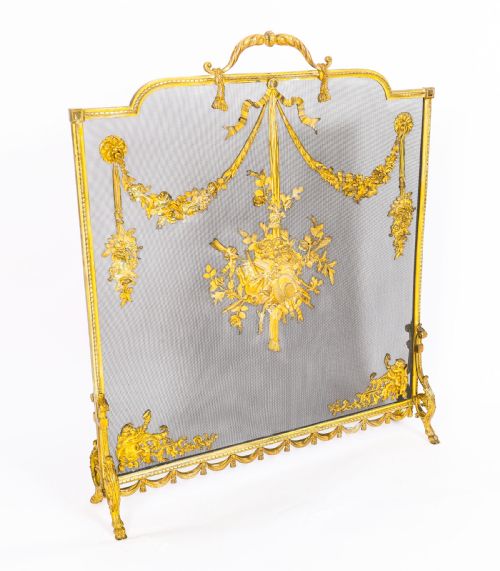
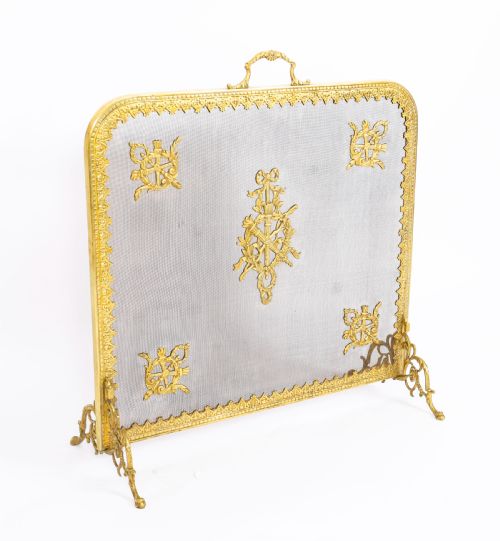
19th Century Brass Guard
These pieces for a 19th century brass guard protect a room from stray sparks while anchoring the hearth with period weight and polished metal.
19th Century Brass Guard
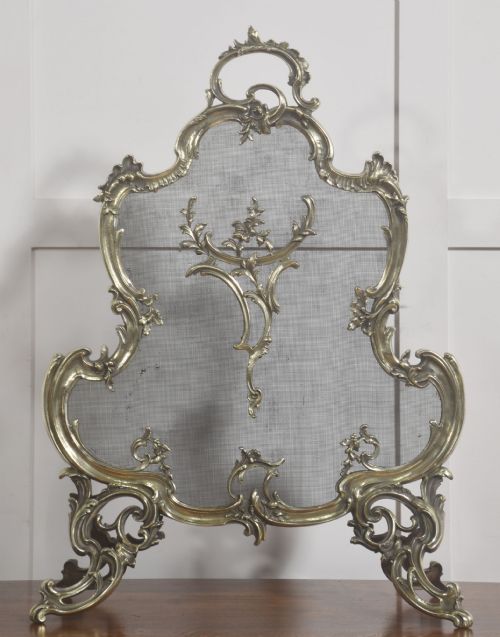
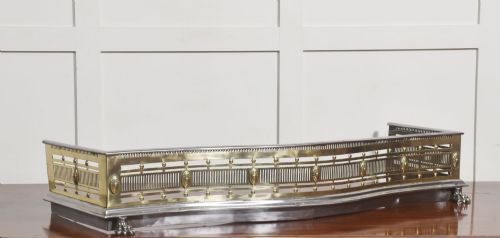
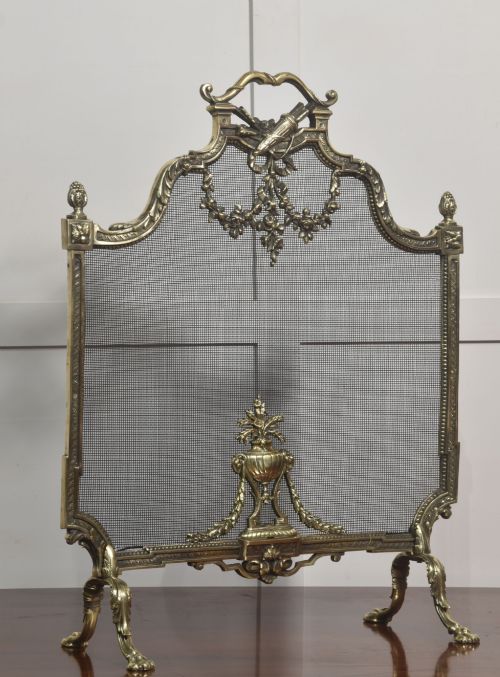
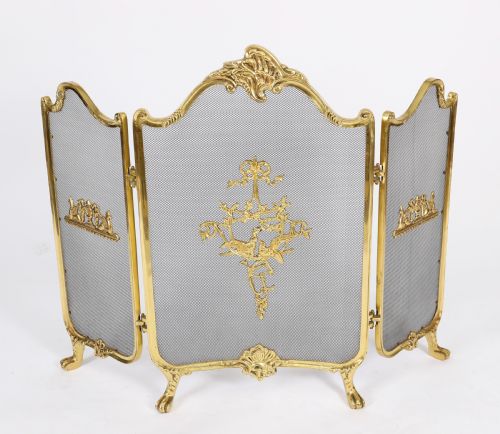
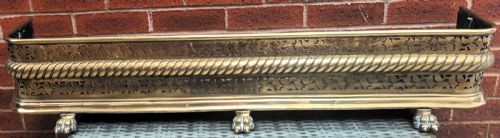
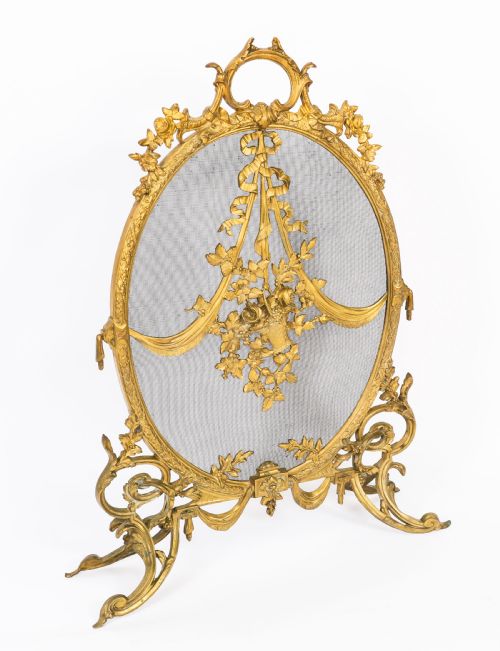
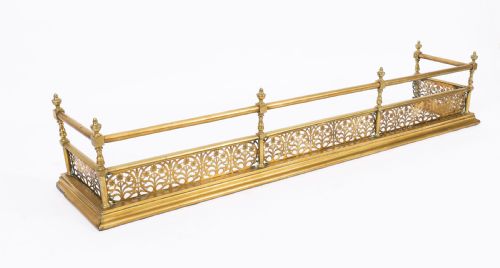
When searching for a 19th century brass guard, buyers encounter protective hearth furniture that ranges from low curb fenders to tall wire mesh nursery screens. The selection relies heavily on fireplace accessories from the Victorian and Regency eras, alongside French revival styles.
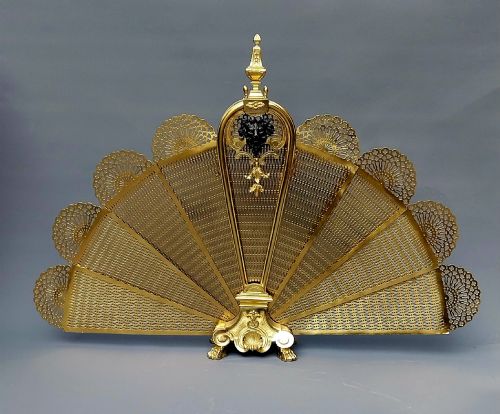
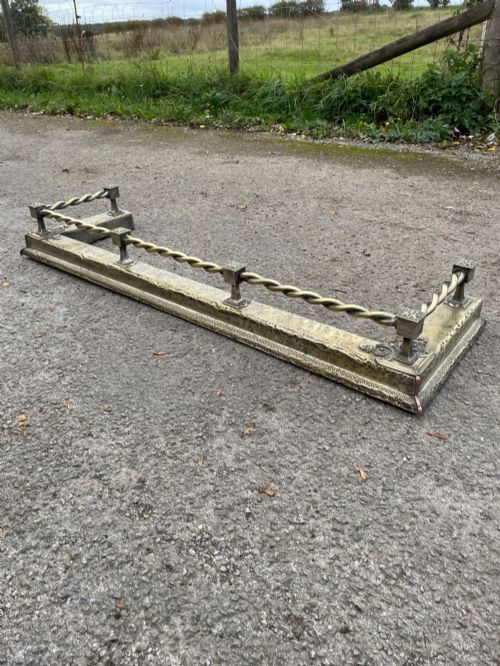
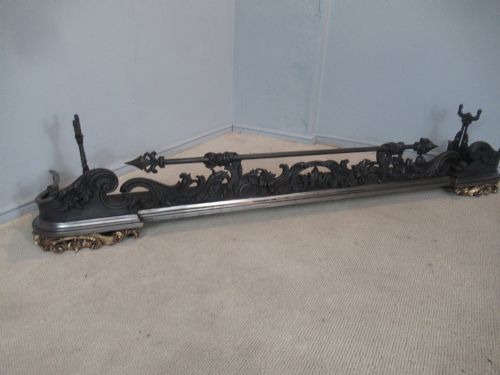
Most entries divide into two distinct forms: the low fender or curb placed along the hearth floor, and the upright fire screen designed to sit before the open flames. English Victorian designs often incorporate pierced brass or extending frames, while French pieces lean into ornate gilt bronze and rococo revival motifs.
Materials extend beyond simple brass to include wire mesh, iron, steel, and occasionally walnut or leather details. These objects served a practical domestic purpose in nineteenth-century homes, containing embers while reflecting the warmth and light of the coal fire.
What varies in quality
The distinction between standard domestic items and high-end examples rests in the depth and crispness of the cast brass or gilt bronze ornamentation. Heavier gauge metalwork and detailed hand-piercing separate finer salon screens from simpler nursery guards.
Execution of the style period - whether French Rococo Revival or Regency - determines the refinement of the piece. Quality shows in the solidity of the joints, the precision of applied garlands, and the retention of original polished surfaces rather than modern plating.
19th Century Brass Guard Retail Price Guide 2026
Typical asking prices for 19th century brass guard among the pieces listed under this phrase on Sellingantiques today, from the lower quarter to the upper quarter. They describe what is for sale here now, not the wider market.
Several heavy brass guards spent their youth dodging flying embers and enduring the occasional enthusiastic poke from a Victorian fireplace poker.
Bouhon Frères·E Thurkle of Soho·George Bullock
The 19th Century Brass Guard Glossary
- Fender
- A low metal guard placed on the floor around a hearth to contain rolling logs and coal embers. They often feature pierced brass or extended steel construction.
- Fire Screen
- An upright barrier placed in front of a fireplace during warmer months or when the fire is unlit. These often incorporate brass frames and wire mesh.
- Gilt Bronze
- Bronze metal treated with a gold-coloured finish or mercury gilding. It appears frequently on French revival hearth accessories.
- Nursery Fender
- A tall protective guard designed to keep children and pets at a safe distance from open flames. They typically feature a top rail and fine wire mesh.
- Curb Fender
- A low barrier fitted directly to the hearth perimeter. These define the boundary of the fireplace enclosure.
19th Century Brass Guard: Frequently Asked Questions
What is a 19th century brass guard used for?
These pieces served to protect the room from stray sparks, falling embers, and direct radiant heat from coal or wood fires.
Tall versions acted as nursery guards to keep children and pets at a safe distance from the open hearth, while low fenders contained rolling logs.
How do I identify a Victorian fender?
Victorian examples often feature heavier gauge brass, pierced metalwork, or extending mechanisms designed to fit specific hearth sizes.
They frequently display straightforward geometric piercing or robust curb construction compared to ornate French revival designs.
What is the difference between a fender and a screen?
A fender sits flat on the floor around the perimeter of the hearth to contain the fire within a defined boundary.
A screen stands upright on feet to block the heat and light radiating from the opening when the fireplace is not actively tended.
Are these guards adjustable?
Certain nineteenth-century designs incorporate sliding or extending mechanisms in brass and steel to accommodate different fireplace widths.
Rigid cast fenders and fixed screens maintained a single fixed dimension set during their original manufacture.