
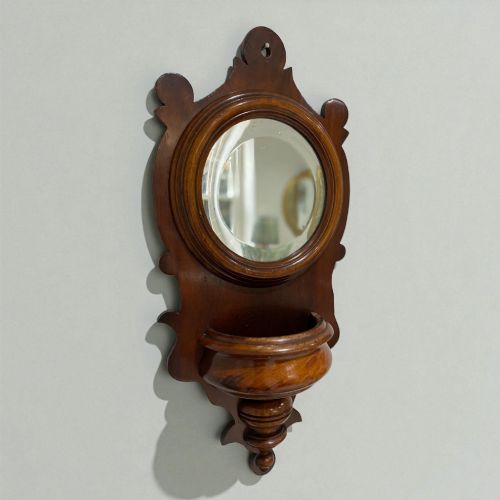
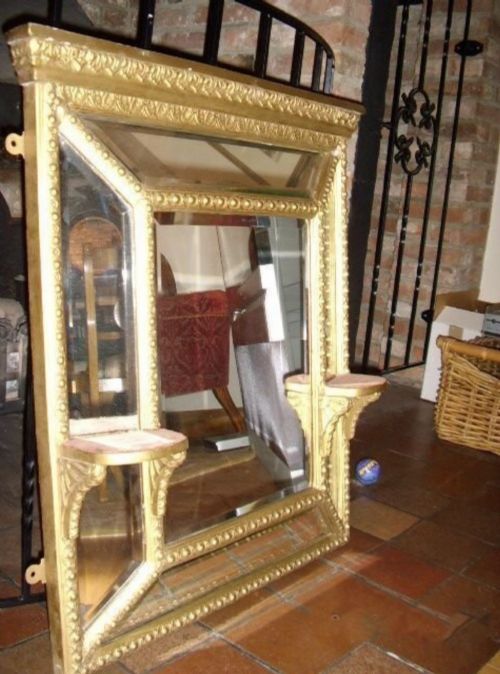


19th Century Bracket Mirror
A 19th century bracket mirror combines a reflective glass plate with an integrated shelf or bracket, offering a decorative surface for small objects.
19th Century Bracket Mirror
A 19th century bracket mirror combines functional reflection with an integrated display surface, emerging in various regional and stylistic interpretations across the period. Buyers encountering this search phrase find pieces ranging from compact wall items to substantial overmantel mirrors fitted with gilt brackets.
The selection includes Victorian examples alongside continental pieces such as French gilded wall mirrors and French chateau styles. Cabinetmakers also produced revival pieces, including George I period revival carved walnut consoles and mirrors.
Forms vary from simple mahogany bracket mirrors circa 1860 to elaborate giltwood pairs labelled by Dublin makers. Wall shelves with mirrored backs and cushion mirrors with ornament shelves also appear within this group.
How these mirrors were constructed
Carpenters and joiners utilised solid timbers including mahogany, pine, walnut, and yew wood for the foundational frames and structural brackets. These woods provided the necessary strength to support both the glass and the weight of any items placed upon the integrated shelf.
Decorative surfaces frequently employed gesso applied over a wooden base, which was then gilded to create bright metallic finishes. Mirror glass, including bevel cut varieties, was set into these frames, sometimes accompanied by carved details such as cherubs or ornate crests.
Listings feature nineteenth-century materials including giltwood, gesso, mahogany, pine, yew wood, and bevelled glass.
What separates the finest examples
Quality in a 19th century bracket mirror rests upon the depth and crispness of the carving found within the giltwood, gesso, or timber frames. Skilled carvers produced intricate details like cherubs and revival motifs that remain sharp and well-defined.
The integrity of the construction and the selection of materials also determine distinction. Superior pieces utilise choice timbers like mahogany or walnut, and maintain original mercury or bevelled mirror glass alongside secure bracket attachments.
Strahan of Dublin
The 19th Century Bracket Mirror Glossary
- Bracket mirror
- A wall-hanging looking glass featuring a small projecting shelf or bracket attached to the bottom of the frame.
- Giltwood
- Timber that has been coated in a thin layer of gold leaf, frequently utilised on ornate Victorian and French frames.
- Gesso
- A plaster-like mixture applied to wood frames as a smooth base for subsequent gilding and fine carving.
- Bevel cut
- A technique where the outer edges of the mirror glass are angled down to create a decorative framing effect.
- Overmantel mirror
- A large looking glass designed specifically to hang on the wall directly above a fireplace mantelpiece.
19th Century Bracket Mirror: Frequently Asked Questions
What is a bracket mirror?
A bracket mirror is a wall-mounted looking glass that incorporates a small shelf or bracket directly into its design. This shelf allows the piece to function simultaneously as a mirror and a display surface for small decorative objects.
Examples from the nineteenth century utilise materials like mahogany, pine, and giltwood. They range from simple domestic wall pieces to ornate French and Victorian designs.
Where were bracket mirrors placed?
These mirrors were typically hung in reception rooms, hallways, or parlours where wall space allowed for both reflection and functional display. The integrated bracket held small items such as figurines, small clocks, or candles.
Larger variations, including overmantel pieces with gilded brackets, were positioned specifically above fireplaces. Smaller wall shelves with mirrored backs served similar decorative purposes in narrower spaces.
How do I identify a Victorian mirror?
Victorian mirrors are identified through their characteristic styles, which include Rococo Revival, Aesthetic Movement, and heavy giltwood overmantel forms. Construction details such as pine or mahogany frames and specific bevel-cut glass help indicate the period.
Makers' labels, where present, provide definitive origin and date information. Stylistic cues like carved cherubs and parcel-gilt walnut further point to nineteenth-century manufacture.