





Wooden Wall Shelf Mirror
A wooden wall shelf mirror combines a reflective glass surface with practical display space, uniting function and decoration for everyday interiors.
Wooden Wall Shelf Mirror
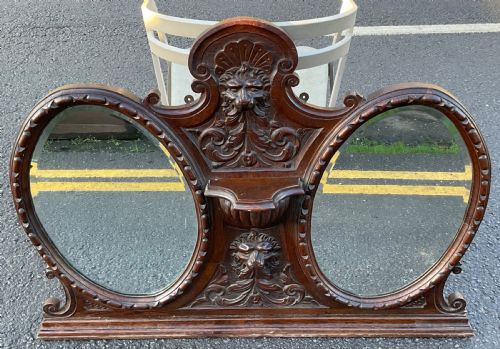
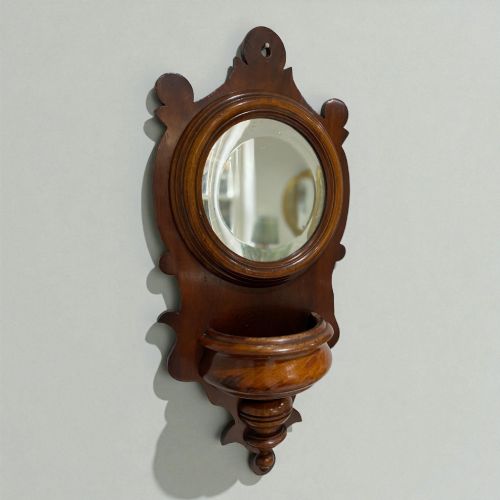
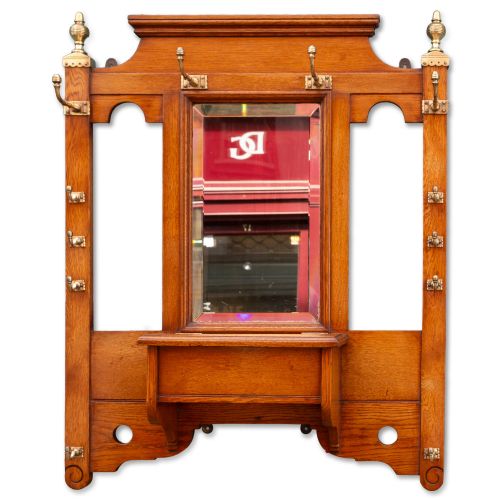
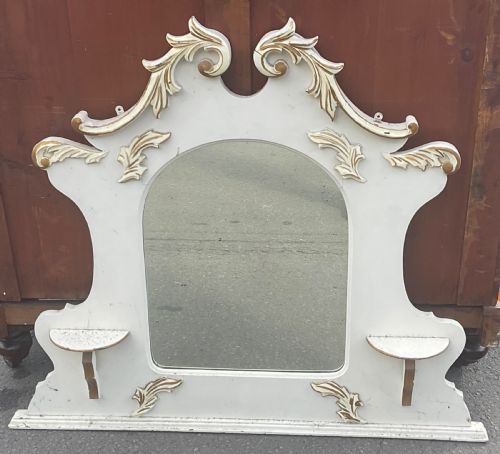
A wooden wall shelf mirror bridges the gap between functional furniture and decorative wall art by incorporating ledges or brackets directly into the frame. When you search for a wooden wall shelf mirror, you encounter forms that serve multiple purposes, from modest hall mirrors with key hooks to larger overmantels designed for principal reception rooms.
The pieces listed on this page span the nineteenth and early twentieth centuries, encompassing Victorian, Edwardian, and later periods. You are most likely to meet oak and mahogany examples equipped with small display shelves, hanging pegs, or integrated cupboards suited for hallways, cloakrooms, and bedrooms.
Design influences vary widely across the selection, shifting from restrained classical styles like William IV and George IV to ornate Victorian, Aesthetic Movement, and Moorish Revival expressions. Certain items present specialised functions, operating simultaneously as shaving mirrors, cloakroom racks, or display brackets for small ornaments.
How they were made
Cabinetmakers utilised dense timbers such as oak, mahogany, rosewood, and yew wood to construct durable frames capable of supporting integrated shelves and hanging loads. These hardwoods were frequently carved, turned, or inlaid with contrasting materials to enhance the visual appeal of the wall fixtures.
Reflective surfaces typically consist of bevelled or plain mirror glass, occasionally paired with decorative gesso and giltwood details or polished brass hardware. Construction methods relied on traditional joinery techniques to secure brackets and ledges firmly to the main wooden backplates.
Wooden Wall Shelf Mirror Retail Price Guide 2026
Typical asking prices for wooden wall shelf mirror among the pieces listed under this phrase on Sellingantiques today, from the lower quarter to the upper quarter. They describe what is for sale here now, not the wider market.
Recorded forms include overmantel mirrors, cloakroom racks, bathroom shaving cabinets, and hall mirrors with integrated key shelves.
What varies in quality
The distinction between standard utility items and finer decorative pieces often lies in the choice of timber and the sophistication of the joinery. Superior examples display carefully selected veneers, intricate hand-carved ornamentation, and integrated brass or gilt fittings that complement the overall design.
Proportion and balance also define the upper tier of these pieces, where shelves and brackets integrate harmoniously with the mirror frame rather than appearing as an afterthought. The integrity of the original mirror glass and the crispness of any inlay or carved detail indicate the level of craftsmanship invested in the work.
Cottier & Co·Liberty & Co
The Wooden Wall Shelf Mirror Glossary
- Overmantel mirror
- A large wall mirror traditionally hung above a fireplace mantelpiece. These often incorporate architectural mouldings and built-in display shelves or brackets.
- Girandole
- A decorative wall mirror featuring attached candle sconces or lighting arms. The reflective glass multiplies the illumination cast by the candles.
- Bracket mirror
- A wall-mounted mirror supported by or incorporating wooden brackets. These brackets frequently double as small display shelves for ornaments.
- Giltwood
- Timber that has been coated with a thin layer of gold leaf or gilt paint. This finish creates a luminous metallic effect popular in nineteenth-century framing.
- Bevelled edge
- A glass edge cut and polished at an angled slope. This traditional technique creates a prismatic light refraction around the perimeter of the mirror.
Wooden Wall Shelf Mirror: Frequently Asked Questions
Where should I hang a wall shelf mirror?
These pieces suit entrance halls, cloakrooms, and bedrooms where surface space is limited. They provide a convenient spot for keys or small items while reflecting light into narrow spaces.
Larger overmantel versions belong above fireplace openings in living rooms or studies. Positioning depends on the height of the integrated shelf and the intended use of the mirror.
Can I use a bathroom shelf mirror daily?
Many Edwardian and Victorian examples were specifically produced as shaving or bathroom cabinets with integrated shelves. They handle everyday damp environments if treated with care.
Ensure that moisture does not accumulate on exposed wood or behind the silvering of the glass. Regular gentle cleaning preserves both the timber finish and the reflective surface.
How do I identify the period of a mirror?
Dating relies on timber selection, construction techniques, and stylistic markers such as Aesthetic Movement or Edwardian painted details. Plain oak and heavy mahogany indicate specific nineteenth or early twentieth-century manufacturing trends.
Examining the backboards, screw types, and the condition of the mirror glass provides further clues to age. Bevelled edges and hand-cut joinery point toward traditional craftsmanship.