


19th Century Book Table
A 19th century book table brings practical utility and rich timber character to a room, offering dedicated surfaces and storage for volumes.
19th Century Book Table
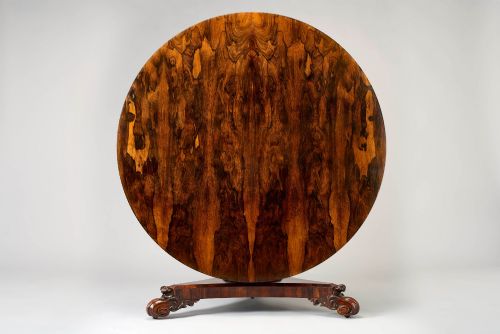
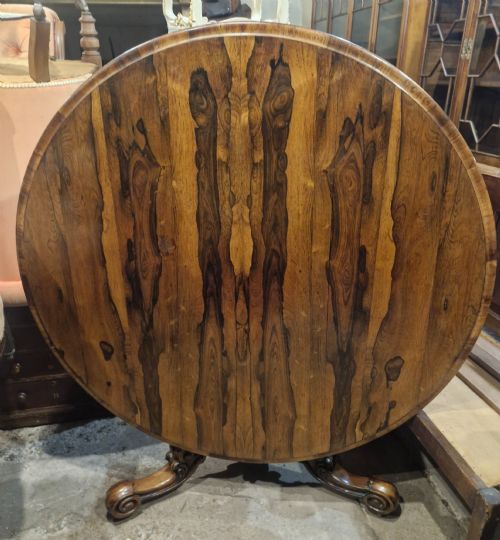
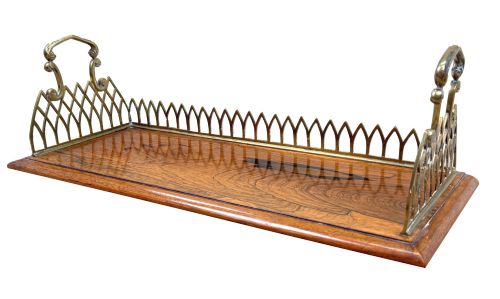
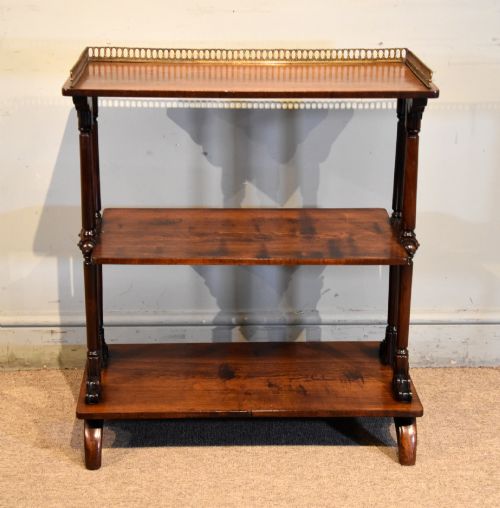
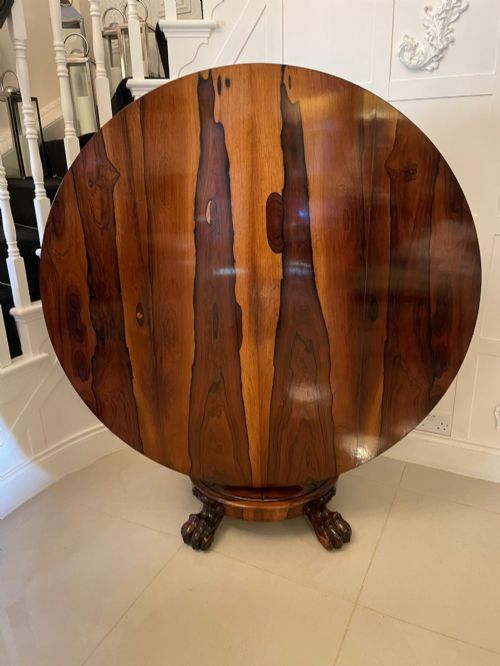
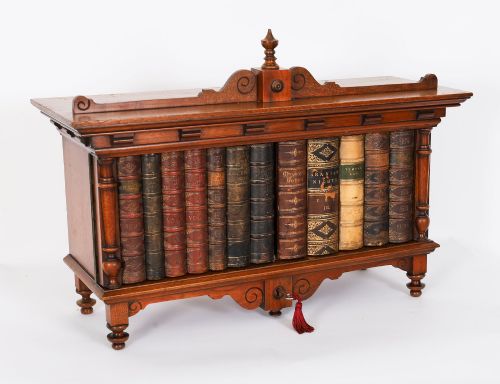
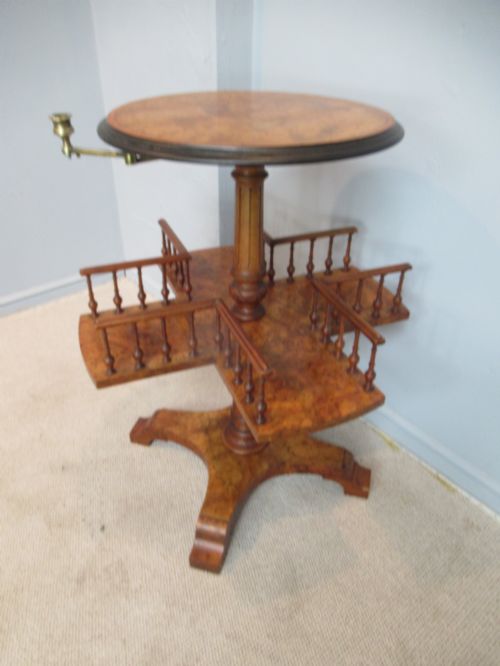
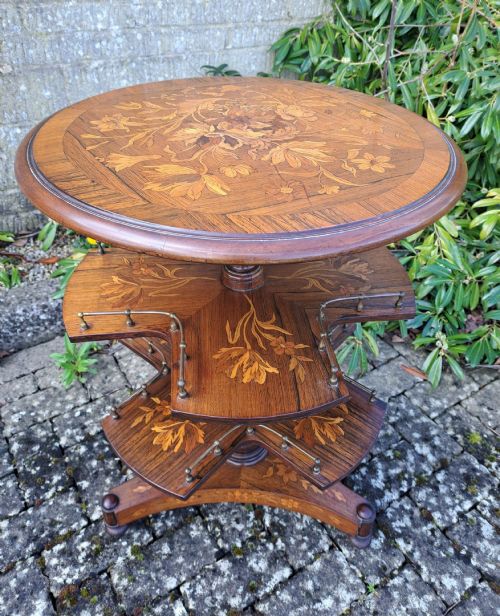
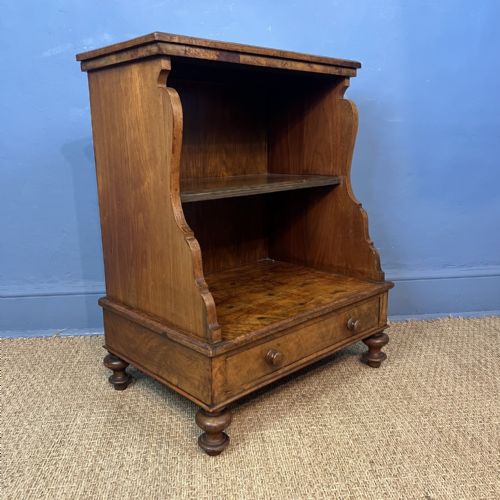
Mahogany and rosewood dominate the items seen, frequently accompanied by burr walnut, oak, and fruitwood inlay. Pieces range from compact table-top book presses and stands to substantial revolving bookcases and multi-tier display furniture.
Materials and construction
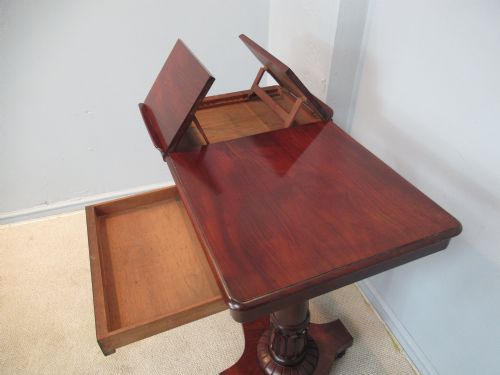
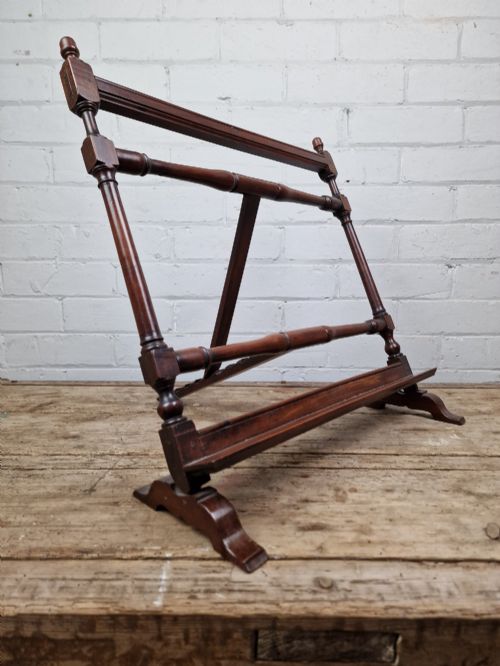
Cabinet makers utilised dense hardwoods such as mahogany and rosewood, applying clever mechanical actions for adjustable reading ledges, tilting surfaces, and rotating tiers. Brass fittings, ormolu mounts, and leather inserts provide functional durability alongside decorative refinement.
Inlaid details, marquetry, and burr walnut veneers showcase the high level of joinery achieved by period workshops. Solid timber carcasses and turned columns ensure the structural integrity required to support heavy volumes.
19th Century Book Table Retail Price Guide 2026
Typical asking prices for 19th century book table among the pieces listed under this phrase on Sellingantiques today, from the lower quarter to the upper quarter. They describe what is for sale here now, not the wider market.
Judging quality and craftsmanship
The standard of a 19th century book table depends heavily on the crispness of its turning, the selection of figured veneers, and the smooth operation of mechanical adjustments. Superior examples integrate clever engineering with robust framing, ensuring that moving parts function seamlessly.
Finer pieces display meticulous attention to detail in secondary timbers, brass hardware, and hand-applied finishes. Subtle marquetry or precise fruitwood inlay further elevates the distinction between standard utilitarian furniture and exceptional salon pieces.
The 19th Century Book Table Glossary
- Whatnot
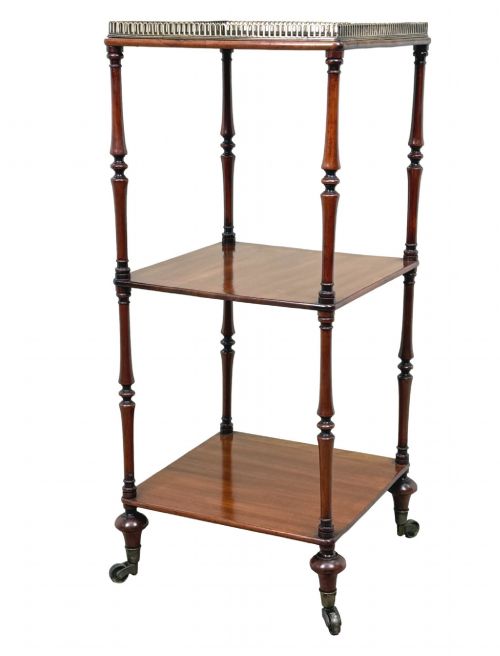
- A multi-shelved open cabinet used for storage and display in 19th-century rooms. These pieces often stand on delicate legs.
- Marquetry
- Decorative veneer work arranged in intricate patterns using various woods. Dutch floral examples are particularly notable.
- Revolving bookcase
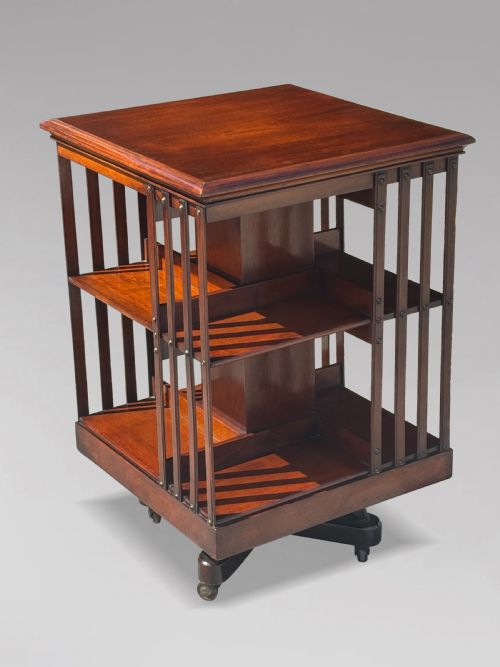
- A rotating stand designed to hold volumes upright for easy access. They operate on a central pivot mechanism.
19th Century Book Table: Frequently Asked Questions
How were these tables used originally?
These tables served specific functions in libraries, drawing rooms, and studies for holding current reading material. Adjustable ledges and revolving tiers allowed readers to consult multiple volumes comfortably without leaving their seats.
Larger variations functioned as centre tables or dumb waiters, combining surface space with integrated book storage. Smaller table-top versions catered to intimate reading and writing tasks.
What woods were commonly used?
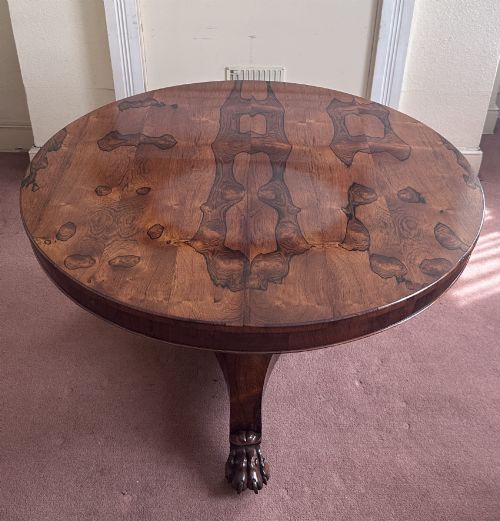
Makers predominantly employed rich hardwoods like mahogany and rosewood for their durability and handsome grain. Walnut and burr walnut appear frequently in mid-century and later Victorian pieces, offering striking figured patterns.
Secondary woods and occasional accents include oak, fruitwood inlay, birdseye maple, and tiger bamboo depending on the specific style.
Where should I place one?
A compact book table or revolving stand works well beside an armchair or sofa in a living room. Larger centre tables or étagères anchor open spaces or serve as focal points in a study.
Keep solid timber pieces away from direct heat sources and strong sunlight to protect the polished wood surfaces and veneers.