


19th Century Birch Cabinet
A 19th century birch cabinet brings warm pale timber and clean lines into a room, offering practical storage through distinctive historic craftsmanship.
19th Century Birch Cabinet
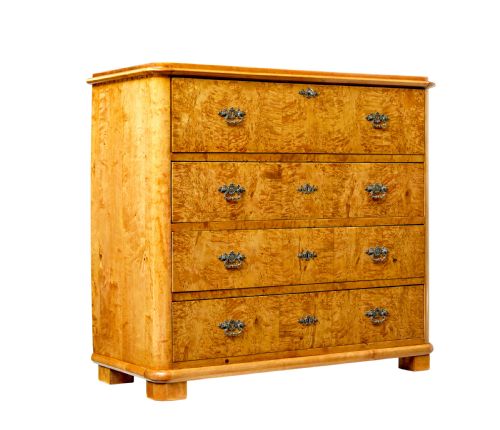
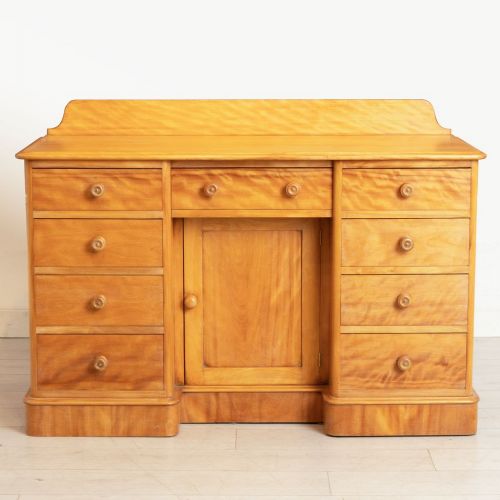
Buyers exploring a 19th century birch cabinet encounter a wide selection of functional forms, ranging from tall secretaires and chests of drawers to bedside lockers, washstands, and compact collector pieces. These items originate predominantly from Scandinavian workshops and British makers, reflecting the aesthetic preferences of the Victorian, Regency, and Biedermeier periods.
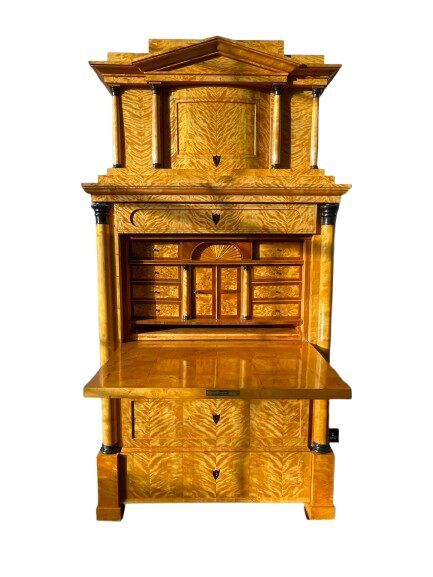
The most frequently encountered versions on this page are Swedish secretaire chests of drawers and bedside cabinets. These pieces often showcase striking grain patterns and fitted interiors behind drop fronts or cupboard doors, combining utilitarian storage with decorative presence.
Objects span the entire century, including pieces dated to specific decades such as the eighteen-sixties, eighteen-seventies, and eighteen-eighties, alongside broader Victorian and Biedermeier designations. They serve as versatile additions to domestic interiors, functioning as desks, storage units, and display surfaces.
Materials and construction methods
Cabinet makers utilised birch, satin birch, burr birch, and masur birch, often applied as veneers over pine carcases to highlight dramatic figures in the wood. Ebonised wood and brass details provided sharp visual contrast to the pale blonde tones of the primary timber.
Construction techniques balanced structural rigidity with decorative surface design, pairing sturdy pine framing with meticulously matched birch veneers. Surfaces were finished to emphasise natural grain variations, while metal fittings such as brass handles and escutcheons secured functional compartments.
Listings feature woods including plain birch, satin birch, burr birch, and masur birch, frequently paired with pine carcases and ebonised wood details.
Distinctions in quality and execution
Quality depends upon the selection and symmetry of the timber veneers, with highly figured burr or masur birch commanding attention for its visual depth. The precision of cabinet joinery, particularly around fitted secretaire drawers and internal pigeonholes, separates standard workshop production from finer examples.
Proportion and architectural harmony dictate the success of a piece, especially within Biedermeier and Victorian designs where restraint and clean lines matter. Original hardware, intact ebonised accents, and well-preserved interior fittings further elevate the standing of an individual item.
Holland & Sons
The 19th Century Birch Cabinet Glossary
- Secretaire
- A cabinet or chest incorporating a pull-down writing flap that conceals small drawers and pigeonholes. This form bridges the gap between a desk and a chest of drawers.
- Biedermeier
- A influential Central and Northern European style spanning the mid nineteenth century characterised by utilitarian comfort, clean lines, and minimal ornamentation. It prioritises the natural beauty of wood grain over applied carving.
- Satin Birch
- A trade and descriptive term for birch timber exhibiting a smooth, lustrous surface sheen resembling satin. It was widely utilised across Victorian and Scandinavian furniture.
- Masur Birch
- A decorative variety of birch featuring characteristic dark flame-like markings and swirls caused by natural growth anomalies. Cabinet makers prized this wood for high-status veneered surfaces.
- Linen Press
- A tall piece of furniture designed for storing textiles, typically featuring upper cupboard doors enclosing sliding trays above a chest of base drawers.
19th Century Birch Cabinet: Frequently Asked Questions
How do I identify a Biedermeier birch cabinet?
Biedermeier pieces are defined by unadorned surfaces, architectural symmetry, and a focus on the natural figure of the timber rather than heavy carving. They often feature dark ebonised contrasts against pale birch.
Look for clean geometric silhouettes, particularly on secretaires and cupboards produced in Scandinavian and Central European workshops during the earlier decades of the century.
What is the difference between satin birch and burr birch?
Satin birch displays a smooth, reflective surface sheen with a uniform, silky appearance across the grain. Burr birch exhibits complex, swirling knot formations and dense patterned eyes.
Both timbers were utilised for prominent exterior surfaces, but burr birch provides a much more dramatic and highly figured visual texture.
Where were these birch cabinets originally made?
A significant portion of these cabinets originate from Sweden and broader Scandinavia, alongside English workshops. Scandinavian pieces frequently embrace Biedermeier or regional vernacular styles.
British examples typically align with English Victorian and Regency cabinet-making traditions, utilising both solid timbers and applied veneers.
How were secretaire chests used historically?
A secretaire combined the functions of a chest of drawers and a writing desk into a single piece of furniture. The drop-front flap served as a writing surface during the day.
Internal compartments and small drawers kept correspondence and valuables organised, while the lower drawers provided standard clothing or linen storage.