


19th Century Academic Art
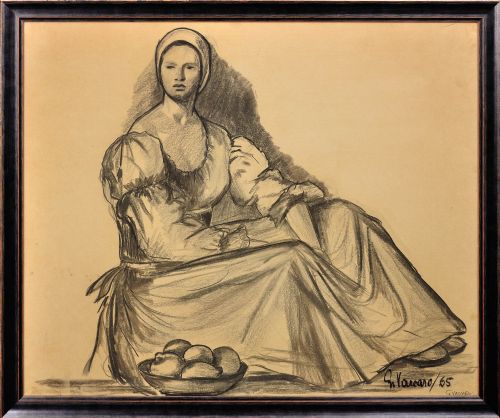
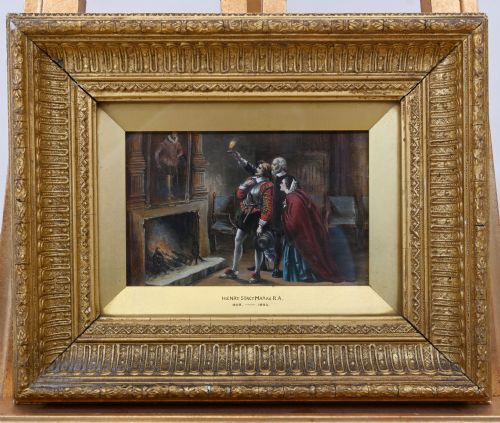
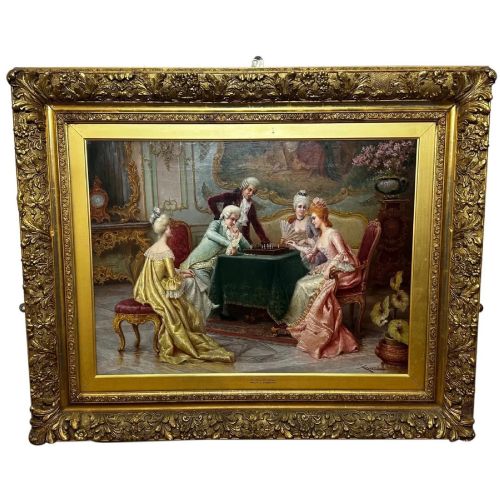
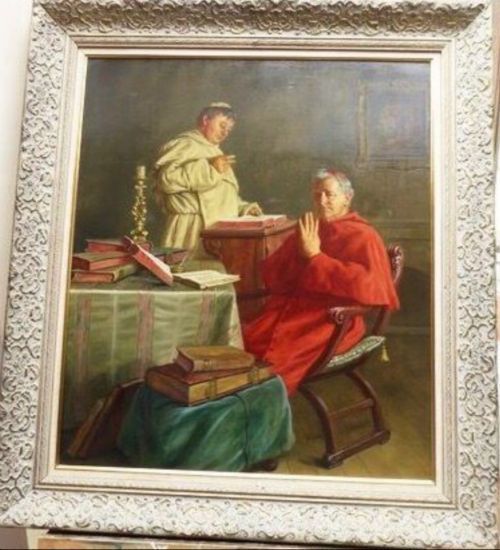
These rigorous works of 19th century academic art capture formal training through precise draftsmanship, historical narratives and classical figures that anchor a serious interior.
19th Century Academic Art
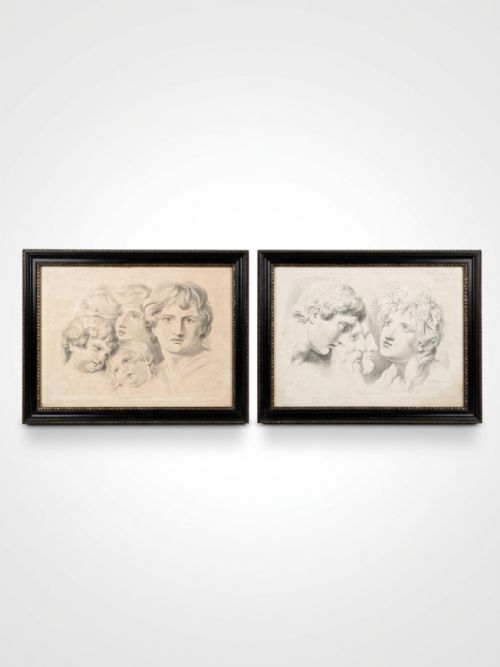
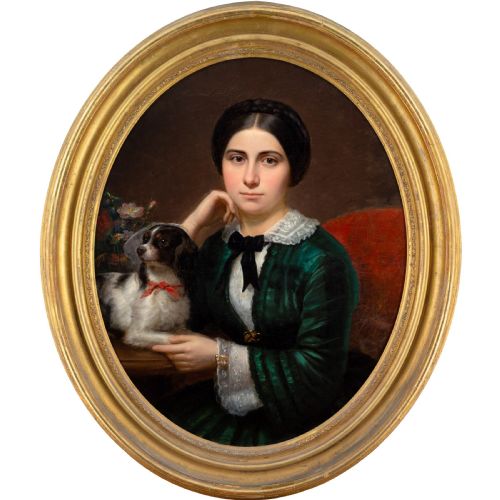
When you search for 19th century academic art, you encounter disciplined visual records produced through rigorous studio instruction and institutional training across Europe. The selection centres heavily upon oil paintings and portraits, alongside figurative drawings, bronze sculptures and plaster casts originating from the Victorian era and the broader nineteenth century.
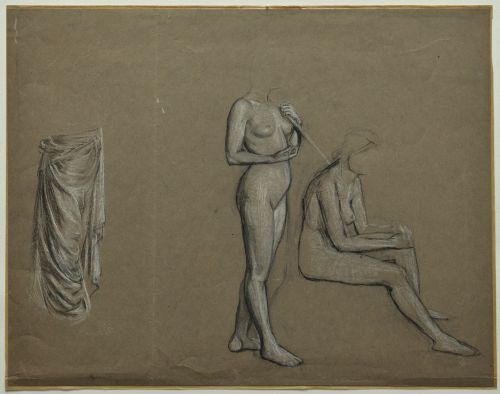
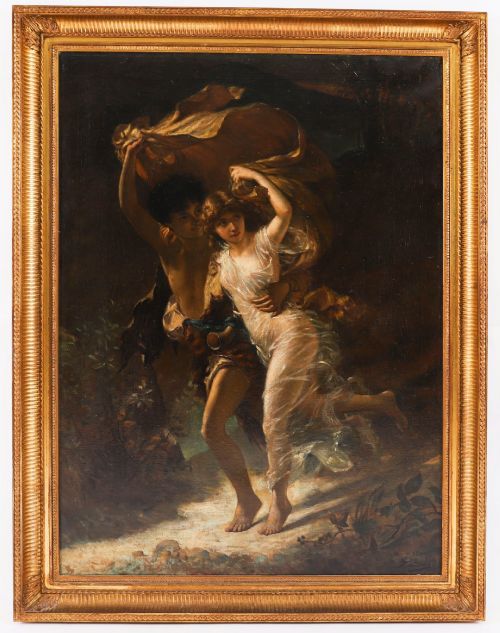
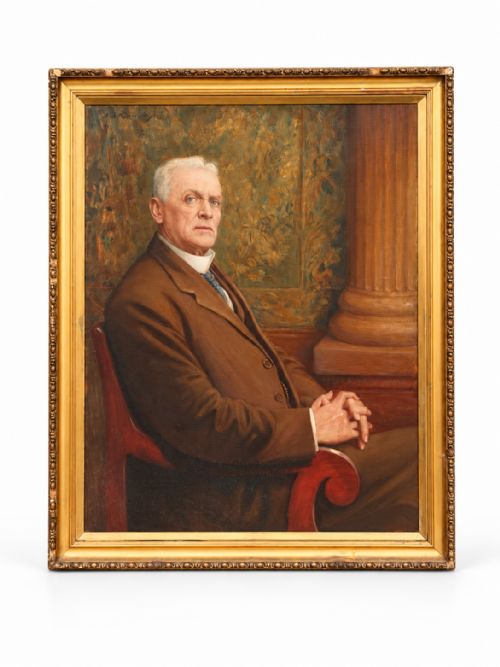
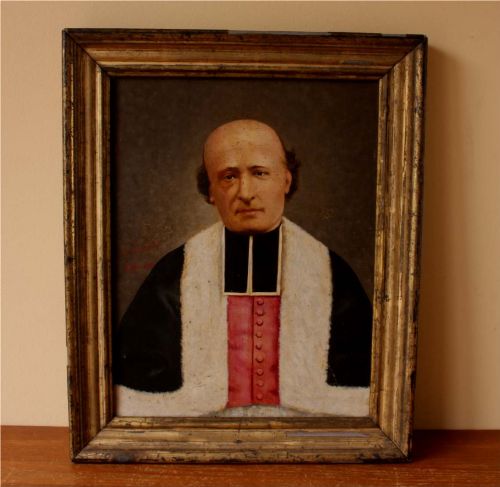
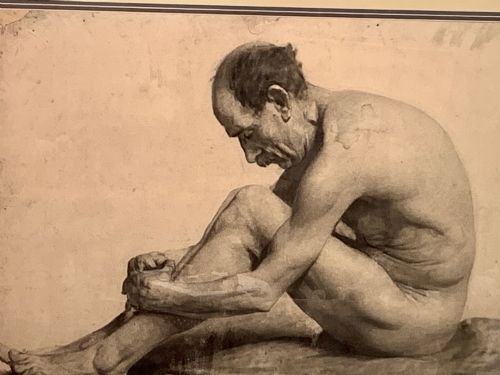
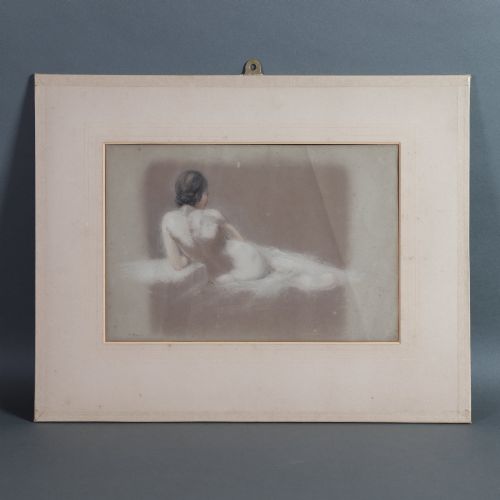
The material on this page spans historical genre scenes, meticulous life studies of the human form, and romantic portraits executed by both named masters and regional schools. Buyers typically select these framed canvases and works on paper to bring a grounded, historical gravity and narrative depth to traditional or transitional interior spaces.
Materials and Construction
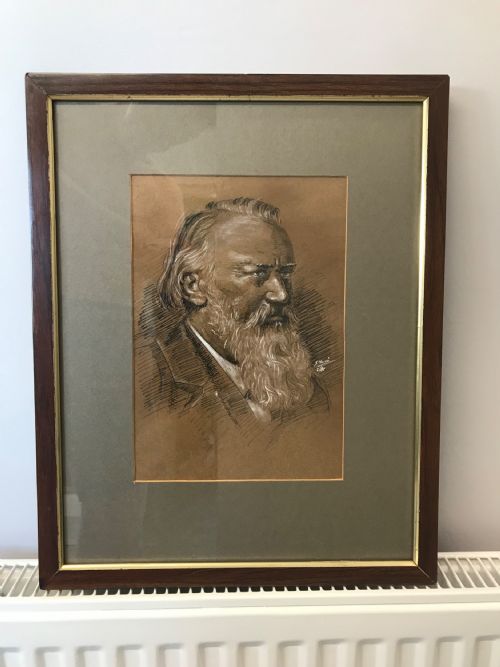
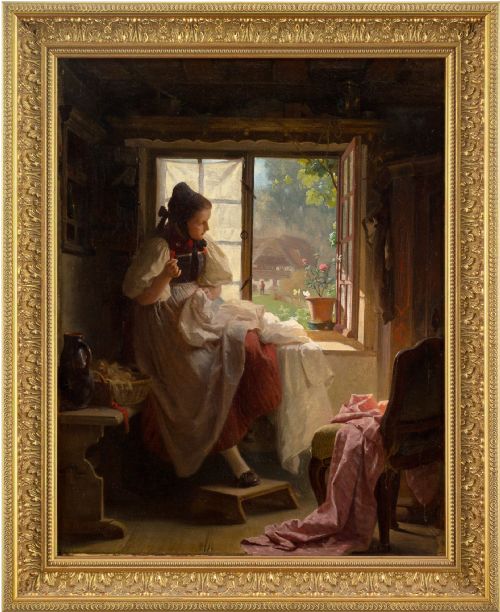
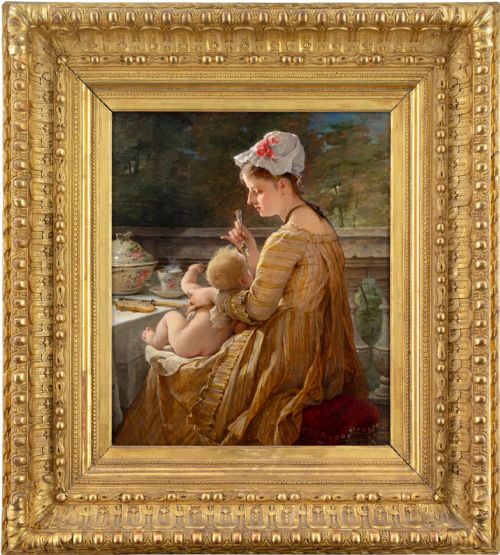
The physical foundation of these works relies predominantly upon oil on canvas or panel, supported by traditional wood stretchers and frequently housed within ornate giltwood frames. Draftsmanship appears through mixed media studies utilising pen, ink, wash, gouache, graphite and charcoal upon paper.
Sculptural pieces employ cast bronze or plaster, reflecting the foundational studio practice of rendering classical figures and anatomical subjects in three dimensions. Pigments and binders were applied with strict attention to traditional layering, ensuring durable surfaces across both paintings and works on paper.
19th Century Academic Art Retail Price Guide 2026
Typical asking prices for 19th century academic art among the pieces listed under this phrase on Sellingantiques today, from the lower quarter to the upper quarter. They describe what is for sale here now, not the wider market.
Listings feature mediums spanning oil on canvas, bronze sculpture, plaster casts, and graphite drawings across the Victorian era.
Assessing Artistic Merit
Distinctions in quality rest upon the precision of anatomical rendering, the confidence of the draftsmanship beneath the pigment, and the psychological depth of portraiture. Superior examples demonstrate a mastery of light and shadow that defines volume without relying on harsh outlines.
The sophistication of the composition and the preservation of the original surface further separate standard studio exercises from exceptional salon pieces. Original framing and documented attribution to established practitioners elevate the visual impact of the work within a collection.
Dumini Leopoldo·William Etty·Vittorio Reggianini·Adelaïde Salles-Wagner·Max Kaltenmoser·Louis Charles Verwee·William Blake Richmond·Achille-Fould·Alfred Arthur Brunel de Neuville·Johann Hamza·Julien Lorieux·Benjamin Eugene Fichel·Henry Arthur Roberts·Ferdinand Victor Leon Roybet·Gabriel Puig Roda·Frederick Goodall·Lance Calkin·Justo de Gandarias·Alfred Holst Tourrier·Hermann Armin Kern·Frank Hyde·Thomas Couture
The 19th Century Academic Art Glossary
- Academic Realism
- A style of painting and sculpture produced under the influence of European academies of art. It combines neoclassical idealism with realistic observation.
- Genre Painting
- The pictorial representation in ordinary scenes from everyday life. These works often depict figures engaged in domestic tasks or leisure activities.
- Life Study
- A drawing, painting or sculpture of the human figure created from a live model. This exercise formed the core of nineteenth-century artistic training.
- Orientalism
- The depiction of Eastern subjects and themes by Western artists. This style reflects nineteenth-century travel and cultural exchange across the Mediterranean.
19th Century Academic Art: Frequently Asked Questions
What defines academic art from this period?
Academic art is characterised by adherence to the strict rules, high technical standards and classical ideals taught by official European art academies. These works emphasise rigorous drawing, historical or mythological subjects, and polished final surfaces.
Pieces seen here reflect the standardised training systems of nineteenth-century institutions, focusing heavily on anatomy, perspective, and narrative composition.
How were life studies used by artists?
Life studies served as essential preparatory exercises where students and masters alike honed their ability to render the human form accurately from a live model. These drawings and oil sketches captured muscle tension, posture, and lighting.
Artists frequently retained these studies in their personal portfolios or developed them into larger historical and allegorical compositions for salon exhibitions.
How do I display these paintings at home?
These works suit traditional studies, libraries, and formal living areas where their rich tones and historical narratives command attention. Pairing them with period lighting enhances the depth of the oil pigments and the detail of the gilt frames.
Ensure placement avoids direct sunlight to protect sensitive nineteenth-century pigments and paper supports from fading over time.