
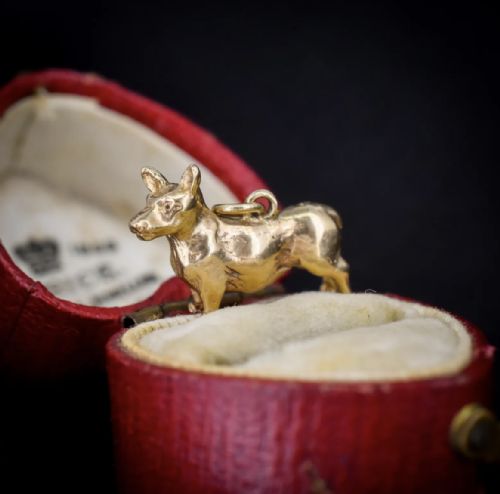


1970s Gold Jewellery
These 1970s gold jewellery pieces bring bold textures and substantial weight to the hand, offering distinct modernist character for daily wear.
1970s Gold Jewellery
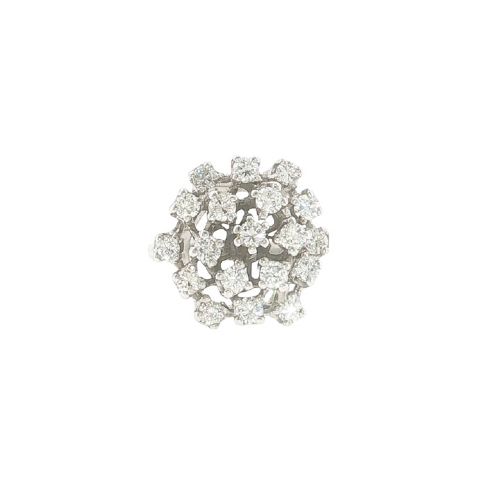
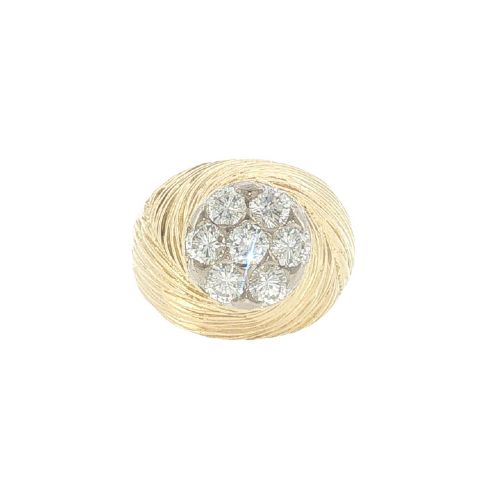
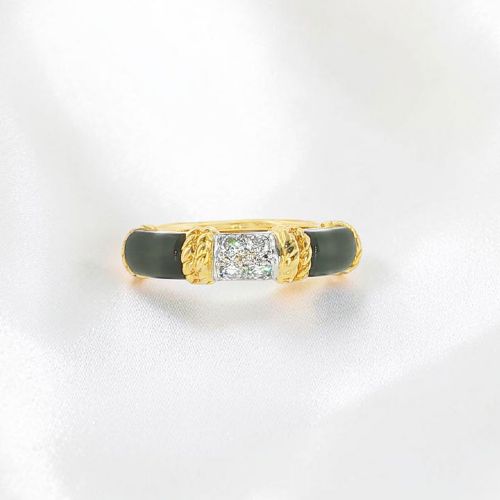
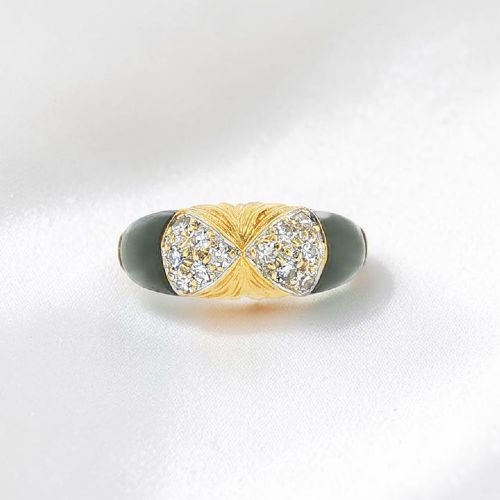
When you search for 1970s gold jewellery, you encounter rings, charms, and pendants shaped by the bold aesthetic shifts of the decade. The selection on this page ranges from structured diamond cluster rings to textured modernist bands and sculptural pendants.
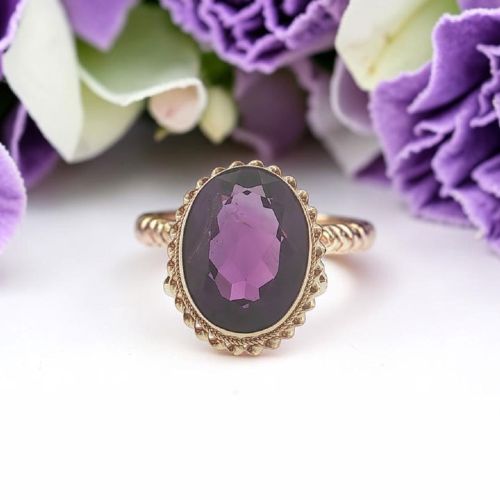
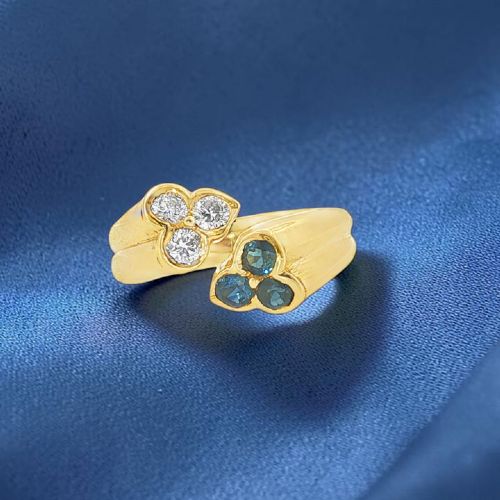
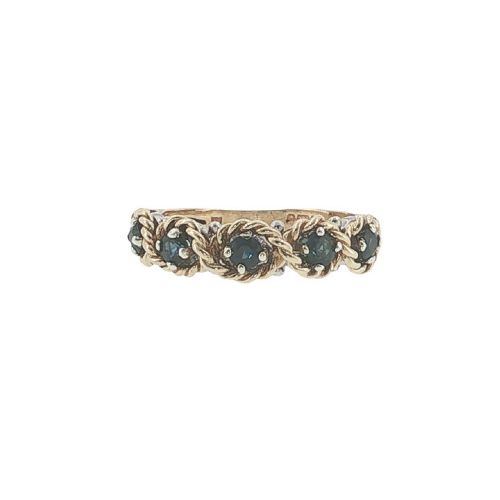
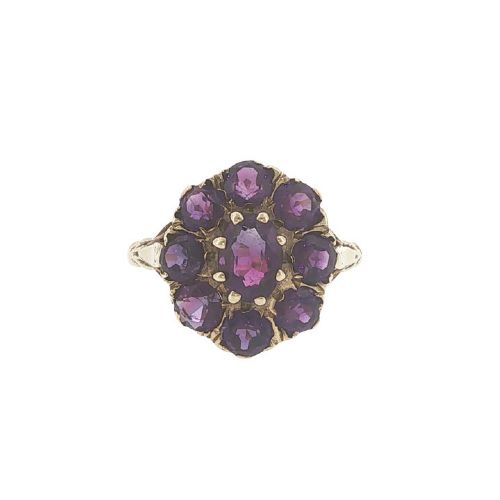
You are most likely to meet pieces cast in 9ct and 18ct yellow gold, often set with diamonds, amethysts, sapphires, or black onyx. Forms stretch from classic cocktail rings to distinctive animal charms and brutalist interchangeable designs.
How these pieces were made
Maker's workshops utilised casting and hand-working techniques in 9ct and 18ct gold, combining yellow and white gold finishes with textured surfaces. Master goldsmiths set diamonds, amethysts, sapphires, and black onyx into substantial mounts designed to catch the light.
Hallmarks stamped by assay offices in London and Birmingham provide verifiable dates and origins for many of the rings and pendants. This documentation confirms the decade of production alongside the specific gold purity.
Assay office marks from London and Birmingham date several rings specifically to the middle and late 1970s.
What varies in quality
Quality rests upon the weight of the gold and the structural integrity of the setting, distinguishing substantial artisan pieces from lighter commercial output. Superior items display deliberate heft and secure claw or bezel settings that hold stones firmly.
The distinction between standard production and top-tier design lies in the individuality of the casting and the quality of the gemstones chosen. Well-executed brutalist texturing and well-matched diamonds elevate specific rings above simpler band designs.
Kutchinsky·Gilbert Albert
The 1970s Gold Jewellery Glossary
- Brutalist
- A style defined by rough, textured, and sculptural metalwork that emulates architectural forms. This finish gives 1970s gold jewellery its characteristic raw appearance.
- Cocktail ring
- A large, statement ring featuring prominent gemstones designed to draw attention during evening events. These pieces often combine diamonds with coloured stones like amethyst or sapphire.
- Cluster ring
- A design where a central gemstone is surrounded by a group of smaller stones, typically diamonds. This arrangement maximises sparkle and visual presence on the finger.
- Assay office
- An official body that tests the purity of precious metals and stamps items with traditional hallmarks. London and Birmingham offices provide key dating evidence for these pieces.
1970s Gold Jewellery: Frequently Asked Questions
How do I wear a cocktail ring?
These large statement rings carry enough visual weight to stand alone on the hand without competing jewellery.
Pair them with simple evening attire or clean daytime silhouettes to let the gold work and gemstone settings take centre stage.
Are these pieces hallmarked?
Many items feature official assay office stamps from locations such as London or Birmingham that confirm the metal purity and year of production.
Examining the interior of the band usually reveals these small stamped marks, helping to verify the decade of origin.
How should I clean 1970s gold jewellery?
Warm soapy water and a soft brush safely lift daily oils and dust from both the gold surfaces and the gemstone settings.
Avoid harsh chemical dips, particularly on pieces containing softer stones like amethyst or black onyx.
What is brutalist jewellery?
Brutalist designs embrace jagged edges, melted-looking surfaces, and unconventional textures rather than smooth, polished finishes.
This aesthetic reflects the wider modernist architecture and sculpture of the era, translating raw metal into wearable art.