




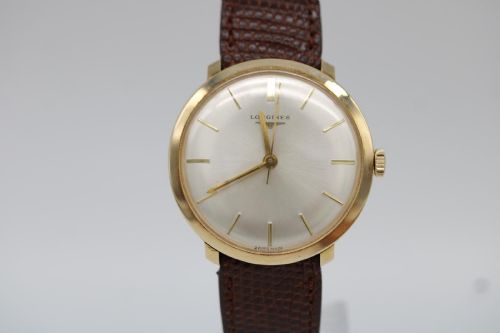
1960s Wristwatch
A 1960s wristwatch captures an era of bold horological design, offering mechanical precision and mid-century style that collectors seek today.
1960s Wristwatch
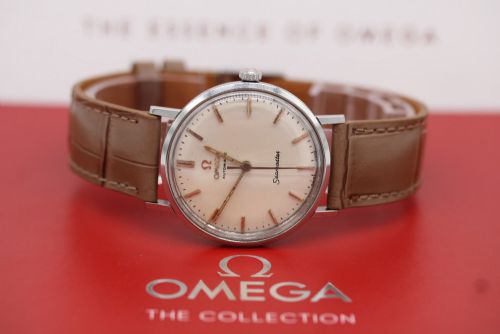
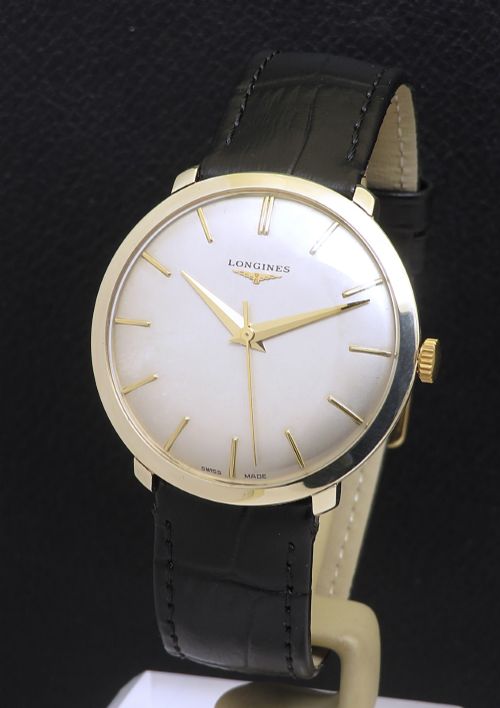
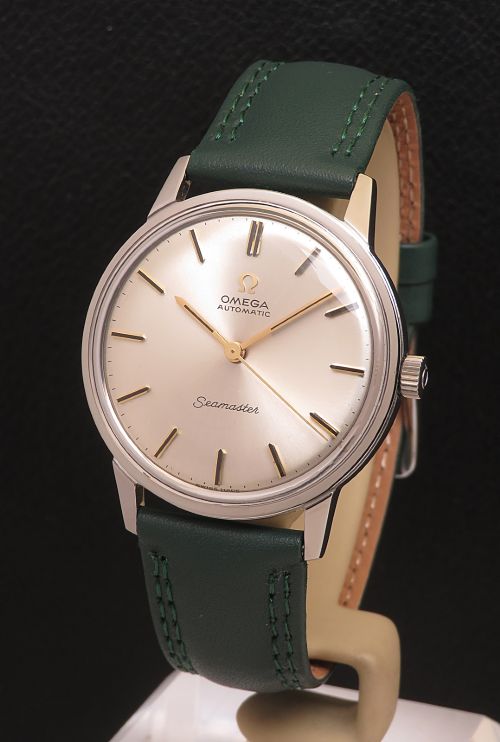
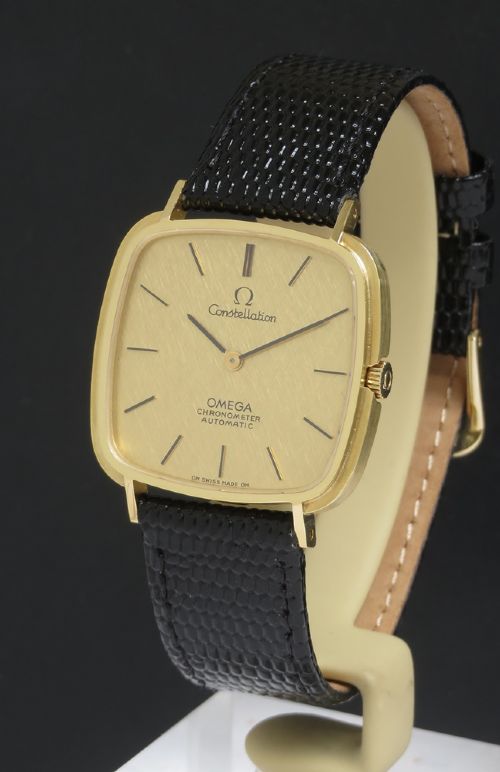
When searching for a 1960s wristwatch, buyers encounter mechanical and automatic timepieces that reflect mid-century modern design principles. These objects range from robust waterproof divers to elegant dress watches produced during a decade of rapid horological innovation.
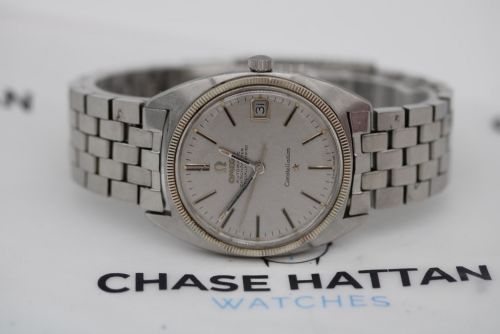
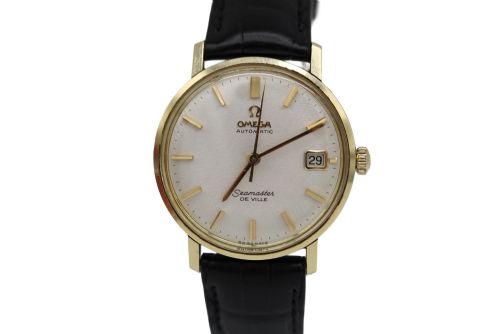
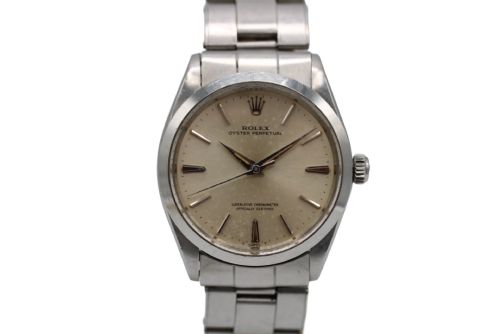
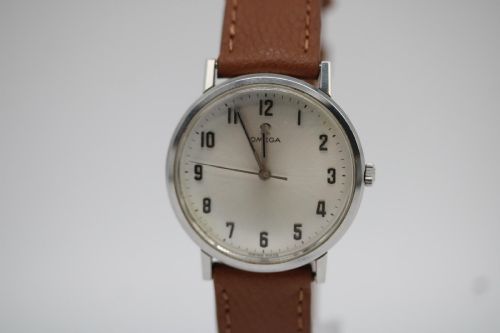
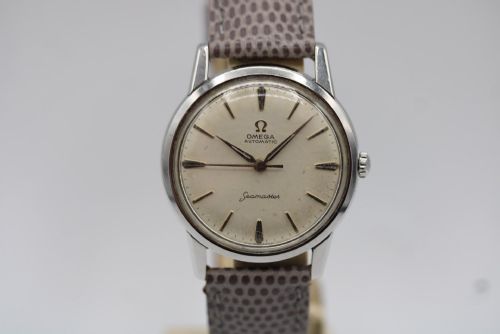
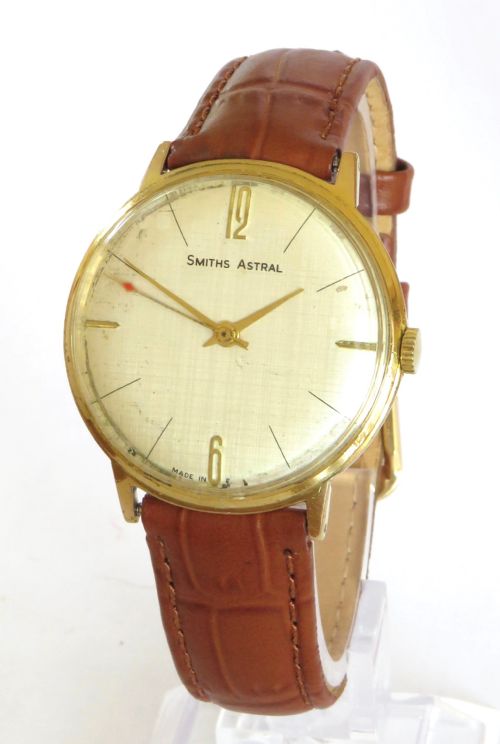
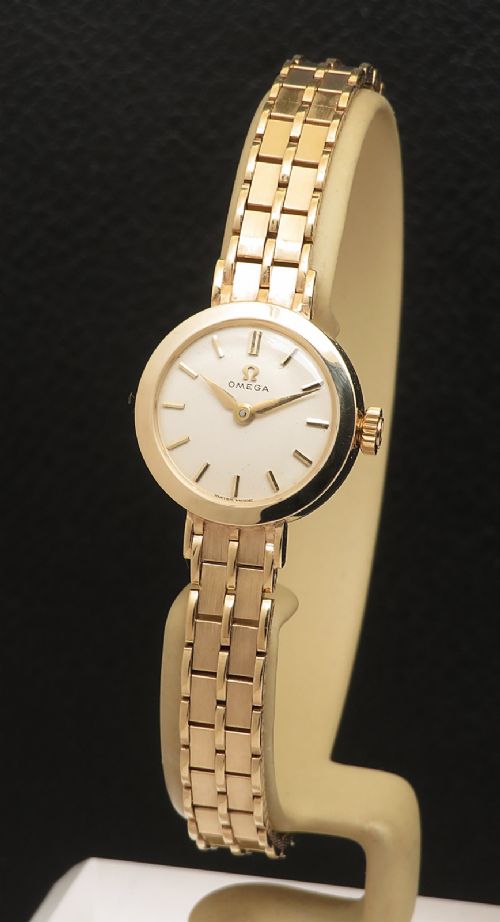
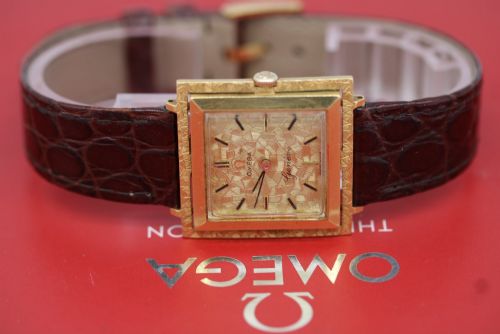
The pieces on this page heavily feature gents and ladies models sharing distinct period aesthetics, including clean dials and rounded or cushion-shaped cases. Brands such as Omega dominate the selection alongside other notable Swiss and international makers from the same decade.
Forms vary from classic round steel or gold cases to distinctive cushion shapes and asymmetrical layouts. Buyers will find both manual wind movements and self-winding automatic calibres housed within these compact mid-century packages.
Materials and Construction
Watchmakers of the period utilised solid 9ct gold, 18ct white gold, and gold plating alongside durable stainless steel for case construction. Acrylic or acrylic glass protected the dials, while leather straps completed the traditional build.
Movements relied on intricate mechanical gears driven by manual wind springs or weighted automatic rotors. Internal components featured specialised calibres designed for accuracy, often enclosed to resist dust and moisture.
1960s Wristwatch Retail Price Guide 2026
Typical asking prices for 1960s wristwatch among the pieces listed under this phrase on Sellingantiques today, from the lower quarter to the upper quarter. They describe what is for sale here now, not the wider market.
Listings demonstrate a strong presence of 1960s watches utilising stainless steel and solid 9ct gold cases.
Factors of Quality
The tier of a timepiece rests on the originality of its components, such as signed dials, matching hands, and correct factory crowns. Examples retaining their original boxes and paperwork command stronger interest from serious collectors.
Movement finishing and mechanical complexity also define the grade of the piece, moving from standard utility calibres up to adjusted chronometers. Precious metal cases like solid 9ct or 18ct gold elevate the standing of a watch compared to plated alternatives.
Smiths·Omega·Longines·Tudor·Cyma·Rone·IWC·Rolex·Bulova·Avia·Seiko·Marvin·Tissot·Certina·Breitling
The 1960s Wristwatch Glossary
- Calibre
- The specific internal mechanism or movement of a watch, usually identified by a manufacturer's number. This designation helps identify the exact design and generation of the internal parts.
- Chronometer
- A high-precision watch that has been tested and certified to meet strict accuracy standards over various temperatures and positions. These movements represent the upper tier of mechanical performance.
- Manual wind
- A mechanical movement that requires the wearer to manually turn the crown to tension the mainspring. This traditional method preceded widespread automatic self-winding technology.
- Automatic
- A self-winding mechanical movement that uses a weighted rotor to power the mainspring through the natural motion of the wearer's wrist. It removes the need for daily manual winding.
- Acrylic glass
- A lightweight, shatter-resistant synthetic material used for watch crystals during the mid-century period. It can be easily polished to remove minor surface scratches.
1960s Wristwatch: Frequently Asked Questions
How do I wind a manual watch?
Gently rotate the crown clockwise between your thumb and forefinger until you feel resistance.
Stop turning immediately to avoid damaging the mainspring inside the movement.
Are these watches waterproof?
Most vintage pieces lack modern waterproof seals due to their age and original manufacturing standards.
Keep them away from water and moisture unless a watchmaker has recently tested and serviced the case gaskets.
How often should a vintage watch be serviced?
Mechanical movements require periodic cleaning and lubrication to ensure the internal oils do not dry out.
Expect to bring your watch to a professional technician every few years for maintenance.