

1960s Timepiece
When you handle a 1960s timepiece, you hold an instrument of precision engineering and mid-century design.
1960s Timepiece
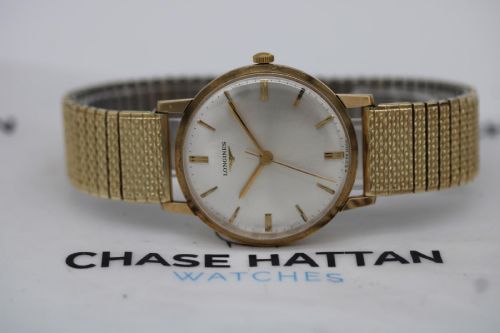
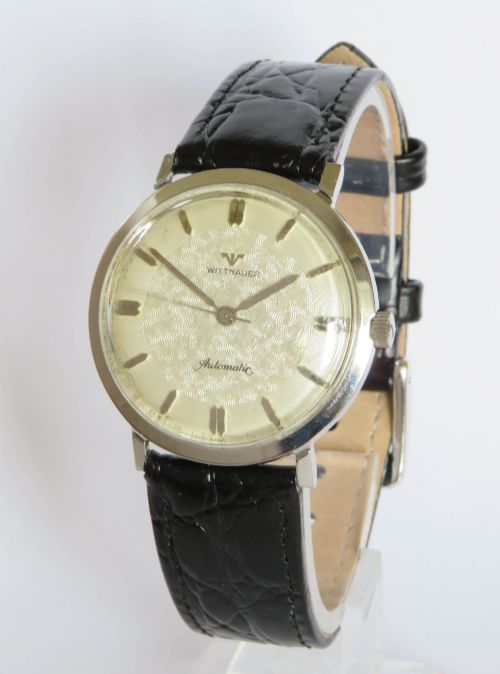
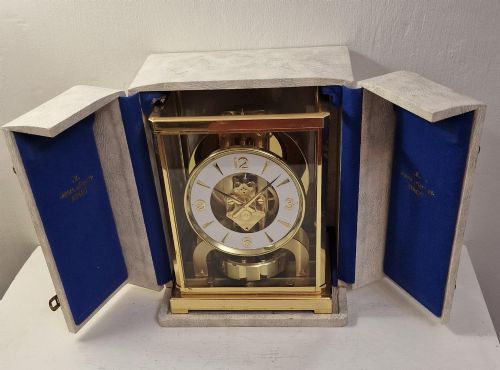
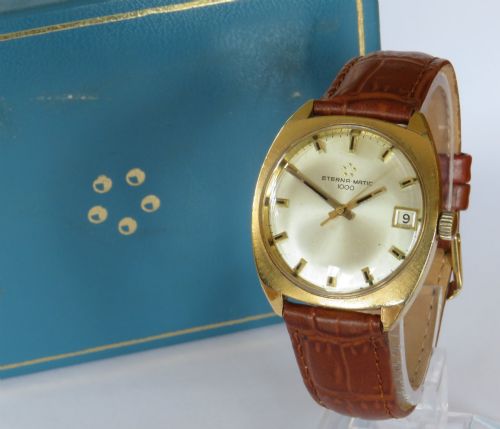
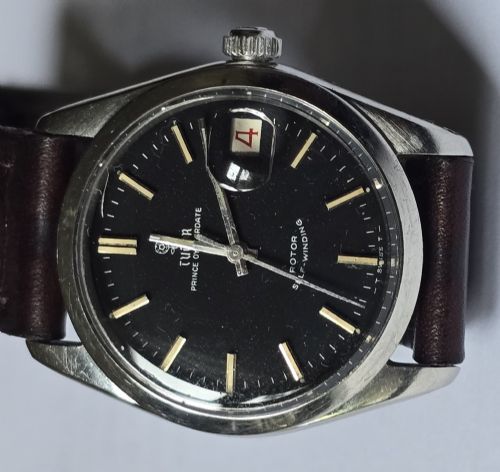
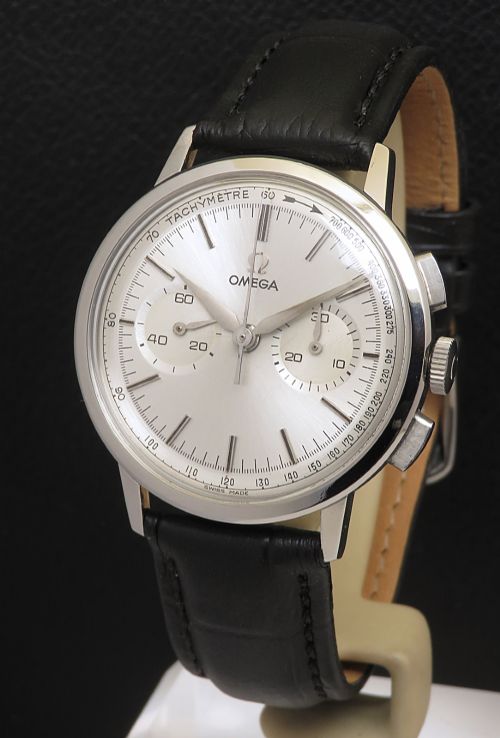
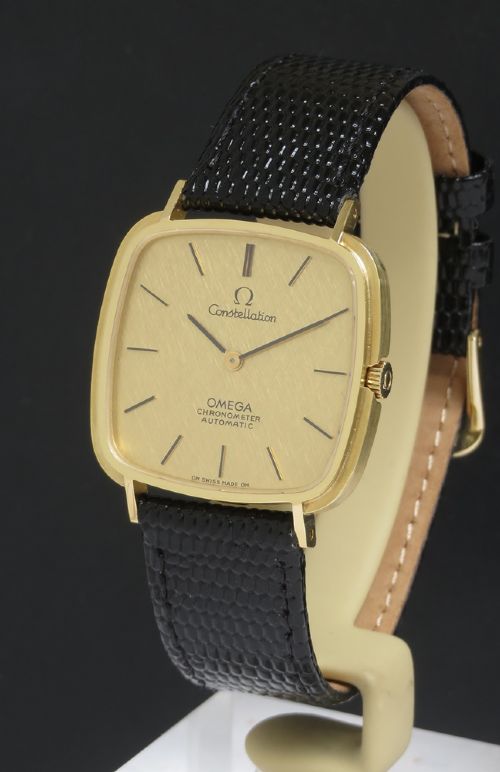
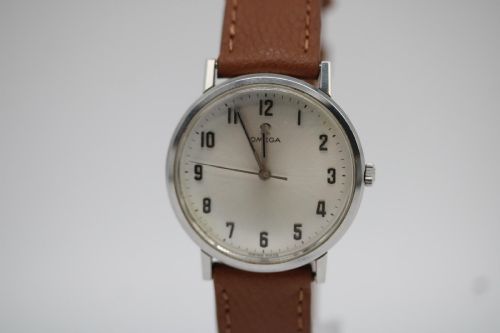
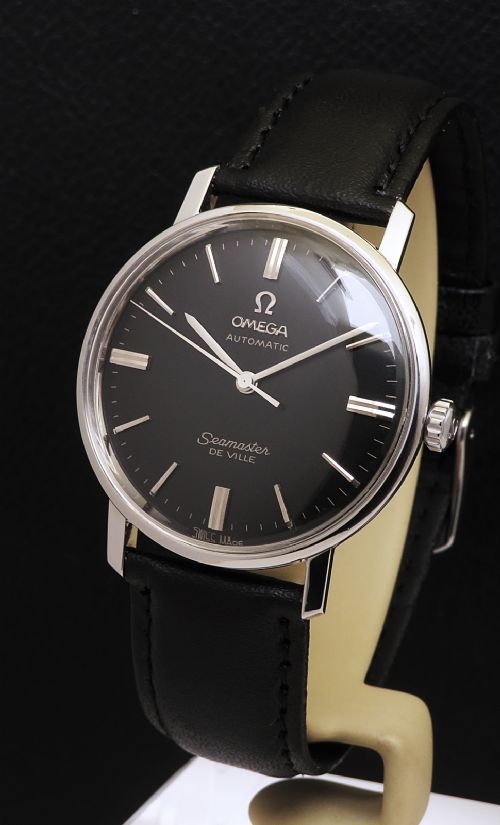
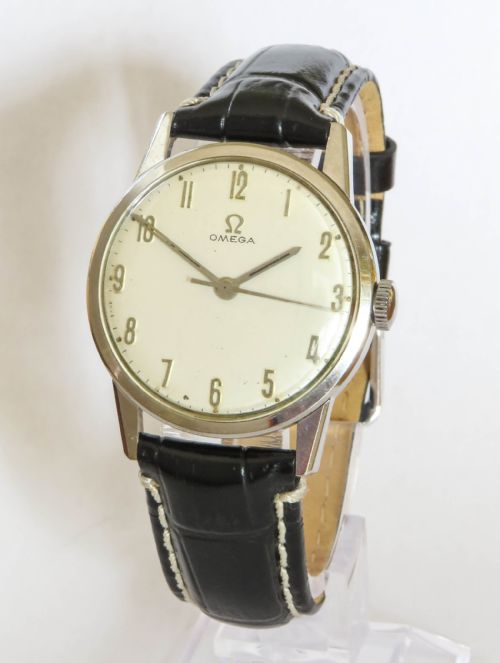
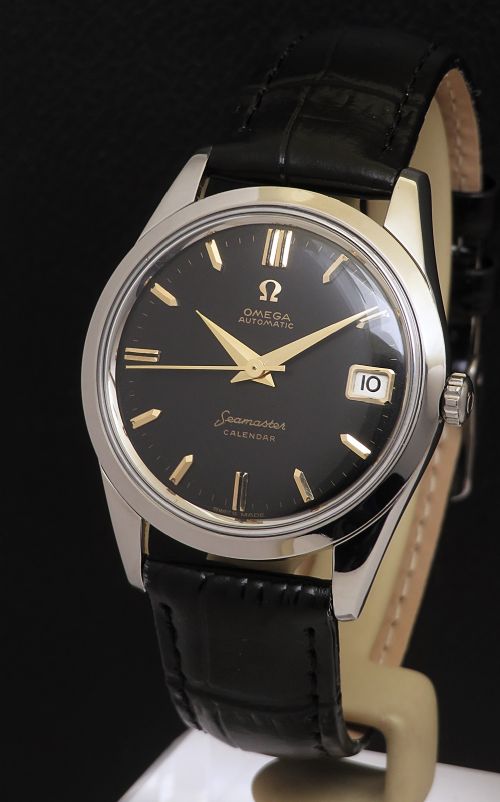
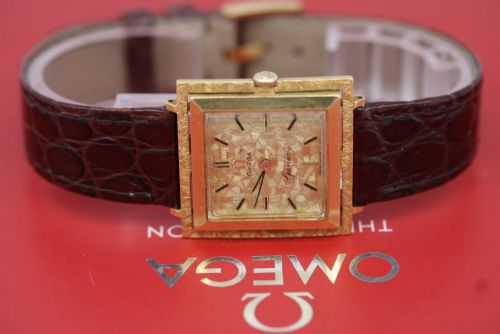
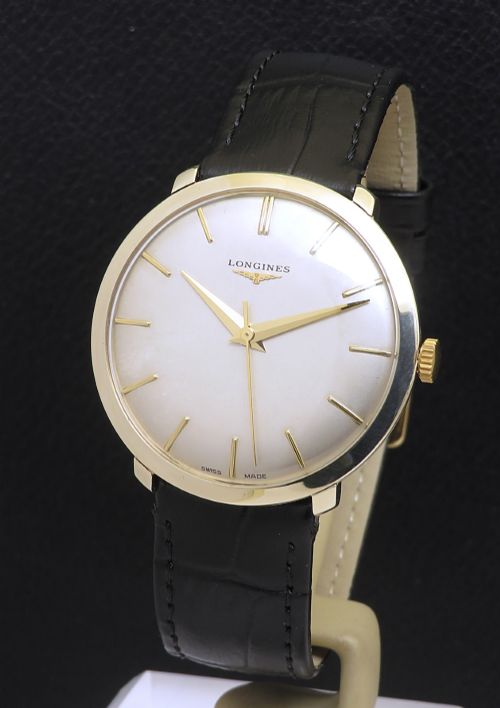
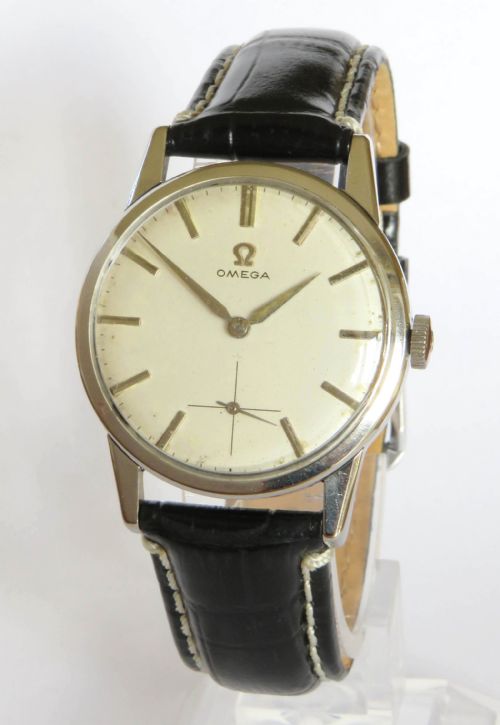
A 1960s timepiece encompasses wristwatches, cocktail watches, and clocks produced during a period of distinct modernist design. The selection is dominated by gents wristwatches and automatic date models from Swiss makers, alongside dress pieces in precious metals.
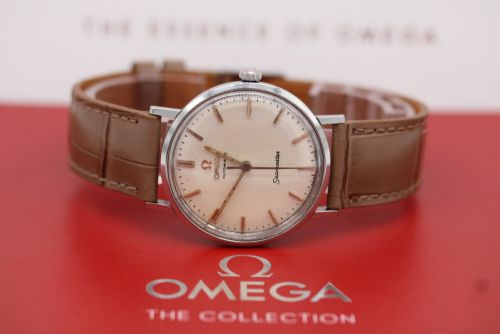
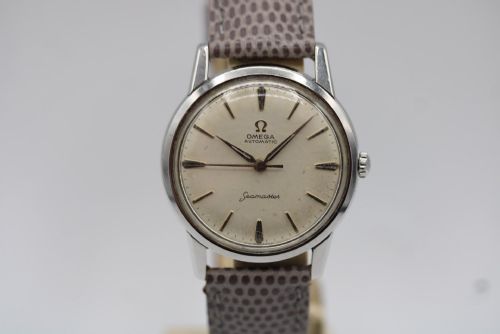
Buyers encounter forms ranging from slim dress watches to robust waterproof models like the Seamaster. These objects combine utilitarian reliability with the clean lines characteristic of Mid-Century Modern aesthetics.
Materials and Construction
Cases utilise stainless steel, gold plate, solid 9ct gold, and 18ct white gold, frequently paired with leather straps and acrylic or glass crystals. Select evening pieces incorporate diamonds for decorative effect.
Movements rely on manual wind and automatic calibres, housing intricate mechanical components assembled by skilled watchmakers. Dials feature applied markers, distinctive fonts, and occasionally patinated finishes resulting from age.
1960s Timepiece Retail Price Guide 2026
Typical asking prices for 1960s timepiece among the pieces listed under this phrase on Sellingantiques today, from the lower quarter to the upper quarter. They describe what is for sale here now, not the wider market.
Listings feature materials spanning 9ct gold, 18ct white gold, stainless steel, gold plate, leather, glass, acrylic, and diamond.
Distinctions in Quality
Quality rests upon the preservation of original components, such as signed crowns, unpolished case edges, and factory dials. Pieces retaining original boxes and documentation command greater interest from purists.
The sophistication of the internal movement, from standard manual wind calibres to chronometer-certified automatic mechanisms, determines the calibre of the piece. Consistency between the production era of the case and its internal machinery remains paramount.
Omega·Longines·Tudor·Cyma·Bulova·IWC·Rolex·Gruen·Avia·Marvin·Gloriosa·Certina·Smiths·Zenith·Ensign·Eterna-Matic
The 1960s Timepiece Glossary
- Calibre
- The specific internal movement design and model number created by a watch manufacturer. This designation identifies the mechanical engine driving the hands.
- Chronometer
- A high-precision watch that has passed rigorous accuracy tests conducted by an official testing authority. These movements are engineered for exceptional timekeeping.
- Automatic
- A self-winding mechanical movement that uses the natural motion of the wearer's wrist to power the mainspring. This system removes the need for daily manual winding.
- Dial
- The visible face of the timepiece displaying markers, numerals, and branding. Dials exhibit various finishes, including silvered surfaces and patinated textures.
- Oyster case
- A sealed waterproof case design featuring a screw-down crown and back. This construction protects the delicate movement from moisture and dust.
1960s Timepiece: Frequently Asked Questions
How do I wind a manual watch?
Gently rotate the crown clockwise between your thumb and forefinger until you feel slight resistance. Stop immediately to avoid over-tensioning the internal mainspring.
Perform this action at a consistent time each day if you wear the piece regularly. Pulling the crown to the correct position allows you to set the hands accurately.
Are these watches water resistant?
Vintage models lose their original waterproof seals as the rubber and cork components degrade over decades. Exposure to moisture can rust delicate steel gears and ruin paper dials.
Treat these items as decidedly non-waterproof unless a professional watchmaker has recently pressure-tested the case with modern gaskets.
What is an automatic movement?
An automatic movement contains a weighted metal rotor that spins freely as your arm moves throughout the day. This motion winds the mainspring automatically without manual intervention.
If left unworn for a couple of days, the power reserve depletes and the watch stops, requiring a gentle shake and reset before wearing.
How often should they be serviced?
Mechanical watches require periodic cleaning and lubrication every few years to prevent dried oils from wearing down metal pivots. A professional service ensures the internal gears run with minimal friction.
During a service, a watchmaker dismantles the entire movement, cleans the components in specialised solutions, and calibrates the timing accuracy.